How Long a Papillon Takes to Dry
It’s a common misconception, especially for first-time Papillon parents: you look at that wispy, delicate coat and think, "Oh, this little one will air-dry in minutes!" But then you bathe them, and suddenly you’re staring at a surprisingly soggy, often shivering dog, and the minutes turn into what feels like an hour or more. Drying a Papillon isn't just about getting them dry; it's about doing it safely, effectively, and without turning their beautiful coat into a tangled mess or risking their health. This guide will walk you through everything you need to know to dry your Papillon efficiently, ensuring they're comfortable and their coat stays stunning.
Understanding Your Papillon's Unique Coat
The Papillon’s coat is truly a marvel, one of its most defining characteristics. It’s what gives them that elegant, ethereal appearance, but it also dictates a specific approach to grooming, especially when it comes to drying after a bath. If you've ever wondered why it takes longer than you'd expect, it often comes down to these unique qualities.
The Single Coat Advantage and Challenge
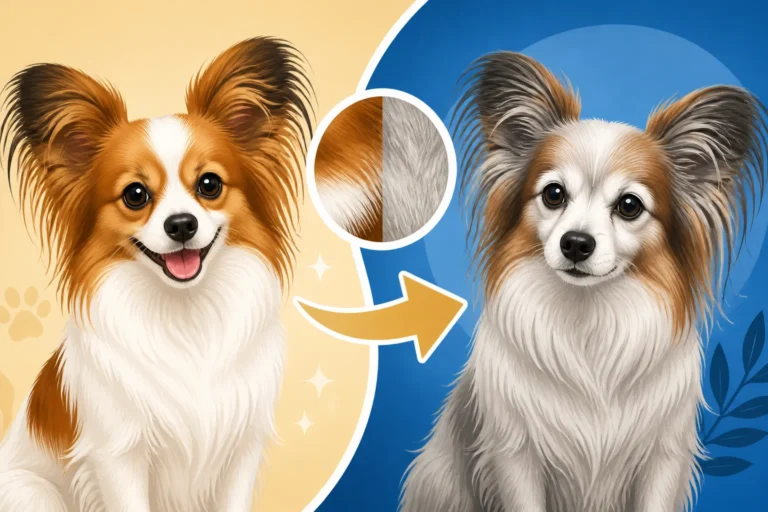
Unlike many breeds, the Papillon boasts a single coat, meaning they lack the dense, insulating undercoat that breeds like Pomeranians or Huskies possess. On the surface, this sounds like a dream for drying – less hair, less to get wet, right? And in some ways, it is! You won't be battling thick, water-retaining fluff close to the skin. This single layer is typically fine, silky, and relatively long, flowing gracefully over their small bodies. A Papillon's Coat Is All Fringe and No Undercoat dives deeper into what this means for their overall care.
However, this "advantage" comes with its own set of challenges. While there's no undercoat to soak up vast amounts of water, each individual strand of that silky outer coat can still hold a surprising amount of moisture. The fineness means it can clump together when wet, making it harder for air to circulate and reach the skin. This can create pockets of dampness that, if left unattended, can lead to matting or even skin irritation. So, while it might not feel as "heavy" with water as a double-coated dog, that single, long, silken layer still demands thorough and careful drying.
Where Water Hides: The Fringes and Feathering
The true beauty of a Papillon lies in its exquisite "butterfly" ears, complete with long, flowing fringes, and the equally impressive culottes on their hindquarters and a magnificent tail plume. These are the areas that give the breed its distinctive look and its name (Papillon means butterfly in French, referring to those ears!). However, these very features are also masterful at trapping and holding water. You can squeeze and squeeze their body coat, only to find their ear fringes still dripping like a sponge. The Ear Fringe That Gives the Papillon Its Name explains just how important these features are.
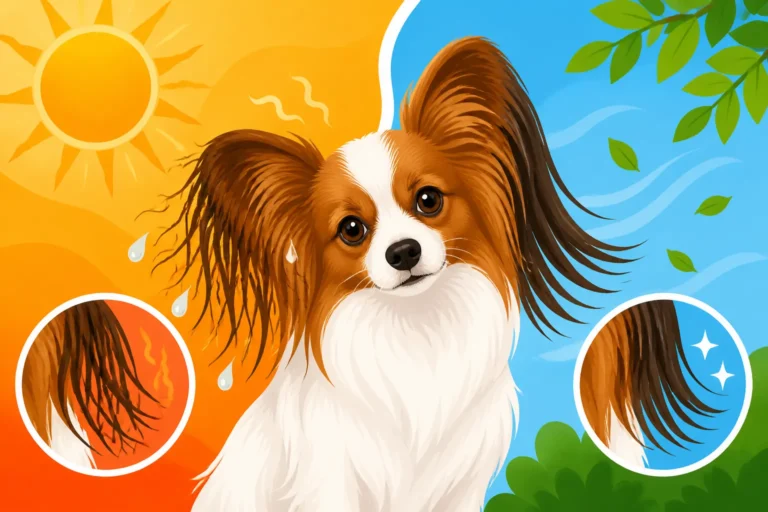
Think about it: those long hairs on their ears, legs, and tail are designed for elegance, not quick-drying efficiency. When wet, they become heavy, clingy, and can feel perpetually damp. If you've ever tried to air dry a Papillon after a bath, you've likely noticed these areas are the last to dry, sometimes taking hours longer than their main body. Not only is this uncomfortable for your dog, potentially making them shiver or feel chilled, but it also creates the perfect environment for mats to form as the hair dries unevenly and clumps together. Paying special attention to these feathered areas during drying isn't just about aesthetics; it's crucial for their comfort and coat health.
The Drying Process: Steps for Efficiency and Health
Drying your Papillon doesn't have to be a dreaded chore. With the right technique and tools, you can make it a quick, comfortable, and even bonding experience for both of you. The goal is to remove as much water as possible safely and efficiently, ensuring your furry friend is completely dry, right down to the skin.
Towel Drying: The First, Crucial Step
Before you even think about bringing out a blow dryer, a good towel dry is your best friend. This step is about removing the bulk of the water, and doing it correctly can cut your overall drying time dramatically. Forget vigorous rubbing – that's a recipe for tangles and static electricity, which can make subsequent brushing a nightmare. Instead, think "squeeze and blot."
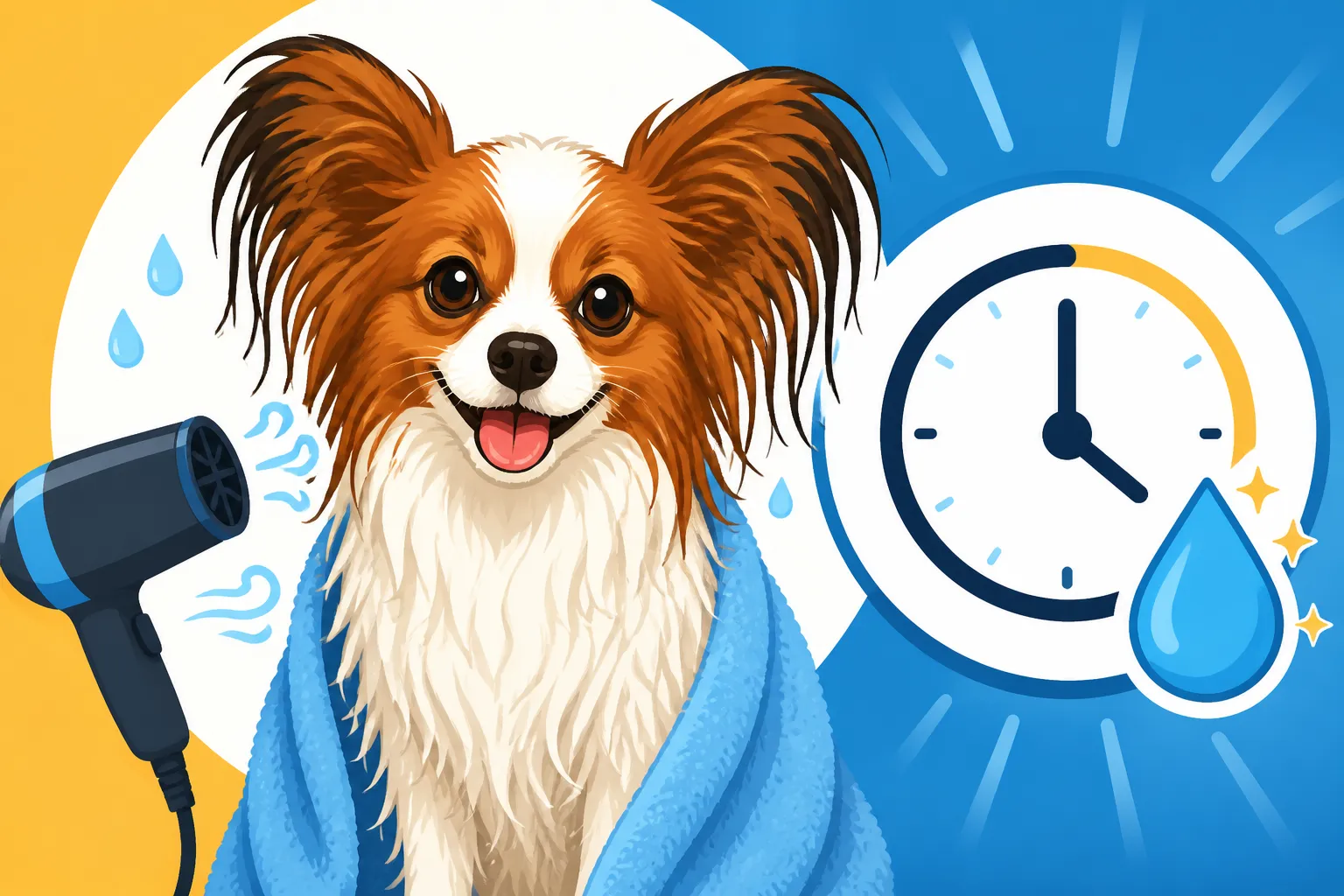
Gently wrap your Papillon in a highly absorbent towel, pressing it against their coat to soak up moisture. For the ears, tail, and culottes, cup the hair in the towel and gently squeeze. Repeat this process with fresh, dry towels until no more significant water drips out. You’ll be amazed at how much water you can get out this way. Investing in super absorbent microfibre towels can make a real difference here. You can find excellent options on Amazon or even dedicated pet towels from places like Chewy that are designed to absorb quickly and efficiently. This initial blotting phase might take 10-15 minutes, but it's an investment that pays off by reducing the time needed for blow-drying and minimizing potential coat damage.
Blow Drying: The Fastest and Safest Method
Let’s be honest, for a truly dry Papillon, especially one with significant feathering, blow-drying is usually essential. Air drying alone, particularly in humid conditions, risks leaving them damp for too long, which can lead to mats, skin irritation, or even a chill. The key, however, is using the right equipment and technique. Forget your human hairdryer, unless it has a very cool setting and you keep it far away. Human dryers get too hot, too fast, and can easily burn your Papillon's delicate skin or damage their fine coat.
A dedicated pet dryer or a human hairdryer on its lowest, coolest setting is what you need. If you're using a human dryer, never let it get hot. Always keep your hand between the airflow and your dog's skin to check the temperature. The goal is warm (or even cool) air, not heat. Work in sections, starting with the body, then moving to the legs, culottes, and finally the ears and tail plume. Use a pin brush to gently brush the coat as you dry, separating the hairs and allowing the air to reach the skin. This also helps prevent mats from forming as the hair dries. Keep the dryer moving constantly, never focusing on one spot for too long. For a Papillon, a full blow-dry usually takes anywhere from 20 to 45 minutes, depending on their size, coat length, and how cooperative they are. Whether a Papillon Must Be Blow Dried and How to Dry a Papillon offer more detailed instructions on this crucial step.
Air Drying: When It's Okay (and When It's Not)
While blow-drying is generally the most effective method, there are times when air drying might seem like a tempting option. For instance, if your Papillon has a very short "puppy clip" or if it’s a scorching hot, dry summer day and they’ve just had a quick rinse after a messy walk, you might get away with mostly air-drying the body.
However, for a Papillon with its characteristic long fringes and feathering, relying solely on air drying is generally not recommended. The risks far outweigh the convenience:
- Matting: As the long hair air dries, it tends to clump and tangle, especially in the armpits, behind the ears, and in the culottes. These damp knots can quickly turn into tight mats, which are painful to remove and can even lead to skin issues.
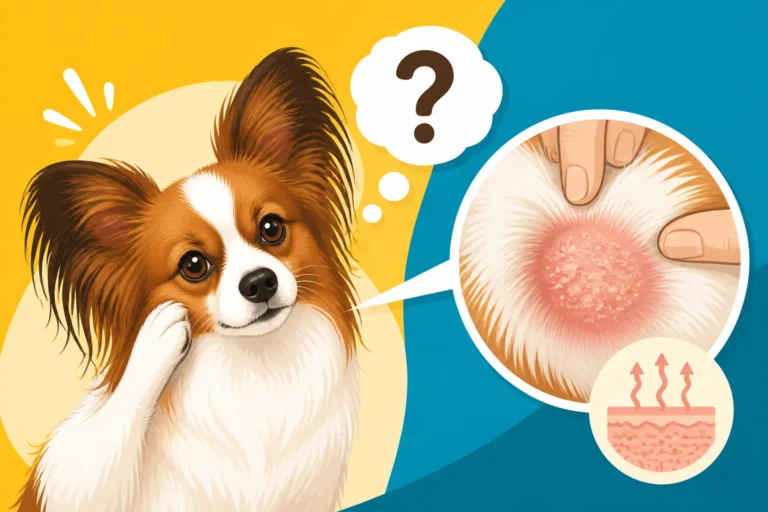
- Skin Problems: Prolonged dampness, particularly close to the skin, creates a moist environment where bacteria and yeast can thrive, potentially leading to hot spots or other uncomfortable skin infections.
- Chilling: Small dogs like Papillons can get cold easily. Remaining damp for an extended period, especially in cooler weather or if they then settle down for a nap, can make them uncomfortably chilly.
- Odor: A dog that air-dries slowly can sometimes develop a damp, "doggy" smell that a thorough blow-dry would have prevented.
Therefore, while a brief initial air-dry might happen before you towel them off, aiming for a complete air-dry for your Papillon is usually a shortcut that leads to more problems than it solves. It's truly best reserved for very specific, warm, dry conditions and only for parts of the coat that are minimally wet.
To give you a clearer picture, here's a comparison of drying methods:
| Method | Pros | Cons | Typical Time (Full Coat) | Best For |
|---|---|---|---|---|
| Towel Drying | Gentle, no heat risk, familiar | Not fully effective alone, can cause tangles if too vigorous | 15-30 minutes (to damp) | Initial absorption, sensitive dogs |
| Blow Drying | Fastest, ensures thorough dryness, prevents mats | Requires proper equipment, can be noisy, needs cooperation | 20-45 minutes (to bone dry) | All-around best method, especially for long coats |
| Air Drying | No equipment needed, natural | Slow, risks chilling, matting, skin issues, not thorough enough | 1-3+ hours (weather dependent) | Very short hair, light dampness, warm climates |
Factors Influencing Drying Time
The "how long" question for drying a Papillon isn't a one-size-fits-all answer. Several variables come into play, from the physical characteristics of your individual dog to the environment you're drying them in, and even their own willingness to cooperate. Understanding these factors can help you anticipate the process and adjust your approach.
Coat Length and Density
This is perhaps the most obvious factor. A Papillon puppy with its wispy, shorter coat will dry much faster than a fully feathered adult. As your Papillon matures, their coat will grow longer and fuller, particularly the ear fringes, tail plume, and culottes. How Long a Papillon's Coat Grows and The Age a Papillon's Adult Coat Arrives both highlight this developmental change. More hair simply means more surface area to absorb and hold water.
A Papillon with exceptionally lush feathering, while beautiful, will inherently take longer to dry thoroughly than one with a slightly sparser coat. Each long, silky strand, even though it lacks an undercoat, still needs to be fully dried down to the root to prevent problems. This is where meticulous blow-drying, section by section, becomes absolutely critical. If you're competing in dog shows, for example, maintaining that full, flowing coat requires even more diligent drying to keep it pristine and mat-free.
Environmental Conditions
Believe it or not, the air around you plays a significant role in how quickly your Papillon dries. If you're bathing your dog on a humid summer day, even with a dryer, the drying process will take longer because the air is already saturated with moisture and can't absorb as much from your dog's coat. Conversely, a crisp, dry winter day (indoors, of course, where it's warm!) can speed things up.
Room temperature and air circulation are also crucial. Drying your Papillon in a small, damp bathroom with no fan running is less efficient than in a larger, well-ventilated room where air can flow freely. Consider opening a window (if the outdoor temperature is appropriate) or using a fan to help circulate air, which can aid in evaporating moisture. However, always ensure your Papillon is warm and not exposed to drafts during and after drying, as their small size makes them prone to getting chilled.
Your Papillon's Cooperation (or Lack Thereof)
Let’s be real: some Papillons absolutely adore the attention that comes with grooming, while others would rather be anywhere but on the grooming table. A wiggly, uncooperative Papillon will naturally extend the drying time. Trying to dry a moving target means it's harder to get the airflow where it needs to go, and you might miss spots.
Early positive exposure to grooming tools, including the sound and feel of a dryer, can make a huge difference. Starting when they are puppies, with short, positive sessions, lots of praise, and high-value treats, can help them associate grooming with good things. Teaching a Papillon Puppy to Be Handled All Over is vital for this early conditioning. You can use small, palatable training treats (perhaps some bits of cooked chicken or a favorite soft chew) to reward calm behavior. If your Papillon is particularly sensitive to noise, a quieter, low-velocity dryer can be a worthy investment to reduce their stress and make the process smoother for everyone involved. Sometimes, taking short breaks during a long session can also help a less cooperative dog tolerate the experience better.
Common Mistakes and How to Avoid Them
Even with the best intentions, it's easy to fall into habits that make drying your Papillon less effective, more time-consuming, or even detrimental to their health and coat. Being aware of these common pitfalls can help you refine your grooming routine and ensure your Papillon always looks and feels their best.
Not Drying Thoroughly Enough
This is perhaps the most common mistake, and it leads to a cascade of problems. You might think your Papillon feels dry to the touch on their back, but what about the hidden areas? The armpits, the groin, behind the ears, and deep within those glorious culottes and tail plume are notorious for staying damp.
Leaving any part of your Papillon's coat even slightly damp can have negative consequences. For starters, it’s a fast track to matting. As damp hair dries, it shrinks and tightens, especially if it's already a bit tangled. Those small damp spots can quickly turn into painful, hard-to-remove mats that require professional dematting or even shaving. Beyond mats, prolonged dampness creates an ideal breeding ground for bacteria and yeast, which can lead to skin infections, hot spots, itching, and general discomfort for your dog. Always aim for "bone dry" – meaning you can feel down to the skin, and it feels completely dry, not just superficially. This thoroughness is a crucial part of routine Papillon care, especially after a full bath. How Often a Papillon Needs Brushing goes hand-in-hand with ensuring a mat-free coat, and a proper dry will make brushing easier.
Using Too Much Heat or Force
It's tempting to blast your Papillon with the hottest setting on your hairdryer to speed things up, but this is a dangerous move. A Papillon’s skin is delicate and thin, and it can burn surprisingly quickly. High heat can also damage their fine, silky coat, making it brittle, dull, and prone to breakage. This not only ruins the appearance of their beautiful fringe but can also make their skin dry and irritated.
Always use a low-to-medium heat setting on a dedicated pet dryer, or the coolest setting possible on a human hairdryer. Keep the dryer nozzle several inches away from their coat and move it constantly. Never aim concentrated heat at one spot for more than a few seconds. Similarly, avoid harsh brushing or scrubbing during the drying process. While you want to separate the hairs, aggressive brushing on a wet or damp coat can cause breakage, pull out healthy hair, and irritate the skin. Gentle, sweeping motions with a pin brush as the air dries the coat are far more effective and kind. Consider the type of shampoo you use too; a gentle, moisturizing one can make the coat easier to manage during drying. Which Shampoo Suits a Papillon's Coat can guide you on good choices.
Skipping the Pre-Bath Brush
This isn't directly a drying mistake, but it has a monumental impact on how long your Papillon takes to dry and how easily it goes. Many owners, eager to get the bath over with, skip the crucial step of thoroughly brushing and dematting their Papillon before they even get wet. This is a huge error!
Water is a mat-making machine for tangled hair. If your Papillon has any knots or tangles in their coat before they enter the tub, wetting them will only tighten those tangles into felt-like mats that become almost impossible to brush out once wet. These mats will then trap water, significantly increasing drying time and making it incredibly difficult to get air through to the skin. Trying to brush out wet mats is also painful for your dog and can cause immense coat damage. So, before any bath, commit to a thorough brushing session. Get all the tangles out, use a fine-toothed comb on the fringes, and ensure the coat is smooth and free of knots. This pre-bath preparation will not only make the bathing process smoother but will cut your drying time in half and save your Papillon from unnecessary discomfort. It’s an investment in their comfort and coat health that pays dividends. For more on this, check out Whether a Papillon Should Be Brushed Before Bathing. Also, remember that how often you bathe your Papillon will influence how well you can keep up with this pre-bath routine; How Often a Papillon Should Be Bathed can give you some useful insights.
Disclaimer
This article is for general informational purposes only and does not constitute professional advice. Laws, prices and regulations vary by location and change over time. Consult a qualified professional for guidance on your specific situation.