Whether a Papillon Smells
It’s a common worry for any dog owner: will my furry companion make my home smell, well, doggy? When it comes to our beloved Papillons, with their delicate looks and often indoor lifestyle, this concern can be even more pronounced. This guide will explore whether Papillons inherently carry a strong odor, delve into the common reasons why any dog might start to smell, and provide actionable advice to keep your little butterfly feeling and smelling fresh.
The Papillon Coat and Natural Scent: A Breed Advantage
One of the first things people notice about a Papillon, besides those magnificent ears, is their coat. Unlike many breeds that come with a thick, dense double coat, Papillons have a single, silky layer of hair. This characteristic plays a significant role in how much, or how little, natural "dog smell" they tend to have.
Why a Single Coat Means Less "Doggy" Odor
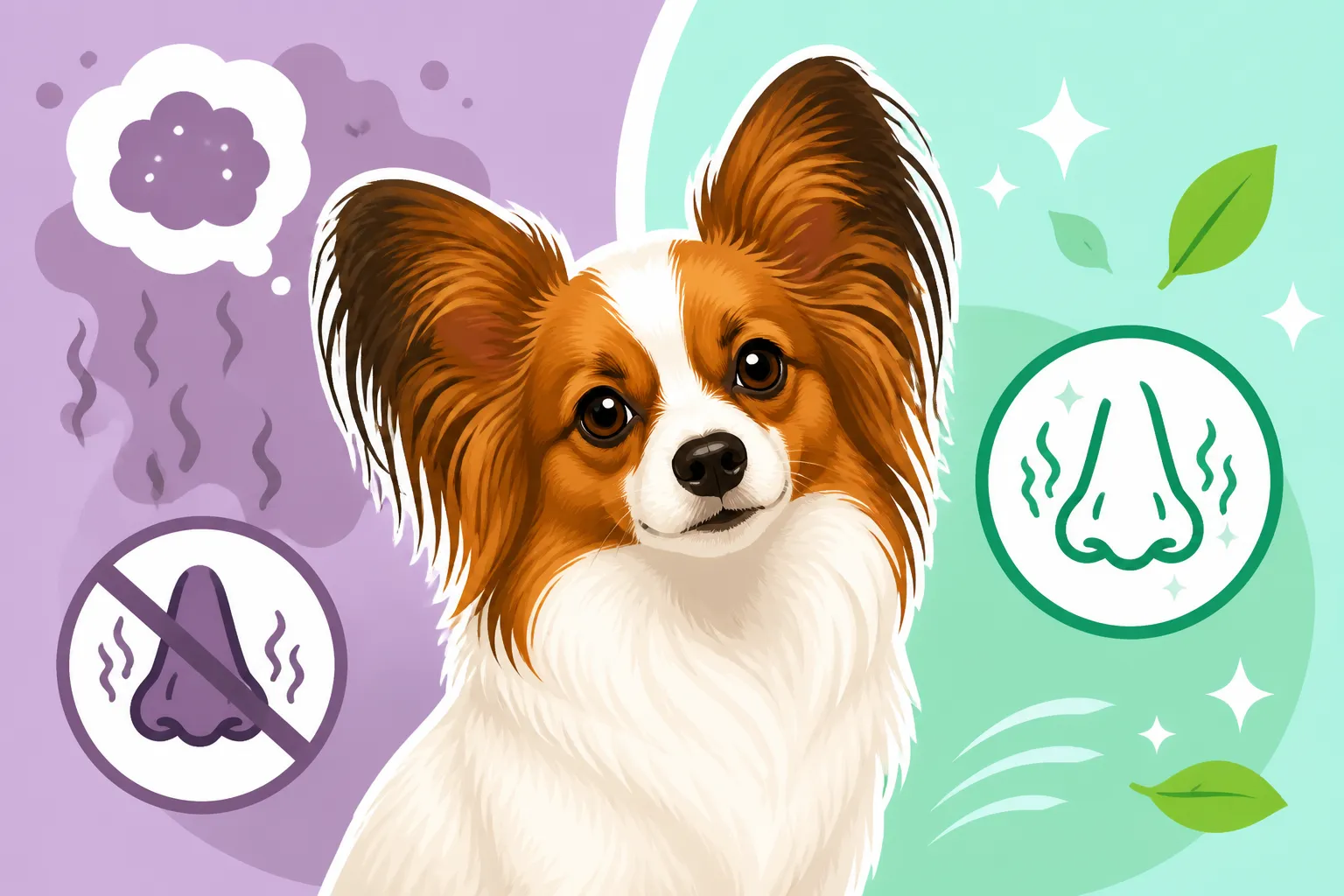
Many breeds, especially those developed for colder climates or water work, possess a dense undercoat. This undercoat is fantastic for insulation, but it can also trap dead hair, dander, and moisture, leading to that distinct musky "dog smell" many people associate with canines. The Papillon, with its elegant single coat, generally lacks this thick undercoat. This means less trapping of these odor-causing elements, and often, a much milder natural scent profile. You might find that a healthy, well-maintained Papillon has little to no discernible odor, or at most, a very light, clean "dog" scent that is hardly noticeable unless you bury your face in their fur. We've often heard owners say their Papillons smell like fresh laundry – and that's usually not an exaggeration! To understand more about their unique coat, you might find A Papillon's Coat Is All Fringe and No Undercoat an interesting read.
External Factors and the "Wet Dog" Phenomenon
While their coat is a natural advantage, it doesn't make them immune to external factors. If your Papillon decides to roll in something unspeakable in the yard (a common doggie pastime, unfortunately!), or gets thoroughly soaked in the rain, they can certainly develop an odor. The classic "wet dog smell" isn't exclusive to breeds with undercoats; it's caused by yeast and bacteria on the skin producing volatile compounds as their skin and fur dry. Even a Papillon, after a romp in the sprinklers or an unexpected downpour, can get that specific scent. The good news is, once they're properly dried and clean, that particular smell dissipates fairly quickly thanks to their less dense coat.
Common Causes of Odor in Papillons
If your Papillon is developing a persistent or unpleasant smell, it's rarely just "being a dog." More often than not, there's an underlying cause that needs addressing. It's important not to just mask the smell but to find the root of the problem.
Dental Dilemmas and Bad Breath
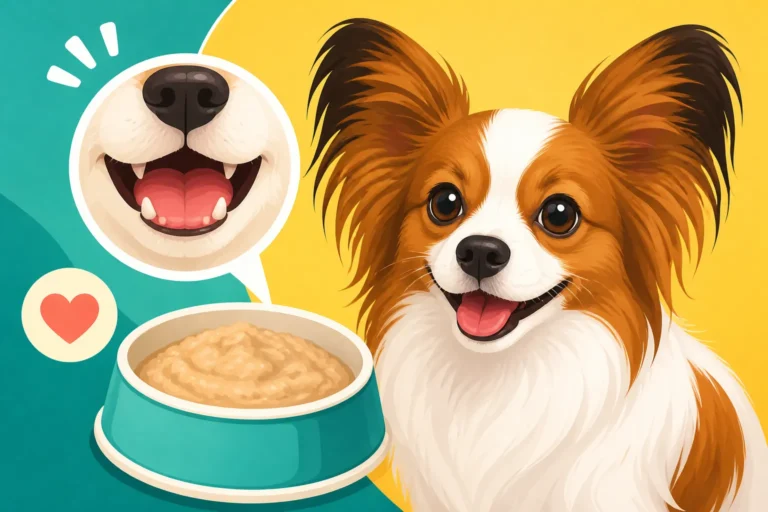
This is perhaps the most common source of foul odors in small breeds like the Papillon. Their tiny mouths are prone to overcrowding, which creates perfect little pockets for food particles, plaque, and tartar to accumulate. Over time, this buildup leads to dental disease, gum inflammation, and a truly offensive smell that can make cuddling a challenge. You might notice your Papillon's breath smells like something has died in their mouth, or a general putrid odor.
It's not just an unpleasant smell; severe dental disease can lead to pain, tooth loss, and even systemic infections affecting other organs. Getting a handle on their oral hygiene is crucial. This topic is so vital for Papillons; you might want to look into The Teeth in a Papillon's Small Jaw and How Common Dental Disease Is in Papillons for more in-depth information. Regular dental care is not just cosmetic; it's a critical part of their overall health.
Ear Infections and Yeast Overgrowth
Papillons are famous for their beautiful, large, butterfly-like ears, adorned with long, silky fringes. While stunning, these ears can sometimes be prone to issues if not cared for properly. If moisture gets trapped, or if allergies are at play, an ear infection or yeast overgrowth can occur. These often manifest with a distinct, yeasty, sometimes sweet but sickly odor emanating directly from the ears. You might also notice your Papillon shaking their head, scratching at their ears, or a reddish-brown discharge.
Regularly checking and gently cleaning your Papillon's ears, especially after bathing or swimming, is essential. Understanding Whether a Papillon's Ear Hair Traps Moisture can help you prevent these issues. Don't insert anything deep into the ear canal; a damp cotton ball or a vet-approved ear cleaner on a swab for the outer ear is usually sufficient.
Skin Issues and Other Unpleasantries
Beyond dental and ear problems, a Papillon can develop odors from various skin conditions.
- Allergies: Just like people, dogs can suffer from environmental or food allergies. These often manifest as itchy skin, leading to excessive licking, chewing, and scratching. This constant irritation can break the skin barrier, allowing bacteria and yeast to flourish, creating a musty or rancid smell.
- Skin Infections: Bacterial or yeast infections can develop if the skin is compromised, or due to underlying issues. These produce distinct odors, often described as rancid or sickly sweet. You might see redness, flakiness, or greasy patches.
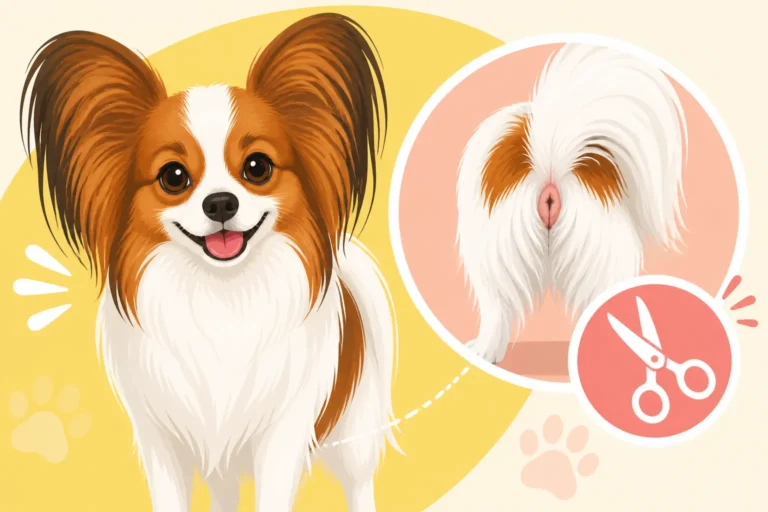
- Anal Gland Issues: This is a less common but very potent source of odor. Dogs have two anal glands, which are usually expressed naturally when they defecate. If these glands become impacted or infected, they can emit a very strong, fishy, and unpleasant smell. You might notice your Papillon scooting their rear on the ground or licking the area excessively. A vet visit is crucial for this issue.
Strategies for Keeping Your Papillon Fresh
Now that we've covered the potential culprits, let's talk about how to keep your Papillon smelling like the delightful companion they are meant to be. It's all about a consistent routine of grooming, proactive health care, and good environmental management.
A Regular Grooming Routine
This is your first line of defense against odors. A Papillon's single coat is relatively easy to care for compared to some other long-haired breeds, but it still needs attention.
- Brushing: Regular brushing, several times a week, helps remove loose hair, dirt, and prevents mats. Mats can trap moisture and debris, leading to skin irritation and odor. A good, thorough brushing session also helps distribute natural skin oils, which contributes to a healthy coat. For more on this, check out How Often a Papillon Needs Brushing and Why a Papillon's Long Coat Takes Twenty Minutes a Week.
- Bathing: How often you bathe your Papillon depends on their activity level and coat condition. Some Papillons might need a bath every 2-4 weeks, while others can go longer. Over-bathing can strip natural oils, leading to dry, irritated skin, so find a balance that works for your dog. Use a gentle dog-specific shampoo. Follow up with a good conditioner to keep their silky coat soft and manageable. After bathing, ensure your Papillon is thoroughly dried, especially in their feathering, to prevent that "wet dog" smell from lingering. You can learn more about this in How Often a Papillon Should Be Bathed.
- Nail Trims: While not directly odor-related, overgrown nails can affect their gait, leading to other issues. Regular trims are part of overall hygiene.
Proactive Health Management
Many odors stem from underlying health issues, so a proactive approach to your Papillon's well-being is paramount.
- Dental Care: Daily tooth brushing is the gold standard for preventing dental disease. Use a dog-specific toothbrush and toothpaste. Even with regular brushing, most Papillons will need professional dental cleanings under anesthesia every few years. Discuss a dental care plan with your veterinarian; they can recommend products or procedures. You can find excellent dog dental care supplies on platforms like Chewy or Amazon.
- Ear Checks: Make it a habit to peek into your Papillon's ears a couple of times a week. Look for redness, swelling, or discharge, and sniff for any unusual odors. If you notice anything concerning, consult your vet immediately.
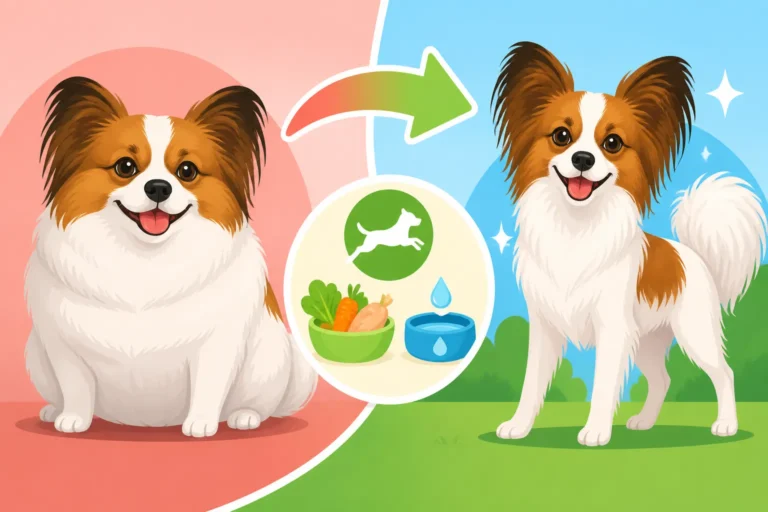
- Balanced Diet: A high-quality diet plays a huge role in skin and coat health, which in turn impacts odor. Avoid foods with excessive fillers or common allergens if your Papillon shows signs of sensitivity. Some owners choose fresh, balanced diets from services like Ollie, or find premium kibbles on Chewy, which can significantly improve coat condition and reduce skin issues. Remember that a Papillon typically weighs very little, so selecting appropriate food, as discussed in Feeding a Papillon That Weighs Seven Pounds, is critical.
- Regular Vet Check-ups: Annual wellness exams are crucial for catching health issues early. Your vet can identify skin infections, dental problems, anal gland issues, or other underlying conditions that might be causing an odor. They can also advise on necessary tests, such as What a Papillon's Yearly Bloodwork Should Cover, to ensure everything is functioning correctly.
Environmental Factors and Quick Fixes
Sometimes, odors are just part of life with a curious dog!
- Avoid Odor Traps: Try to prevent your Papillon from rolling in mud, puddles, or anything else stinky outside. It's not always possible, but good leash manners and vigilance can help.
- Clean Bedding: Just like our own sheets, a dog's bedding can accumulate oils, dirt, and odors. Wash your Papillon's bed covers regularly using a pet-safe detergent.
- Quick Clean-ups: For minor messes or light localized odors, pet-safe wipes or a dry shampoo can be a temporary solution between baths. These can be easily found on Amazon.
Here's a quick summary of common odor sources and their solutions:
| Odor Source | Description | Solution |
|---|---|---|
| Bad Breath | Rotten, fishy, or sickly sweet smell from mouth. | Daily tooth brushing, professional dental cleanings. |
| Ears | Yeasty, sweet, or foul smell from inside ears. | Regular ear checks and cleaning, vet visit for infection. |
| Skin/Coat | Musty, greasy, or strong "dog" smell, even after bathing. | Regular brushing, appropriate bathing, address allergies/skin infections. |
| Anal Glands | Strong, fishy smell, often accompanied by scooting. | Vet check-up for expression or treatment. |
| External/Wet Dog | Temporary musty smell after getting wet or rolling in something. | Thorough drying after baths/wet adventures, immediate clean-up. |
| Diet | General unpleasant body odor or gas. | High-quality, balanced diet; consult vet if suspect food sensitivities. |
Ultimately, a healthy Papillon should not have a strong, offensive odor. If you notice a persistent smell, view it as a signal that something needs attention, and don't hesitate to consult your veterinarian. With proper care, your Papillon will be a delightful, sweet-smelling companion for years to come, and you won't have to wonder Caring for an Aging Papillon and trying to decipher new smells!
Disclaimer
This article is for general informational purposes only and does not constitute professional advice. Laws, prices and regulations vary by location and change over time. Consult a qualified professional for guidance on your specific situation.