Whether a Papillon Gets Dry Skin
It’s incredibly disheartening when you notice your beloved Papillon constantly scratching, or when you part their gorgeous, flowing coat to find flaky, irritated skin underneath. Many of us automatically jump to the worst conclusions, like allergies or parasites, but sometimes the culprit is simply dry skin. This guide will walk you through why Papillons can be prone to dry skin, how to spot the signs, what might be causing it, and most importantly, how to bring relief and keep their delicate skin healthy and comfortable.
Understanding Papillon Skin and Coat
When we think of a Papillon, the first thing that often comes to mind is their stunning, elegant coat and those magnificent butterfly ears. But beneath all that beauty lies a delicate skin that needs just as much attention as the luxurious hair it produces. Understanding the unique characteristics of a Papillon’s skin and coat is the first step in recognizing and addressing dry skin issues.
The Papillon's Unique Coat Structure
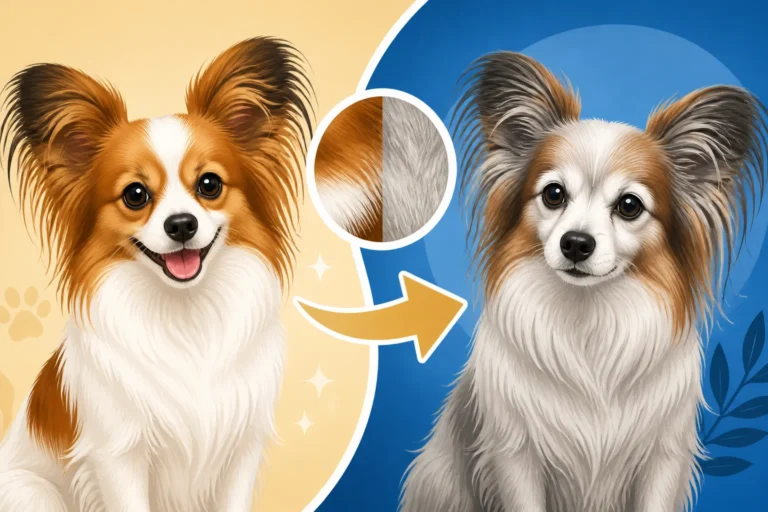
Unlike many breeds with thick, double coats designed for harsh weather, the Papillon boasts a single coat. This means they don't have that dense, insulating undercoat that breeds like Huskies or Pomeranians possess. Instead, their coat is described as A Papillon's Coat Is All Fringe and No Undercoat, which gives them that flowing, silky texture we all adore. This single-layer construction means their skin is more exposed to environmental elements than dogs with thicker, more protective fur. Think of it like a fine silk blouse versus a heavy wool sweater – one offers less barrier against the outside world.
Because their coat lacks the natural oils produced by an undercoat, the skin underneath relies heavily on proper nutrition and external care to maintain its moisture barrier. This is a crucial point because it means that factors that might barely affect a double-coated breed could lead to significant dryness for a Papillon. Their beautiful Why a Papillon's Coat Is Called Silky coat, while relatively easy to maintain in terms of matting, offers less natural protection to the skin from dehydration or irritation compared to a dense undercoat that traps humidity and sebum.
Common Environmental Factors Affecting Skin
Our homes, as comfortable as they are for us, can sometimes be harsh on a Papillon's delicate skin. The very air around them plays a huge role in skin hydration. For instance, in colder months, when we crank up the central heating, the air inside our homes becomes incredibly dry. This low humidity essentially sucks moisture right out of your Papillon’s skin, leaving it parched and flaky. It's the same reason our own hands get chapped in winter!
Conversely, even in humid environments, if the air is too stagnant or if your Papillon spends a lot of time on damp surfaces, it can also lead to issues. More often, though, it's the lack of moisture in the air that causes problems. Dust, pollen, and other airborne allergens can also settle on the skin, causing irritation that exacerbates dryness, especially if the dog is already prone to sensitivities. Consider that your Papillon is closer to the ground, where these particles often accumulate, making them more susceptible.
Recognizing the Signs of Dry Skin in Your Papillon
Sometimes, dry skin can be subtle, hiding beneath that beautiful long coat. Other times, it's glaringly obvious. Learning to spot the signs early can save your Papillon a lot of discomfort and prevent minor issues from escalating into more serious problems.
Visual Cues: Flakes, Redness, and Dull Coat
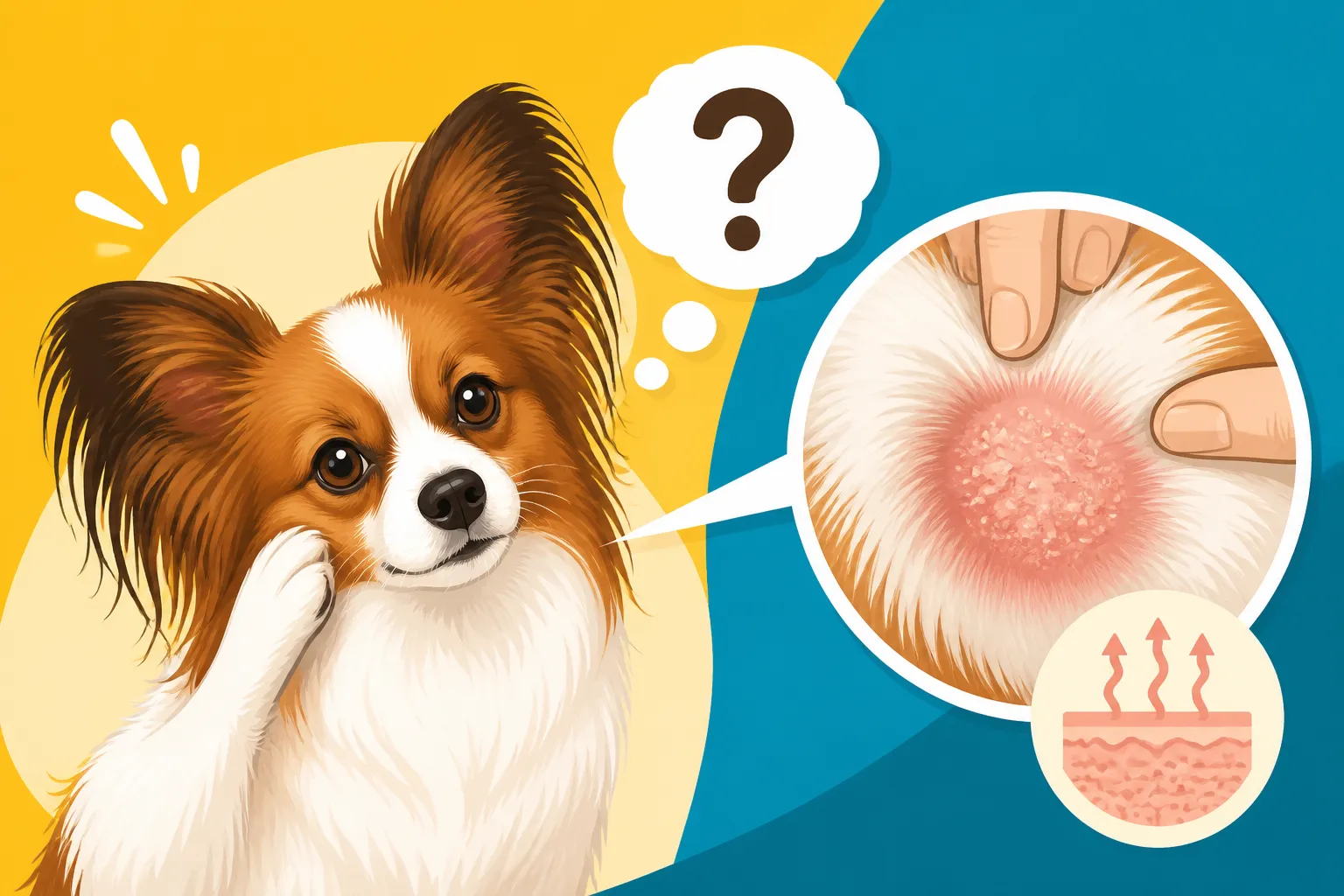
The most classic sign of dry skin is, of course, flakes. If you notice tiny white or grayish flakes when you part your Papillon’s fur, especially along their back or flanks, that’s a pretty clear indicator. These aren't necessarily dandruff, but rather dehydrated skin cells shedding more rapidly than usual. In more severe cases, the skin itself might appear noticeably red or inflamed, particularly in areas where they might be scratching or licking more. This redness suggests irritation and can sometimes be accompanied by small bumps or scabs if the skin barrier has been compromised.
Another visual cue is a dull or brittle-looking coat. While a healthy Papillon coat should be wonderfully Why a Papillon's Coat Is Called Silky, dry skin can lead to dry hair. The natural oils that keep the coat gleaming and soft are produced by healthy skin. If the skin is dry, it’s not producing enough of these oils, leading to a lackluster, coarse, or even brittle texture. Sometimes, the hair around the affected areas might even thin slightly, though this is usually a sign of more persistent irritation or an underlying issue. Don’t just admire the top layer of fluff; regularly part their coat and inspect the skin beneath, especially in less visible spots like the belly or armpits.
Behavioral Indicators: Itching and Discomfort
Beyond what you see, your Papillon's behavior can be a huge tell. The most common behavioral sign is persistent scratching. It might start subtly – an extra scratch behind the ear here, a quick rub against the furniture there. But if you notice your Papillon scratching much more frequently than usual, especially outside of typical grooming times, dry skin is a strong possibility. This itching can be generalized, or focused on specific areas that are particularly dry or irritated.
You might also observe excessive licking, particularly on their paws or belly. Licking can be a self-soothing behavior, but it can also worsen the problem, introducing moisture that then evaporates and dries the skin further, or even leading to secondary yeast or bacterial infections. Rubbing against furniture, rolling on the carpet more than usual, or even nipping at their skin are all indicators of discomfort. It's important to differentiate this from occasional, normal itching that all dogs do. If it's disruptive, relentless, or leaves visible marks on their skin or coat, it's time to investigate. Sometimes a Papillon will hide their discomfort, so be observant.
Common Causes of Dry Skin in Papillons
Pinpointing the exact cause of dry skin can sometimes feel like detective work, but it’s crucial for effective treatment. Dry skin isn't just about a lack of moisture; it can be a symptom of various internal or external factors.
Dietary Deficiencies and Allergies
What goes into your Papillon's bowl has a profound impact on their skin and coat health. A diet lacking in essential fatty acids, particularly Omega-3s and Omega-6s, is a very common culprit for dry, flaky skin. These fats are vital for maintaining the skin's natural barrier and keeping it supple and moisturized. If your Papillon is on a lower-quality kibble, it might not be getting enough of these crucial nutrients. Switching to a high-quality food, perhaps one from a brand like Ollie, which focuses on fresh, whole ingredients, or exploring a variety of premium options available on Chewy, can make a huge difference.
Beyond just deficiencies, food allergies can also manifest as skin issues, including dryness, redness, and intense itching. Common allergens include chicken, beef, dairy, wheat, and soy. If you suspect a food allergy, a veterinary-guided elimination diet is often the best approach to identify the trigger. It’s important to remember that diagnosing food allergies can be a long process, but the relief your Papillon will feel is well worth the effort. Poor hydration, or simply not drinking enough fresh water throughout the day, can also contribute to overall skin dryness, much like it does for us. Make sure your Papillon always has access to clean, fresh water. If you're wondering how much water your little friend should be drinking, you might find our guide How Much Water a Papillon Drinks a Day helpful.
Bathing Habits and Product Choices
We all want our Papillons to be clean and smell lovely, but our bathing routines can sometimes inadvertently strip their skin of its natural protective oils. Over-bathing is a frequent cause of dry skin, especially if you're using shampoos that are too harsh or not formulated for dogs. Products designed for humans, for example, have a different pH balance and can severely irritate canine skin. Even some dog shampoos, particularly those with strong degreasers or artificial fragrances, can be overly drying.
The type of shampoo and conditioner you use matters immensely. Look for hypoallergenic, moisturizing, or oatmeal-based shampoos specifically designed for sensitive dog skin. After shampooing, always follow with a good conditioner to help lock in moisture. For more specific advice on products, our article Which Shampoo Suits a Papillon's Coat delves deeper into choosing the right one. And on the topic of frequency, while Papillons generally have a fairly low-maintenance coat, it's worth reading up on How Often a Papillon Should Be Bathed to ensure you're striking the right balance for their skin health. When shopping for these products, online retailers like Amazon offer a vast selection, allowing you to read reviews and compare ingredients to find the perfect gentle solution.
Underlying Health Issues and Parasites
Sometimes, dry skin isn't just a surface problem; it's a symptom of a deeper, underlying health condition. Hormonal imbalances, such as hypothyroidism (an underactive thyroid), can lead to dry, flaky skin, as well as a dull coat and hair loss. If your Papillon has other symptoms like lethargy, weight gain, or an intolerance to cold, it’s definitely time for a veterinary check-up. We have a detailed guide on Whether a Papillon Gets Hypothyroidism which can provide more insight into this condition.
Parasites like mites (sarcoptic or demodectic mange) or even fleas can cause intense itching, redness, and secondary skin issues that present as dryness and flaking due to the constant irritation. A fungal infection, such as ringworm, can also lead to dry, scaly patches and hair loss. If you've tried dietary changes and adjusting your grooming routine without success, or if your Papillon’s symptoms are severe, suddenly appeared, or are accompanied by other signs of illness, a trip to the vet is absolutely essential. They can perform diagnostic tests, such as skin scrapings or bloodwork, to rule out or confirm these more serious causes. Understanding What a Papillon's Yearly Bloodwork Should Cover can also give you an idea of the comprehensive health checks your vet might recommend.
Effective Strategies for Preventing and Treating Dry Papillon Skin
The good news is that for most cases of dry skin, there are very effective strategies you can implement at home. For more stubborn or medically complex situations, your veterinarian is your best partner.
Optimizing Diet and Hydration
As mentioned, diet plays a starring role in skin health. To combat dry skin, focus on providing a high-quality diet rich in Omega-3 and Omega-6 fatty acids. Many premium dog foods include these, but you can also supplement with fish oil (salmon, krill, or sardine oil) or flaxseed oil. Always start with a small dose and gradually increase, and discuss any supplements with your vet. Some owners also find adding a spoonful of pureed pumpkin or sweet potato to their Papillon's meal provides additional vitamins and fiber beneficial for overall health. If you are considering a new diet or kibble, understanding Which Kibble a Papillon Can Actually Pick Up can be surprisingly helpful as Papillons have very small mouths!
Hydration isn't just about food; it's about water intake. Ensure your Papillon always has access to fresh, clean water. You might consider adding a pet water fountain, which can encourage some dogs to drink more due to the circulating, fresh water. For picky drinkers, a little splash of low-sodium chicken broth or goat milk in their water can sometimes entice them. Adequate internal hydration is foundational for supple, healthy skin.
Proper Grooming Techniques and Products
Your grooming routine is crucial. First, avoid over-bathing. For most Papillons, a bath every 3-4 weeks is sufficient, unless they’ve gotten particularly dirty. When you do bathe them, use a gentle, moisturizing shampoo specifically formulated for dogs. Hypoallergenic oatmeal shampoos are often excellent choices for sensitive or dry skin. Always follow with a good quality canine conditioner, letting it sit for a few minutes before rinsing thoroughly. Ensure all shampoo and conditioner is rinsed out, as residue can be irritating.
Regular brushing, even between baths, is also incredibly important. Brushing helps to distribute natural oils throughout their coat and stimulates blood flow to the skin. For a Papillon's delicate single coat, a good pin brush or a soft slicker brush works wonders. Our guide Which Brush a Papillon Needs provides excellent recommendations. Gentle daily or every-other-day brushing of their long hair will not only prevent mats but also keep their skin healthy. Pay special attention to areas prone to dryness or mats, like behind the ears, under the legs, and the culottes.
Environmental Adjustments
Making small tweaks to your home environment can have a big impact on your Papillon's dry skin. During dry seasons or if you live in an arid climate, consider using a humidifier in the rooms where your Papillon spends the most time, especially in their sleeping area. This adds moisture back into the air, helping to prevent skin dehydration.
Also, be mindful of direct heat sources. Letting your Papillon sleep right next to a heating vent or radiator can dry out their skin. Ensure their bedding is clean and soft, providing a comfortable, non-irritating surface. If your Papillon spends time outdoors, be aware of sun exposure, which can also dry out skin, particularly on areas with less fur. While Papillons love to be outside, limit their time in harsh direct sun during peak hours. If you suspect Whether a Papillon Gets Skin Allergies, minimizing exposure to environmental allergens like pollen or dust by regular vacuuming and air filters can also help reduce skin irritation.
Veterinary Consultation and Medical Interventions
If you’ve diligently followed all the home care suggestions for a few weeks and your Papillon’s dry skin persists or worsens, it’s definitely time for a veterinary visit. Persistent dry skin, especially when accompanied by intense itching, redness, hair loss, or scabs, could indicate a more serious underlying issue. Your vet can perform a thorough examination, including skin scrapings to check for mites, fungal cultures, or blood tests to evaluate for conditions like hypothyroidism or allergies.
Depending on the diagnosis, your vet might recommend specific medicated shampoos, topical treatments, oral medications (such as antihistamines, anti-inflammatories, or antibiotics if a secondary infection is present), or prescription diets. They can also provide guidance on managing severe allergies or hormonal imbalances. Never self-diagnose or administer medications without professional advice. Early and accurate diagnosis is key to providing your cherished Papillon with the most effective relief and long-term skin health.
| Cause of Dry Skin | Common Signs | Recommended Action | When to See a Vet |
|---|---|---|---|
| Dietary Deficiencies | Flaky skin, dull coat, lack of luster | Upgrade to high-quality dog food, add Omega-3/6 supplements (e.g., fish oil). Ensure adequate water intake. | If no improvement after 4-6 weeks of dietary change. |
| Over-bathing/Harsh Products | Dry flakes, redness, irritation after bath | Reduce bathing frequency, use hypoallergenic moisturizing dog shampoo and conditioner. Rinse thoroughly. | If skin remains irritated or develops infection after changes. |
| Environmental Dryness | Generalized flaking, especially in winter | Use a humidifier, keep dog away from direct heat sources. | If humidifiers don't help and itching persists. |
| Allergies (Food/Environmental) | Intense itching, redness, paw licking, ear issues | Dietary elimination trial for food allergies, minimize allergen exposure (dust, pollen). Antihistamines (vet approved). | For diagnosis, prescription medications, or severe reactions. |
| Parasites (Mites/Fleas) | Intense itching, scabs, hair loss, localized redness | Regular flea/tick prevention. Vet for skin scrapings to diagnose mites. | Immediately if you suspect parasites, especially mites. |
| Hormonal Imbalance (e.g., Hypothyroidism) | Symmetrical hair loss, dull coat, lethargy, weight gain | Veterinary blood tests for diagnosis. | Immediately if these systemic signs are present. |
Disclaimer
This article is for general informational purposes only and does not constitute professional advice. Laws, prices and regulations vary by location and change over time. Consult a qualified professional for guidance on your specific situation.