How to Feel a Papillon’s Ribs
It's incredibly easy to worry about your tiny Papillon's weight. Their luxurious, flowing coats can hide a lot, making it tough to know if they're too thin, just right, or carrying a few extra ounces. This guide will walk you through a simple, hands-on method to feel your Papillon's ribs, helping you confidently assess their body condition and ensure they're on the path to a long, healthy life.
Why Feeling Your Papillon's Ribs Is Crucial
You might think a quick glance is enough, but with a Papillon's glorious ear fringe and impressive tail plume, their actual body shape can be a mystery under all that fluff. Visual assessment alone is often misleading, and that's where the "rib test" comes in. For such a small, delicate breed, maintaining an ideal weight isn't just about aesthetics; it's a critical component of their overall health and well-being.
The Hidden Dangers of Being Overweight
Even a couple of extra ounces on a seven-pound Papillon can be the equivalent of a human carrying an extra ten or fifteen pounds. This added stress puts undue pressure on their small joints, particularly their knees. Papillons are already prone to conditions like Patellar Luxation Is the Papillon Problem You Will Actually Meet, where the kneecap can slip out of place. Being overweight dramatically increases the likelihood of this happening or exacerbates an existing condition. Imagine trying to run an agility course, which many Papillons absolutely adore, with constantly protesting knees. Over time, that extra weight contributes to arthritis, reducing their mobility and quality of life significantly as they age. We know that Why an Overweight Papillon Strains Its Knees is a serious consideration for this breed.
Beyond orthopedic concerns, excess weight can also lead to other health problems, just like in humans. It can contribute to heart issues, diabetes, and even impact their ability to tolerate anesthesia should they need surgery, such as for routine dental cleanings. Given that How Common Dental Disease Is in Papillons is high, any procedure involving anesthesia should be approached with optimum health in mind.
The Risks of Being Underweight
While less common for many pampered Papillons, being underweight can also signal underlying health problems. A Papillon that's too thin might not be getting enough nutrients, could be struggling with parasites, or could have a more serious metabolic issue. Puppies, especially, are susceptible to hypoglycemia (low blood sugar) if they don't eat regularly, and an underweight puppy is at higher risk. If you notice Signs a Papillon Puppy Is Not Thriving, checking their body condition, including their ribs, is an immediate first step to assess their nutritional status. For an adult, an unexplained weight loss could be a sign of illness, warranting a trip to the vet. It's about finding that perfect balance where they are lean, muscular, and full of vigor, ready for whatever adventure you throw their way.
The Hands-On Method: How to Actually Feel for Ribs
It might sound a bit daunting at first, like you need to be a vet to do it right, but I promise it's something any Papillon owner can learn. The key is to be gentle and patient. This isn't a wrestling match; it's a gentle health check that should be a positive experience for your little butterfly dog.
Preparing for Your Palpation Session
First things first, choose a calm moment when your Papillon is relaxed. Maybe after a walk, or when they're snuggled up on your lap. Avoid doing this when they're hyped up for a game of fetch or have just finished eating. You want them to be still and comfortable. A gentle stroke and some sweet talk will go a long way.
Positioning is also important. If they're small enough, you can have them stand on a non-slip surface, like a yoga mat on the floor, or gently hold them while they stand on a table. The goal is to have them standing squarely, not hunched or stretched, so their body shape is natural.
Step-by-Step Guide to Feeling the Ribs
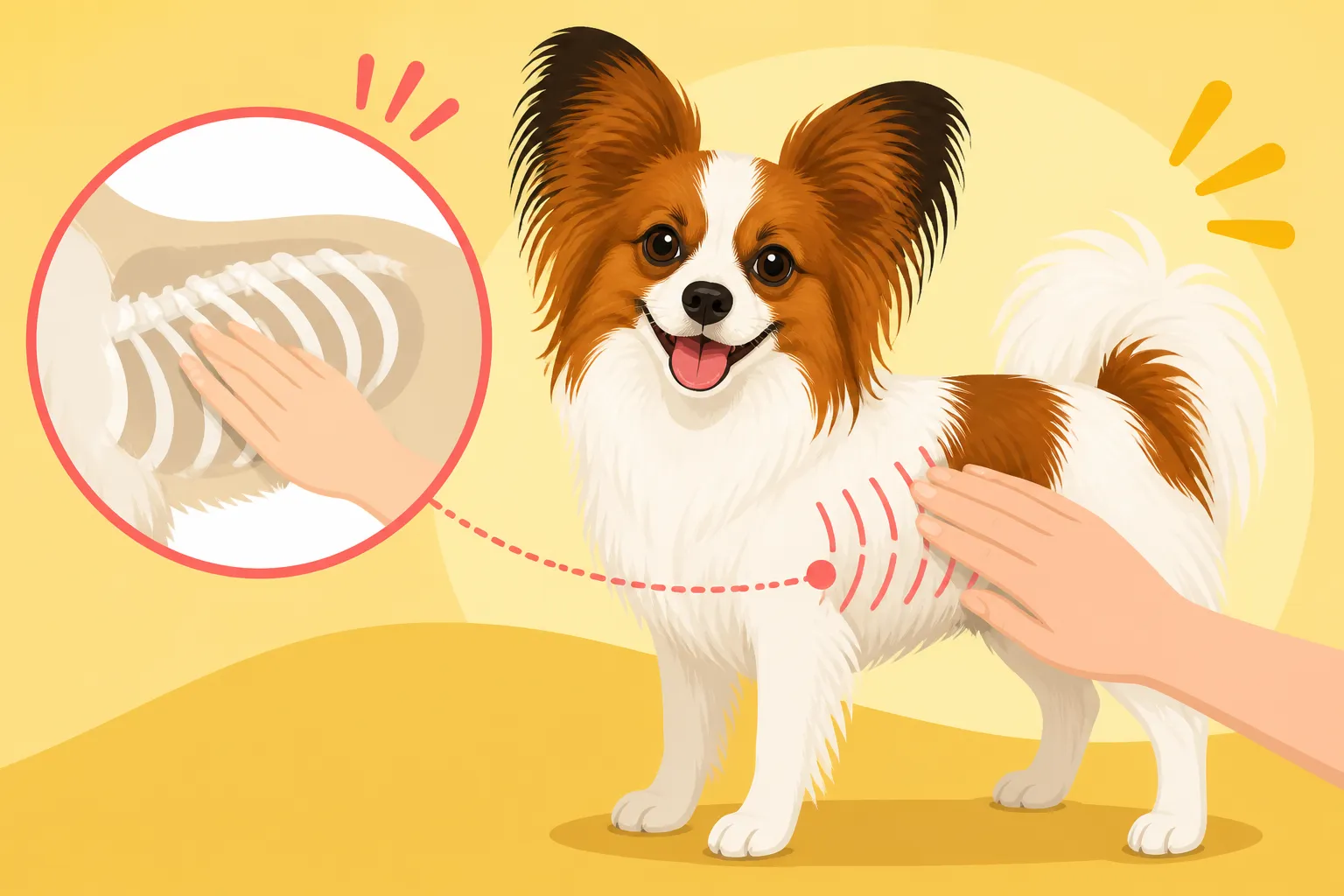
- Locate the Rib Cage: Start by placing both of your hands gently on either side of your Papillon's chest, just behind their front legs. You're looking for the area where their ribs start to curve. Don't press hard; just a light, reassuring touch.
- Use Your Fingertips: Now, using the pads of your fingers, gently run them along your dog's side, moving backward towards their waist. Imagine you're very lightly "raking" your fingers across their rib cage.
- The Goldilocks Principle: What you're aiming to feel is like trying to feel the knuckles on your own hand. You should be able to feel each individual rib, but not see them prominently. There should be a very thin layer of fat covering them. If you can count each rib clearly without any pressure, your dog might be too thin. If you have to press firmly to feel them, or you can't feel them at all, they're likely carrying too much weight.
- Practice Makes Perfect: Don't expect to get it right on the first try. It takes a little practice to differentiate between fur, muscle, and bone. Repeat the process a few times, gently moving your hands, until you start to get a consistent feel. Reward your Papillon with praise or a tiny, healthy treat (perhaps a piece of kibble from their daily ration) for their cooperation. This will make them more accepting of future checks.
What Your Fingers Are Telling You: Interpreting the Rib Test
Once you've got the hang of feeling those ribs, the next step is interpreting what your fingertips are communicating about your Papillon's body condition. This isn't an exact science, but it gives you a fantastic baseline for monitoring their weight.
The Ideal Body Condition
In an ideal Papillon, you should be able to easily feel the ribs without having to press hard, but they shouldn't be visibly prominent or sharp to the touch. There should be a slight, palpable layer of fat over them. Think of it like feeling the back of your hand – you can feel the bones, but they're not jutting out. This indicates a healthy, lean body condition, perfect for their active lifestyle. Your Papillon should also have a noticeable waist when viewed from above, and an abdominal tuck when viewed from the side, meaning their belly slopes up from their rib cage to their hind legs.
Signs of Being Overweight
If you have to press quite firmly to feel your Papillon's ribs, or you can't feel them at all, they are likely overweight. This means there's a significant layer of fat obscuring the bones. Visually, an overweight Papillon might appear more barrel-chested, with no discernible waist or abdominal tuck. Their tail base might also feel thicker, and you might see fat deposits over their hips. This is where you really need to consider Getting Weight Off a Papillon to protect their long-term health.
Indicators of Being Underweight
On the flip side, if your Papillon's ribs are very prominent and easily visible, or feel sharp and distinct with no fat covering, they are likely underweight. You might also notice their hip bones and backbone are visible or easily felt. They might lack muscle mass, especially over their hindquarters. While less common, this warrants a vet visit to rule out any underlying health issues and adjust their diet.
Here's a quick reference table to help you:
| Body Condition | Rib Palpation | Visual Cues | General Feel | Action Recommended |
|---|---|---|---|---|
| Ideal | Easily felt, thin fat layer | Visible waist, abdominal tuck | Lean, muscular | Maintain current care |
| Overweight | Hard to feel, covered by fat | No waist, rounded belly | Soft, padded | Consult vet, dietary adjustment |
| Underweight | Very prominent, sharp | Ribs/hips visible, no muscle | Bony, fragile | Consult vet, dietary increase |
Beyond the Ribs: Other Indicators of a Healthy Papillon Weight
While the rib test is incredibly effective, it's just one piece of the puzzle. A holistic assessment of your Papillon's body condition involves observing other physical and behavioral cues.
Visual Assessment from Above and Side
Take a good look at your Papillon from above while they're standing. Do you see a clear waistline, just behind their rib cage, before their hips? An ideal Papillon should have that hourglass figure. If they look more like a straight line or a cylinder, they might be overweight.
Now, look at them from the side. Their belly should tuck up slightly from their chest to their hind legs, not hang low or appear flat. This "abdominal tuck" is another key indicator of a healthy weight. Remember, the luxurious coat can still play tricks on your eyes here, so combine this with your hands-on rib check.
Muscle Mass and Energy Levels
A healthy Papillon should have good muscle tone, especially in their legs and hindquarters. Gently feel their thighs – they should feel firm, not flabby. Good muscle mass supports their joints and overall mobility.
Pay attention to their energy levels. A Papillon at a healthy weight is typically active, playful, and has plenty of stamina for walks and games. If your dog seems lethargic, struggles to keep up, or tires easily, it could be a sign of being overweight, or conversely, if they're too thin, they might lack the energy required for their normal activities. Papillons are known for their boundless energy and enjoyment of activities like agility; a dip in enthusiasm could signal a physical issue.
Regular Weigh-Ins
While not a substitute for the hands-on feel, regular weigh-ins can be a valuable tool, especially for such small dogs. Use a small, accurate digital scale. Many pet owners find a small kitchen scale or a baby scale useful for precise measurements. Keep a record of your Papillon's weight to track any changes over time. Consistency is key – weigh them at the same time of day (e.g., before breakfast) and ensure they haven't just had a big drink. This can help you catch subtle changes that might be harder to notice just by feel or sight. For specific weight goals or concerns, your vet can provide clear targets for How Much an Adult Papillon Eats and what their ideal weight range should be.
Maintaining a Healthy Weight: Diet, Exercise, and Vet Visits
Armed with the knowledge of how to assess your Papillon's body condition, the next step is to ensure you're providing the care they need to stay in that ideal range. It's a combination of proper nutrition, appropriate exercise, and regular professional oversight.
Tailored Nutrition for Tiny Tummies
Papillons don't eat a lot, but what they do eat needs to be high-quality and nutrient-dense. Always choose a premium dog food appropriate for small breeds, as these are often formulated with smaller kibble sizes that are easier for their delicate mouths to manage and contain the right balance of nutrients. Pay close attention to the feeding guidelines on the bag, but remember these are just starting points. Your individual dog's metabolism and activity level will determine their actual needs.
If your Papillon is a bit on the picky side, which some can be, you might explore different types of food. Brands like Ollie offer fresh food options that can be highly palatable. Always introduce new foods gradually to avoid digestive upset. Also, be mindful of treats! Those tiny morsels add up quickly for a small dog. Opt for low-calorie training treats or even small pieces of their regular kibble for training sessions. Chewy is a great resource for finding a wide variety of high-quality small-breed dog foods and healthy treats to suit your Papillon's needs.
Exercise Tailored for a Small but Mighty Dog
Papillons are active and intelligent, requiring regular mental and physical exercise. A healthy Papillon at an ideal weight loves to run, play, and explore. Daily walks, even short ones, are essential, but they also thrive on playtime in a securely fenced yard or indoor games like fetch and hide-and-seek. Mental stimulation, through puzzle toys or learning new tricks, is just as important as physical activity for these smart little dogs. This engagement helps burn calories and prevents boredom, which can sometimes lead to excessive treat-seeking.
If you have concerns about their knees, ensure that jumping off high furniture is minimized. Consider Whether Ramps Help a Papillon's Knees to give them safe access to beds and sofas. You can find many types of pet ramps and stairs on Amazon.
The Importance of Regular Veterinary Check-ups
Even with diligent home monitoring, regular veterinary check-ups are non-negotiable. Your vet can provide an objective assessment of your Papillon's body condition, discuss their ideal weight range, and offer personalized dietary and exercise recommendations. They can also detect any underlying health issues that might be affecting their weight, whether it's an issue with weight loss or gain.
During these visits, discuss any changes you've noticed in your Papillon's appetite, energy levels, or body condition. Your vet is your best partner in ensuring your little companion stays healthy and happy for all their wonderful years. This is especially true as they become seniors, as What Changes in an Aging Papillon's Care will require even closer attention to their weight and overall health.
Disclaimer
This article is for general informational purposes only and does not constitute professional advice. Laws, prices and regulations vary by location and change over time. Consult a qualified professional for guidance on your specific situation.