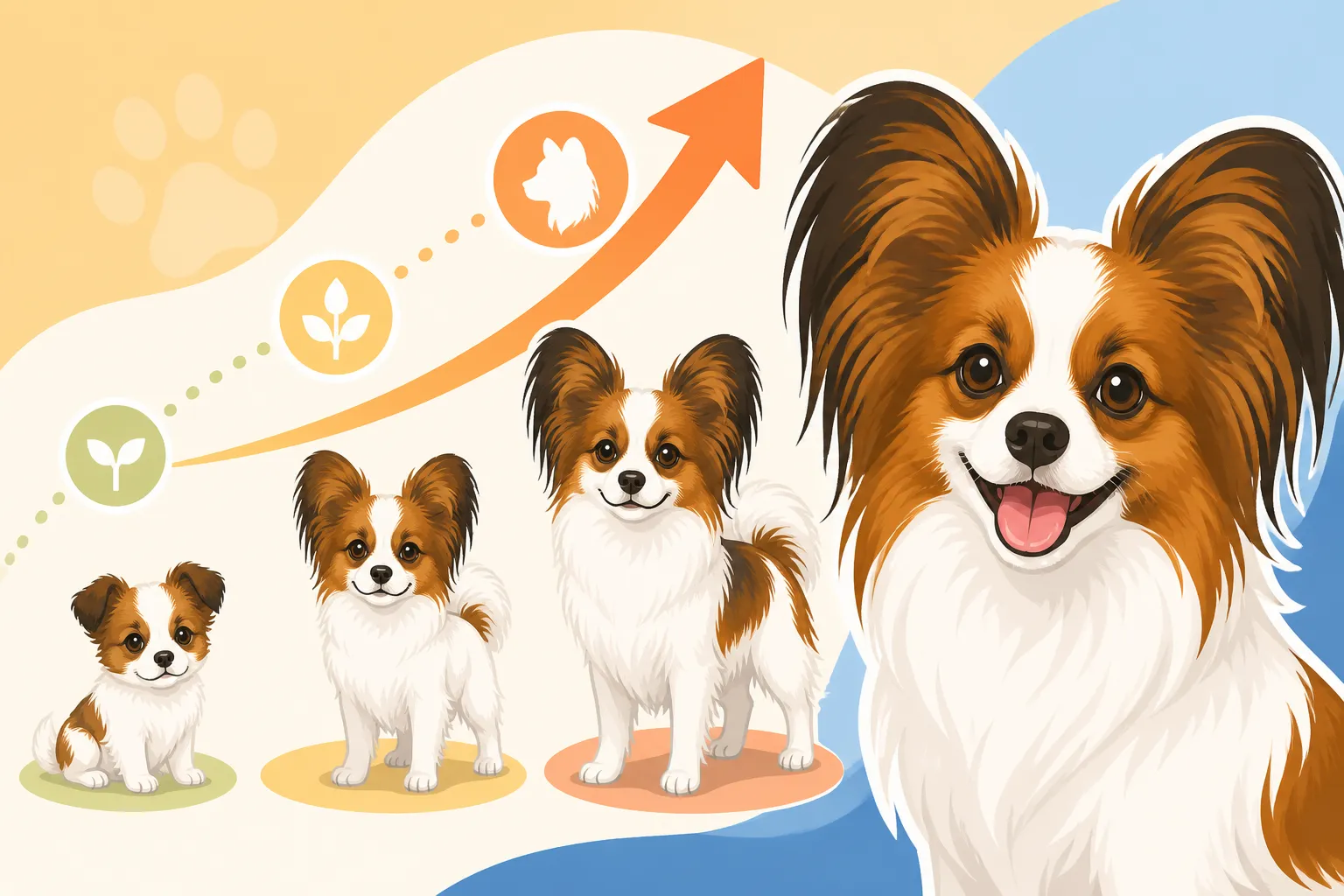
How Long a Papillon Keeps Filling Out
It’s a common worry among Papillon owners, especially when you have a tiny little fluffball bouncing around your home, that they might stop growing too soon or not quite develop into the sturdy, elegant dog you anticipate. You might see their legs get gangly, their ears seem too big for their head, and then suddenly, they seem to hit a plateau. But growth isn't just about height; it's also about filling out, building muscle, and reaching that wonderful mature physique. This guide will walk you through the various stages of a Papillon's development, explaining how long it truly takes for them to fill out and what you can do to support healthy growth.
Understanding Papillon Growth Stages
When we talk about a dog "filling out," we're really discussing the maturation of their body structure, the development of their muscles, and the solidifying of their adult proportions. For Papillons, like many small breeds, the process is a bit different than for their larger canine cousins. They might reach their full height surprisingly quickly, but the journey to becoming a truly "filled out" adult takes a bit longer.
Rapid Growth: Puppyhood to Young Adulthood (0-6 months)
This is the phase of explosive growth, where your tiny Papillon puppy seems to change almost daily. In these first few months, their bones are lengthening at an incredible rate, and they are quickly gaining height. You'll notice their legs getting longer, their bodies stretching out, and their ears often looking disproportionately large (which, let's be honest, is part of their adorable puppy charm!).
During this time, their primary focus is on skeletal growth. Think of it like building the framework of a house – all the beams and supports are going up. They might look quite slender and delicate, even a bit gawky at times, and that’s perfectly normal. Many Papillons will reach most of their adult height by around 6 to 8 months of age. Their weight will also increase steadily, but it's largely in proportion to their rapidly growing frame, not necessarily dense muscle or fat yet. Proper nutrition during this period is absolutely crucial to ensure strong bone development and overall health. If you're wondering about their long-term health, checking out resources like What a Papillon Breeder Should Have Tested can give you peace of mind from the start.
Filling Out: Adolescent to Mature Adult (6-18 months)
Once your Papillon has hit most of its adult height, usually around six to eight months, they enter the "filling out" phase. This is where their body begins to mature, muscles develop, and they gain the adult density and proportion that defines the breed. This isn't about getting taller; it's about getting broader, stronger, and more substantial. This stage can continue well into their second year.
During these months, you'll start to notice changes:
- Shoulder and Chest Development: Their chest will deepen, and their shoulders will become more defined. That delicate puppy frame starts to gain a more robust appearance.
- Muscle Tone: As they become more active and their play becomes more vigorous, their muscles will develop, giving them a more athletic and less "scrawny" look. Regular, appropriate exercise is key here.
- Head and Facial Structure: While their skull size doesn't change much after early puppyhood, their facial features can continue to refine, and their expression will mature.
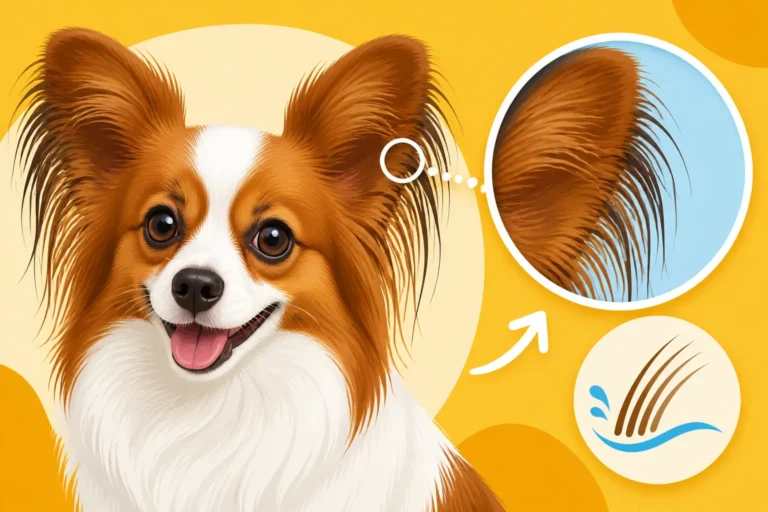
- Coat Development: The beautiful Papillon ear fringe and tail plume, along with the chest frill and culottes, will really start to fill in and lengthen during this period, adding to their overall mature appearance. This process of the coat reaching its full glory can even extend beyond 18 months, with some Papillons not having their fullest coat until two or three years old.
It's important to remember that this is a gradual process. Don't expect your Papillon to suddenly bulk up overnight. Instead, observe subtle changes over weeks and months. By 12 months, many Papillons will look quite adult, but they might still have a bit more filling out to do in terms of muscle mass and coat density over the next six months or even longer. For an idea of the timeline, The Age a Papillon Stops Growing provides more specifics on height.
Full Maturity: Beyond 18 Months
By the time your Papillon reaches 18 months to two years of age, they are generally considered fully mature. At this point, most of their "filling out" is complete. Their bone growth has stopped, their muscle development has largely peaked (though it can be maintained or improved with continued exercise), and their coat should be well on its way to its full length and density.
However, "full maturity" isn't a static state. Just like humans, dogs continue to change throughout their lives. An active Papillon will maintain good muscle tone, while a sedentary one might lose some of that definition. Their weight can fluctuate with diet and activity levels. Owners should focus on maintaining a healthy weight and activity level to keep their Papillon looking and feeling its best. As they age, their needs will shift, and resources like Caring for a Papillon Past Eleven become invaluable for senior care.
Factors Influencing a Papillon's Physical Development
While genetics lay the groundwork, several environmental factors play a significant role in how well and how completely a Papillon "fills out." Understanding these can help you support your dog's best possible development.
Genetics and Breed Lines
The blueprint for your Papillon's size, bone structure, and even the eventual density of their coat is largely written in their genes. If your Papillon comes from lines known for slightly more substantial bone and good muscle, they are more likely to fill out nicely. Conversely, if their lineage is on the finer-boned side, they might remain more delicate in appearance, even as adults.
Good breeders strive for dogs that fit the breed standard, which includes appropriate size, bone, and substance. They also consider health, and genetic testing can screen for certain conditions that might impact physical development or overall well-being. This is why choosing a reputable breeder is so important – they can provide insights into the typical growth patterns and adult size of their lines. Sometimes, the initial cost reflects this careful breeding, as discussed in What a Papillon Puppy Costs From a Breeder.
Nutrition and Diet Quality
Just like a house needs quality materials to be sturdy, a growing Papillon needs excellent nutrition to build strong bones and muscles. The type and quality of food you provide throughout their puppyhood and adolescence directly impact how well they "fill out."
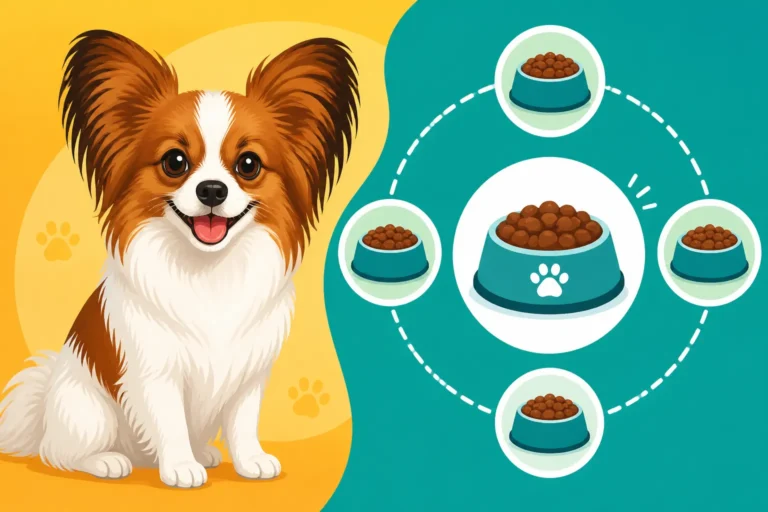
- Puppy Formulas: For the first year, a good quality puppy food is generally recommended. These formulas are specifically balanced with higher protein and fat content, as well as essential vitamins and minerals, to support rapid growth and development.
- Appropriate Calories: Overfeeding a puppy is just as detrimental as underfeeding. Too many calories can lead to rapid weight gain, putting undue stress on developing joints. On the other hand, too few calories can stunt growth and hinder muscle development. Following feeding guidelines on your chosen food (like those from reputable brands such as Chewy or Ollie) and adjusting based on your dog's individual activity level and body condition is key.
- Protein for Muscle: Adequate protein is essential for muscle development. Look for foods where a high-quality animal protein source is the first ingredient. As they transition from puppy food to adult formula around 10-12 months, ensure the adult food continues to provide balanced nutrition. How Much an Adult Papillon Eats gives a good overview of their dietary needs.
It’s a balancing act to ensure they get enough fuel for growth without becoming overweight, which can cause its own set of problems, especially for a breed prone to patellar luxation.
Exercise and Muscle Development
While a Papillon's inherent bone structure is genetic, their muscle tone and definition are very much influenced by their activity level. Proper exercise isn't just about burning off energy; it's about building and maintaining healthy muscle mass.
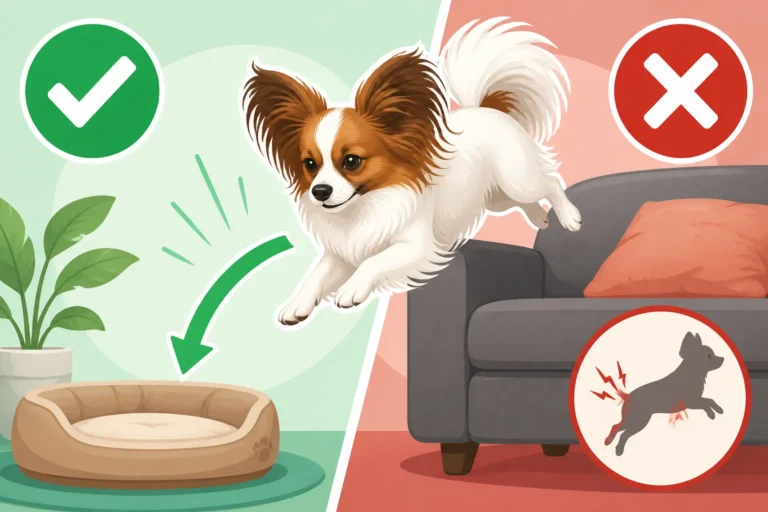
- Appropriate Play: Puppy play, short walks, and safe, supervised off-leash romps in a secure area are all excellent for building stamina and muscle. Avoid excessive or high-impact activities while their growth plates are still open, generally until around 12 months of age, to protect delicate joints.
- Consistency: Regular, moderate exercise throughout their adolescence and into adulthood will help your Papillon develop and maintain a lean, muscular physique. Think about what a Papillon needs every day for exercise, which includes mental stimulation too.
- Mindful Activity: Papillons are active and intelligent dogs, often excelling in sports like agility. However, it's vital to ensure they are physically mature before engaging in strenuous activities like jumping. Discussing your Papillon's activity levels with your vet can help you create a safe and effective exercise plan.
How to Monitor Your Papillon's Growth and Body Condition
As a responsible owner, you'll want to keep an eye on your Papillon's development to ensure they are growing and filling out appropriately. It's not just about looking "right" aesthetically; it's about ensuring they are healthy and well-nourished.
Tracking Weight and Height
During puppyhood, regular weight checks are invaluable. Your vet will likely do this at every visit, but you can also do it at home with a small digital scale. For a Papillon, ounces can make a big difference in the early months. While height is harder to measure precisely at home, you can certainly track their progress against stationary objects or even use a simple measuring tape.
Once they reach around 8-10 months, their growth in height will slow dramatically, and weight gain will become more about filling out than getting taller. Continue to monitor their weight regularly, perhaps monthly, to ensure they are on a healthy trajectory. What a Papillon Should Weigh can offer some general guidelines, but remember that individual dogs vary.
| Age (Approx.) | Growth Phase | Key Developmental Changes |
|---|---|---|
| 0-3 Months | Rapid Puppy Growth | Significant height and length gains, very lean, ears may be floppy |
| 3-6 Months | Continued Puppy Growth | Approaching adult height, losing puppy roundness, beginning to look lanky |
| 6-12 Months | Adolescent Filling Out | Reaching full height, muscle development, chest deepening, coat growing in |
| 12-18 Months | Young Adult Maturation | Continued muscle definition, coat density increases, body proportions solidify |
| 18+ Months | Full Physical Maturity | Fully developed physique, stable weight (if maintained), full coat |
Assessing Body Condition Score
Far more important than a number on a scale is your Papillon's body condition score (BCS). This is a hands-on assessment that helps you gauge if your dog is at an ideal weight, too thin, or overweight.
Here's a quick guide:
- Ideal: You should be able to easily feel their ribs without pressing hard, but not see them prominently. They should have a noticeable waist when viewed from above, and an abdominal tuck when viewed from the side. Their spine and hip bones should be palpable but not visible.
- Too Thin: Ribs, spine, and hip bones are easily visible and felt with little to no fat cover. They'll have a very pronounced waist and tuck.
- Overweight: It's hard to feel their ribs under a layer of fat. They'll have little to no waist, and their abdomen might be sagging.
Your vet can show you how to properly assess your Papillon's BCS. Keeping them at an ideal body condition is crucial for their long-term health, as even a few extra ounces can strain their small joints, especially if they are prone to issues like patellar luxation. For specific concerns, Why an Overweight Papillon Strains Its Knees provides valuable information. And if you're not sure how to start, How to Feel a Papillon's Ribs gives practical tips.
Noticing Changes in Coat and Muscle Tone
Beyond weight and height, pay attention to the quality of their coat and their muscle tone. A healthy Papillon will have a shiny, well-conditioned coat that lies flat (though it will become longer and more fringed with age). If their coat looks dull or sparse, it could indicate nutritional deficiencies or other health issues.
Similarly, observe their muscle tone. Do they feel firm and athletic, or soft and flabby? Consistent exercise and a balanced diet will contribute to good muscle development. If you notice a sudden loss of muscle mass, especially in their hindquarters, or a change in their gait, it's always wise to consult your veterinarian. This kind of observation is part of the comprehensive daily care mentioned in What a Papillon Needs Every Day.
Debunking Papillon Growth Myths
There are a lot of misconceptions out there, especially concerning toy breeds. It's easy to get caught up in worries or believe information that isn't quite accurate. Let's clear up a few common myths about how Papillons grow and fill out.
The "Teacup" Myth and Unhealthy Smallness
You might occasionally hear people talk about "teacup Papillons." It’s important to understand that there is no such official variety of Papillon. The breed standard sets a specific weight range, typically between 5-10 pounds, with dogs under 5 pounds often considered "toy" or "miniature" but rarely "teacup" in the Papillon world. While some Papillons naturally fall on the smaller end of the spectrum, dogs marketed as "teacups" are often the result of breeding for extreme smallness, which can lead to serious health problems. These tiny dogs frequently have issues with fragile bones, hypoglycemia (especially as puppies, a concern covered in Signs a Papillon Puppy Has Low Blood Sugar), and other delicate health conditions. They may never truly "fill out" in a healthy way because their genetic makeup prioritizes small size over robust structure.
A truly healthy Papillon, even a small one, should be sturdy for its size, with good bone and muscle tone. Don't seek out excessively small puppies, as their development journey is often fraught with complications that can be expensive and heartbreaking.
When a Papillon Stops Growing vs. Stops Filling Out
This is a key distinction that often confuses new owners. As we discussed, a Papillon typically reaches its full adult height between 6 to 8 months of age, sometimes a little later for larger individuals. At this point, they might look a bit lanky, like a teenager who's shot up but hasn't yet broadened their shoulders.
"Filling out" is the secondary stage of maturity where they gain muscle mass, their chest deepens, and their overall body condition becomes more substantial. This process can easily continue until 18 months to two years of age. So, while your Papillon might stop growing taller quite early, they will continue to mature and develop a more solid adult physique for many more months. Don't be discouraged if your year-old Papillon still looks a bit slender; they likely have more filling out to do! This is often due to the slow maturation of the deep muscle groups and the final development of their luxurious coat.
Overfeeding and Its Impact on a Papillon's Structure
Sometimes, out of a desire for our Papillons to "fill out" or get bigger, we might be tempted to overfeed them. This is a common and understandable mistake, especially when you have a tiny dog. However, overfeeding, particularly during crucial growth phases, does not lead to a healthier, more substantial dog. Instead, it typically leads to excess fat.
Excess weight can actually be detrimental to a developing Papillon. It puts unnecessary stress on their growing joints and bones, potentially exacerbating issues like patellar luxation. An overweight Papillon will also have less definition in their muscles, as the fat covers them. While it might feel like they are "filling out," what you're actually seeing and feeling is unhealthy fat, not strong, lean muscle. It can also lead to other health issues down the line, affecting their lifespan.
Instead, focus on feeding a high-quality, balanced diet in appropriate portions for their age and activity level, and provide consistent, moderate exercise. Brands available through retailers like Chewy or Amazon often offer various formulas specifically designed for small breed puppies and adults. If your Papillon is a picky eater, you might even find yourself looking at specialized options, but always prioritize balance and quality. If you're concerned about a sudden weight drop or loss of appetite, particularly in a puppy, Signs a Papillon Puppy Is Not Thriving might offer some initial insights, but a vet visit is always best.
Disclaimer
This article is for general informational purposes only and does not constitute professional advice. Laws, prices and regulations vary by location and change over time. Consult a qualified professional for guidance on your specific situation.