Whether a Papillon Needs Joint Supplements
It's a common question that swirls around the hearts of many Papillon parents: "Does my little butterfly really need joint supplements?" You see those big, active dogs trotting along, and it makes sense for them, but for a dainty Papillon, often weighing in at under ten pounds, it can feel like overkill. Yet, the reality is that our beloved, spirited companions are not immune to joint issues, and sometimes, those tiny joints could use a little extra support. This guide aims to unravel the confusion, helping you understand the unique joint challenges Papillons face and whether adding a supplement to their routine is a wise step for their long-term comfort and mobility.
Understanding Papillon Joint Health Challenges
Despite their seemingly delicate stature, Papillons are surprisingly robust and incredibly active little dogs. They love to run, jump, and play with an enthusiasm that often belies their size. However, this spirited nature, combined with certain breed predispositions, can put their joints under stress. It's not just about age; sometimes, issues are present from the get-go.
The Reality of Patellar Luxation in Papillons
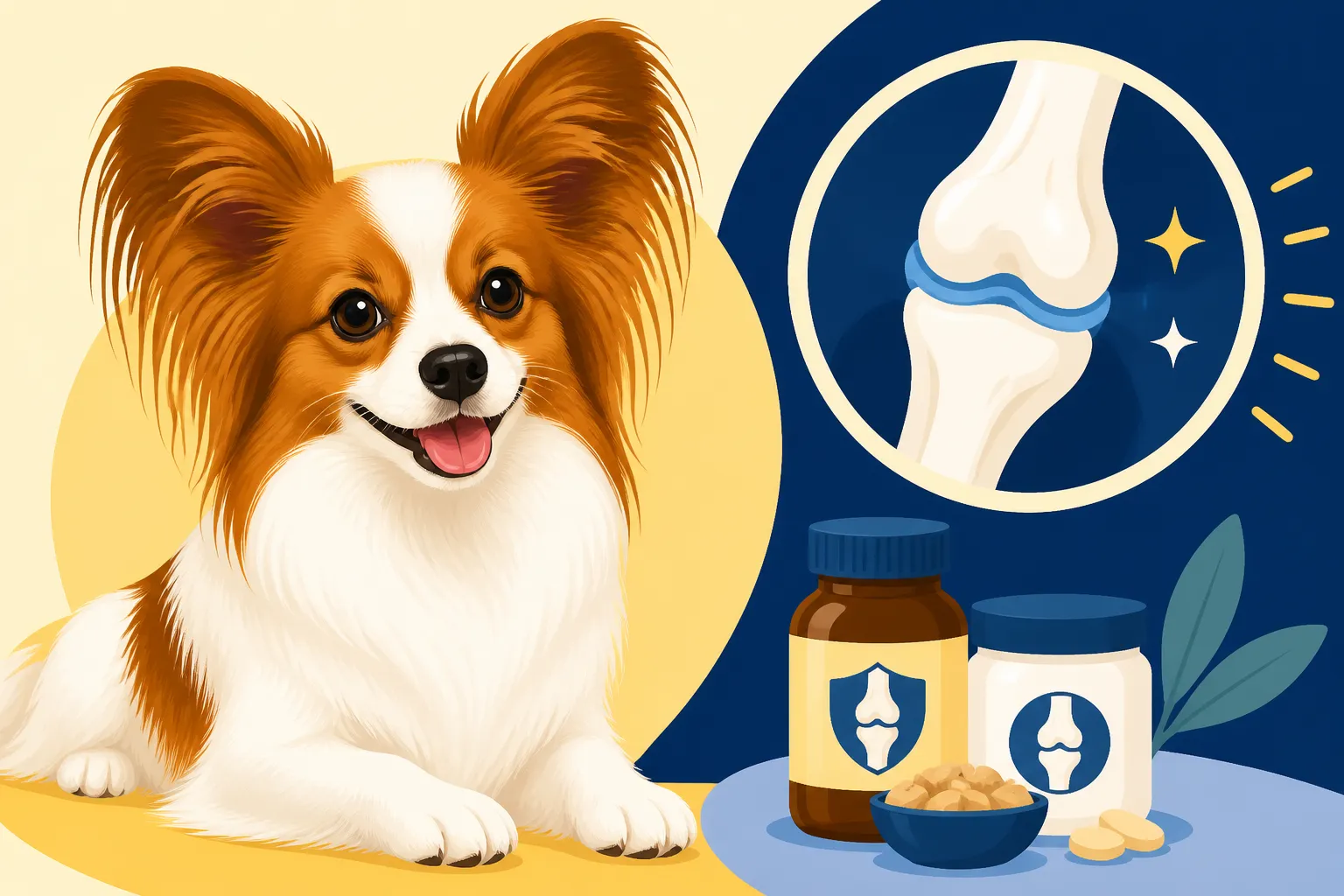
If you've spent any time researching Papillon health, you've likely come across the term "patellar luxation." This is, without a doubt, one of the most significant joint concerns for our breed. Patellar luxation simply means the kneecap (patella) slips out of its groove in the thigh bone. It can happen intermittently, or in more severe cases, become a persistent problem. Many Papillons are born with a predisposition to this condition due to the shallow groove or weak ligaments in their knee.
It's heartbreaking to see your tiny dog suddenly skip a step, hold up a leg, or even cry out in pain because their kneecap has popped out. While not all cases require surgery, it's a condition that can cause discomfort, lead to arthritis over time, and severely impact their quality of life. Understanding Patellar Luxation Is the Papillon Problem You Will Actually Meet is crucial for any owner, as it's far more common than many realize and often requires careful management. The impact of What Patellar Luxation Does to a Papillon can range from a minor annoyance to a debilitating issue.
General Wear and Tear, Even for Small Dogs
While patellar luxation is a specific concern, general wear and tear is something every dog faces, regardless of size. Think about how much your Papillon jumps off the sofa, races down the stairs, or lands after a playful leap. Each of these actions, repeated thousands of times over years, puts pressure on their small joints. Unlike larger breeds where immense body weight is the primary factor, for a Papillon, it's often the cumulative effect of their active, bouncy lifestyle combined with the inherent fragility of their tiny skeletal structure.
Even if your Papillon doesn't develop a specific orthopedic condition, their cartilage can still degrade, and their joint fluid can become less effective over time. This can lead to stiffness, reduced flexibility, and eventually, chronic pain, especially as they enter their senior years. Just because they're small doesn't mean their joints are indestructible; in fact, sometimes their small size makes them more vulnerable to impact injuries from seemingly innocuous activities.
The "Small Dog, Big Energy" Factor
Anyone who lives with a Papillon knows they have boundless energy and a fearless attitude. They don't see themselves as small dogs; they see themselves as mighty, capable, and ready for any adventure. This "small dog, big energy" factor is one of their most charming traits, but it also means they’re constantly in motion. They're often the first to zoom across the yard, leap onto your lap, or chase a toy with astonishing speed.
This high level of activity, while wonderful for their mental and physical health, does put continuous strain on their joints. Imagine a little canine athlete constantly pushing their limits. Over time, this can accelerate the breakdown of joint cartilage and increase the risk of minor sprains or strains that, if not properly managed, can contribute to chronic issues. It's a double-edged sword: we love their zest for life, but we also need to be mindful of its long-term impact on their tiny, hard-working joints.
When Joint Supplements Might Be Considered for Your Papillon
Deciding whether to give your Papillon joint supplements isn't always straightforward. It involves weighing their age, activity level, breed predispositions, and any existing health concerns. It's rarely a one-size-fits-all answer, but there are definite scenarios where they become a much more compelling consideration.
Early Intervention vs. Reactive Supplementation
One common debate is whether to start joint supplements as a preventative measure or wait until signs of discomfort appear. For Papillons, given their predisposition to conditions like patellar luxation, some owners and even veterinarians advocate for early intervention. This might mean starting a supplement when your Papillon is still relatively young, perhaps around 4-5 years old, or even earlier if they come from a line known for joint issues. The idea is to support joint health and cartilage integrity before significant problems arise, potentially slowing down the progression of degenerative changes.
On the other hand, many owners consider supplements reactively, meaning they introduce them once their Papillon starts showing symptoms like stiffness, limping, or difficulty jumping. While reactive supplementation can certainly help manage existing pain and improve mobility, it's often a case of playing catch-up. Both approaches have their merits, but the trend, especially in breeds like the Papillon, is leaning towards more proactive care.
Working with Your Vet for a Diagnosis
It's absolutely critical to understand that joint supplements are not a cure-all, nor are they a replacement for proper veterinary diagnosis and care. If you suspect your Papillon is experiencing joint pain or discomfort, the first step should always be a visit to your veterinarian. They can perform a thorough examination, including palpating the joints and observing your dog's gait. They might recommend imaging like X-rays, especially if a condition like patellar luxation is suspected or if they want to assess the severity of any existing arthritis.
Your vet can help you understand the underlying cause of any joint issues and determine the best course of action. This might involve pain management, anti-inflammatory medications, physical therapy, or in some cases, surgery. What a Papillon's Orthopedic Consult Costs is a good thing to be aware of, as specialized diagnostics can be an investment. Only after a proper diagnosis can you and your vet make an informed decision about whether a joint supplement would be a beneficial addition to their treatment plan.
Signs Your Papillon Might Benefit from Joint Support
Our little Papillons are often stoic and experts at hiding pain, which can make it hard to tell when they're struggling. However, there are subtle signs that might indicate they could benefit from joint support. Pay close attention to changes in their usual behavior or movement patterns. Are they less enthusiastic about their favorite walk, or do they hesitate before jumping onto the couch? These could be clues.
Look for specific physical indicators, such as stiffness, especially after resting or first waking up. You might notice they're reluctant to use stairs, or that their usual joyful leaps are now more hesitant. Sometimes, owners report their Papillon "bunny hopping" or carrying a leg for a few steps, which can be a classic sign of a slipping kneecap, as detailed in Signs a Papillon's Kneecap Slips. Other signs might include changes in their posture, a reduced desire to play, or even irritability when touched in certain areas. Remember that Papillons can be masters of How a Papillon Hides Pain, so any minor change is worth investigating. If you notice these cues, it's time to talk to your vet about whether joint supplements, among other interventions, could provide relief.
Types of Joint Supplements and What to Look For
Once you've decided, ideally with your vet's guidance, that joint supplements are a good idea for your Papillon, the sheer number of options on the market can be overwhelming. It feels like every pet store, from your local independent shop to huge online retailers like Chewy and Amazon, offers dozens of choices. Knowing which ingredients are truly beneficial and how to spot a quality product is key.
Glucosamine and Chondroitin: The Dynamic Duo
When we talk about joint supplements for dogs, glucosamine and chondroitin are almost always the stars of the show. Glucosamine is an amino sugar that plays a vital role in building and maintaining cartilage, the protective tissue that cushions joints. It's believed to help repair damaged cartilage and stimulate the production of new cartilage. Chondroitin, often paired with glucosamine, is a major component of cartilage that helps give it elasticity and strength. It's thought to inhibit enzymes that break down cartilage and to improve the shock-absorbing properties of the joint.
Together, they work synergistically to support joint structure and function. Many studies in both humans and animals have shown promising results for reducing pain and improving mobility, particularly in cases of osteoarthritis. For a breed prone to cartilage wear and tear, like the Papillon with its patellar luxation risk and active lifestyle, these two ingredients form the foundation of most effective joint supplements. They don't work overnight; consistent daily supplementation is usually required for weeks or even months before you see noticeable improvements.
MSM, Omega-3s, and Other Supporting Ingredients
Beyond glucosamine and chondroitin, many high-quality joint supplements incorporate other beneficial ingredients. MSM (Methylsulfonylmethane) is a sulfur compound known for its anti-inflammatory and pain-reducing properties. It can help alleviate discomfort associated with joint stiffness and support overall connective tissue health. Omega-3 fatty acids, particularly EPA and DHA found in fish oil, are powerful natural anti-inflammatories. They can help reduce inflammation within the joints, which is crucial for managing pain and slowing the progression of conditions like arthritis. You'll often find these as standalone supplements, or blended into comprehensive joint formulas.
Other ingredients you might encounter include hyaluronic acid, which helps lubricate joints; green-lipped mussel, another source of omega-3s and other beneficial compounds; and various antioxidants that help combat cellular damage. Each of these components contributes to joint health in slightly different ways, either by building cartilage, reducing inflammation, or improving joint lubrication. When looking at labels, consider what combination might best address your Papillon's specific needs, and remember that more ingredients don't always mean better unless they're present in effective dosages.
Quality and Sourcing: Not All Supplements Are Equal
This is perhaps the most important consideration when choosing a joint supplement for your Papillon. The supplement market is not as tightly regulated as prescription medications, meaning there's a wide variance in quality, purity, and even the actual amount of active ingredients in different products. It's vital to choose reputable brands that conduct third-party testing and provide clear dosage information. Look for certifications from organizations that verify ingredient quality and accuracy.
A good rule of thumb is to stick with brands recommended by your veterinarian or those widely recognized for their commitment to quality in the pet health space. While you can find many options on platforms like Chewy and Amazon, make sure to read reviews and check for independent certifications. Some premium dog food brands, like Ollie, might also offer formulas that incorporate joint-supporting ingredients, but these usually aren't concentrated enough to replace a dedicated supplement for an animal with diagnosed joint issues. Always compare the listed active ingredients and their concentrations against what your vet recommends.
| Ingredient | Primary Benefit | How It Helps a Papillon |
|---|---|---|
| Glucosamine | Cartilage repair and production | Supports rebuilding and maintenance of joint cartilage, crucial for patellar health and preventing wear. |
| Chondroitin | Cartilage elasticity and breakdown prevention | Improves joint cushioning and inhibits enzymes that degrade cartilage, supporting long-term joint function. |
| MSM | Anti-inflammatory, pain relief | Reduces joint pain and inflammation, easing stiffness and discomfort from activity or existing conditions. |
| Omega-3 Fatty Acids | Anti-inflammatory | Calms inflammation in joints, reducing pain and swelling, beneficial for arthritis and general joint comfort. |
| Hyaluronic Acid | Joint lubrication | Enhances joint fluid viscosity, improving smooth movement and reducing friction within the joint. |
| Green-Lipped Mussel | Natural source of glucosamine, chondroitin, O-3s | Provides a natural, comprehensive blend of joint-supporting nutrients and powerful anti-inflammatory compounds. |
Integrating Joint Support into Your Papillon's Routine
Adding a supplement is just one piece of the puzzle when it comes to supporting your Papillon's joint health. A holistic approach, encompassing diet, exercise, and environmental modifications, will yield the best results and ensure your energetic companion stays comfortable and mobile for as long as possible.
Beyond Pills: Holistic Approaches to Joint Health
While joint supplements can be incredibly beneficial, they work best when part of a broader strategy. Weight management is paramount for any dog with joint issues, and especially for a small breed like the Papillon. Even a pound or two of extra weight can put significant strain on their tiny knees and hips, exacerbating conditions like patellar luxation and contributing to Why an Overweight Papillon Strains Its Knees. Keeping your Papillon at a lean, healthy weight is one of the most impactful things you can do for their joint health. Regularly assessing How Many Cups a Day an Adult Papillon Eats and adjusting as needed, along with consistent exercise, is key for Getting Weight Off a Papillon.
Appropriate exercise is another crucial element. Papillons need daily activity, but it should be tailored to their individual joint health. For a dog with a luxating patella, high-impact activities like jumping repeatedly on and off furniture or long, strenuous hikes might be detrimental. Instead, focus on controlled walks, gentle play, and mental stimulation. Providing orthopedic beds and ensuring soft landings from furniture (or better yet, using ramps or steps) can also make a huge difference in protecting their joints over time. As your Papillon ages, you might also consider Whether an Old Papillon Needs a Warmer Bed to ease stiffness.
Administering Supplements to a Picky Papillon
Let's be real: getting a tiny, sometimes finicky Papillon to take a pill or even a flavored chew can be a challenge. They are often clever and can quickly learn to spit out anything they don't like. Many joint supplements come in flavored chewable tablets, which can be a good starting point. However, if your Papillon turns up their nose, you might need to get creative.
Try crushing pills (if safe to do so, always check with the manufacturer or your vet first) and mixing them into a small amount of something irresistibly delicious – a tiny dollop of plain yogurt, a bit of wet food, or even a small piece of cheese. For liquid or powder supplements, simply stirring them into their regular meal might work, especially if they are enthusiastic eaters. Consistency is key, so find a method that works for your individual dog and stick with it. Patience and positive reinforcement will go a long way in making supplement time a stress-free experience for both of you.
Long-Term Outlook and Management
Supporting your Papillon's joint health is often a lifelong journey, particularly if they have a diagnosed condition or are predisposed to issues. The goal isn't just to alleviate pain in the short term but to maintain mobility and comfort for their entire life, which, thankfully, can be quite long. How Long a Papillon Lives is often a pleasant surprise for new owners, so thinking long-term about their care is essential. Regular veterinary check-ups are paramount, allowing your vet to monitor their joint health, assess the effectiveness of any supplements, and make adjustments as needed.
As your Papillon ages, their joint needs might change. They might require different types of supplements, additional pain management strategies, or modifications to their environment. Caring for an Aging Papillon often involves being extra vigilant about their mobility and comfort. Conditions like Whether a Papillon Gets Arthritis From a Slipping Knee can become more prevalent in their later years, necessitating a more comprehensive approach. By being proactive, working closely with your vet, and being attentive to your Papillon's subtle cues, you can help ensure they enjoy a life full of joyful jumps and comfortable cuddles, regardless of their tiny size.
Disclaimer
This article is for general informational purposes only and does not constitute professional advice. Laws, prices and regulations vary by location and change over time. Consult a qualified professional for guidance on your specific situation.