Whether a Papillon’s Quick Is Hard to See
One of the most common anxieties for any small dog owner, especially those with an active, spirited little Papillon, is the dreaded nail trim. It's a task that can fill you with dread, particularly if your sweet companion has dark nails. The biggest fear? Cutting too far back and hitting the quick, causing pain, bleeding, and a whole lot of guilt. This guide is here to demystify the Papillon nail and its quick, offering practical advice to make nail trims less stressful for both you and your furry friend.
Understanding Papillon Nail Anatomy and the Elusive Quick
Before we even pick up the clippers, let's talk a little bit about what we're actually dealing with. A dog's nail isn't just a simple piece of horn; it's a complex structure, and understanding it is the first step to conquering those nail-trimming fears.
The Anatomy of a Dog's Nail
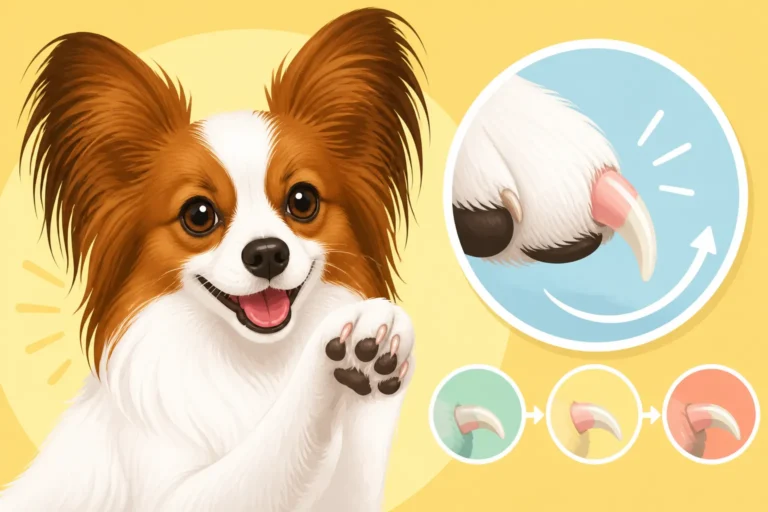
Imagine your Papillon's nail. It consists of two main parts: the nail plate and the quick. The nail plate is the hard, outer shell you see, similar to our fingernails. But unlike our nails, which grow from the base, a dog's nail encloses a living tissue called the quick. This quick is packed with blood vessels and nerves. When you cut into the quick, it's painful for your dog and will bleed. This is why hitting the quick is such a concern for us Papillon parents. The shorter a dog's nails are kept, the further the quick recedes, making future trims easier and safer. Conversely, if nails are allowed to grow long, the quick grows with them, making it even harder to trim without causing discomfort.
Why Dark Nails Are a Challenge
Here’s where Papillon owners often face a particular hurdle. Many Papillons have dark, sometimes black, nails. If your Papillon has lovely clear, white nails, you’re in luck! You can often see the quick as a pinkish line running through the center of the nail, making it much easier to know where to stop. But with dark nails, that visible quick disappears. It’s a frustrating reality for countless owners. You're essentially trimming blind, relying on experience, educated guesses, and a deep breath before each snip. The quick in a dark nail is just as present and sensitive, but the pigment in the nail plate completely obscures its location. This lack of visual guidance is the primary reason why trimming a Papillon's dark nails feels like such a high-stakes operation.
Common Struggles When Trimming Papillon Nails
It's not just the invisible quick that makes Papillon nail trims a challenge. Their unique characteristics and our own human anxieties play a significant role. It's perfectly normal to feel a bit overwhelmed when faced with such a delicate task.
The Fear of "Quicking" Your Papillon
Let's be honest: no one wants to hurt their beloved pet. The fear of accidentally cutting into the quick is very real and can be paralyzing. Many owners would rather avoid the trim altogether or delegate it to a professional, simply because they can't bear the thought of causing pain. When you do accidentally quick your Papillon, the yelp, the bleed, and the look of betrayal in their eyes are enough to make you feel like the worst pet parent on the planet. This negative experience can create a vicious cycle: you're scared, your Papillon senses your fear, they become anxious, and the whole process becomes even more difficult next time. This fear can lead to nails becoming too long, which in turn makes the quick grow longer, compounding the problem. It’s a real Catch-22.
Papillon Temperament and Nail Trims
Papillons are incredibly intelligent and often have quite a sensitive side. While they are usually eager to please and love to be close to their humans, they can also be quite opinionated and, if not properly accustomed, quite dramatic when it comes to uncomfortable procedures. A Papillon might not appreciate being held still for a nail trim, especially if they've had a negative experience in the past. Their small size means you need a steady hand, and if they're squirming, it becomes exponentially harder. Some Papillons are particularly sensitive to touch, and the pressure of the clippers or grinder can be enough to make them pull away. Remember that How a Papillon Hides Pain can sometimes mean they endure discomfort silently, but with nail trims, their vocal reactions or attempts to escape are often quite clear. Their quick wit means they remember negative experiences, so a single bad trim can make all subsequent attempts much harder. This is why gentle handling and positive reinforcement from day one are absolutely crucial.
Strategies for Safely Trimming Papillon Nails
Alright, let's get down to business. Even with dark nails and a potentially squirmy pup, there are ways to make nail trims safer and less stressful. It's all about technique, the right tools, and a boatload of patience.
Tools and Techniques for Better Visibility
Choosing the right tool is paramount. For Papillons, you generally have two main options: clippers or a nail grinder.
- Clippers: There are scissor-style clippers and guillotine-style clippers. For a Papillon's delicate nails, many owners find scissor-style clippers easier to manage. The key with dark nails is to take tiny, tiny slivers off the end of the nail. Don't try to get it all in one go. After each small snip, look at the cut surface. You're looking for a small, greyish-white circle in the center. As you get closer to the quick, this circle will become slightly darker, often pinkish or black, and eventually look like a small, moist dot. That's your cue to stop! Another trick, especially with very dark nails, is to use a bright light source, like a powerful flashlight, held under the nail. Sometimes, this can illuminate the quick just enough to give you a vague outline, especially if the nail isn't completely opaque. You can find a wide range of clippers and styptic powder on platforms like Chewy or Amazon.
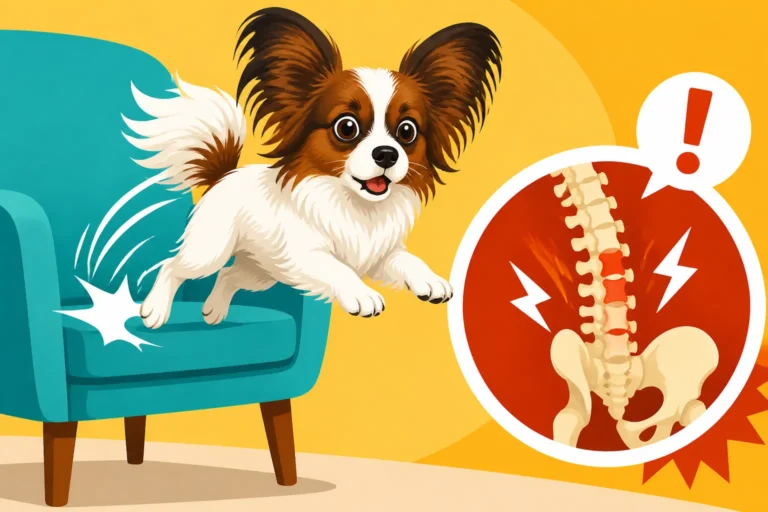
- Grinders: A nail grinder sands down the nail rather than clipping it. This is often less jarring for dogs and allows for much more control, as you remove microscopic layers at a time. The heat generated by the friction can also help to identify the quick: as you get closer, the quick warms up, causing the dog to pull their paw away, giving you a warning sign. Grinders can be a bit noisy, so getting your Papillon used to the sound and vibration is a critical first step. Again, take your time, work in short bursts, and keep an eye on that cut surface for the quick's tell-tale dark center. For those who prioritize preventing potential knee issues, keeping nails short is vital, and grinders allow for precise control. Why a Papillon's Nails Affect Its Knees is a serious consideration, making regular, careful trims a health priority.
| Tool Type | Pros | Cons | Visibility Aid |
|---|---|---|---|
| Nail Clippers | Quick and efficient for experienced users; many styles available for different nail sizes; less noisy than grinders. | Higher risk of cutting the quick if not careful, especially with dark nails; can pinch the quick if dull; dog may dislike the "snip" sensation. | Requires visual inspection of the cut surface; "tiny snips" method; flashlight held underneath (for some nails). |
| Nail Grinder | Low risk of quicking if used carefully; smooths nail edges; allows for precise, gradual removal; quick may recede faster over time. | Can be noisy and vibrate, requiring desensitization; generates heat (take breaks); takes longer than clipping; battery life considerations. | Quick often appears as a dark, moist spot as you get close; dog may pull paw away due to warmth before quick is hit. |
Acclimating Your Papillon to Nail Care
Desensitization and positive reinforcement are your best friends here. Start small, long before you even attempt a full trim.
- Touch Their Paws Often: Gently handle your Papillon's paws, toes, and nails every day. Make it a positive experience with treats and praise. This is part of a broader handling routine that's essential for any Papillon. Teaching a Papillon Puppy to Be Handled All Over will pay dividends in many aspects of their care, including nail trims.
- Introduce the Tools: Let your Papillon see and sniff the clippers or grinder. Turn the grinder on briefly away from them so they hear the sound. Reward them for calm curiosity.
- Start with "Fake" Trims: Mimic the motion of trimming without actually cutting. Touch the clippers to their nails, or the grinder to their nails (while off), and give a treat.
- Gradual Trimming: When you do start trimming, do just one nail a day, or even just a couple, with generous treats and praise. Keep sessions super short and positive. If your Papillon tolerates it, try two nails, then three. Don't push them if they're getting stressed. Stop before they get upset.
- Professional Help for Nervous Pups: If your Papillon is genuinely terrified, or you find yourself too anxious to proceed, don't hesitate to seek professional help. Your vet or a professional groomer is skilled in handling nervous dogs and can perform nail trims efficiently and safely. Sometimes, getting a professional trim a few times can help get the nails to a manageable length and the quick to recede, making subsequent home trims easier. For some Papillons, especially those needing very short nails for activities like agility, How Short a Papillon's Nails Must Stay for Agility can be a challenge, and professional care might be the best option.
When to Seek Professional Help
There’s absolutely no shame in admitting that nail trimming is just too much for you or your Papillon. Sometimes, it’s not worth the stress on your relationship with your dog.
- Extreme Anxiety: If your Papillon becomes highly distressed, aggressive, or panics during nail trims, it’s safer and kinder to let a professional handle it. Your vet might even suggest light sedation for extremely anxious dogs, something to discuss if Whether a Papillon Tolerates Sedation for Nails is a concern for you.
- Overgrown Nails: If the nails are severely overgrown, the quick will be very long. A professional groomer or vet can often take off more nail safely or recommend a schedule to gradually reduce the quick's length.
- Your Own Discomfort: If you're constantly worried, shaking, or feel like you're going to injure your dog, you might be right. A calm, confident hand is key, and if you can't provide that, a professional can. Remember, your Papillon picks up on your emotional state. Getting an expert to do it means you can still focus on other bonding activities. Plus, for a nominal fee, What a Papillon's Nail Trim Costs is often well worth the peace of mind. Many Papillon owners find that incorporating regular professional grooming, which includes nail trims, helps immensely. Whether a Papillon Needs a Professional Groomer is a common question, and for many, the answer for nails, at least, is a resounding yes.
What to Do If You Cut the Quick
It happens to the best of us. Even with all the care in the world, an accidental quicking can occur. Don't panic! Staying calm is the most important thing.
First Aid for a Quicked Nail
- Stay Calm: Your Papillon will react to your stress. Take a deep breath.
- Apply Styptic Powder: This is a must-have for any dog owner. Keep a container of styptic powder (or cornstarch if you're in a pinch, though it's less effective) readily available every time you trim nails. Firmly press a small amount of the powder directly onto the bleeding quick. Hold it there with gentle pressure for several seconds.
- Apply Pressure: If styptic powder isn't immediately stopping the bleeding, you can apply direct pressure to the tip of the nail with a clean cloth or cotton ball for a minute or two.
- Observe: Once the bleeding stops, keep an eye on the nail for the next hour or so to ensure it doesn't restart, especially if your Papillon walks around a lot.
- Offer Comfort: After the bleeding is controlled, reassure your Papillon with gentle pets and soft words. A small, high-value treat can help rebuild positive associations, even after a scary moment.
Preventing Future Trauma
An accidental quicking can set back your progress significantly. Your Papillon might become even more fearful. Here’s how to recover:
- Patience and Positive Reinforcement: It's a cliché, but it's true. Go back to basics with desensitization. Offer more treats, shorter sessions, and even more praise.
- Vary the Routine: Change the location or time of day you do nail trims. Sometimes a fresh start in a different environment can help.
- Consider a Different Tool: If clippers led to the quicking, try a grinder for a while, or vice-versa. Some dogs respond better to one over the other.
- Professional Intervention: If the trauma is significant, a professional groomer or vet can step in to get the nails back on track. They might also have strategies for managing a dog who is now very sensitive to nail trims. Remember, Papillons, despite their small size, are incredibly resilient and intelligent. With consistent, gentle effort, you can overcome even the most challenging grooming hurdles. Their How Sensitive a Papillon Is nature means they need extra care and understanding, but they are also very forgiving.
Disclaimer
This article is for general informational purposes only and does not constitute professional advice. Laws, prices and regulations vary by location and change over time. Consult a qualified professional for guidance on your specific situation.