Whether a Papillon’s Fringe Makes Summer Worse
The summer months can bring a unique set of worries for Papillon owners, especially when you look at that glorious, flowing coat. You've probably found yourself wondering if all that beautiful fringe, especially around their ears and chest, is actually making them hotter and more uncomfortable in the sweltering heat. It's a valid concern; you want your little butterfly dog to be happy and healthy, not struggling through the dog days of summer with what looks like an extra blanket. This guide will dive deep into how a Papillon's unique coat, including its iconic fringe, interacts with warm weather and, most importantly, what you can do to ensure your beloved companion stays cool and safe when temperatures rise.
Understanding the Papillon's Unique Coat and Its Role in Heat
The Papillon's coat is one of its most defining features, and understanding its composition is key to knowing how it affects them in various climates. Unlike many other long-haired breeds, the Papillon possesses a single coat, meaning they lack the dense, woolly undercoat that often traps heat and causes major shedding issues for breeds like Pomeranians or Huskies. This distinct characteristic actually plays a significant role in their ability to regulate body temperature.
The Single-Layer Advantage
Many people mistakenly assume that any long-haired dog will automatically suffer more in the heat, but it's not always about length; it's about density. A Papillon's coat, while long and flowing, is often described as "silky." This texture, combined with the absence of an undercoat, allows for better air circulation against their skin than you might imagine. Think of it less like a thick winter coat and more like a loose, breathable garment. The hair can actually provide a layer of insulation from direct sun, preventing the skin itself from absorbing too much heat. This is a common point of confusion for new owners, who might jump to shave their Papillon, thinking they're doing them a favor. While a shaved coat might feel cooler to us, it removes that natural protection, exposing their delicate skin to sunburn and potentially making them more susceptible to heatstroke by eliminating the air pockets that help dissipate heat. This is also why many find that grooming a Papillon is surprisingly manageable; their coat, though long, is less prone to the matting and dense shedding associated with double-coated breeds. You can learn more about this in A Papillon's Coat Is All Fringe and No Undercoat.
The Fringes: Beauty vs. Practicality in Summer
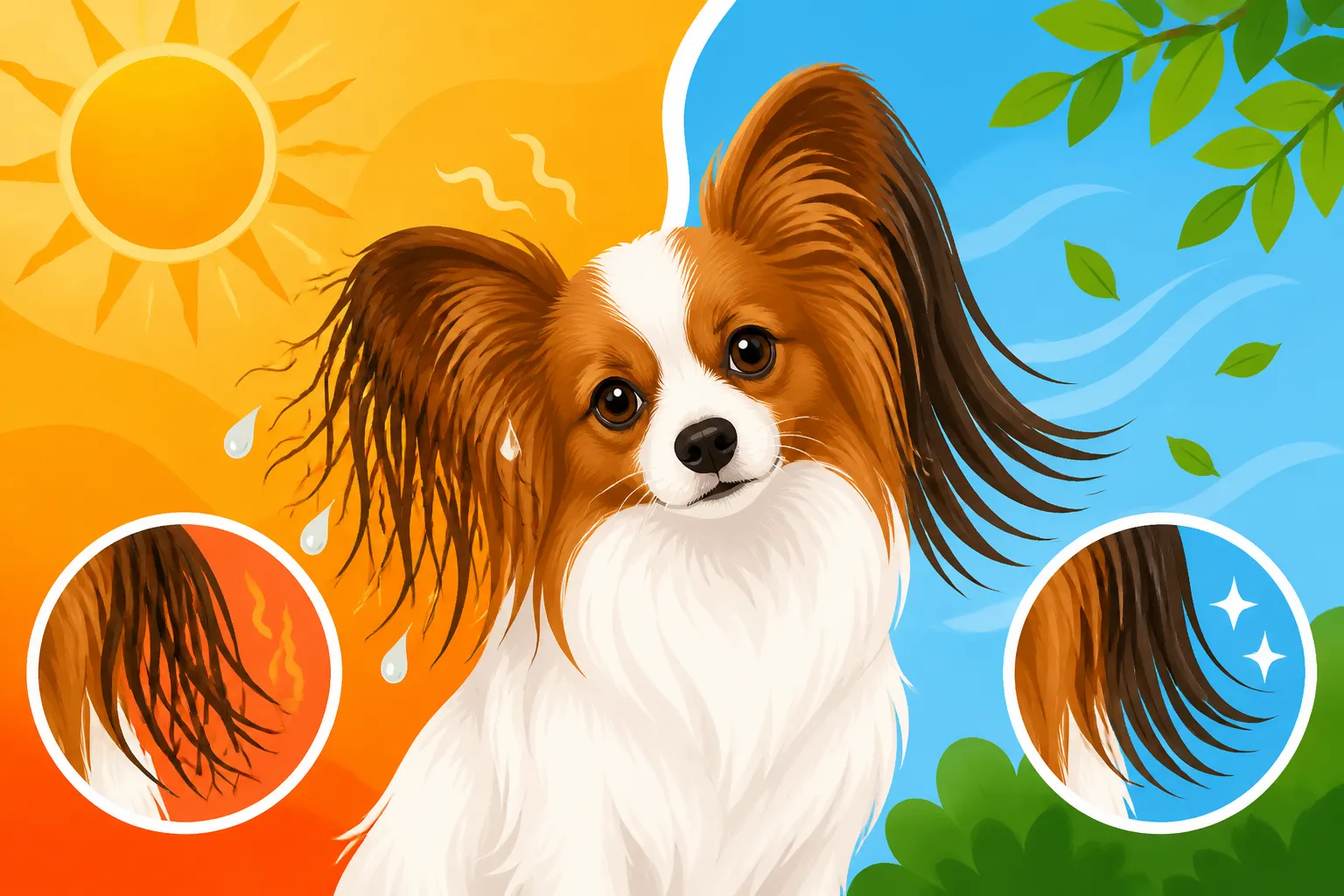
Now, let's talk about those magnificent fringes, particularly the ones that give the Papillon its name, adorning their ears like butterfly wings. You've got the ear fringe, the chest frill, the culottes on their hind legs, and that glorious tail plume. These are undeniably beautiful, but they can indeed become a slight concern in the summer. While the overall single coat promotes airflow, dense areas of fringe can sometimes trap a bit more heat or humidity against the skin, especially if they become damp with sweat or water. For instance, the long hair around their ears can get a bit sticky or matted if your Papillon is an enthusiastic swimmer or gets their ears wet often. However, the bigger issue with fringes often isn't heat retention as much as it is practicality and hygiene. Long ear fringe can dip into water bowls, pick up burrs from tall grass, or get tangled. While it doesn't necessarily make summer "worse" from a pure thermal perspective, it does introduce some additional grooming considerations. Understanding The Ear Fringe That Gives the Papillon Its Name can help you appreciate this unique feature even more.
The Realities of Heat and Your Small Papillon
Beyond the coat, a Papillon's small size and overall physiology also play a critical role in how they handle warm weather. Being tiny dogs, they can overheat quickly, not necessarily because of their hair, but because their small bodies have a larger surface area to volume ratio, and they can struggle with efficient heat dissipation.
Why Small Dogs are Vulnerable to Heatstroke
It's a common misconception that only large, thick-coated dogs are at risk for heatstroke. In reality, small dogs, including Papillons, are highly susceptible. Their proximity to the hot ground can be a major factor. While you might be walking comfortably on a warm day, the asphalt or pavement your Papillon is treading on could be scorching hot – easily hot enough to burn their paw pads. Moreover, toy breeds often have smaller airways and can be more prone to conditions like a collapsing trachea, which can be exacerbated by panting and heat stress. A dog can't sweat efficiently like humans; their primary way to cool down is by panting, and if the air around them is hot and humid, this process becomes much less effective. So, while the fringe itself might not be the primary villain, the cumulative effect of heat on a small dog's body is definitely something to take seriously. You might consider Whether a Papillon Gets a Collapsing Trachea in the context of heat and heavy panting.
Signs of Overheating and When to Act
Recognizing the signs of overheating is crucial for any Papillon owner. It's not always as dramatic as a full-blown collapse; often, it starts subtly. Heavy panting, even when not exercising vigorously, is an early warning. Look for a Papillon whose tongue seems wider or longer than usual, or whose gums are bright red. They might seem restless, trying to find cooler spots, or conversely, become lethargic and less responsive. Drooling excessively, rapid heart rate, staggering, and vomiting are more severe signs. If you see any of these, especially the more advanced symptoms, you need to act immediately. Get them to a cooler environment, apply cool (not ice cold) water to their paw pads, belly, and inner thighs, and offer small amounts of water. If their condition doesn't improve quickly, or if they exhibit any neurological symptoms, a trip to the emergency vet is absolutely necessary. It's terrifying when your little one struggles, and early intervention can make all the difference. Understanding Whether a Papillon Overheats is vital for their summer safety.
Managing the Fringe: Practical Tips for Summer Comfort
While the Papillon's fringe doesn't automatically make summer "worse," proactive care and smart management can certainly make it better for your dog. A few simple adjustments to your grooming and daily routine can help keep them comfortable and reduce potential issues.
Smart Grooming: Brushing, Baths, and Occasional Trims
Regular grooming is your best friend during warmer months. Remember that silky coat, which, while beautiful, can still pick up debris, get tangled, and occasionally mat, especially behind the ears, in the armpits, and on the culottes. Brushing your Papillon a few times a week, or even daily during shedding seasons, helps to remove loose hair and prevents tangles that could trap heat or become uncomfortable. A good pin brush and a metal comb are essential tools. You can get tips on this in Why a Papillon's Long Coat Takes Twenty Minutes a Week. Pay special attention to the ear fringes, as these can get particularly messy if your Papillon likes to dunk their head in water or play in damp grass. Whether a Papillon's Ears Should Be Brushed Separately offers specific guidance.
Baths can also be helpful, but don't overdo it. Too frequent bathing can strip their skin of natural oils, leading to dryness or irritation. When you do bathe them, use a good quality dog shampoo and conditioner. After bathing, make sure they are thoroughly dried, as damp fur can also lead to skin issues or matting. A cool-setting blow dryer can speed up the process. See How to Dry a Papillon for best practices.
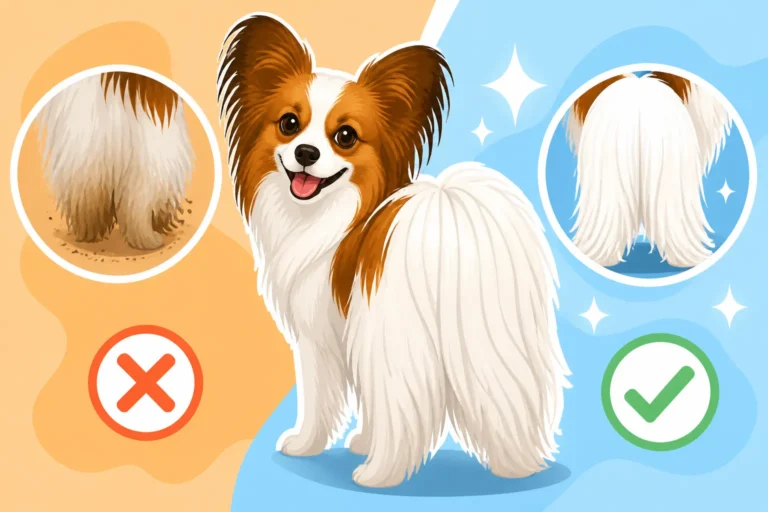
Regarding trimming, this is a personal choice. Many Papillon owners opt for a "sanitary trim" around the hindquarters to keep things clean. Some might also trim the hair between their paw pads to prevent slipping on smooth floors and to help dissipate heat from their feet. A light trim of the culottes or belly fringe might also be done to reduce matting and improve air circulation, but avoid extensive shaving of the body. Remember, their coat actually offers some sun protection. If you do opt for trimming, consider consulting a professional groomer, or learn proper techniques to avoid "scissoring" too much or causing uneven growth. For instance, Chewy offers a wide range of grooming tools that can help you maintain your Papillon's coat at home.
Keeping Fringes Clean and Tangle-Free
Beyond brushing, ensuring the fringes stay clean and dry is important. If your Papillon has particularly long ear fringe, you might consider investing in a "snood" during mealtimes or when they're playing outdoors to keep the hair out of their food or from picking up debris. Regularly checking their fringes for burrs, twigs, or other hitchhikers after outdoor adventures is a must. These can quickly turn into painful mats if not removed promptly. For instance, after a walk in a field, I always make sure to comb through my Papillon's culottes and tail plume. A quick wipe with a damp cloth can also help keep ear fringes clean if they get a bit damp or sticky.
Beyond the Fringe: Holistic Summer Care for Your Papillon
While the fringe itself isn't the primary summer nemesis, a comprehensive approach to summer care ensures your Papillon stays happy and healthy from nose to tail. It's about combining smart environmental management with attentive care.
Adjusting Exercise and Outdoor Activities
This is perhaps the most critical aspect of summer safety for your Papillon. Those little legs might be eager to zoom, but you need to be the responsible party. Avoid exercising during the hottest parts of the day, typically late morning to late afternoon. Early morning or late evening walks are much safer. Even then, check the pavement temperature with the back of your hand; if it's too hot for your hand for five seconds, it's too hot for their paws. A good rule of thumb is to stick to grassy areas or shady paths. If your Papillon enjoys car rides, remember that a parked car, even with windows cracked, can become a death trap in minutes. Never leave your dog unattended in a vehicle. Consider engaging in indoor activities or mental stimulation on very hot days instead of rigorous outdoor play. Short, frequent potty breaks in the shade are often sufficient. You can find more information about how their small paws interact with surfaces in Whether a Papillon Can Run on Hot Asphalt.
Hydration and Cooling Strategies
Keeping your Papillon well-hydrated is paramount. Always have fresh, cool water available, both indoors and outdoors. If you're out for a walk, carry a portable water bottle and a collapsible bowl. Many brands, including Amazon Basics, offer convenient travel bowls. Some Papillons enjoy a few ice cubes in their water, which can encourage them to drink more and provide a little internal cooling.
Beyond drinking water, consider other cooling strategies:
- Cooling Mats: These gel-filled mats can be a lifesaver. Your Papillon can lie on them to passively cool down.
- Damp Towels: A damp, cool towel draped over their back or belly can offer immediate relief, especially after a walk.
- Kiddie Pools: For Papillons who enjoy water, a shallow kiddie pool in the shade can be a fun and effective way to cool off. Just make sure the water isn't too cold and supervise them closely.
- Air Conditioning/Fans: Ensure your home has a cool retreat. If you don't have AC, strategic use of fans can help move air and create a more comfortable environment.
- Frozen Treats: Homemade pupsicles made from diluted broth, plain yogurt, or pureed fruits (like banana or blueberries – always check if fruits are dog-safe first!) can be a refreshing and hydrating treat. Ollie, known for fresh dog food, also has some great ideas for healthy, cool treats.
Protecting Sensitive Areas
The fringes might not be making summer "worse" in terms of overall heat, but certain parts of your Papillon's body, especially those with less hair or delicate skin, do need extra attention. Their noses and ear tips (if they have less fringe there) can be susceptible to sunburn, especially if they spend a lot of time lounging in a sunny spot. Just like humans, dogs can get skin cancer. Consider using a dog-specific sunscreen on these areas if they'll be exposed for extended periods. Their paw pads also need protection from hot surfaces, as mentioned earlier. If they spend time on rough terrain, consider paw balms to keep their pads healthy and prevent cracking, which can be exacerbated by heat and dryness. Regularly check their paw pads for any signs of blistering or tenderness.
| Summer Care Aspect | Papillon Fringe Impact | Recommended Action |
|---|---|---|
| Coat & Airflow | Less direct impact due to single coat; provides sun protection. | Avoid shaving; regular brushing to remove loose hair. |
| Heat Trapping | Minimal, but dense fringe can get damp. | Keep fringes clean and dry; consider light trimming around sanitary areas/paws. |
| Sunburn Risk | Coat protects most skin, but nose/ear tips vulnerable. | Use dog-safe sunscreen on exposed areas. |
| Ground Heat | No direct fringe impact, but small size makes them vulnerable. | Walk during cooler hours; avoid hot pavement; use booties if necessary. |
| Hydration | No direct fringe impact. | Constant access to fresh water; offer frozen treats. |
| Grooming | Fringes can mat more easily with sweat/water. | Daily brushing of fringes; clean regularly. |
| Exercise | No direct fringe impact. | Adjust schedule to cooler times; focus on indoor play. |
So, does a Papillon's fringe make summer worse? Not inherently. Their single coat is designed to be lighter and more breathable than a dense double coat. However, the long fringes do require a bit more attention to keep them clean, tangle-free, and comfortable. Ultimately, a Papillon's overall small stature and inability to sweat efficiently are bigger concerns for summer heat. With careful management, smart grooming, and a mindful approach to their daily routine, you can ensure your elegant little Papillon sails through the summer months feeling just as graceful and comfortable as they look.
Disclaimer
This article is for general informational purposes only and does not constitute professional advice. Laws, prices and regulations vary by location and change over time. Consult a qualified professional for guidance on your specific situation.