Whether a Papillon Gets a Collapsing Trachea
It’s a truly frightening sound, isn't it? That sudden, harsh, honking cough from your tiny Papillon can send any devoted pet parent into a tailspin of worry, especially when you know that a collapsing trachea is a very real, and often painful, issue for so many small dog breeds. This guide is here to shed some light on whether Papillons are particularly susceptible to this condition, what to look for, and how best to support your little butterfly-eared companion if they ever face this challenge.
Understanding Collapsing Trachea in Small Dogs
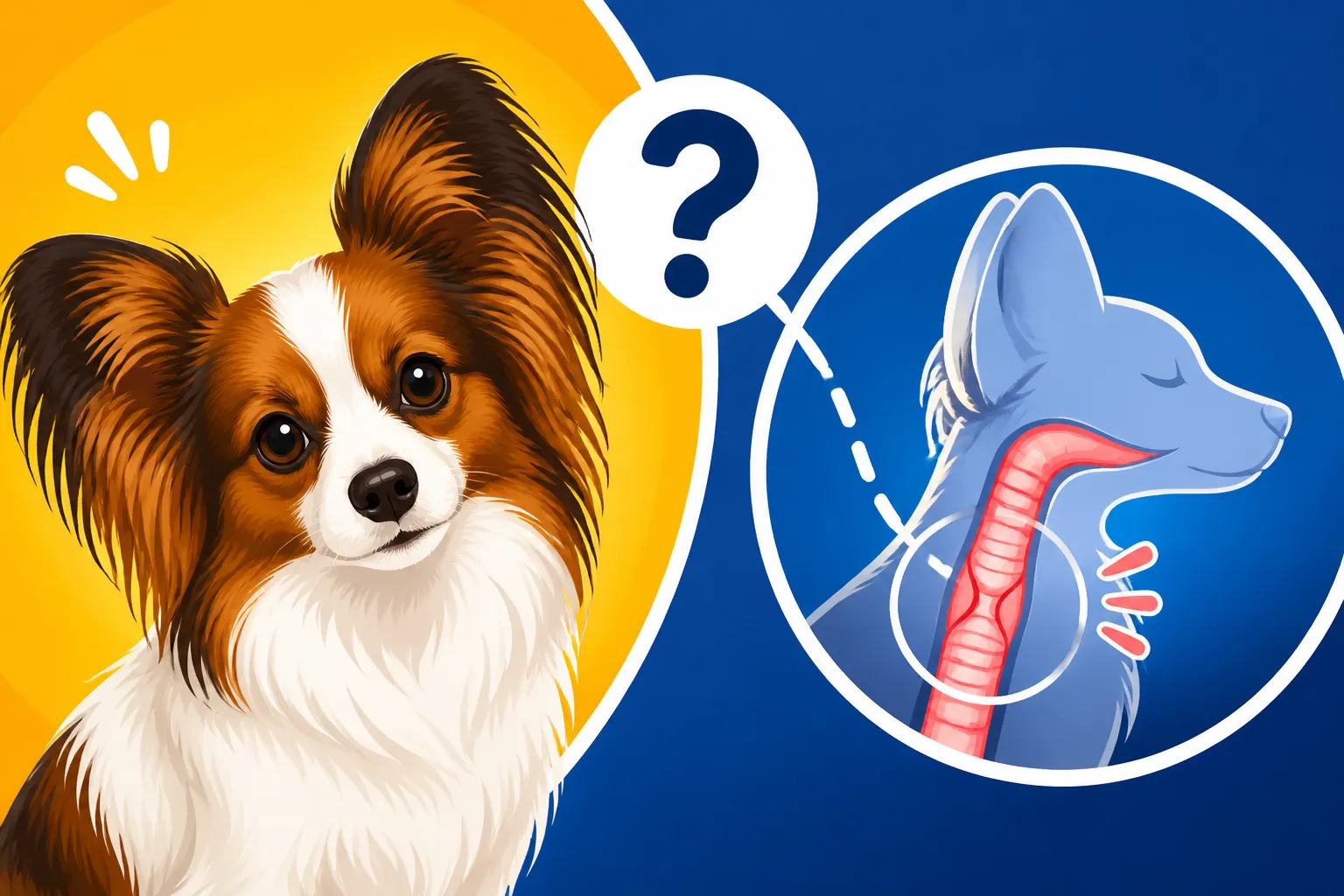
The trachea, often called the windpipe, is essentially a flexible tube that carries air from your dog's nose and mouth down to their lungs. It's made up of C-shaped cartilage rings that keep it open, much like the rings on a vacuum cleaner hose prevent it from kinking shut. When these rings weaken or flatten, the trachea can collapse, making breathing difficult and leading to that alarming cough we often associate with the condition.
What is a Collapsing Trachea?
Imagine trying to breathe through a straw that keeps getting pinched closed. That's a pretty good analogy for what happens inside a dog with a collapsing trachea. Instead of firm, resilient cartilage keeping the airway wide open, the C-shaped rings in the trachea soften and lose their rigidity. This can happen anywhere along the windpipe, but it's most commonly seen in the neck portion (cervical trachea) or closer to the lungs (intrathoracic trachea). When your dog inhales, the pressure in their chest can cause the trachea to flatten, reducing the amount of air that can get to their lungs. Conversely, when they exhale, the pressure can cause the airway to narrow. This constant struggle to get enough air leads to inflammation, irritation, and of course, that distinct, persistent cough. It's not just an inconvenience; it can severely impact a dog's quality of life, especially during excitement, exercise, or even just a warm day.
Why Small Breeds Are Prone to It
If you've spent any time around toy breeds, you've probably heard someone mention a collapsing trachea. It’s an unfortunate reality that breeds like Yorkshire Terriers, Pomeranians, Chihuahuas, and Poodles are disproportionately affected. There's a strong genetic component at play here; these smaller dogs often have inherently weaker tracheal cartilage compared to their larger counterparts. It's not necessarily something that develops due to injury, though trauma can certainly exacerbate it, but rather an anatomical predisposition. Their delicate bone structure and often compact necks mean the forces that keep the trachea open just aren't as robust. Furthermore, many small breeds have a propensity for being overweight, which adds significant pressure on the trachea and respiratory system, worsening any underlying weakness. It’s a complex issue, but understanding this predisposition helps us, as pet parents, be more vigilant and proactive.
Collapsing Trachea and the Papillon Breed
When it comes to Papillons, their generally robust health and agile nature might lead you to believe they're immune to conditions like a collapsing trachea. However, while they might not be as universally prone to it as, say, a Yorkie, it's still a concern that discerning Papillon owners should be aware of.
Is it Common in Papillons?
While Papillons are celebrated for their generally healthy dispositions and impressive longevity – many enjoy a lifespan well into their teens – they are not entirely immune to the specter of a collapsing trachea. It’s certainly less common than in some other toy breeds where it's almost an expectation, but it's not unheard of. Their delicate build, though sturdy for their size, still places them in the "toy breed" category, which means they share some of the same anatomical vulnerabilities. The incidence isn't as high as with breeds notorious for the condition, but veterinarians do see Papillons presenting with symptoms. This condition can sneak up on you, often starting subtly and progressing over time. It's easy to dismiss an occasional cough as a minor irritation or even a reverse sneeze, but for a Papillon, it's always worth considering the trachea, especially if the cough is recurrent or becomes more frequent. A good breeder will prioritize overall structural health, but even in well-bred lines, no dog is guaranteed complete freedom from every potential health issue. For a comprehensive overview of how long your companion might grace your life, you can read more about How Long a Papillon Lives.
Recognizing the Signs in Your Papillon
The hallmark sign of a collapsing trachea is a distinctive, dry, harsh, paroxysmal cough that often sounds like a "goose honk." It's not a soft, wet cough, but rather a sudden, startling burst of noise. This cough tends to worsen with excitement, exercise, heat, or when pressure is applied to the neck – think about what happens when your Papillon pulls on their collar during a walk. Beyond the cough, you might notice your Papillon experiencing difficulty breathing, which could manifest as wheezing, gasping for air, or rapid, shallow breaths. Some dogs might become easily winded, showing exercise intolerance and reluctance to play. In more severe cases, their gums or tongue might take on a bluish tint, indicating a lack of oxygen, which is an emergency situation requiring immediate veterinary attention. It’s crucial to observe when these symptoms occur. Does the cough happen after a burst of zoomies in the living room? Or perhaps when they get overly excited because you’re about to go outside? Keeping a mental note of these patterns can provide invaluable information to your veterinarian. This kind of persistent coughing shouldn't be ignored, as it can indicate significant discomfort and even pain for your little one. Sometimes, a cough might even be mistaken for something else, so it's vital to get a professional diagnosis. For other common causes of respiratory distress or coughing, it's worth considering possibilities like a "Whether a Papillon Gets a Collapsing Trachea"-like symptom that might actually be related to a heart condition.
Diagnosis and Management of Collapsing Trachea
If you suspect your Papillon might be struggling with a collapsing trachea, the next step is a trip to your veterinarian. Early and accurate diagnosis is key to effective management and maintaining your dog's quality of life.
How Vets Diagnose the Condition
Diagnosing a collapsing trachea typically begins with a thorough physical examination. Your vet will listen to your Papillon's lungs and heart, and gently palpate, or feel, their trachea. Often, applying slight pressure to the windpipe can elicit that characteristic "goose honk" cough, providing a strong indicator. Beyond the physical exam, imaging techniques are crucial for confirmation. Standard X-rays (radiographs) can sometimes show a narrowing of the trachea, though it's important to remember that X-rays are static images and the trachea can collapse intermittently. For a more dynamic view, many vets will recommend a fluoroscopy, which is essentially a real-time X-ray video. This allows them to see the trachea as your dog breathes, coughs, and moves, catching the collapse in action. Another, more invasive, but highly diagnostic procedure is a tracheoscopy, where a tiny camera is inserted into the trachea under anesthesia. This provides a direct visual of the tracheal rings and the extent of the collapse. Your vet might also recommend blood tests to rule out other conditions or assess your dog's overall health, especially before considering anesthesia for advanced diagnostics. It’s a process that requires patience and close collaboration with your veterinary team, but getting a definitive diagnosis is the first step towards relief for your Papillon.
Lifestyle Adjustments and Medical Management
Once a collapsing trachea is diagnosed, the initial approach almost always involves a combination of lifestyle adjustments and medical management. The single most impactful change for many Papillons is weight management. Even a few extra ounces can put significant strain on their respiratory system, so getting and keeping your Papillon at a healthy weight is paramount. This can sometimes make all the difference. Another non-negotiable adjustment is switching from a neck collar to a well-fitting harness. A collar, even a loose one, can put direct pressure on the trachea, exacerbating the collapse and triggering coughs. A harness distributes pressure across the chest and shoulders, leaving the delicate neck area free. You'll also want to minimize environmental irritants such as cigarette smoke, strong air fresheners, dust, and allergens, as these can trigger coughing spells and inflammation.
Medications play a vital role in managing symptoms. Cough suppressants, often containing hydrocodone or butorphanol, can reduce the frequency and severity of coughing, offering much-needed relief. Bronchodilators, like theophylline, help to open the airways, making breathing easier. Anti-inflammatory medications, such as corticosteroids (prednisone), can reduce swelling and irritation in the trachea. In some cases, antibiotics might be prescribed if a secondary infection develops due to the chronic irritation. It’s a delicate balance to find the right combination of medications, and your vet will work closely with you. For many owners, the cost of ongoing medications, diagnostics, and vet visits for a chronic condition like this can be daunting. This is where pet insurance, like a plan from Healthy Paws, can be an absolute lifesaver. It helps cover the unexpected — or in this case, the anticipated but still costly — expenses, allowing you to focus on your Papillon's care without financial stress. Remember, even with medication, environmental controls and proactive choices like using a harness are critical components of successful management. For more on this, you might find our article Whether a Papillon Should Wear a Harness Instead of a Collar particularly helpful.
| Symptom Feature | Collapsing Trachea (Typical) | Kennel Cough (Typical) | Reverse Sneeze (Typical) |
|---|---|---|---|
| Sound | Harsh, dry, "goose honk" | Hacking, moist, sounds like something caught | Snorting, gasping, inhaled rapidly |
| Triggers | Excitement, exercise, heat, collar pressure, eating/drinking | Exposure to other dogs, stress, environmental irritants | Excitement, allergies, quick changes in air temperature, post-waking |
| Duration | Often chronic, persistent, episodes can vary in length | Acute onset, typically resolves in 1-2 weeks | Brief episodes, usually lasting seconds to a minute |
| Accompanying Signs | Difficulty breathing, wheezing, blue gums (severe), exercise intolerance | Nasal discharge, lethargy, fever, loss of appetite | No other symptoms usually, dog quickly recovers |
| When to Worry | Worsening symptoms, blue gums, continuous distress | High fever, severe lethargy, very difficult breathing | If it becomes frequent, prolonged, or distressful |
Advanced Treatment Options and Prognosis
While lifestyle changes and medications often work wonders for managing a collapsing trachea, there are instances where these measures aren't enough. For Papillons suffering from severe, debilitating symptoms, advanced interventions might be necessary.
Surgical Interventions for Severe Cases
When medical management and lifestyle adjustments no longer provide adequate relief, and a Papillon's quality of life is severely impacted, surgical intervention becomes a serious consideration. This is not a decision to be taken lightly, as any surgery, especially in a small breed like a Papillon, carries risks. The goal of surgery is to mechanically support the trachea and prevent it from collapsing. There are primarily two surgical approaches:
One common method involves placing external tracheal rings or prosthetics around the collapsed section of the windpipe. These rings, usually made of polypropylene, act like an external scaffold, holding the trachea open. This is a complex procedure performed by a specialist veterinary surgeon. The recovery period requires careful management, and while it can significantly improve breathing, it doesn't always guarantee a complete cure, as other sections of the trachea can sometimes weaken over time.
Another option, particularly for collapses closer to the chest, is the placement of an internal tracheal stent. This is a mesh tube that is deployed inside the trachea, expanding to hold the airway open. Stents are typically placed using a minimally invasive technique called fluoroscopy. While effective, internal stents also come with potential complications, including irritation, granulation tissue formation, or even fracture of the stent itself. Both surgical options are costly and require significant post-operative care and monitoring. Discussing these options thoroughly with your veterinary specialist, weighing the pros and cons, and understanding the potential risks and benefits is paramount for your Papillon's well-being. It's an investment, not just financially but emotionally, and requires a dedicated owner.
Living with a Papillon with Collapsing Trachea
Living with a Papillon diagnosed with a collapsing trachea requires ongoing vigilance and a commitment to their specific needs, but it absolutely doesn't mean a diminished life for your beloved companion. Many Papillons with this condition, even those with more severe forms, can enjoy a good quality of life with proper management. The long-term outlook largely depends on the severity of the collapse, how well it responds to treatment, and the owner's adherence to the recommended care plan. Routine veterinary check-ups are essential to monitor the progression of the condition and adjust medications as needed. These regular visits, including detailed examinations and perhaps follow-up imaging, can help catch any worsening symptoms early. To help manage these expenses, especially for a chronic condition requiring continuous monitoring and potential adjustments to medication or even future procedures, having pet insurance like Healthy Paws can truly alleviate the burden. They understand the reality of ongoing care.
Beyond the medical side, creating a calm and comfortable home environment is key. Avoid anything that causes excessive excitement or stress, as these can trigger coughing fits. Keep your Papillon at a healthy weight, as even a little extra can significantly worsen breathing. Continue to use a harness for walks – this cannot be stressed enough – to avoid any pressure on their delicate trachea. Consider things like elevated food and water bowls to reduce neck strain while eating. Protecting them from extreme temperatures, both hot and cold, can also make a big difference in their comfort. With a dedicated approach, your Papillon can continue to bring joy and companionship for many years, proving that even with a chronic condition, a full and happy life is entirely possible.
Prevention and Breeder Responsibility
While a collapsing trachea isn't always preventable, especially given its genetic component, there are certainly steps owners can take to minimize risk and manage symptoms. Responsible breeding practices also play a crucial role in the overall health of the Papillon population.
Proactive Steps for Owners
Even if your Papillon hasn't been diagnosed with a collapsing trachea, taking proactive steps can significantly reduce their risk or, if they do develop it, lessen the severity of symptoms. First and foremost is maintaining a healthy weight. Obesity is a major exacerbating factor for collapsing trachea, as excess fat around the neck and chest puts additional pressure on the airways. Work closely with your vet to ensure your Papillon stays within their ideal weight range; even a few extra ounces can make a big difference for such a small dog.
Secondly, always use a harness instead of a collar for walks and any kind of restraint. A harness distributes pressure across the chest and shoulders, completely avoiding the delicate tracheal area. This is a simple, yet incredibly effective, preventative measure. Avoid exposing your Papillon to environmental irritants like cigarette smoke, strong perfumes, dust, or harsh cleaning chemicals, as these can inflame the airways and trigger coughing. Furthermore, ensure they don't get overly excited or stressed for prolonged periods, as panting and rapid breathing can also stress the trachea. Regular, calm exercise and consistent, positive reinforcement training can help manage excitement levels. Regular veterinary check-ups, even when your Papillon seems perfectly healthy, are also vital. Your vet can monitor their weight, listen to their breathing, and catch any subtle signs of trouble early on, ensuring a prompt response. Consistent care helps ensure your Papillon remains healthy throughout their life, and knowing "How Often a Papillon Needs a Wellness Exam" can guide your schedule.
The Role of Responsible Breeding
While a specific gene test for collapsing trachea in Papillons isn't currently available, responsible breeders still play a critical role in minimizing its prevalence. Because of the strong suspicion of a genetic component, reputable breeders will meticulously review the health history of their breeding lines, looking for any incidence of collapsing trachea in parents, grandparents, or siblings. Dogs with a history of the condition should ideally not be bred. While complex, selective breeding over generations, focusing on overall structural soundness and robust cartilage health, can contribute to reducing the likelihood of this condition appearing in puppies.
A responsible breeder won't just focus on looks or titles; they'll prioritize the health and temperament of their dogs. They will be transparent about any health issues in their lines and open to discussing health testing results, even for conditions that don't have direct DNA tests. They should be able to provide clear records and insights into the longevity and health of their dogs' relatives. This commitment to transparency and health screening, including things like orthopedic exams and eye certifications, is what separates a truly dedicated breeder from someone simply breeding for profit. If you are ever looking for a Papillon, understanding "What a Papillon Breeder Should Have Tested" is essential to ensure you are supporting ethical practices and increasing the chances of bringing home a healthy puppy. Always ask about the health of the parents and their lineage, and don't hesitate to walk away if a breeder isn't forthcoming with information or dismisses concerns about common toy breed health issues.
Disclaimer
This article is for general informational purposes only and does not constitute professional advice. Laws, prices and regulations vary by location and change over time. Consult a qualified professional for guidance on your specific situation.