Whether Two Carrier Papillons Should Be Bred
It's a tough situation for any dedicated Papillon breeder when you have two wonderful dogs, full of potential, but both happen to carry a gene for a specific health condition. The thought of pairing them might be tempting, especially if they possess other desirable traits, but the genetic implications for their future puppies are significant. This guide will walk you through the realities of breeding two carrier Papillons, outlining the risks, the ethical considerations, and how to make the most responsible choices for the health and well-being of this beloved breed.
Understanding Genetic Carrier Status in Papillons
When we talk about a dog being a "carrier" for a genetic condition, it means they possess one copy of a gene that could cause a disease, but they don't actually show any symptoms themselves. Think of it like a hidden switch; they can pass that switch on to their offspring, but it doesn't affect them directly because they have a "normal" copy of the gene to compensate. Many of these conditions are autosomal recessive, meaning a puppy needs to inherit two copies of the faulty gene—one from each parent—to actually develop the disease.
What it Means to Be a Carrier
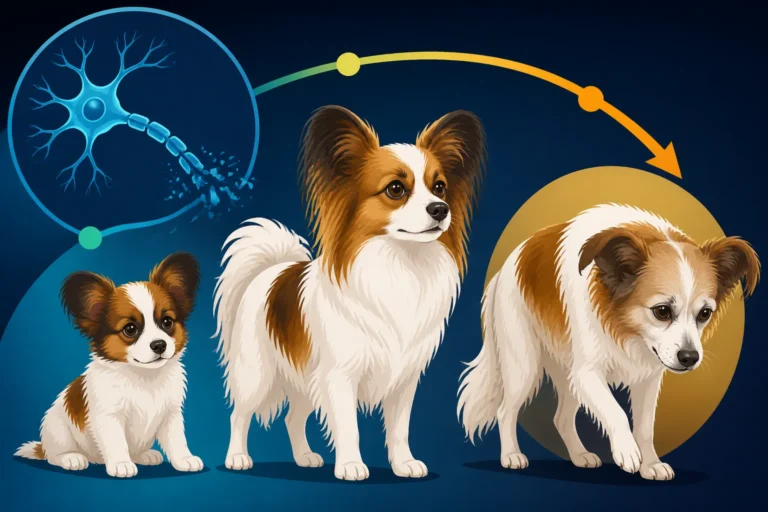
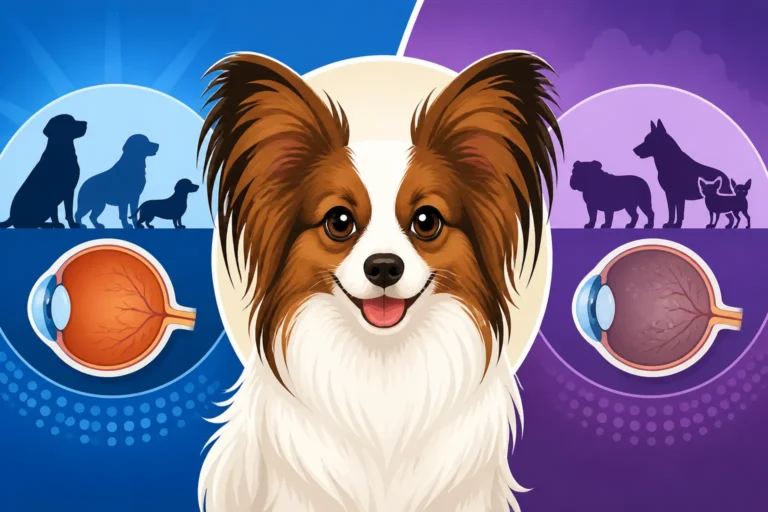
For Papillons, several genetic conditions are inherited in this autosomal recessive manner. One of the most well-known is Progressive Retinal Atrophy, specifically PRA1, which can lead to blindness. A Papillon that is a carrier for PRA1 will have perfect vision throughout its life. It's a healthy dog in every observable way when it comes to its eyes. The same goes for other conditions like Neuroaxonal Dystrophy, a neurological disorder, or Von Willebrand Disease, a bleeding disorder. A carrier simply holds the potential to pass on a problematic gene without suffering from the disease themselves. This is why carriers are often unknowingly integrated into breeding programs if proper testing isn't done, and it's also why it's so frustrating when you discover two otherwise exemplary dogs are both carriers. The challenge lies in balancing the desire to maintain other excellent breed characteristics with the imperative to eliminate or manage genetic disease.
Identifying Carriers Through Genetic Testing
The only way to definitively know if a Papillon is a carrier for an autosomal recessive genetic condition is through specific DNA testing. You can't tell by looking at them, or by their health history alone, as carriers are outwardly healthy. For conditions like PRA1, there are reliable DNA tests available that can accurately determine if a dog is "clear" (meaning they don't carry the gene), a "carrier" (meaning they carry one copy), or "affected" (meaning they have two copies and will develop the disease). These tests typically involve a simple cheek swab that can be sent to specialized veterinary genetics laboratories. A conscientious breeder will run a comprehensive battery of tests to ensure they understand their dogs' genetic profiles. In addition to eye conditions, many breeders are now looking at genetic tests for conditions such as The DNA Test for Papillon Neuroaxonal Dystrophy to ensure the long-term health of their lines. Knowing your dog's status is the first, and arguably the most crucial, step in responsible breeding. Without this information, you're essentially breeding blind, literally and figuratively, and risking the health of an entire litter.
The Risks of Breeding Two Carrier Papillons
The core problem with breeding two Papillons who are both carriers for the same autosomal recessive genetic condition boils down to simple probability. While each parent dog is healthy, their combined genetic contribution can result in puppies that are affected by the disease. This isn't just a theoretical risk; it's a very real and predictable outcome that responsible breeders strive to avoid.
The Punnett Square: A Genetic Reality
Let's break down the genetics with a common tool in breeding: the Punnett Square. Imagine 'N' represents the normal, healthy gene, and 'n' represents the recessive gene for a condition like PRA1.
A carrier dog has the genotype Nn (one normal gene, one recessive gene).
If you breed two carrier dogs (Nn x Nn), here's what the possibilities for their offspring look like:
| N | n | |
|---|---|---|
| N | NN | Nn |
| n | Nn | nn |
As you can see from the table:
- 25% chance (NN): The puppy will be "clear" and completely free of the gene.
- 50% chance (Nn): The puppy will be a "carrier" like its parents, healthy but capable of passing the gene on.
- 25% chance (nn): The puppy will be "affected" and will eventually develop the genetic disease.
This means that for every litter produced from two carrier parents, there is a one-in-four chance that any given puppy will be affected by the condition. This isn't a small risk; it's a significant gamble with the health and future of living creatures. For conditions like Progressive Retinal Atrophy, this means a puppy could go blind, which is a devastating prospect. Understanding How PRA1 Is Inherited in Papillons is crucial for making ethical breeding decisions.
The Impact on Puppy Health and Welfare
The direct impact on affected puppies is, of course, the most severe consequence. For a condition like The Papillon Type of Progressive Retinal Atrophy and the CNGB1 Gene, an affected puppy will inevitably lose its vision. This progressive blindness starts with night vision and can eventually lead to complete blindness, significantly altering the dog's quality of life. While many blind dogs adapt remarkably well, it still requires extra care, a stable environment, and a commitment from their future families to manage their condition. Similarly, conditions such as What Neuroaxonal Dystrophy Does to a Papillon can lead to severe neurological deficits, impacting coordination and quality of life from a young age.
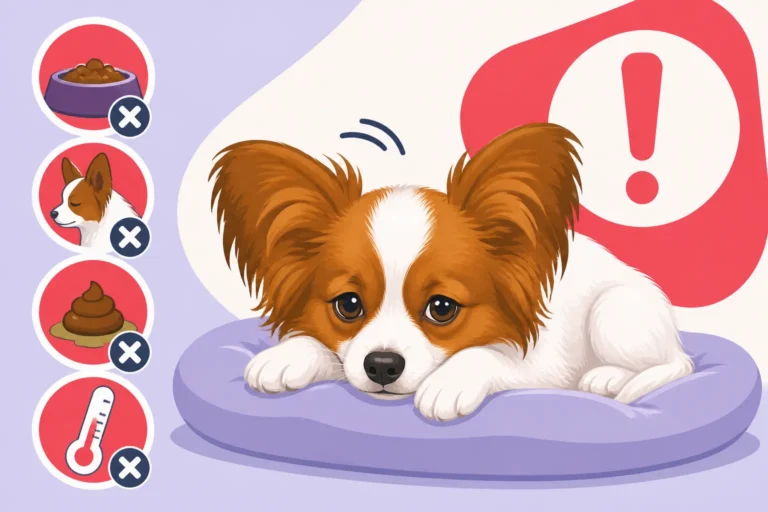
Beyond the affected puppies, there's the broader welfare consideration. Even the carrier puppies in the litter (the 50%) will need to be carefully placed in homes where their owners understand their genetic status and commit to not breeding them to another carrier. This adds a layer of complexity to finding suitable homes and requires a high degree of transparency and education on the breeder's part. It's a huge responsibility to ensure every puppy has the best possible future, and knowingly creating a litter with a 25% chance of severe health issues goes against the core principles of responsible breeding. The emotional and financial toll on owners of affected dogs can be immense, even with pet insurance like Healthy Paws helping to cover some of the veterinary costs, the daily management and heartache are still very real.
Responsible Breeding Practices for Papillons
Responsible breeding is all about making choices that prioritize the health, temperament, and longevity of the breed. When faced with dogs who are carriers for genetic conditions, this responsibility becomes even more critical. It’s not just about one litter, but about the long-term genetic health of the entire Papillon population.
Avoiding Problem Pairings
The simplest and most effective way to avoid producing affected puppies from carrier dogs is to never breed two carriers together. This is a fundamental principle in ethical breeding. If you have a beautiful Papillon that is a carrier for a specific condition, you absolutely can still incorporate them into a breeding program, provided you make careful mating choices. The key is to pair a carrier with a dog that is "clear" (NN) for that same condition.
Let's look at the Punnett Square for a Carrier (Nn) bred to a Clear (NN):
| N | N | |
|---|---|---|
| N | NN | NN |
| n | Nn | Nn |
In this scenario:
- 50% chance (NN): The puppies will be "clear" and free of the gene.
- 50% chance (Nn): The puppies will be "carriers" like their carrier parent, but will be healthy.
- 0% chance (nn): There will be no "affected" puppies.
This approach ensures that no puppies will suffer from the genetic disease, while still allowing valuable genetics from the carrier parent to be passed on. All puppies from such a pairing will either be clear or carriers themselves. It is then the breeder's responsibility to fully disclose the carrier status of any puppies to their new owners, often placing carrier puppies on limited registration with a spay/neuter contract, or ensuring that future breeding decisions also follow these responsible guidelines. This strategy helps preserve genetic diversity by not immediately removing all carriers from the gene pool, but it does so in a way that protects the health of individual dogs. Breeders looking to understand more about overall health might find Whether a Papillon Is a Healthy Breed helpful.
Ethical Considerations and Transparency
Ethical breeding extends far beyond simply avoiding affected puppies. It involves a deep commitment to the breed's future, which includes transparency, education, and continuous learning. A responsible breeder will conduct Which Health Tests a Papillon Breeder Should Run and openly share the results of all genetic testing with potential puppy buyers. They will educate new owners about the implications of a puppy being a carrier and provide guidance on future breeding choices if that puppy is intended for a breeding program (which is rare for carrier offspring, as the goal is to breed clear to carrier to eventually reduce the number of carriers).
The long-term health of the Papillon breed relies on breeders making informed decisions that reduce the incidence of genetic diseases over generations. This sometimes means making difficult choices, even if it means retiring a beloved dog from a breeding program if suitable clear mates cannot be found, or if they carry multiple undesirable genes. It's about looking beyond the immediate potential of one dog and focusing on the greater good of the breed. Pet insurance providers like Healthy Paws are a great resource for owners to protect against unexpected health issues, but proactive breeding practices are the first line of defense against preventable genetic conditions. Transparency builds trust and ensures that puppy buyers are fully equipped to care for their new family member, no matter their genetic status.
Utilizing Genetic Diversity Responsibly
One of the ongoing discussions in purebred dog circles is how to manage genetic conditions without overly narrowing the gene pool. If every carrier were immediately removed from breeding, it could potentially lead to a reduction in genetic diversity, making the breed more susceptible to other issues down the line. This is where strategic breeding comes in. Breeding a carrier to a clear dog, as discussed, is a way to maintain valuable traits from the carrier while ensuring no affected puppies are produced. The subsequent clear offspring from such pairings can then be used in future breeding programs, slowly increasing the percentage of clear dogs in the population over time.
This carefully planned approach allows for the gradual reduction of undesirable genes without creating a genetic bottleneck. Organizations like the Papillon Club of America often provide resources and guidelines for breeders to help them navigate these complex decisions, emphasizing the importance of diverse pedigrees and comprehensive health testing. It’s a delicate balance, but one that is achievable with careful planning and a commitment to genetic health. Breeders should always refer to the specific recommendations from their national breed club and consult with experienced mentors or veterinary geneticists to make the best choices for their lines.
Making Informed Decisions for Your Papillon's Future
Navigating the world of canine genetics and breeding can feel overwhelming, especially when you're deeply invested in the well-being of your dogs and the future of the Papillon breed. Making informed decisions requires a combination of knowledge, ethical reflection, and expert guidance.
Consulting with Experts
Never feel like you have to go it alone. The dog breeding community, especially within a specific breed like the Papillon, is often rich with experienced mentors, veterinarians, and geneticists who can offer invaluable advice. If you're unsure about a breeding pairing or the implications of specific genetic test results, reach out to them. Your veterinarian can provide general health guidance and help interpret test results, while a veterinary geneticist can offer specialized insights into complex genetic situations and help you plan a breeding strategy that minimizes risks while preserving desired traits. Experienced Papillon breeders within your national breed club (e.g., Papillon Club of America) can also provide practical advice and share their experiences in managing genetic conditions within their lines. Don't be afraid to ask for help; it's a sign of a truly responsible breeder committed to the welfare of their dogs. When considering the comprehensive health journey, understanding How Long a Papillon Lives can help put breeding decisions into perspective.
Long-Term Commitment to Health
Ultimately, responsible breeding is a marathon, not a sprint. It’s a long-term commitment to the health, integrity, and vitality of the Papillon breed. This means embracing routine health screenings, staying updated on new genetic tests, and being prepared to adapt your breeding program based on new information or emerging health concerns. The goal is to produce healthy, happy puppies that will live long, fulfilling lives with their families. This commitment includes understanding the full spectrum of care a Papillon might need throughout its life, from puppyhood to its senior years, including considerations like Caring for a Papillon Past Eleven.
By prioritizing health and ethical practices, breeders contribute to the overall well-being and reputation of the Papillon breed. While the decision to breed two carriers might seem like a way to keep certain desirable traits in the gene pool, the significant risk of producing affected puppies usually outweighs any potential benefits. There are always other pairings that can achieve similar goals without putting puppy health at risk. Focus on clear-to-carrier pairings, transparent communication with buyers, and a steadfast dedication to breed health, and you’ll be doing your part to ensure the Papillon remains a vibrant and cherished companion for generations to come. Even with the best intentions and pet insurance like Healthy Paws in place, preventing disease through careful breeding is always the preferred path.
Disclaimer
The information provided in this article is for general informational purposes only and does not constitute veterinary or genetic advice. Always consult with a qualified veterinarian or a certified veterinary geneticist for any health concerns or breeding decisions regarding your Papillon.