Whether Weight Affects a Papillon’s Knees
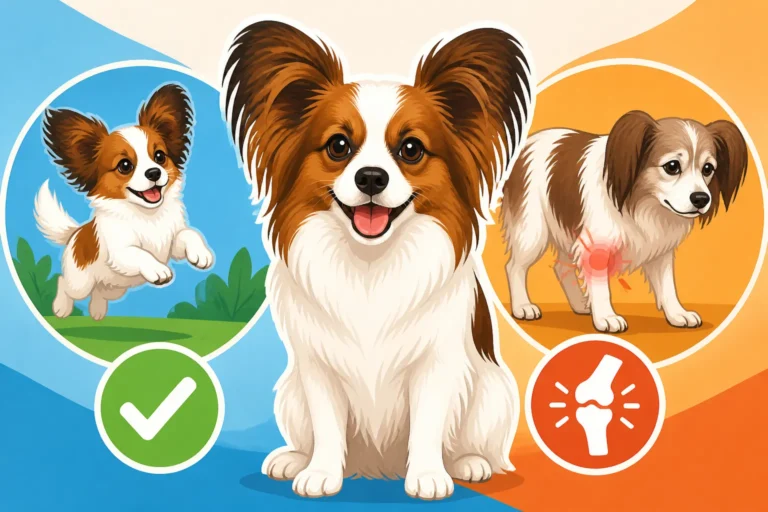
Many Papillon owners find themselves in a constant state of worry about their tiny dog's delicate knees, and for good reason. These spirited little companions are indeed predisposed to certain orthopedic issues, with patellar luxation being a primary concern. It’s a completely valid frustration, watching your little one skip a step or hesitate before jumping, wondering if you're doing everything right to protect them. This guide aims to shed light on exactly how your Papillon's weight profoundly impacts their knee health, offering practical, empathetic advice to help safeguard those precious joints for a lifetime of happy, pain-free frolicking.
The Outsized Impact of Small Weight Gains on Papillon Knees
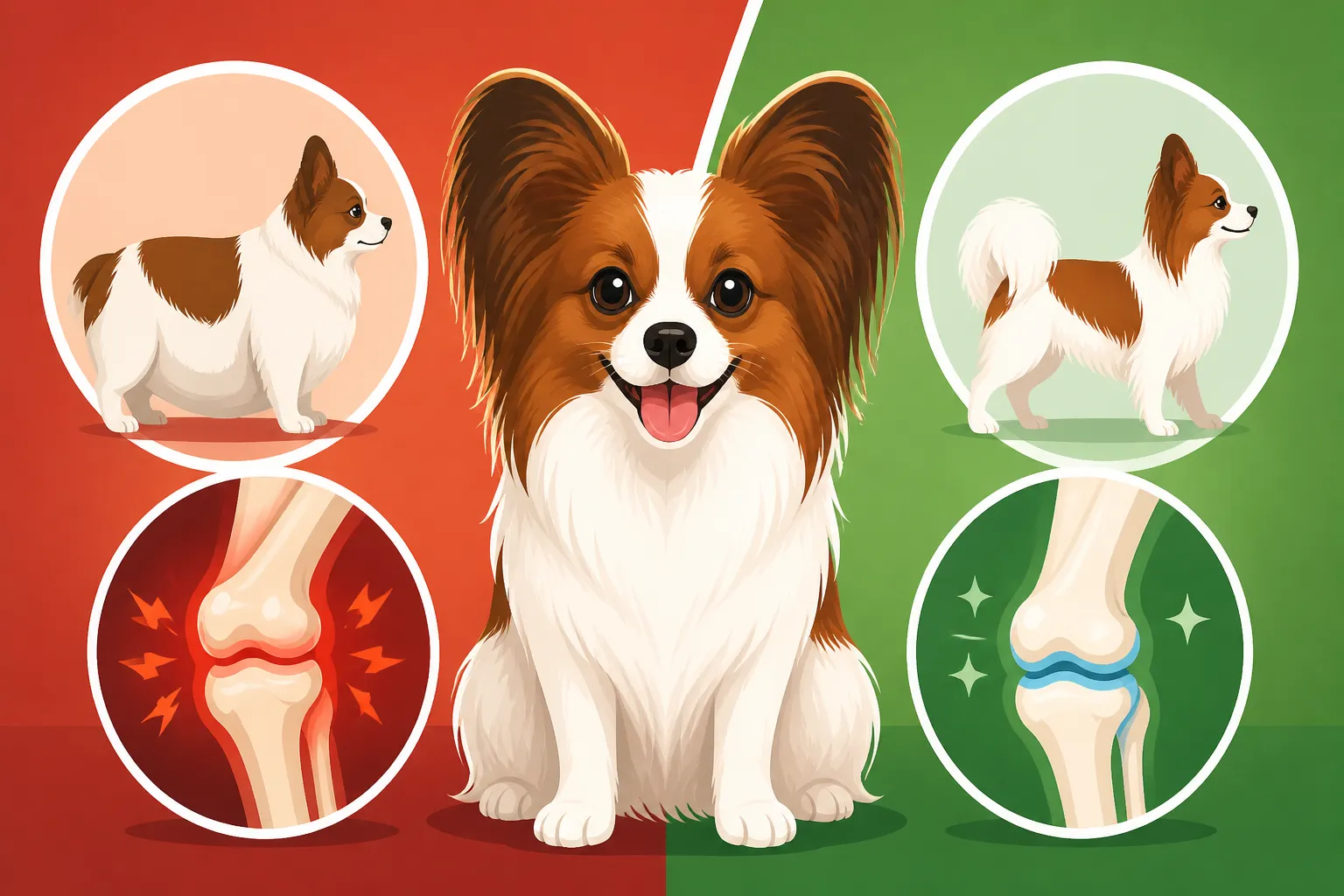
It might seem negligible for a human, but for a tiny Papillon, even a slight increase in body weight—we're talking mere ounces, not pounds—can place an immense, disproportionate strain on their already delicate knee joints. Papillons typically range from 5 to 10 pounds, which means an extra pound or two isn't just a little chub; it represents a significant percentage increase in their overall body mass. Imagine trying to perform your daily activities while carrying an extra 20-40% of your own body weight. That's the kind of equivalent stress we're talking about for a Papillon. This added burden isn't just about making them heavier; it fundamentally alters their biomechanics, affecting how their tiny legs support them, how they absorb impact, and, most critically, how their kneecaps track within their natural grooves.
Why Every Ounce Truly Matters for Their Joints
It's genuinely not an overstatement to say that for a Papillon, a single extra ounce can contribute to the development or worsening of orthopedic problems. Their joints, particularly the patella (kneecap) and the intricate network of surrounding ligaments and tendons, are precisely engineered to support a very specific, lightweight frame. When that frame becomes heavier than its intended design, the forces acting on those joints increase exponentially. This translates to faster wear and tear on crucial cartilage, an increase in inflammation, and, most significantly, puts more stress on the structures responsible for holding the kneecap securely in place. Over time, this cumulative stress can exacerbate existing conformational issues or even instigate new ones, transforming a latent genetic predisposition into an active, painful condition. Think of the delicate precision required in a finely tuned clock mechanism; even a tiny speck of dust or an added weight can throw the entire system off balance.
How Extra Weight Contributes to Patellar Luxation Progression
One of the most prevalent orthopedic issues plaguing small breeds like the Papillon is patellar luxation, a condition where the kneecap slips out of its normal groove. While there's an undeniable genetic component, excess weight acts as a powerful accelerant to the condition's progression. If a Papillon is already predisposed with shallow trochlear grooves—the natural channel where the kneecap glides—or has naturally lax ligaments, even a modest amount of excess weight can cause that kneecap to slip out more frequently or with greater force. This repeated slipping (luxation) and subsequent snapping back into place (reduction) causes further damage to the surrounding soft tissues and bone, inevitably leading to pain, persistent inflammation, and the onset of debilitating arthritis. It becomes a relentless cycle: additional weight intensifies the luxation, which escalates pain, which in turn reduces the dog's activity level, leading to further weight gain. Many observant owners notice their Papillon exhibiting a distinct "skipping" motion when their kneecap momentarily slips, which is one of the clearest Signs a Papillon's Kneecap Slips. If you're wrestling with the question of Why a Papillon's Kneecap Slips Out, it's crucial to understand that extra weight often plays a significant, exacerbating role, working hand-in-hand with inherited factors.
Understanding Patellar Luxation and Its Exacerbation by Weight
Patellar luxation is a term that many small breed owners become all too familiar with, and Papillons are, regrettably, no exception. The condition is categorized into four distinct grades, ranging from Grade 1, which involves minimal and often spontaneous slipping of the kneecap, all the way to Grade 4, where the kneecap is permanently luxated and significant bone deformity is present. While genetics undeniably lay the groundwork for a Papillon's susceptibility to this condition, the actual severity and the rate at which the disease progresses are profoundly influenced by environmental factors. Among these, body weight stands out as one of the most critical. Gaining a deeper understanding of What Patellar Luxation Does to a Papillon is absolutely fundamental to appreciating why diligent weight management is not just important, but vital.
Genetic Predisposition Versus Lifestyle Triggers
It is an established fact that patellar luxation has a strong hereditary component. A Papillon might inherit a predisposition from its parents – perhaps a slightly less straight femur or those shallow trochlear grooves that fail to adequately cradle the kneecap. This is precisely why any responsible Papillon breeder will insist on orthopedic screenings for their breeding animals. However, a genetic predisposition should not be mistaken for an inevitable sentence to severe luxation. This is where the interplay of lifestyle and weight becomes paramount. A Papillon that is kept lean and well-muscled, even with a genetic inclination, might only experience mild, infrequent luxation, perhaps staying at a Grade 1, which may never even necessitate surgical intervention. Conversely, an overweight Papillon with the exact same genetic blueprint is significantly more likely to see the condition escalate into a painful Grade 2, 3, or even 4, often requiring extensive medical management or complex surgery. It truly is a quintessential example of how "nature" (genetics) interacts with "nurture" (the care we provide). For a more in-depth exploration, our comprehensive guide, Patellar Luxation Is the Papillon Problem You Will Actually Meet, provides further details on navigating this common issue.
The Mechanism: How Fat Adds Stress to Small Knees
When a Papillon carries extra weight, the problem isn't solely the presence of additional fat tissue itself, though that certainly contributes. The more significant issue lies in the fundamental biomechanical shifts it forces upon their tiny, delicate skeletal structure. Papillon legs are already characterized by their relative length and fineness, proportionate to their small body. Added weight means an increased gravitational pull, forcing the knee joint to absorb a greater amount of impact with every single step, jump, and run they take. This relentless, increased load constantly stretches and strains the ligaments that are designed to maintain proper kneecap alignment. Furthermore, this sustained pressure can cause the trochlear groove, over time, to become even shallower as the kneecap is repeatedly forced out of its natural position.
Consider the force exerted on the joint when a Papillon launches itself off a sofa. If they are at their ideal, lean body weight, the impact force upon landing is well within their joint's capacity to manage. However, add just a pound or two of extra weight, and that impact force escalates significantly. This repeated, higher-impact stress, especially on a joint surface that may already be compromised, dramatically increases both the frequency of the kneecap slipping and the extent of subsequent damage. This is why practical advice, such as considering Whether a Papillon Should Be Stopped From Jumping Off Furniture, is particularly crucial for these small dogs, and it becomes even more imperative if they are carrying any excess weight.
Strategies for Maintaining an Ideal Weight to Protect Papillon Knees
Effectively preventing or managing patellar luxation, particularly in its nascent stages, hinges significantly on keeping your Papillon at their optimal lean body weight. This isn't about embarking on an extreme diet to make them appear unnaturally slender; it's about meticulously finding that perfect balance where they are healthy, vibrantly energetic, and their precious knee joints are subjected to the absolute minimum amount of strain. Achieving this requires a thoughtful and consistent approach encompassing diet, exercise, and vigilant, regular monitoring.
Crafting a Balanced Diet and Feeding Schedule
For a Papillon, whose metabolism can be surprisingly robust but whose overall caloric requirements are inherently modest, a meticulously balanced diet is paramount. Starting with a high-quality kibble, ideally a small-bite formula specifically designed for toy breeds, is an excellent foundation. When selecting food, prioritize brands that emphasize high-quality protein sources and maintain appropriate, healthy fat levels. Precise food measurement is not merely a suggestion for these tiny canines; it's an absolute necessity. Never simply eyeball their portions; always use a dedicated measuring cup. Many adult Papillons may only require a quarter to a half cup of kibble each day, ideally divided into two smaller meals. It's easy to overlook, but even seemingly insignificant treats can rapidly accumulate calories, so it's vital to factor them into their overall daily caloric intake. If your Papillon is a particularly fussy eater, or if you're struggling to ascertain the correct dietary balance, a consultation with your veterinarian is always advisable. They can meticulously calculate your dog's exact caloric needs based on their age, activity level, and current weight. You might also find that What a Papillon's Monthly Food Bill Runs is quite manageable due to their small appetite, allowing you to invest in premium-quality food without breaking the bank.
| Papillon Weight Range | Ideal Daily Caloric Intake (Approx.) | How to Check Body Condition |
|---|---|---|
| 5-7 lbs (2.3-3.2 kg) | 150-220 calories | Ribs easily felt with gentle pressure, not visibly protruding; a distinct waist when viewed from above; a noticeable abdominal tuck. |
| 7-10 lbs (3.2-4.5 kg) | 220-300 calories | Ribs felt with slight pressure; a well-defined waist; appears lean and active, with a good muscle definition. |
| > 10 lbs (4.5 kg) | Consult Veterinarian | Ribs difficult to feel under fat; waist largely absent or bulging; a sagging or pendulous abdomen. |
Note: These caloric ranges are approximate and serve as general guidelines. An individual Papillon's needs can vary significantly based on their specific age, activity level, existing health conditions, and individual metabolism. It is always best practice to consult your veterinarian for a personalized and precise dietary recommendation tailored to your dog.
Tailored Exercise Routines for Joint Health
While excessive high-impact activity, especially for a dog already grappling with existing knee issues, can indeed be detrimental, appropriate and consistent exercise is absolutely indispensable for maintaining robust muscle tone around the joints and for effectively managing calorie expenditure. Papillons are inherently active and intelligent little dogs, often demonstrating remarkable prowess in canine sports such as agility. However, if your dog has any history or predisposition to luxating patella, exercising extreme caution becomes paramount. Regular, controlled walks on a leash are an excellent form of moderate exercise. It's wise to consciously avoid activities that involve extensive jumping, rapid twisting motions, or sudden, abrupt stops and starts, particularly on hard, slippery surfaces. Short, frequent play sessions conducted on carpeted or soft surfaces are generally preferable to prolonged, intense bursts of activity on unforgiving hard floors. Actively building strong quadriceps muscles can significantly aid in stabilizing the kneecap; therefore, gentle uphill walks or carefully controlled, supervised stair climbing (provided their knees are deemed sound enough by your vet) can be quite beneficial under veterinary guidance. Always remember that consistent, even if gentle, activity is markedly superior to sporadic, high-intensity play followed by lengthy periods of inactivity. This is especially true given that A Papillon in Summer and Winter may require adjustments to their exercise routine to maintain comfort and safety.
Recognizing the Signs of Worsening Knee Issues and When to Seek Help
Despite our best efforts in preventative care, some Papillons will, regrettably, still develop or experience a progression of patellar luxation, owing to their strong genetic predisposition or the inevitable cumulative effects of aging. It is absolutely crucial for owners to remain vigilant and keenly observe the subtle cues their dog might be offering, rather than waiting until the problem escalates to a severe stage. Early detection and intervention can truly make a profound difference in managing pain, slowing progression, and ultimately preserving their joint function and overall quality of life. For more insights into long-term management, our guide, Whether a Papillon's Knees Get Worse With Age, provides additional valuable information.
Observing Subtle Changes in Movement and Behavior
Papillons, despite their dainty appearance, are often incredibly stoic animals and possess a remarkable ability to mask pain. This characteristic demands an elevated level of observation from their owners. Pay close attention to any changes, no matter how minor, in their gait or how they carry themselves. Do you notice an occasional "skipping" step with a hind leg, where they might pick it up for a few strides before returning it to the ground? Have they become noticeably reluctant to jump onto furniture they once easily scaled, or do they now hesitate significantly before ascending or descending stairs? You might also detect a subtle lameness that appears after a period of sustained activity, or perhaps they're holding one leg slightly elevated while standing. They might even subtly shift their weight to favor one side. Another key indicator could be a reduction in their overall activity levels; a once boisterous and playful Papillon might become noticeably more sedentary. These subtle alterations are frequently the very first, critical signals that something is amiss with their knees.
The Importance of Regular Veterinary Check-ups and Early Intervention
Even if your Papillon isn't exhibiting obvious symptoms, routine veterinary check-ups are absolutely indispensable, particularly for a breed with such a pronounced propensity for patellar luxation. Your veterinarian is trained to perform a thorough physical examination, which includes carefully assessing their kneecaps for any signs of looseness, instability, or luxation. Early detection paves the way for proactive management strategies, which can encompass meticulous dietary adjustments, specific and tailored exercise recommendations, and potentially the integration of beneficial joint supplements. If a luxation is definitively confirmed, your vet can accurately grade its severity and meticulously discuss the most appropriate course of action. For higher grades of luxation, surgical intervention may be recommended to physically stabilize the kneecap. While the prospect of surgery can undoubtedly feel overwhelming, addressing the issue promptly, before it culminates in severe and chronic arthritis, can dramatically enhance your Papillon's long-term comfort and quality of life. The decision of Whether a Papillon Needs Knee Surgery is often a complex one, heavily dependent on the specific grade of luxation and the severity of the dog's clinical symptoms. It's also an astute move to consider pet insurance, with reputable providers like Healthy Paws offering plans that can significantly help defray the potentially substantial veterinary costs associated with managing conditions like patellar luxation. This kind of prudent financial planning can effectively alleviate a significant amount of stress if more intensive medical treatments or surgical procedures become necessary further down the road.
Living with a Papillon Prone to Knee Issues
Should your beloved Papillon receive a diagnosis of patellar luxation, even if it's currently a mild grade, your proactive role in ensuring their long-term comfort and well-being becomes even more paramount. Beyond rigorous weight management and carefully tailored exercise, it's beneficial to proactively modify their home environment. Consider providing ramps or purpose-built steps to help them safely access furniture, effectively mitigating the jarring impact of repetitive jumps. Ensure that you have non-slip surfaces throughout your home, laying down rugs or runners on hardwood and tile to prevent dangerous falls and awkward landings that could exacerbate knee issues. Maintaining their nails at a consistently short length is also important, as overgrown nails can compromise proper foot alignment and gait. As they age or if arthritis begins to manifest, regular, vet-prescribed pain management may also become an essential part of their routine. This commitment to ongoing care is a continuous journey, but one that is invaluable in ensuring your little companion can continue to live a full, joyous life, even with their unique orthopedic challenges. Investing in pet insurance from providers such as Healthy Paws can be incredibly advantageous in these scenarios, potentially covering a significant portion of ongoing treatments, medications, or any future surgeries. Furthermore, understanding How a Papillon Recovers From Knee Surgery can equip you with the knowledge and confidence to provide optimal post-operative care, should that path become necessary for your cherished Papillon.
Disclaimer
The information provided in this article is for educational and informational purposes only and does not constitute veterinary advice. Always consult with a qualified veterinarian for any health concerns or before making any decisions about your pet's health or treatment.