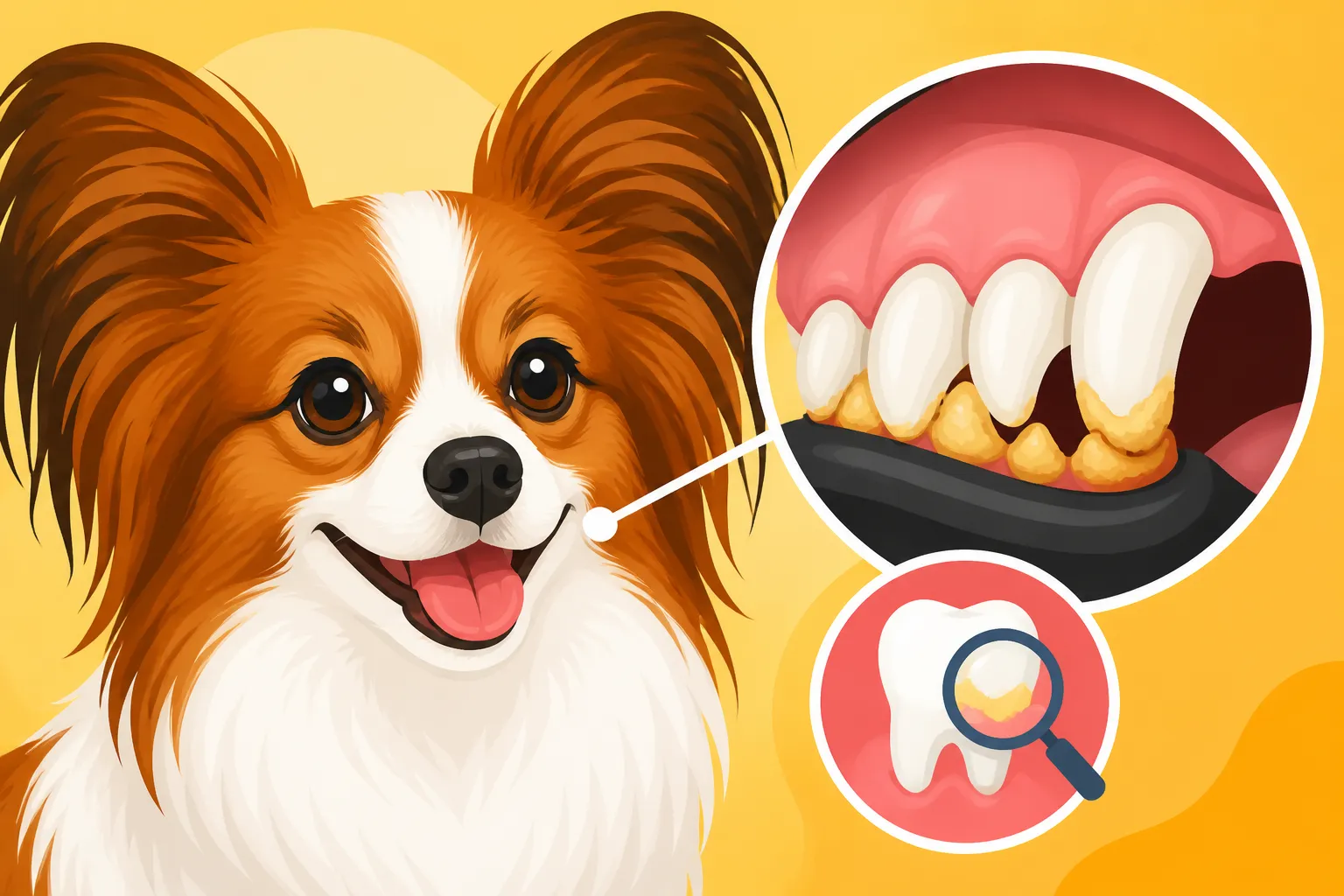
How Early Tartar Appears on a Papillon
It's incredibly disheartening, isn't it, to peek into your adorable Papillon's mouth, expecting pearly whites, only to spot that tell-tale yellowish-brown film on their teeth – and they're still so young! Many new Papillon parents are completely caught off guard by how early tartar can begin to form in these sweet little dogs, often assuming dental issues are something only older dogs face. This guide is here to shed light on exactly why tartar appears so quickly in Papillons, what it means for their long-term health, and most importantly, what you can do about it to keep their smiles sparkling and healthy.
The Surprising Reality of Early Tartar in Papillons
When you imagine dental problems in dogs, you probably picture an older, perhaps larger, breed with years of buildup. But for Papillons, the reality is often quite different. These charming little dogs are genetically predisposed to developing plaque and tartar at an astonishingly young age, and it’s a concern every Papillon owner needs to be acutely aware of. It's not a reflection of your care; it's just how their unique physiology often works.
Why Papillons are Prone to Dental Issues
One of the biggest factors contributing to early tartar buildup in Papillons is their adorable, yet often crowded, little mouths. Imagine trying to fit a full set of adult human teeth into a jaw designed for a toddler – that's somewhat the challenge your Papillon faces. Their small mouths simply don't have enough space for all 42 adult teeth to align perfectly, which means many teeth end up rotated, overlapping, or crammed together. This creates tiny crevices and sheltered areas where food particles and bacteria can easily get trapped, making it incredibly difficult for their natural chewing action or even diligent brushing to clean effectively.
This crowding means that plaque, a sticky film of bacteria and food debris, has prime real estate to form and harden. Moreover, due to this unique dental anatomy, Papillons are unfortunately very susceptible to conditions like Why a Papillon's Jaw Crowds Its Teeth. Their delicate jaw structure and the way their teeth are set can further exacerbate these issues. It's a common trait among many toy breeds, but Papillons, with their fine bone structure, often experience it intensely.
How Quickly Tartar Can Accumulate
It’s truly astounding how rapidly plaque can transform into hardened tartar in a Papillon's mouth. In some cases, owners report seeing noticeable yellowing or browning on their Papillon’s teeth as early as six months to a year old. This rapid accumulation isn't just surface-level cosmetic staining; it's a calcified deposit that adheres firmly to the tooth enamel. Once plaque hardens into tartar, it creates a rough surface that attracts even more plaque, accelerating the cycle.
The speed of this process is influenced by several factors, including genetics, diet, and individual saliva chemistry. Some dogs naturally produce more alkaline saliva, which can promote faster tartar formation. A diet consisting primarily of soft, wet food can also contribute, as it doesn't provide the abrasive action that kibble might, which can help scrape away some plaque. Even if your Papillon chews on toys, those hard-to-reach crowded areas often remain untouched, allowing tartar to flourish.
Identifying Tartar and the Dangers it Poses
Catching tartar early is paramount for a Papillon's health, but sometimes it can be subtle. It's crucial to know what to look for, as allowing it to progress can lead to serious and painful health complications far beyond just a yellow smile. Don't underestimate the impact a little bit of tartar can have on your dog's overall well-being.
What Early Tartar Looks Like on a Papillon's Teeth
When you first start noticing tartar on your Papillon's teeth, it will often appear as a yellowish or brownish discoloration, typically along the gum line. It's not usually uniform across all teeth; you might see it most prominently on the outside surfaces of their canines and the larger back molars, which are harder to reach and clean. As it progresses, these deposits will become thicker and darker, eventually taking on a cement-like texture. You might even notice some gingivitis, which is inflammation of the gums, appearing as a red or swollen line where the tooth meets the gum.
Beyond the visual cues, the most undeniable sign that tartar is present and progressing is bad breath, or halitosis. It's not just "dog breath"; it's a distinct, often foul, odor caused by the bacteria thriving in the plaque and tartar. If your Papillon’s kisses are starting to make you recoil, it’s a strong indicator that it's time to take a closer look at their dental health. Even a small amount of tartar can house enough bacteria to produce a surprisingly potent smell, so don't dismiss it as normal.
The Health Consequences of Untreated Tartar
Ignoring that early tartar can feel harmless, but it sets the stage for a cascade of serious health problems. The immediate concern is the progression from gingivitis to full-blown periodontal disease, a painful and irreversible condition where the gums recede, and the bone supporting the teeth starts to erode. This can lead to loose teeth, abscesses, and eventually, tooth loss. Many owners are surprised to learn that Whether a Papillon Loses Teeth Early due to preventable dental disease. Imagine the chronic pain your little friend would endure if their teeth were constantly aching or loose – it significantly impacts their quality of life, making eating uncomfortable and even joyful activities less appealing.
But the dangers don't stop in the mouth. The bacteria in tartar and infected gums can easily enter the bloodstream, traveling to vital organs like the heart, kidneys, and liver, causing secondary infections and long-term damage. This is why veterinarians often emphasize the importance of dental health as a cornerstone of overall well-being, especially for long-lived breeds like the Papillon. A strong pet insurance policy, like one from Healthy Paws, can be a lifesaver in these situations, helping to cover the often significant costs associated with treating advanced dental disease and related systemic issues. Without intervention, what starts as a cosmetic issue quickly becomes a systemic health crisis.
Proactive Steps to Combat Early Tartar
The good news is that while Papillons are prone to early tartar, you're not helpless. There are many effective strategies you can implement to slow its progression, maintain their oral hygiene, and prevent serious complications. Consistency is truly the name of the game when it comes to keeping your Papillon's teeth healthy.
The Power of Daily Brushing
Hands down, the single most effective thing you can do to combat early tartar and maintain your Papillon’s dental health is daily tooth brushing. Yes, daily! This might sound daunting, especially with a tiny, wriggly dog, but it's crucial. Just like in humans, brushing physically removes the plaque before it has a chance to harden into tartar. Starting early, even when they're puppies, helps them acclimate to the routine, making it much easier as they get older.
To brush your Papillon's teeth effectively, you'll need the right tools: a small, soft-bristled toothbrush designed for pets or a finger brush, and pet-specific enzymatic toothpaste (never use human toothpaste, as it contains ingredients toxic to dogs). Begin by letting them taste the toothpaste, then gently lift their lip and brush the outside surfaces of their teeth in small circles, focusing on the gum line. Don't worry too much about the inside surfaces, as their tongue usually keeps those cleaner. Patience and positive reinforcement are key; make it a pleasant experience with praise and treats. For a deeper dive, check out our guide on Brushing a Papillon's Teeth in a Very Small Mouth.
Diet, Chews, and Professional Cleanings
While daily brushing is foundational, a multi-pronged approach offers the best defense against tartar. Your Papillon's diet plays a role; feeding a high-quality kibble that encourages chewing can offer some abrasive action to help scrape away plaque. There are also specific veterinary dental diets formulated with unique fiber structures or coatings that mechanically clean teeth or prevent plaque adherence. Discuss these options with your vet.
In addition to diet, vet-approved dental chews can be a helpful supplement. Look for products that carry the Veterinary Oral Health Council (VOHC) seal, indicating they meet standards for plaque and/or tartar control. Be mindful of sizing; ensure the chew is appropriate for your Papillon's small jaw to prevent choking or tooth fractures. Always supervise your dog with chews. These methods, however, are usually only preventative or can slow down mild plaque. Once tartar has formed, it often requires professional intervention.
This brings us to professional dental cleanings under anesthesia. This is where your veterinarian scales away existing tartar above and below the gum line, polishes the teeth, and performs a thorough oral examination, often including X-rays. For many Papillons, a professional cleaning might be necessary every 1-3 years, depending on their individual predisposition. This can be a significant expense, but it’s an investment in their health. Consider how How Often a Papillon Needs a Dental Cleaning can impact their long-term well-being and factor it into your budget. This is where a robust pet insurance plan, such as one from Healthy Paws, can really alleviate the financial burden, covering a substantial portion of these necessary procedures over your Papillon's long life. Without regular cleanings, Dental Work Over a Papillon's Long Life can become a continuous and costly battle.
| Dental Care Method | Frequency | Effectiveness for Tartar Removal | Cost Implication (Approx. Annually) |
|---|---|---|---|
| Daily Brushing | Daily | Prevents plaque, slows tartar | Low (toothpaste, brush) |
| Dental Chews | Daily/Few times a week | Slows plaque, minimal tartar removal | Moderate |
| Dental Diets | Daily meal | Slows plaque, minimal tartar removal | Moderate (specialized food) |
| Professional Cleaning | 1-3 years | Removes existing tartar, prevents severe disease | High (anesthesia, procedures) |
When to Seek Veterinary Intervention
Even with the most diligent home care, some Papillons will still need professional help to manage their dental health. Knowing when to call the vet is key to preventing pain and more extensive, costly treatments down the road. Don't wait until things are visibly severe to act; your Papillon might be hiding discomfort.
Signs Your Papillon Needs a Vet Visit
It's tempting to think that a little bad breath or some yellow teeth are just "normal" for a small dog, but these are often early warning signs that your Papillon needs veterinary attention. If you observe any of the following, schedule a visit to your vet promptly: visibly red, swollen, or bleeding gums; persistent and worsening bad breath; excessive drooling; pawing at their mouth or rubbing their face; difficulty eating, chewing only on one side of their mouth, or dropping food; changes in appetite; or any visible loose or broken teeth.
Sometimes, the signs are more subtle. Your Papillon might become a bit withdrawn, less eager to play, or reluctant to have their face touched. These behavioral changes can indicate pain and discomfort that they're trying to hide. Remember, dogs are masters at masking pain, so even minor behavioral shifts could be a cry for help. A comprehensive wellness exam, which often includes a basic dental check, is a regular part of What a Papillon's Yearly Bloodwork Should Cover and overall health monitoring.
Understanding Professional Dental Procedures
When your vet recommends a professional dental cleaning, it's a comprehensive procedure performed under general anesthesia. This isn't just a casual scale and polish; it's a critical medical procedure designed to thoroughly address existing dental disease and prevent future problems. The process typically involves a pre-anesthetic blood panel to ensure your Papillon is healthy enough for anesthesia, followed by careful monitoring throughout the procedure. Given their small size, Anesthesia and a Five Pound Papillon requires specialized care and monitoring to ensure their safety.
Once under anesthesia, the veterinary team will perform a thorough examination of each tooth, probe for gum pockets, and take full-mouth dental X-rays to assess the health of the tooth roots and bone structure, which are often hidden below the gum line. Then, they use ultrasonic scalers to remove tartar from all tooth surfaces, including the critical areas under the gum line. After scaling, the teeth are polished to smooth the enamel, making it harder for new plaque to adhere. If any teeth are severely diseased or fractured, extractions may be necessary. It’s important to understand that while these procedures can be expensive, a good pet insurance provider like Healthy Paws can cover a significant portion of What a Papillon's Dental Costs, easing the financial strain and allowing you to prioritize your Papillon's health without compromise.
Disclaimer
This article is for general informational purposes only and does not constitute professional advice. Laws, prices and regulations vary by location and change over time. Consult a qualified professional for guidance on your specific situation.