Whether a Papillon Gets Idiopathic Epilepsy
It's incredibly frightening, isn't it? One moment your beloved Papillon is trotting around, full of life, and the next they might be on the floor, convulsing, seemingly unaware of the world around them. That feeling of helplessness, the panic that surges as you watch your tiny companion in distress, is something no pet parent ever wants to experience. Understanding whether a Papillon gets idiopathic epilepsy, and what that truly means, can help you navigate these terrifying moments and prepare for the road ahead. This guide will walk you through what idiopathic epilepsy entails for our butterfly-eared friends, how to recognize and manage seizures, and what to expect in terms of diagnosis and long-term care.
Understanding Idiopathic Epilepsy in Papillons
When we talk about epilepsy in dogs, it's natural for our minds to jump to images of violent, thrashing seizures. And while that can be part of it, epilepsy is a complex neurological disorder that manifests in various ways. For Papillons, like any breed, understanding the nuances of this condition is crucial.
What is Idiopathic Epilepsy?
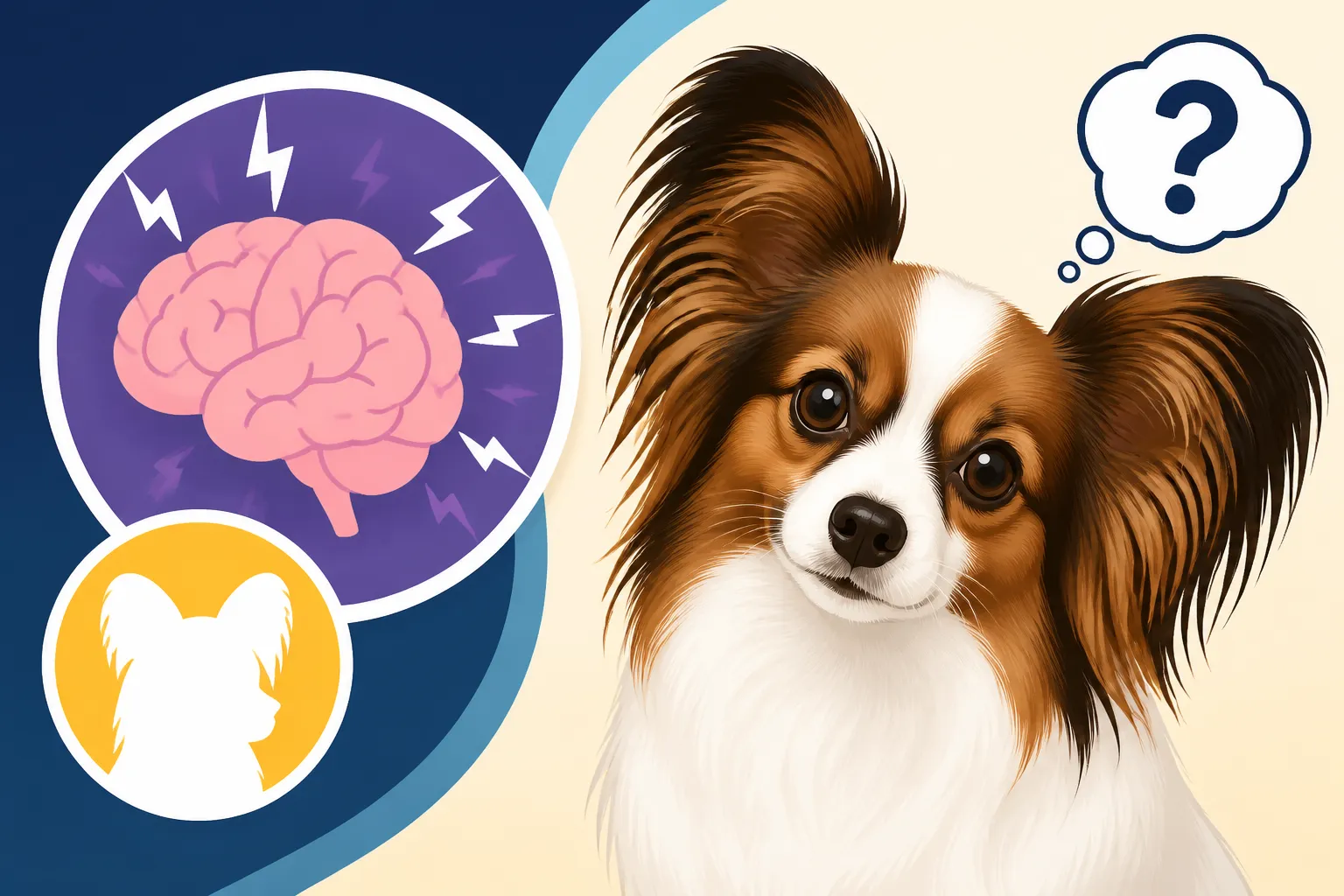
The term "idiopathic epilepsy" can sound a bit intimidating, but let's break it down. "Epilepsy" simply refers to a chronic neurological condition characterized by recurrent, unprovoked seizures. The key word here is "idiopathic." This means that the cause of the seizures is unknown. In essence, the brain is healthy in every other detectable way – no tumors, no infections, no trauma, no metabolic imbalances – yet it still misfires, leading to seizures. It's often thought to have a genetic basis, meaning it's inherited, even if the specific gene hasn't been identified in a particular breed.
For a Papillon, this means that even after a full work-up, your veterinarian might not find any underlying disease or structural problem causing the seizures. This can be frustrating because as owners, we naturally want a clear answer, a tangible problem to fix. Instead, we're left with the mystery of an otherwise healthy dog experiencing these episodes. These seizures are typically generalized, affecting both sides of the brain, leading to full-body convulsions. However, sometimes they can be focal, affecting only a part of the body, which might look more like twitching or unusual behaviors.
The Prevalence of Epilepsy in Papillons
So, do Papillons get idiopathic epilepsy? The short answer is yes, any dog breed can experience idiopathic epilepsy. However, when we look at breed predispositions, Papillons are not typically listed among those with a high incidence of the condition, unlike some larger breeds such as Beagles, German Shepherds, or Border Collies, or even other small breeds like Cavalier King Charles Spaniels. This doesn't mean your Papillon is immune, it just means it's not a condition that is overtly associated with the breed through widespread genetic studies or anecdotal evidence like, say, patellar luxation or progressive retinal atrophy, which are well-known concerns for Papillon owners.
Nevertheless, individual cases certainly occur. Every dog is unique, and genetic mutations can happen in any line. If you have a Papillon experiencing seizures, it's vital to remember that while the breed might not have a documented high predisposition, the condition is still very real for your dog. It underscores the importance of a thorough veterinary investigation, even if the typical breed-specific health screenings don't flag epilepsy as a primary concern. The lack of a strong breed link can sometimes make the diagnosis process even more challenging, as vets might initially explore other, more common causes before landing on an idiopathic diagnosis.
Recognizing and Managing Seizures in Your Papillon
Witnessing a seizure is undeniably terrifying. Your heart pounds, your mind races, and you feel utterly helpless. But knowing what to look for and how to react can make a significant difference in keeping your Papillon safe and helping your vet understand what's happening.
Signs and Stages of a Papillon Seizure
Seizures often follow a pattern, though the intensity can vary. There are typically three main stages:
- Pre-Ictal Phase (Aura): This is the period leading up to the actual seizure. It can last anywhere from a few seconds to several hours or even days. In a Papillon, you might notice subtle changes: they might become anxious, restless, seek extra attention, or hide away. Some might stare blankly, appear confused, or start drooling. They might seem "off" but you can't quite put your finger on why. It's often easier to recognize this phase after you've seen a seizure and can look back for clues.
- Ictal Phase (The Seizure Itself): This is what most people think of as the seizure. For a Papillon, a generalized seizure usually means they will collapse, lose consciousness, and their body will become stiff before rhythmic paddling movements begin. Their legs might twitch violently, their jaw might clamp shut, and they may drool excessively, vocalize loudly, or even lose bladder and bowel control. Their tiny bodies can shake uncontrollably, and their eyes might dart around or roll back. This phase is usually short, often lasting from a few seconds to a couple of minutes, though it can feel like an eternity. If you're concerned about what exactly to expect, reading up on What a Papillon's Seizure Looks Like can offer more visual and behavioral details.
- Post-Ictal Phase (Recovery): After the seizure, your Papillon won't just snap back to normal. This recovery phase can range from minutes to hours, or even days. They might be disoriented, confused, stumble, walk in circles, or appear temporarily blind. They might also be extremely tired, thirsty, or hungry. Some Papillons become clingy, while others might appear aggressive or want to be left alone. It's a period of significant brain recovery, and it's essential to give them space and comfort during this time.
It's crucial to observe these stages closely, as details you notice can be incredibly helpful to your veterinarian in making a diagnosis and formulating a treatment plan.
What to Do When Your Papillon Has a Seizure
The first, and hardest, thing to do is stay calm. Your panic won't help your Papillon, but your clear head will.
- Ensure Safety: Gently move any furniture or objects that your Papillon could hit and injure themselves on. If they are on a bed or couch, try to gently lower them to the floor to prevent them from falling. Do not try to restrain them or put your hands in their mouth; they cannot swallow their tongue, and you risk being bitten unintentionally.
- Time the Seizure: This is paramount. Start a timer as soon as the seizure begins and stop it when the active convulsions cease. The duration is a critical piece of information for your vet.
- Observe and Record: Note everything you see:
- What did your Papillon do before the seizure (pre-ictal signs)?
- What did the seizure look like (paddling, stiffness, drooling, vocalizing, loss of control)?
- How long did it last?
- What was your Papillon like immediately after (post-ictal behavior)?
- How long did the recovery phase last?
- Did they have multiple seizures in a short period (cluster seizures)?
- Did the seizure last longer than 5 minutes (status epilepticus)? This is a medical emergency requiring immediate veterinary attention.
- Provide Comfort Post-Seizure: Once the seizure is over, speak to your Papillon in a calm, soothing voice. Offer them water if they are thirsty and guide them to a quiet, safe space to recover. Keep other pets and children away to give them peace.
- Contact Your Veterinarian:
- If this is your Papillon's first seizure, or if the seizure lasts longer than 5 minutes, or if they have multiple seizures within 24 hours (cluster seizures), contact your vet immediately. This might warrant an emergency visit.
- If the seizure was short and they recover quickly, call your vet as soon as possible to schedule an appointment.
Keeping a log of every seizure – date, time, duration, observations – will be invaluable for your vet in understanding the frequency and severity of the episodes.
Diagnosing and Treating Idiopathic Epilepsy
When your Papillon experiences seizures, the path to understanding why can be a thorough, sometimes lengthy, process. The goal is always to rule out all other possibilities before settling on idiopathic epilepsy.
The Diagnostic Process for Papillon Epilepsy
Diagnosing idiopathic epilepsy isn't about finding a specific marker for it; it's about ruling out everything else. This process can involve several steps, each designed to eliminate other potential causes of seizures in your Papillon:
- Comprehensive Physical and Neurological Exam: Your vet will start with a thorough physical examination, assessing your Papillon's overall health. A neurological exam will test their reflexes, coordination, and mental status to look for any abnormalities that might point to a specific brain lesion or disease.
- Blood Work and Urinalysis: These are standard initial tests. Your vet will check for metabolic imbalances that can cause seizures, such as low blood sugar (hypoglycemia, particularly a concern for small breed puppies – a good time to remember Whether a Papillon Gets Hypoglycemia as a Puppy), liver disease (like a portosystemic shunt, which can mimic neurological issues – see Whether a Papillon Gets a Liver Shunt), kidney disease, or electrolyte disturbances. A complete blood count (CBC) and chemistry panel will provide a broad overview of organ function. Knowing What a Papillon's Yearly Bloodwork Should Cover gives you an idea of the types of tests that might be run.
- Advanced Imaging (MRI/CT Scan): If initial blood tests are clear, your vet will likely recommend an MRI (Magnetic Resonance Imaging) or CT (Computed Tomography) scan of your Papillon's brain. These sophisticated imaging techniques can identify structural abnormalities such as brain tumors, cysts, inflammation, or damage from a stroke. These tests are performed under general anesthesia, which, for a small breed like a Papillon, brings its own set of considerations, as discussed in Anesthesia and a Five Pound Papillon.
- Cerebrospinal Fluid (CSF) Analysis: Sometimes, if imaging is inconclusive or suggests inflammation, a CSF tap might be performed. This involves collecting fluid from around the brain and spinal cord for analysis, which can detect infections or inflammatory conditions affecting the central nervous system.
- EEG (Electroencephalogram): While more common in human medicine, an EEG can measure electrical activity in the brain. It's less commonly performed in general veterinary practice due to practical limitations, but a veterinary neurologist might utilize it to confirm abnormal brain activity during a seizure or between episodes.
Only after a comprehensive investigation, including these tests, reveals no other underlying cause for the seizures, can a diagnosis of idiopathic epilepsy be made. This exhaustive process is necessary to ensure that a treatable condition isn't missed.
Treatment Options and Long-Term Management
Once idiopathic epilepsy is diagnosed, the focus shifts to managing the condition and improving your Papillon's quality of life. The primary treatment involves anticonvulsant medications.
- Anticonvulsant Medications:
- Phenobarbital: This is often the first-line drug. It's very effective but requires careful monitoring due to potential side effects on the liver. Regular blood tests are needed to check drug levels and liver enzymes.
- Potassium Bromide: Often used in conjunction with phenobarbital or for dogs who can't tolerate phenobarbital. It also requires regular monitoring and takes a longer time to reach therapeutic levels.
- Levetiracetam (Keppra): A newer anticonvulsant that can be very effective and generally has fewer side effects. It's often used as an add-on therapy or for dogs that don't respond well to other drugs.
- Zonisamide: Another newer drug, often used similarly to levetiracetam.
- Gabapentin: Can be used as an add-on for pain or anxiety, but less commonly as a sole anticonvulsant.
The choice of medication, dosage, and whether to use one drug or a combination (polytherapy) will be determined by your vet, often in consultation with a veterinary neurologist. Consistency is key with these medications; missing doses can trigger seizures.
-
Monitoring and Adjustments: Your Papillon will need regular vet check-ups, often including blood tests, to monitor drug levels and ensure the medications aren't causing adverse effects. The goal is to find the lowest effective dose that controls seizures with minimal side effects. It's a balancing act that requires patience and close communication with your vet.
-
Financial Considerations: The diagnostic process alone, with specialized tests like MRIs and CSF taps, can quickly accumulate significant costs. Add to that the ongoing expense of anticonvulsant medications, regular blood work, and specialist consultations, and the financial burden can be substantial over your Papillon's long life. This is where pet insurance can be a real lifeline. Companies like Healthy Paws offer comprehensive coverage that can help mitigate these costs, covering everything from emergency visits to diagnostics and ongoing medication for chronic conditions like epilepsy. Having a robust insurance plan can provide immense peace of mind, allowing you to focus on your Papillon's health rather than worrying about the bills. Understanding What a Papillon Costs Over Its Lifetime really puts this into perspective.
Living with a Papillon with Epilepsy
Bringing a Papillon with epilepsy into your life, or having your current Papillon develop it, means adjusting your routine and creating an environment that supports their well-being. It's a journey, but one you don't have to walk alone.
Supporting Your Papillon at Home
Creating a stable and safe home environment is paramount for a Papillon with epilepsy. Consistency helps minimize stress, which can sometimes be a trigger for seizures.
- Maintain a Routine: Dogs thrive on routine, and for an epileptic Papillon, it's even more important. Feed them at the same times each day, administer medication consistently, and stick to a regular walk and play schedule. Predictability helps reduce anxiety.
- Create a Safe Space: Identify areas in your home where your Papillon could get injured during a seizure. Pad sharp corners, block access to stairs, and consider soft, low-profile beds. Ensure they have a quiet, comfortable "den" where they can retreat and recover after a seizure without disturbance.
- Minimize Triggers: While specific triggers for idiopathic epilepsy are often unclear, some dogs are sensitive to loud noises, flashing lights, or extreme emotional stress. Try to identify and minimize any potential triggers for your Papillon. This might mean keeping the TV volume lower or avoiding busy, chaotic environments during their vulnerable recovery phase.
- Dietary Considerations: While there's no universally prescribed "epilepsy diet" for idiopathic cases, some vets suggest diets rich in medium-chain triglycerides (MCTs) for their potential neuroprotective effects. Always discuss any dietary changes with your veterinarian. Maintaining a healthy weight is also critical; being overweight can exacerbate other health issues and stress the body.
- Keep a Detailed Seizure Log: As mentioned earlier, this is your most powerful tool. Record date, time, duration, observed behaviors, and any potential triggers you noted before or after. This log provides crucial data for your vet to assess the effectiveness of medication and make necessary adjustments.
The Emotional Toll on Owners and Finding Support
Let's be honest, living with a dog that has epilepsy is emotionally draining. The constant worry about when the next seizure might strike, the heartbreak of witnessing their distress, and the financial strain can take a heavy toll. It's okay to feel overwhelmed, anxious, or sad. These feelings are valid.
- Acknowledge Your Feelings: Don't bottle up your emotions. Talk to a trusted friend, family member, or even your veterinarian. They understand the bond you share with your Papillon and the challenges you're facing.
- Seek Support Groups: There are numerous online communities and local support groups for owners of epileptic dogs. Connecting with others who share similar experiences can provide invaluable emotional support, practical advice, and a sense of not being alone. Forums and social media groups dedicated to Papillons or dogs with epilepsy are excellent resources for shared experiences and coping strategies.
- Prioritize Self-Care: You cannot pour from an empty cup. Make sure you're also taking care of yourself. This might mean scheduling breaks, pursuing hobbies, or simply giving yourself permission to relax. A well-rested and less stressed owner is better equipped to care for their Papillon.
- Financial Preparedness: We touched on this, but it bears repeating: the financial aspect of chronic illness can add immense stress. Having pet insurance, like a plan from Healthy Paws, can be a game-changer. Knowing that a significant portion of diagnostic tests, medications, and specialist visits will be covered can remove a huge burden, allowing you to focus purely on your Papillon's well-being. It’s part of a holistic approach to Caring for a Papillon Past Eleven or any age when facing chronic health issues. Remember, your Papillon is a cherished member of your family, and providing them with the best possible care, even through challenging conditions like epilepsy, is a testament to that bond.
| Feature | Idiopathic Epilepsy | Symptomatic Epilepsy | Reactive Seizures |
|---|---|---|---|
| Cause | Unknown; presumed genetic or structural abnormality not visible on standard tests | Identified brain lesion (e.g., tumor, stroke, infection) | Result of metabolic issue or toxin (e.g., hypoglycemia, liver disease, poisoning) |
| Diagnosis | Diagnosis of exclusion after ruling out other causes | Identified through advanced imaging (MRI/CT), CSF analysis | Identified through blood tests, urinalysis, toxin screening |
| Brain Structure | Appears structurally normal on imaging | Visible structural abnormality | Brain is structurally normal, but function is impaired by external factors |
| Treatment Focus | Anticonvulsant medication to control seizures | Treat underlying brain lesion/disease; anticonvulsants if needed | Address and resolve underlying metabolic issue or toxin; anticonvulsants if needed |
| Recurrence | Chronic, recurrent seizures requiring lifelong management | Depends on treatability of underlying cause | Can cease if underlying cause is resolved |
| Typical Onset Age | Often 1 to 5 years old, but can vary | Any age, depending on the underlying cause | Any age, depending on exposure to trigger |
Disclaimer
The information provided in this article is for general informational purposes only and is not a substitute for professional veterinary advice. Always consult with a qualified veterinarian for any health concerns or before making any decisions related to your pet's care.