Whether an Old Papillon Should Still Do Agility
It’s a bittersweet moment when your once-exuberant Papillon, a blur of motion on the agility course, starts to show the quiet signs of aging. You see that familiar twinkle in their eye when the leashes come out, but also the hesitation, the slower trot, or a bit of stiffness after a romp. Deciding whether to continue with agility, or how to adapt it, can be truly perplexing for owners who cherish their dog’s zest for life. This guide will help you navigate this emotional and practical decision, ensuring your senior Papillon enjoys their golden years safely and happily, whether on the course or exploring new joys.
Understanding the Aging Papillon Athlete
Before even thinking about continuing agility, the first and most crucial step is to fully understand what aging means for your specific Papillon. Every dog is an individual, and while some may still be rocketing around at twelve, others might feel the effects of age much earlier. It’s not just about what they can physically do, but what’s truly best for their long-term comfort and well-being.
Recognizing the Subtle Signs of Aging
Your Papillon might be a master at hiding discomfort, a trait common in many dogs, which makes this assessment even more challenging. You might notice subtle shifts that, on their own, don't seem like much, but together paint a picture of an aging body. Perhaps they’re not greeting you at the door with the same frantic excitement, or they’re taking longer to settle down after a walk.
Keep a keen eye out for:
- Changes in gait: A slight limp that comes and goes, a more hesitant stride, or a bunny-hop when they run. They might stiffen up after lying down or be reluctant to jump on and off furniture – even if they used to do it without a second thought. This can often be an early indicator of joint discomfort.
- Reduced stamina: Do they tire more easily on walks or during play? Are they less enthusiastic about retrieving their favorite toy after a few throws? A Papillon with an exceptional drive might push through discomfort, so watch for how quickly they recover.
- Behavioral shifts: Increased irritability, anxiety, or even a desire for more solitude could stem from pain or discomfort. Some older dogs become less tolerant of being handled, especially in areas that are sore. A decrease in appetite or changes in sleep patterns can also be red flags that something is amiss internally. It's really important to learn How a Papillon Hides Pain to interpret these subtle cues correctly.
- Sensory decline: While not directly affecting physical movement for agility, a decline in sight or hearing can impact confidence and coordination. Night vision often goes first, which might make a difference in dimly lit training areas.
The Importance of Veterinary Check-ups and Diagnostics
It’s tempting to just observe at home, but a professional veterinary assessment is non-negotiable for any senior dog, especially one engaged in high-impact activities like agility. Your regular vet is your best ally in understanding your Papillon's health status.
During a senior wellness exam, your vet will likely:
- Perform a thorough physical examination: This includes palpating joints, checking range of motion, listening to the heart and lungs, and assessing dental health. Dental issues are incredibly common in Papillons as they age and can be a source of chronic pain or infection.
- Recommend bloodwork and urinalysis: These tests can detect underlying issues like kidney disease, liver problems, diabetes, or thyroid imbalances, all of which can affect energy levels, weight, and overall health.
- Suggest orthopedic evaluations: If joint issues are suspected, they might recommend X-rays to check for arthritis, disc disease, or the progression of conditions like patellar luxation. Many Papillons are prone to Patellar Luxation Is the Papillon Problem You Will Actually Meet, and this can certainly worsen with age.
- Assess cardiac health: Heart murmurs or other signs of heart disease are not uncommon in older small breeds. A vet might recommend an echocardiogram if they hear anything concerning. It's worth considering Whether a Papillon Needs a Cardiac Exam as they age.
Open communication with your vet is key. Don't be afraid to ask detailed questions, express your concerns about agility, and discuss potential pain management strategies or supplements. Companies like Healthy Paws pet insurance often offer coverage for these diagnostic tests and treatments, which can be a huge relief when managing senior pet care.
Understanding Common Senior Papillon Ailments
Beyond general aging, certain conditions are more prevalent in older Papillons and directly impact their ability to perform agility safely. Being aware of these can help you and your vet tailor a proactive care plan.
- Arthritis (Osteoarthritis): This is perhaps the most common foe of the aging canine athlete. It’s a degenerative joint disease that causes pain, stiffness, and reduced mobility. It can affect any joint but is often seen in hips, knees, elbows, and the spine. Even a Papillon that previously had a low-grade luxating patella might start to develop arthritis in that knee. Understanding Whether a Papillon Gets Arthritis From a Slipping Knee is crucial.
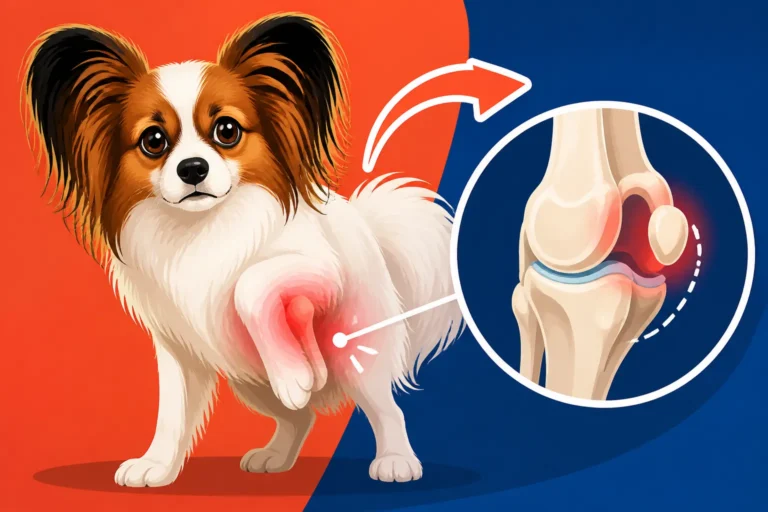
- Luxating Patella: While often present from a younger age, the wear and tear over years, combined with muscle loss and ligament laxity, can worsen the condition of a slipping kneecap. Even a mild case might become more painful and unstable in a senior dog. The impact of jumping and weaving on knees that are already prone to slipping needs careful consideration. Whether a Papillon's Knees Get Worse With Age is a question many owners face.
- Heart Disease: Conditions like mitral valve disease are common in small breeds as they age. While often managed with medication, it can reduce a dog’s stamina and lead to coughing or difficulty breathing, making strenuous exercise risky.
- Hypothyroidism: An underactive thyroid can lead to lethargy, weight gain, and poor coat quality, all of which can diminish an older Papillon's energy and desire to participate in activities.
- Vision Loss: Progressive Retinal Atrophy (PRA), though often showing earlier, can certainly progress in senior years. Other eye conditions like cataracts can also impact vision. Dogs rely heavily on sight for agility, particularly for judging distances and navigating obstacles. Why a Papillon Can Go Blind at Night and Still See in Daylight explains the progression of this specific disease.
By having a clear picture of your Papillon's health, you can make an informed decision about their agility future. This foundation of knowledge is essential for Caring for a Papillon Past Eleven generally, and particularly when considering their physical activities.
Modifying Agility for the Senior Papillon
If your senior Papillon is still physically sound and truly loves agility, there’s no reason they can’t continue, but modifications are absolutely essential. This isn't about pushing them to their limits; it's about preserving their joy and passion for the sport in a way that protects their aging body. Think of it as adapting the game to suit their wisdom and experience.
Adjusting Jump Heights and Contact Obstacles
The biggest culprits for joint strain in agility are often the jumps and the impact of contact obstacles. For senior Papillons, reducing these impacts is paramount.
- Lowering Jumps: Even if your Papillon used to sail over standard jump heights (which, for a Papillon, are already quite low compared to larger dogs), bringing them down even further is a smart move. Consider setting bars at the lowest possible competition height for senior/veteran classes, often 4 inches, or even using ground poles for practice. The goal isn't to clear height, but to practice the motion and the footwork. This reduces the strain on their knees, hips, and spine significantly.
- Re-evaluating Contact Obstacles: The impact of coming off the A-frame, dog walk, or teeter can be jarring. For many senior dogs, it's best to either eliminate these entirely or introduce modifications.
- A-frame and Dog Walk: Practice walking these obstacles without running, focusing on controlled ascents and descents. Ensure your dog is using the contact zones, but eliminate the high-speed impact. For some, even using just the ramps on the ground as flat contact trainers can be beneficial.
- Teeter-Totter: This can be particularly challenging as it requires quick weight shifts and can be intimidating. If your Papillon still loves it, ensure the pivot point is adjusted to be very soft and slow, or consider avoiding it altogether.
- Weave Poles: Weaves involve a lot of lateral movement and twisting, which can be hard on the back and hips. For older dogs, consider making the channels wider, or only performing short sets of weaves (e.g., 6 poles instead of 12). The key is to avoid rapid, forceful movements.
Remember, the emphasis shifts from speed and competitive perfection to enjoyment and mental stimulation. If you're competing, look for "Veterans" or "Preferred" classes, which often have lower jump heights and more forgiving course times.
Pacing and Session Length
Gone are the days of marathon training sessions. A senior Papillon needs shorter, more frequent bursts of activity, followed by ample rest.
- Shorter Sessions: Instead of a 20-30 minute training session, aim for 5-10 minute bursts. You might do a couple of these mini-sessions throughout the day, rather than one long one. This keeps them engaged without overexerting them.
- Focus on Quality, Not Quantity: Make every repetition count. Instead of doing 10 jumps, do 3 perfect, joyful jumps and then reward heavily and move on.
- Warm-ups and Cool-downs: These become even more crucial as dogs age. A gentle 5-10 minute walk or some slow, controlled stretches before starting and after finishing can help prevent injury and reduce stiffness.
- Listen to Your Dog: This is the most important advice. If your Papillon shows any signs of fatigue, pain, or disinterest – a yawn, a shake-off, slowing down, or looking away – stop. It's better to end on a positive note than to push them to discomfort. They will tell you when they've had enough. The age a Papillon is considered senior is roughly around 8-10 years, and changes like needing more rest become evident. The Age a Papillon Is Considered Senior article covers this in more detail.
Focusing on Fun and Mental Engagement
Agility isn't just a physical sport; it's a mental game. For senior Papillons, maintaining that mental engagement can be just as beneficial as the physical activity, perhaps even more so.
- Trick Training: Many agility skills can be broken down into fun tricks. Target training, spinning, bowing, or retrieving objects are excellent ways to keep their minds sharp and bodies moving without high impact. A Papillon’s intelligence means they excel at Teaching a Papillon Tricks Faster Than You Think of Them.
- Puzzle Toys and Scent Work: These activities engage their cognitive abilities and sense of smell, providing valuable mental stimulation without any physical strain. Hiding treats around the house for them to find is a simple, effective game.
- Positive Reinforcement: Always keep it positive! Use high-value treats and enthusiastic praise. The goal is to make every interaction joyful, reinforcing their love for 'working' with you, regardless of whether it's a competition course or a backyard game.
- Socialization: Gentle play with other calm, well-matched dogs can also provide mental and emotional benefits, as long as it's supervised to prevent accidental injury.
Benefits and Risks of Agility for Senior Papillons
Deciding whether to continue agility with an older Papillon involves weighing the potential upsides against the very real risks. It’s a delicate balance, and what works for one dog might not be suitable for another.
Physical and Mental Benefits
When approached thoughtfully and with careful modifications, continued agility participation can offer several significant benefits to senior Papillons:
- Maintained Muscle Mass and Flexibility: Consistent, low-impact exercise helps prevent muscle atrophy and maintains joint flexibility, which can actually slow the progression of arthritis and improve overall mobility. Just like humans, a sedentary lifestyle can worsen age-related stiffness and pain. The movements in agility, even modified, can keep those muscles engaged.
- Improved Balance and Coordination: Agility tasks, even simple ones like walking over ground poles or through a tunnel, demand focus and precise body awareness. This can help combat age-related declines in balance and proprioception, potentially reducing the risk of falls in daily life.
- Cognitive Stimulation: Figuring out courses, responding to cues, and remembering sequences keeps your Papillon's mind sharp. This mental engagement is vital for preventing cognitive decline (sometimes referred to as "doggy dementia") and keeping them feeling youthful and purposeful. A Papillon is considered one of the smartest toy breeds, and they thrive on mental challenges.
- Enhanced Bond with Owner: For many agility teams, the sport is a shared passion that deepens the bond. Continuing to engage in this activity, even in a scaled-back way, reinforces that special connection and provides a continued outlet for teamwork and communication. It keeps both of you active and connected.
- Emotional Well-being: If your Papillon genuinely loves agility, the sheer joy of running a course, even a simplified one, is a huge boost to their emotional health. That sparkle in their eye when they complete an obstacle is priceless. For many dogs, agility is their "job" or their favorite game, and taking that away completely can be depressing.
Potential Injuries and Overexertion
However, it’s critical to acknowledge the risks. The same movements that brought them joy in their youth can become dangerous with an aging body.
- Increased Risk of Musculoskeletal Injuries: Even with modifications, jumping, weaving, and quick turns put stress on joints, ligaments, and tendons that are less resilient than they once were. A misstep, a slightly awkward landing, or an unexpected twist could lead to sprains, strains, or even more serious injuries like ligament tears (though less common in tiny Papillons, it's still possible).
- Exacerbation of Existing Conditions: If your Papillon has underlying arthritis, patellar luxation, or spinal issues, continued agility, even modified, could worsen these conditions, leading to increased pain and a faster progression of the disease. This is where those thorough vet check-ups come in.
- Cardiovascular and Respiratory Strain: If your senior Papillon has undiagnosed or unmanaged heart or lung conditions, the exertion of agility, no matter how light, could put undue stress on these systems, potentially leading to a medical emergency. This is why What Changes in a Papillon After Eleven highlights the importance of regular veterinary oversight for older dogs.
- Heat Stroke and Fatigue: Older dogs often have less efficient thermoregulation and can tire more quickly. They are more susceptible to overheating, especially during warmer weather or longer sessions. Overexertion can also lead to muscle soreness, lethargy, and a general decline in their quality of life for days afterward.
- Emotional Burnout/Frustration: While some dogs thrive on continued activity, others might become frustrated if they can no longer perform at their previous level. Watch for signs of stress or disinterest rather than just physical pain. The decision to retire from agility might be difficult for an owner, but sometimes it's the kindest choice for the dog's mental state. Understanding When a Papillon Should Retire From Agility helps manage expectations and transitions.
It's a delicate balance. Many owners find peace of mind with pet insurance like Healthy Paws, knowing that unexpected injuries or sudden worsening of chronic conditions can be managed without undue financial stress. They offer various plans that can cover accidents and illnesses, which is a significant factor in managing an aging, active dog.
Alternatives and Considerations for the Retired Agility Dog
Sometimes, despite our best efforts and the dog’s enduring spirit, agility simply isn't the safest or most comfortable option for an aging Papillon. This doesn't mean their active life is over; it just means it's time to explore new avenues for enrichment and bonding.
Embracing New Activities: Nose Work and Scent Games
Nose work, also known as scent work or K9 Nose Work, is an absolute gem for senior dogs. It taps into their most powerful sense and provides immense mental satisfaction without putting any strain on their bodies.
- How it works: Dogs learn to find specific target odors (initially often food, then essential oils like birch, anise, or clove) hidden in containers, rooms, or outdoor areas.
- Why it's perfect for seniors:
- Low physical impact: It requires minimal movement—mostly sniffing, walking slowly, and perhaps a small bit of searching. No jumping, no running, no hard impacts.
- High mental engagement: The problem-solving aspect of finding the hidden scent is incredibly stimulating and tiring in a good way. It builds confidence and focus.
- Accessible to all: Dogs with poor vision, hearing, or significant mobility issues can still excel and enjoy nose work, as it relies on smell.
- Builds confidence: Successfully finding a hidden scent is immensely rewarding for a dog, boosting their self-esteem and providing a sense of accomplishment.
- Getting Started: You can easily start at home with simple "find the treat" games. Hide a high-value treat under one of several overturned cups and encourage your Papillon to find it. Gradually increase the difficulty by hiding treats in different rooms or outside in the grass. There are also many local classes and even online courses dedicated to K9 Nose Work.
Gentle Walks, Enrichment, and Socialization
Even if competitive agility is off the table, maintaining a degree of physical and social activity is crucial for a senior Papillon's overall health and happiness.
- Modified Walks: Instead of long, brisk walks, opt for shorter, more frequent, and slower strolls. Let your Papillon dictate the pace and explore scents at their leisure. A sniff-focused walk is incredibly enriching for dogs and uses a lot of mental energy. Stick to soft surfaces like grass or dirt paths to be kinder on their joints. Consider a good quality harness rather than a collar to avoid pressure on their neck and trachea, particularly if they are prone to Whether a Papillon Gets a Collapsing Trachea.
- Enrichment Toys: Invest in a variety of puzzle toys, treat-dispensing toys, and KONGs. These can keep your Papillon mentally engaged and prevent boredom, which can sometimes manifest as destructive behavior or excessive barking. Rotate toys to keep them novel and exciting.
- Safe Socialization: Continued interaction with other calm, well-mannered dogs can be beneficial. Avoid dog parks where play can be unpredictable and rough, but supervised playdates with known, gentle dogs can be wonderful. Ensure interactions are short, positive, and allow your Papillon an easy escape if they feel overwhelmed.
- Massage and Gentle Stretching: Learning some basic canine massage techniques can help improve circulation, reduce muscle stiffness, and provide comfort. Always consult your vet or a certified canine rehabilitation therapist before attempting any stretches, as improper technique can cause injury.
The Financial Realities of Senior Dog Care
Regardless of whether your Papillon continues agility or transitions to a more sedate lifestyle, the costs associated with senior dog care can be substantial. Regular veterinary visits, potential medications for arthritis or heart conditions, specialized diets, and physical therapy can add up quickly.
- Planning for Healthcare Costs: This is where comprehensive pet insurance like Healthy Paws truly shines. If your Papillon has been enrolled since they were young, many age-related conditions, even those that lead to modifications in activity, might be covered. It's always a good idea to review your policy as your dog ages to understand what's covered. Knowing What an Aging Papillon Costs a Year can help you budget appropriately.
- Medication Management: Many senior Papillons will require daily medications for various conditions. What an Aging Papillon's Medication Costs can be a significant part of the budget. Having a good relationship with your vet and discussing generic options or package deals can sometimes help.
- Proactive Care: Investing in joint supplements (like glucosamine and chondroitin), a comfortable orthopedic bed, and ramps or steps to help them access furniture safely are all ways to support their comfort and mobility. These proactive measures can sometimes reduce the need for more intensive treatments down the line.
Ultimately, the goal is to ensure your senior Papillon lives out their years with comfort, joy, and purpose. Whether that includes modified agility or a whole new repertoire of senior-friendly activities, the love and attention you provide will be their greatest reward.
Comparison Table: Agility Modifications vs. Alternative Activities
| Feature | Modified Agility (Senior Dog) | Alternative Activities (e.g., Nose Work, Gentle Walks) |
|---|---|---|
| Physical Impact | Low to moderate (reduced jumps, slow contacts, fewer weaves) | Very low to minimal (sniffing, slow walking) |
| Mental Stimulation | High (course memorization, handler cues, problem-solving) | High (scent detection, puzzle solving, environmental exploration) |
| Injury Risk | Lower than competitive agility, but still present (missteps, falls) | Very low (primarily fatigue, minimal physical strain) |
| Stamina Required | Low (short sessions, frequent breaks, warm-ups/cool-downs) | Low (self-paced, allows for rest as needed) |
| Equipment Needed | Modified agility equipment (low jumps, tunnels), training aids | Minimal (treats, containers, harness, leash, puzzle toys) |
| Social Interaction | Training partners, class environment (if applicable) | Gentle playdates, walks in quiet areas, interaction with owner |
| Vet Approval Needed? | Essential (thorough health check, ongoing monitoring) | Recommended (especially for underlying health conditions) |
| Primary Goal | Continued enjoyment of a loved sport, maintenance of skills | Mental enrichment, safe physical activity, comfort, bond reinforcement |
Disclaimer
The information provided in this article is for general informational purposes only and is not a substitute for professional veterinary advice. Always consult with a qualified veterinarian or a certified canine rehabilitation specialist before making any decisions about your senior Papillon's exercise regimen, especially concerning high-impact activities like agility or if your dog has any pre-existing health conditions. They can provide personalized advice based on your dog's individual health needs.