Whether a Papillon Needs a Pre Anesthetic Exam
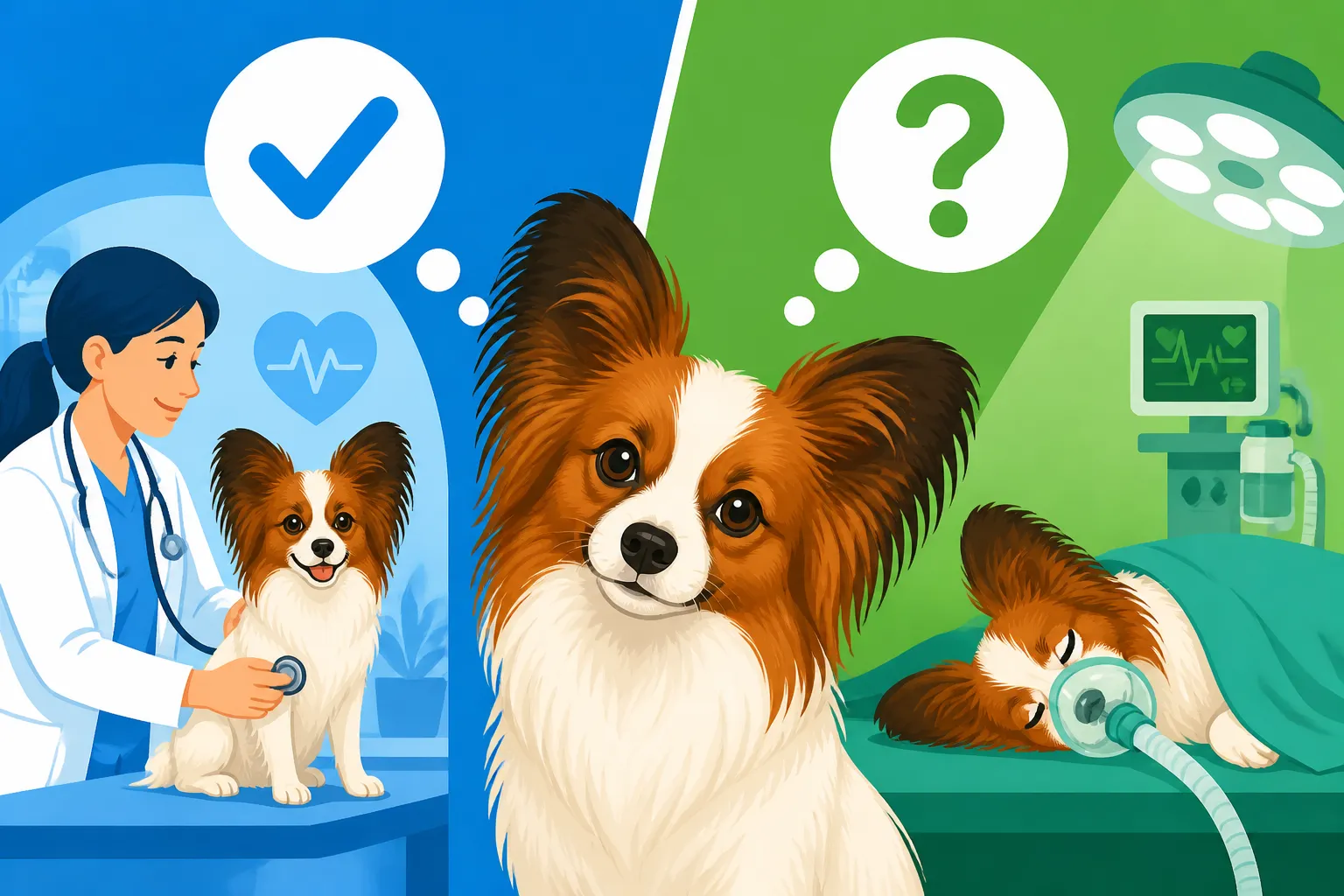
It’s a heart-wrenching worry many of us Papillon owners face: our tiny, delicate companions needing surgery or a dental procedure, and with that, general anesthesia. The thought alone can make you anxious, wondering if your little butterfly dog is truly robust enough for it, and if every single pre-test the vet suggests is genuinely necessary. This guide is here to walk you through exactly why a pre-anesthetic exam isn't just a suggestion, but a vital step in safeguarding your beloved Papillon, offering peace of mind and the best possible outcome.
The Unique Anesthesia Challenges for a Papillon
When your Papillon needs any procedure that involves general anesthesia, it’s completely normal to feel a knot of worry in your stomach. These are not big, sturdy dogs; they are small, fine-boned creatures with unique physiology that makes anesthesia a more delicate balancing act than it might be for a larger breed. Their tiny bodies process medications differently, their temperature can drop quickly, and underlying health issues can be magnified under the stress of anesthesia. It’s not just "going to sleep" for them; it's a careful medical procedure with potential risks that need to be understood and minimized.
One of the biggest concerns with a very small dog like a Papillon is their metabolism. They have a higher surface area to body volume ratio, which means they can lose heat much faster than a larger dog. This makes temperature regulation during anesthesia absolutely critical. Furthermore, their small size means that the dosages of anesthetic drugs must be incredibly precise. Too much, and recovery can be prolonged or lead to complications; too little, and they might not be adequately sedated. Every fraction of a milligram counts. This is why understanding "Why a Five Pound Papillon Is Harder to Anesthetize" is so important for owners.
Beyond their size, Papillons, like many toy breeds, can have specific vulnerabilities. Dental disease, for instance, is incredibly common in Papillons, often necessitating dental cleanings, which require anesthesia. While a dental might seem routine, it’s still a full anesthetic event. Sometimes, older Papillons might have undiagnosed heart murmurs or early kidney issues that could complicate anesthesia. A thorough pre-anesthetic workup helps identify these hidden factors, allowing the veterinary team to tailor the anesthetic protocol specifically for your dog, minimizing risks and maximizing safety.
What a Pre-Anesthetic Exam Entails
A pre-anesthetic exam isn't just one quick check; it's a comprehensive evaluation designed to build a complete picture of your Papillon's current health. It's about looking beneath the surface to catch anything that might turn a routine procedure into a high-risk situation. This multi-faceted approach helps the veterinary team make informed decisions about the safest anesthetic drugs and monitoring protocols for your individual dog.
The Thorough Physical Examination
Every pre-anesthetic exam starts with a meticulous physical examination. Your vet will listen to your Papillon’s heart and lungs, not just for a moment, but carefully, checking for any murmurs, arrhythmias, or abnormal lung sounds that could indicate underlying cardiovascular or respiratory issues. They'll palpate the abdomen, checking for pain or abnormalities in organs. Gums will be inspected for hydration and capillary refill time, giving clues about circulation. They'll check joint mobility, look at eyes and ears, and generally assess your dog from nose to tail.
This isn't just a routine yearly check-up. The focus here is on anything that might impact the dog's ability to handle anesthesia, from a subtle cough that suggests a collapsing trachea to an unknown heart murmur. For a breed like the Papillon, who can sometimes be prone to issues like "Patellar Luxation Is the Papillon Problem You Will Actually Meet", even a minor orthopedic issue could affect positioning during surgery or recovery comfort. It's also an opportunity for you to bring up any changes you've noticed in your Papillon’s behavior, appetite, or energy levels, no matter how small they seem.
Comprehensive Bloodwork and Urinalysis
Perhaps the most critical part of a pre-anesthetic exam for a Papillon is the bloodwork. Standard pre-anesthetic blood panels typically include a complete blood count (CBC) and a chemistry panel. The CBC checks red blood cells, white blood cells, and platelets. This can reveal anemia, inflammation, infection, or clotting issues – all vital information before surgery. The chemistry panel assesses organ function, particularly the liver and kidneys, which are responsible for processing and eliminating anesthetic drugs from the body. If these organs aren't functioning optimally, certain medications might need to be avoided or dosages adjusted to prevent complications.
A urinalysis can also be incredibly informative, providing additional insights into kidney function and detecting urinary tract infections or other kidney diseases that might not be evident from bloodwork alone. Some vets might also recommend a clotting panel, especially if your Papillon has a history of easy bruising or prolonged bleeding, as conditions like "Von Willebrand Disease and a Papillon That Will Not Stop Bleeding" can significantly increase surgical risk. This detailed look at internal health is your vet’s best tool for predicting how your Papillon will handle anesthesia and recovery. Many owners also consider what "What a Papillon's Yearly Bloodwork Should Cover" as part of their routine care.
Additional Diagnostic Tests
Depending on your Papillon's age, existing health conditions, or the findings from the physical exam and initial bloodwork, your vet might recommend additional diagnostic tests. For older Papillons, or those with a suspected heart murmur, an electrocardiogram (ECG) to assess heart rhythm or even a consultation with a veterinary cardiologist might be advised. These tests can provide crucial information about cardiac health, helping to determine if a Papillon is at higher risk for anesthetic complications related to their heart.
For very senior Papillons, or those with existing health challenges, your vet might also suggest chest X-rays to check for lung disease or an enlarged heart. These additional tests aren't meant to run up a bill; they are tailored to provide the most comprehensive safety net for your individual dog. Peace of mind is priceless when it comes to your furry family member, and knowing your vet has left no stone unturned can really help. Organizations like Healthy Paws, which focus on comprehensive pet health coverage, often highlight the importance of these preventative and diagnostic steps.
Papillon-Specific Health Concerns and Anesthesia
Papillons are generally a healthy breed with a good lifespan, but they do have certain predispositions that make a thorough pre-anesthetic exam even more critical. Ignoring these breed-specific concerns can lead to unexpected complications, which is the last thing any owner wants for their little companion.
Dental Disease and Anesthetic Risk
One of the most common reasons a Papillon needs anesthesia is for a dental cleaning. Due to their small jaws, Papillons are highly prone to dental disease, often requiring professional cleanings, sometimes even extractions, from a relatively young age. You can learn more about "The Teeth in a Papillon's Small Jaw" and how these issues develop. While essential for their overall health, these procedures still carry anesthetic risk.
Severe dental disease can lead to bacteria entering the bloodstream, potentially affecting the heart, kidneys, and liver. A pre-anesthetic exam helps ensure these organs are healthy enough to withstand the stress of anesthesia and any potential bacterial load. It also allows the vet to assess the severity of the dental issues and plan the procedure accordingly, perhaps even prescribing antibiotics beforehand if there's significant infection. Ensuring your Papillon has healthy teeth is crucial, but it's vital to do it safely.
Heart Conditions and Respiratory Issues
While not as prevalent as some larger breeds, Papillons can still develop heart conditions, most notably mitral valve disease, especially as they get older. A heart murmur, which might be an incidental finding during a routine check-up, becomes a much more serious concern when anesthesia is on the horizon. A pre-anesthetic physical exam and, if indicated, an ECG or cardiac ultrasound, helps the vet understand the severity of any heart condition and adjust anesthetic choices to support cardiac function.
Respiratory issues, such as a collapsing trachea, are also a concern in small breeds. While not as common in Papillons as some others, any history of coughing or breathing difficulties should be thoroughly investigated before anesthesia. The pre-anesthetic exam will pay close attention to lung sounds and any signs of respiratory distress, allowing the veterinary team to take extra precautions to protect the airway during the procedure. Understanding "Anesthesia and a Five Pound Papillon" helps underscore these sensitivities.
Hypoglycemia and Temperature Regulation
Papillon puppies, and even adult Papillons under stress or with certain illnesses, can be prone to hypoglycemia (low blood sugar). This is particularly dangerous during anesthesia, as their energy reserves are already taxed. While a pre-anesthetic exam usually focuses on healthy adults, a vet will always consider the risk of hypoglycemia and ensure your Papillon is fasted appropriately, but not for too long, before surgery. Bloodwork can sometimes reveal predispositions.
As mentioned earlier, temperature regulation is a huge factor. Papillons get cold quickly, and hypothermia during anesthesia can slow metabolism, prolong recovery, and increase anesthetic drug side effects. The pre-anesthetic assessment isn't just about finding problems; it's about anticipating these physiological challenges. The veterinary team will then put in place strategies like warming blankets, forced-air warmers, and intravenous fluids to maintain your Papillon’s body temperature throughout the procedure. This is why "Whether a Papillon Gets Cold Under Anesthesia" is such a relevant consideration.
Making an Informed Decision with Your Veterinarian
Deciding whether to proceed with a pre-anesthetic exam for your Papillon is a conversation you should have openly and honestly with your veterinarian. They are your best resource for understanding the specific risks and benefits for your dog, and they can help you navigate the choices with confidence. Don't ever feel shy about asking questions or expressing your concerns; it's your Papillon's health, and you deserve to be fully informed.
Discussing the Benefits and Risks
Your vet can explain the specific tests they recommend and why those tests are important for your Papillon. They can outline the potential risks of anesthesia for your dog's age, breed, and overall health status, and then explain how the pre-anesthetic exam helps mitigate those risks. For example, if your Papillon is older, the risk of kidney or liver issues might be higher, making bloodwork particularly vital. If they've shown any subtle signs of illness, the exam becomes even more critical.
Conversely, discuss the risks of not performing certain tests. What could go undetected? How might that impact the procedure or recovery? Understanding these potential downsides can help you weigh the decision. Remember, the goal is always to ensure the safest possible outcome. A responsible vet will prioritize your Papillon's safety above all else, which often means recommending a thorough pre-anesthetic workup.
Understanding Costs and Insurance Coverage
It's completely valid to have questions about the cost of a pre-anesthetic exam. These tests add to the overall bill, and it’s important to understand what you're paying for. Don't hesitate to ask for a detailed estimate of all recommended tests and procedures. Many veterinary practices are transparent about their pricing and can explain each line item.
If you have pet insurance, this is the time to understand your coverage. Providers like Healthy Paws often cover diagnostic tests, including pre-anesthetic bloodwork, as long as they are not for pre-existing conditions. Check your policy documents or call your insurance provider to clarify what will be covered, which can significantly ease the financial burden and allow you to make decisions based purely on your Papillon's health needs, rather than cost. Knowing your options for "What a Papillon's Emergency Fund Should Hold" is always a smart move.
The Bottom Line: Prioritizing Safety
Ultimately, the decision to proceed with a pre-anesthetic exam is a personal one, but from a veterinary perspective, it’s almost always recommended, especially for small breeds like Papillons. It provides a crucial layer of safety that simply cannot be replicated by a quick visual check. It’s an investment in your Papillon’s well-being and a proactive step to prevent complications.
Think of it this way: your Papillon can't tell you if their kidneys are struggling or if they have a mild heart condition. The pre-anesthetic exam gives them a voice, allowing the vet to uncover hidden issues that could turn a routine procedure into a life-threatening event. When your tiny, precious Papillon is undergoing anesthesia, you want every possible safeguard in place. This proactive approach ensures your Papillon receives the most personalized and safest care possible. For older dogs, a thorough exam is especially important, tying into general care advice like "Caring for a Papillon Past Eleven".
| Test Component | What It Checks For | Why It Matters for a Papillon |
|---|---|---|
| Physical Exam | Heart, lung sounds, hydration, gum color, alertness | Detects murmurs, respiratory issues, overall condition, which are critical for tiny breeds. |
| Complete Blood Count (CBC) | Red/white blood cells, platelets | Identifies anemia, infection, inflammation, clotting problems; impacts oxygen delivery. |
| Chemistry Panel | Kidney, liver function, blood glucose, electrolytes | Vital for processing/eliminating drugs; Papillons can be prone to hypoglycemia. |
| Urinalysis | Kidney function, urinary tract infections | Provides additional kidney insights, catches infections that could spread under stress. |
| Electrocardiogram (ECG) | Heart rhythm and electrical activity | Screens for arrhythmias or underlying heart disease, especially in older or at-risk Papillons. |
Disclaimer
This article is for general informational purposes only and does not constitute professional advice. Laws, prices and regulations vary by location and change over time. Consult a qualified professional for guidance on your specific situation.