Knee Surgery Is the Bill Most Papillon Owners Meet
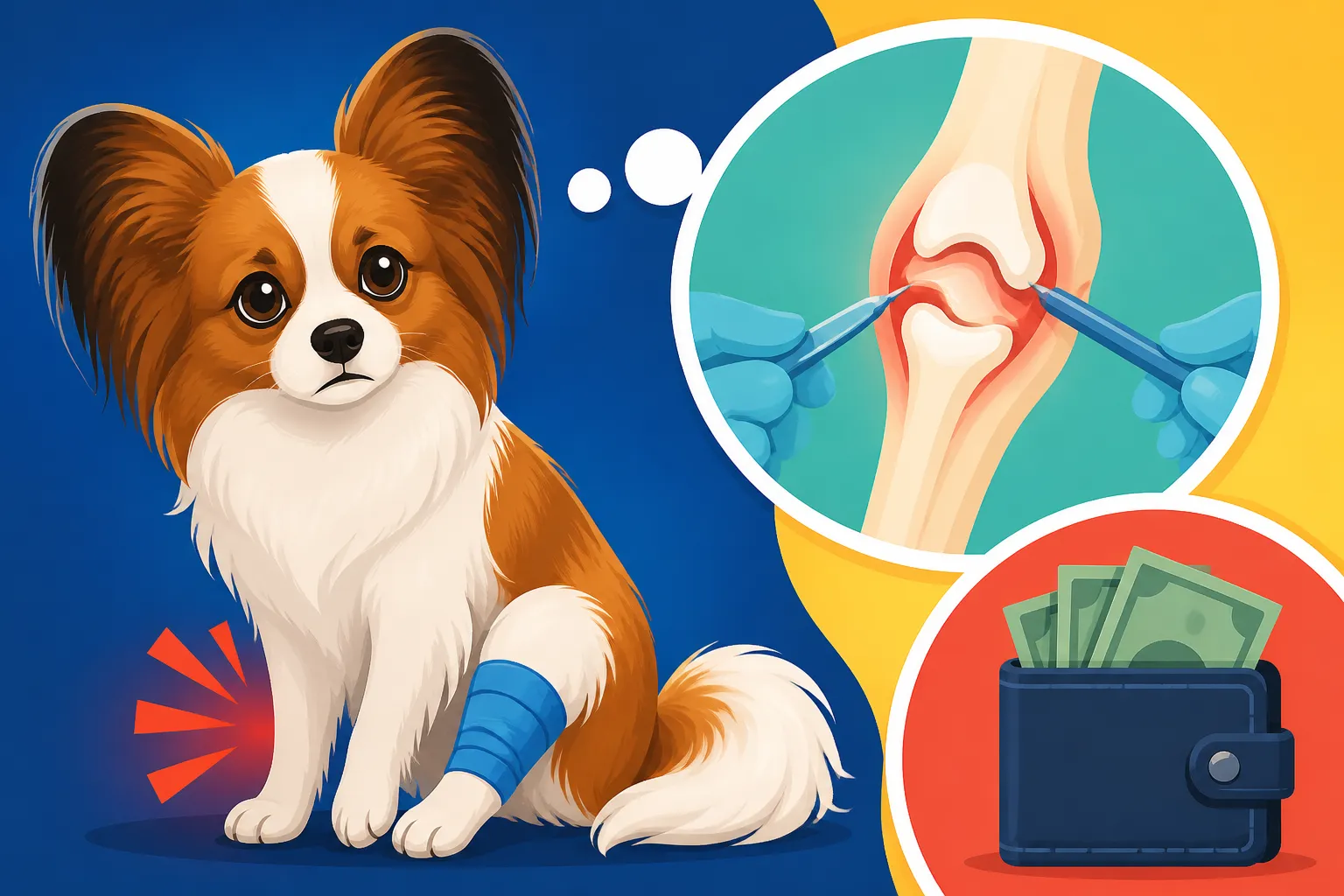
It’s a heart-wrenching moment when you realize your beloved Papillon, with all their vibrant energy, is showing signs of discomfort or pain. For many Papillon owners, this reality often revolves around a slipping kneecap, a condition known as patellar luxation. This guide will help you understand the significant financial commitment involved when your small butterfly dog needs patellar luxation surgery, laying out the costs from diagnosis to recovery and beyond, so you can be prepared for what's often the largest vet bill many Papillon parents face.
Understanding Patellar Luxation in Papillons
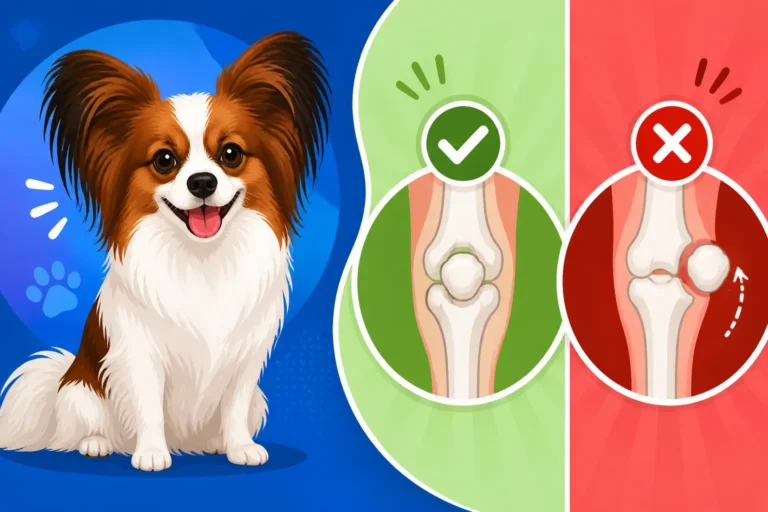
Patellar luxation is a common orthopedic issue, especially in smaller breeds like our Papillons. It's not just a minor wobble; it's a condition where the kneecap (patella) dislocates or moves out of its normal groove in the thigh bone (femur). When you see your little one skip a step, or hold a back leg up for a few strides before putting it down again, patellar luxation is often the culprit.
What Exactly Is Patellar Luxation?
Imagine your kneecap as a small, almond-shaped bone that sits in a specific groove at the end of your thigh bone. It’s part of a complex system that allows your leg to extend and flex smoothly. In a dog with patellar luxation, this kneecap pops out of that groove, either to the inside (medial luxation, which is more common in Papillons) or to the outside (lateral luxation). This displacement can range from occasional and minor to constant and debilitating, directly impacting your dog's ability to walk, run, and play comfortably.
The kneecap’s stability relies on the alignment of the bones and muscles of the hind leg. When something is off—perhaps the groove isn't deep enough, or the angle of the thigh bone is incorrect—the kneecap can easily slip. This isn't just uncomfortable; repeated luxation can lead to damage to the cartilage and eventually result in painful arthritis, even in young dogs. Understanding What Patellar Luxation Does to a Papillon can help you grasp the full impact of this condition.
Why Papillons Are Predisposed
It’s an unfortunate genetic lottery for many toy breeds, and Papillons are no exception. Their delicate bone structure and small size make them particularly susceptible to patellar luxation. It’s often inherited, meaning if a Papillon's parents or grandparents had this issue, there's a higher chance their offspring will too. This genetic predisposition means that even with the best care, some Papillons will develop this condition.
Breeders who are committed to the health of their lines will test for this, but even then, it can still appear. The problem often starts with anatomical abnormalities that are present from birth, even if the signs don't show up until later in life. These structural issues, such as a shallow trochlear groove or misaligned leg bones, allow the patella to dislodge under normal movement. Knowing How Common Patellar Luxation Is in Papillons helps set realistic expectations for owners.
Grading the Severity
Veterinarians classify patellar luxation into four grades, from Grade I (mild) to Grade IV (severe), to describe how easily the kneecap dislocates and how frequently it happens. This grading system is crucial because it directly influences the recommended course of treatment and, by extension, the costs involved.
- Grade I: The kneecap can be manually luxated but easily pops back into place on its own. Your Papillon might show very few, if any, symptoms, perhaps just an occasional skip.
- Grade II: The kneecap luxates spontaneously or when your dog flexes its knee, and it might stay out for a while before popping back in. This is where you might start seeing more consistent "skipping" or holding the leg up.
- Grade III: The kneecap is luxated most of the time but can be manually put back into place. Your Papillon will likely have a noticeable limp or crouched gait, and arthritis becomes a real concern.
- Grade IV: The kneecap is permanently luxated and cannot be manually put back into its groove. This is a severe condition, often resulting in significant lameness, bowed legs, and chronic pain, requiring extensive surgical correction.
Understanding these grades is vital for anticipating the complexity and cost of treatment. Which Grade of Luxation Needs Fixing in a Papillon is a conversation you'll have with your vet, as it's not always a clear-cut decision, especially for Grades I and II.
The Initial Diagnosis and Pre-Surgery Costs
Before your Papillon ever goes under the knife, there's a whole cascade of appointments, exams, and tests that contribute to the overall bill. It’s not just the surgery itself that you need to budget for, but everything leading up to that critical decision.
Recognizing the Signs
The first step usually begins with you, the attentive owner. You might notice subtle changes: your Papillon suddenly lifts a back leg for a few steps, then puts it down as if nothing happened. Maybe they hesitate before jumping onto the sofa, or perhaps they're not as enthusiastic about their daily walk as they once were. These seemingly small observations are vital clues. Pay attention if your Papillon starts Signs a Papillon's Kneecap Slips, as early detection can sometimes lead to better outcomes.
It's common for owners to initially dismiss these signs as a temporary strain or a clumsy moment, but persistent or recurring "skips" should always prompt a veterinary visit. Don't wait until your dog is clearly in pain or struggling to walk, as the condition might have progressed significantly by then. Documenting these episodes can be incredibly helpful for your vet in making an accurate diagnosis.
Veterinary Examination and Diagnostics
Once you bring your Papillon to the vet with concerns, the diagnostic process begins. This initial consultation fee is usually standard, but the subsequent tests can add up quickly. Your veterinarian will perform a thorough physical examination, specifically manipulating the kneecap to feel if it luxates and to what degree. They'll also check for any signs of pain, instability, or muscle atrophy.
X-rays are almost always necessary. These aren't just for confirming the patellar luxation; they're essential for assessing the overall alignment of the leg, identifying any concurrent issues like hip dysplasia (though less common in Papillons), and ruling out other conditions. X-rays help the vet visualize the depth of the trochlear groove, the angle of the femur and tibia, and any arthritic changes. The cost of these diagnostic images will vary, but expect multiple views to be taken. In some complex cases, your vet might recommend more advanced imaging like CT scans, which come with a much higher price tag, though this is less common for straightforward patellar luxation.
Consultation with a Specialist
For many general practitioners, especially with higher-grade luxations or if other orthopedic issues are suspected, referring you to a board-certified veterinary orthopedic surgeon is the best course of action. This specialist consultation will incur its own fee, often higher than a regular vet visit. However, it's an invaluable step. A specialist has advanced training and experience in these complex surgeries and can offer the most precise diagnosis and surgical plan.
During this consultation, the specialist will review all previous diagnostics, perform their own examination, and discuss the prognosis, surgical options, and potential complications specific to your Papillon. They will also provide a detailed estimate of the surgical costs. This is your opportunity to ask every question you have, from the surgeon's experience to the post-operative care plan. This detailed discussion helps you understand if Whether a Papillon Needs Knee Surgery is truly the right path for your specific dog.
Breaking Down the Cost of Patellar Luxation Surgery
Now, let's get into the nitty-gritty of the surgery itself. The price tag for patellar luxation surgery can be daunting, and it's rarely a single, all-inclusive number. It's a sum of many parts, each contributing to the total expense.
Factors Influencing Surgical Price
Several key factors play a significant role in determining the final cost of your Papillon's knee surgery. It's not just about the procedure, but the context in which it's performed and the specific needs of your dog.
- Severity of Luxation (Grade): As mentioned earlier, higher grades (III and IV) often require more complex surgical techniques and, consequently, cost more. A Grade I might not need surgery at all, or a simpler procedure if it does, whereas a Grade IV might involve multiple bone realignments.
- Surgical Techniques Required: There isn't just one way to fix a luxating patella. Techniques can include deepening the trochlear groove (trochleoplasty), moving the tibial crest (tibial crest transposition) to realign the patellar ligament, or tightening/loosening soft tissues around the joint. Sometimes, a combination of these procedures is necessary, especially for severe cases, adding to the surgical time and complexity.
- Surgeon's Expertise and Location: A board-certified orthopedic surgeon, often found in specialty veterinary hospitals, will typically charge more than a general practitioner performing the surgery. However, their specialized skills and access to advanced equipment often lead to better outcomes. Geographic location also matters immensely; metropolitan areas and regions with a higher cost of living tend to have higher veterinary fees.
- Facility Type: A large veterinary referral hospital with 24/7 care and advanced equipment (like MRI/CT, specialized anesthesia monitoring) will naturally have higher overheads than a smaller, private practice, and these costs are passed on to the client.
What's Included in the Surgical Fee
When you receive a surgical estimate, it's crucial to understand exactly what that number covers. It's rarely just the surgeon's time. A comprehensive estimate should itemize:
- Anesthesia: This includes pre-anesthetic bloodwork (to ensure your Papillon is healthy enough for anesthesia), the anesthetic drugs themselves, and the vital monitoring equipment (ECG, blood pressure, oxygen saturation) and personnel (a dedicated veterinary technician or anesthesiologist) throughout the procedure. Given a Papillon's small size, Anesthesia and a Five Pound Papillon is a serious consideration, requiring careful planning and monitoring, which adds to the cost.
- Surgical Time and Materials: This covers the surgeon's fee, sterile drapes, sutures, specialized orthopedic instruments, and any implants used (pins, wires, screws for bone realignment).
- Hospitalization: Your Papillon will need to stay at the clinic for at least one night, sometimes longer, for pain management and initial recovery monitoring. This covers their board, nursing care, and any necessary IV fluids.
- Medications: Post-operative pain relief, anti-inflammatory drugs, and antibiotics are standard. These may be administered during their hospital stay and sent home with you.
- Follow-up X-rays: Usually, an immediate post-operative X-ray is taken to confirm proper alignment, and often another one a few weeks later to check healing.
It's always a good idea to ask for a detailed, itemized estimate and clarify anything you don't understand.
Geographical Variations in Cost
The cost of patellar luxation surgery can swing wildly depending on where you live. Just like human healthcare, veterinary costs are influenced by local economic factors, competition, and the concentration of specialized facilities.
For instance, a surgery in a bustling urban center like Los Angeles or New York City might be significantly more expensive than the same procedure performed in a smaller town in the Midwest. This isn't necessarily due to a difference in quality of care, but rather the higher cost of living, facility overheads, and specialist salaries in those areas. Veterinary practices in areas with high demand for specialists can also command higher prices. So, if you live in an area with limited veterinary specialists, you might find yourself traveling further for surgery, adding travel and accommodation costs to the bill. Researching local vets and specialist centers in your region and getting quotes from a few different places, if possible, can help you understand the specific range of costs you might face.
Navigating Post-Operative Care and Rehabilitation Expenses
The moment your Papillon comes home after surgery, the immediate surgical cost transforms into a series of ongoing expenses. Successful recovery isn't just about the surgery; it's heavily dependent on diligent post-operative care and, often, a structured rehabilitation program.
Immediate Post-Op Needs (Medication, E-collars)
The first few days and weeks after surgery are critical. Your Papillon will likely come home with a strict regimen of medications to manage pain, reduce inflammation, and prevent infection. This usually includes:
- Pain medication: Strong pain relievers are essential to keep your Papillon comfortable and allow them to rest without agony.
- Non-Steroidal Anti-Inflammatory Drugs (NSAIDs): These help reduce swelling and further control pain.
- Antibiotics: To prevent any post-surgical infections.
These medications will be dispensed by your vet, and while typically included in the surgical estimate for the initial supply, refills may be an additional cost. Then there's the infamous E-collar, or "cone of shame," which is absolutely vital to prevent your Papillon from licking or chewing at their incision site, potentially causing infection or reopening the wound. While a basic cone might be provided, you might find yourself investing in a softer, more comfortable inflatable collar or soft Elizabethan collar, especially for a small dog like a Papillon, to ensure they can eat, drink, and sleep with less discomfort. Bandages and wound care supplies might also be needed for the first few days.
Physical Therapy and Follow-up Visits
Rehabilitation often begins shortly after surgery and is crucial for restoring full function to the leg and preventing muscle atrophy. This is where a significant chunk of post-op costs can accumulate. Physical therapy might include:
- Passive Range of Motion (PROM) exercises: Gentle movements of the joint to prevent stiffness.
- Therapeutic exercises: Designed to strengthen muscles and improve balance.
- Hydrotherapy: Often performed on an underwater treadmill, which allows for low-impact exercise.
- Massage and Laser Therapy: To reduce pain and inflammation and promote healing.
Each physical therapy session will be an individual cost, and a typical course might involve multiple sessions per week for several weeks or even months. These can add up quickly. Beyond therapy, regular follow-up visits with your surgeon are essential to monitor healing, remove sutures, and assess progress. These visits often include re-examinations and possibly repeat X-rays to ensure the bones are healing correctly and the patella remains stable. This period can also be mentally exhausting for owners, as How a Papillon Recovers From Knee Surgery is a long and often challenging road.
Home Modifications and Support
To ensure a smooth recovery and protect the newly repaired knee, you’ll likely need to make some adjustments at home. These aren't always explicitly costed but are important considerations.
- Restricted movement: Your Papillon will need to be confined to a small, safe space, often a crate or a small room, for several weeks. This prevents excessive running, jumping, and rough play that could jeopardize the surgical repair.
- Ramps or steps: To prevent jumping onto and off furniture, which can put dangerous strain on the knee. You might consider purchasing ramps or doggy steps for sofas and beds. Even a small jump can have severe consequences for a healing knee.
- Non-slip surfaces: If you have hardwood or tile floors, consider laying down rugs or non-slip mats to provide better traction for your Papillon, reducing the risk of slips and falls during their delicate recovery phase.
- Special bedding: A comfortable, orthopedic bed can help your Papillon rest and heal without putting undue pressure on their joints.
These home adjustments are vital for preventing re-injury. You might already have some of these items, but if not, they represent additional expenses for ensuring your Papillon's comfort and safety during recovery. Remember that preventing future injuries can save you from another expensive vet bill if Whether a Papillon Needs Both Knees Done becomes a reality.
Considering Insurance and Financial Planning for Knee Surgery
The sudden, substantial cost of patellar luxation surgery can be a huge burden for any pet owner. This is where careful financial planning, and sometimes pet insurance, truly comes into its own.
How Pet Insurance Works with Pre-Existing Conditions
Pet insurance can be a lifesaver, but it's crucial to understand its limitations, especially concerning pre-existing conditions. Most pet insurance policies will not cover conditions that were present or showed symptoms before you enrolled your pet or during the waiting period. For patellar luxation, if your Papillon showed any signs of a skipping leg, or if it was diagnosed before you had insurance, it will almost certainly be considered a pre-existing condition and excluded from coverage. This is why getting pet insurance early in your dog's life, ideally when they are a puppy and symptom-free, is often recommended.
If the luxation is diagnosed after your policy is active and all waiting periods have passed, then it should be covered. However, if your Papillon has luxation in one knee and then develops it in the other later, whether the second knee is covered can depend on the policy's wording regarding bilateral conditions (conditions that can affect both sides of the body). Some policies might consider it related to the first and therefore pre-existing. Always read the fine print and clarify with the insurance provider. Knowing What Insurance Covers on a Papillon is essential before an emergency strikes.
Comparing Insurance Options
There are many pet insurance providers out there, and comparing their plans is vital to finding one that suits your budget and your Papillon's needs. Look beyond just the monthly premium. Consider:
- Deductibles: The amount you pay out-of-pocket before insurance kicks in.
- Reimbursement percentages: How much of the eligible vet bill the insurance will cover (e.g., 70%, 80%, 90%).
- Annual limits: The maximum amount the policy will pay out in a year.
- Waiting periods: How long you have to wait after enrolling before certain conditions are covered. Some have longer waiting periods for orthopedic issues.
Brands like Healthy Paws are popular choices known for comprehensive coverage, but it's important to research their specific policies regarding orthopedic issues and waiting periods. Get quotes from several providers and understand what they will and won't cover. Some companies may offer accident-only plans, which are cheaper but won't cover illnesses like luxating patella. For a young, healthy Papillon, a comprehensive plan before any issues arise is usually the best bet.
Saving for Emergencies and Alternative Financing
Even with insurance, or if your Papillon's condition is pre-existing, you'll still have out-of-pocket expenses (deductibles, co-pays, uncovered treatments). This highlights the importance of having an emergency fund specifically for your pet's health. Regularly setting aside money, even a small amount each month, can accumulate into a significant buffer for unexpected veterinary bills.
If you find yourself facing a large bill without sufficient savings or insurance, don't despair. Many veterinary clinics work with third-party financing options like CareCredit, which offers deferred interest payment plans if paid in full within a certain promotional period. Some clinics might also offer in-house payment plans, though this is less common for very large expenses. You could also explore crowdfunding platforms or breed-specific rescues that sometimes offer financial aid for specific medical conditions. It’s a stressful situation, but exploring all avenues can help ensure your Papillon gets the care they need.
The Lifelong Financial Impact of Patellar Luxation
Successfully navigating surgery is a huge achievement, but for many Papillons with patellar luxation, the journey doesn't end there. There can be ongoing financial considerations that extend throughout their lifespan.
Potential for Future Surgeries
While patellar luxation surgery has a high success rate, it's not a one-and-done guarantee. There's always a possibility of complications or recurrence.
- Re-luxation: In some cases, despite a successful surgery, the patella can re-luxate, requiring another corrective procedure. This is more common with higher-grade luxations or if the initial surgery wasn't as stable as hoped.
- Other Knee Involvement: Many Papillons who develop luxation in one knee will eventually develop it in the other. This means you could be facing the same significant surgical bill down the line for the other leg. This is a common concern for owners, and something to plan for financially. This highlights why understanding Whether a Papillon Needs Both Knees Done is crucial for long-term planning.
- Arthritis Complications: Even after a successful surgery, some degree of arthritis may still develop in the joint due to the prior instability. Severe arthritis could lead to chronic pain management needs or, in very rare cases, more advanced joint procedures if pain becomes unmanageable.
Each of these scenarios means more vet visits, more diagnostics, and potentially more surgery, all adding to the lifetime cost of care for your Papillon.
Managing Chronic Pain and Arthritis
Even with successful surgery, many Papillons with a history of patellar luxation will develop some level of arthritis in the affected joint as they age. This is a common sequela of any joint instability and can lead to chronic pain. Managing this pain becomes an ongoing cost.
- Medication: This often involves long-term use of NSAIDs, which can be quite effective but require regular monitoring for side effects. Other pain medications or supplements may also be prescribed.
- Joint Supplements: Glucosamine, chondroitin, and Omega-3 fatty acids are common supplements recommended for joint health. While not a cure, they can help support cartilage health and reduce inflammation. You can find many reputable joint supplements for dogs at retailers like Chewy, offering a wide selection to discuss with your vet.
- Alternative Therapies: Acupuncture, therapeutic laser, and chiropractic care can offer relief for some dogs with chronic arthritis, but these are ongoing expenses that typically aren't covered by standard pet insurance.
These ongoing treatments require consistent budgeting, as they become part of your Papillon's regular care routine for the rest of their life.
Long-Term Dietary and Supplement Costs
Nutrition plays a surprisingly important role in joint health, especially for a dog prone to orthopedic issues. Maintaining a healthy weight is paramount, as Why an Overweight Papillon Strains Its Knees can exacerbate patellar luxation and arthritis.
- Weight Management Diets: If your Papillon is even slightly overweight, your vet might recommend a specific weight-loss or weight-management food. These specialized diets can sometimes be more expensive than standard kibble.
- Joint-Supportive Foods: Some premium dog foods are formulated with ingredients beneficial for joint health, such as higher levels of Omega-3s or added glucosamine. Brands like Ollie, known for fresh, human-grade food, can offer customized meal plans that might incorporate ingredients aimed at overall health, including joint support, though you'd need to discuss specific joint needs with their nutritionists.
- Supplements: As mentioned above, ongoing joint supplements are a common recommendation. These can be purchased from your vet or through online retailers like Chewy, where you can often find a wider variety and competitive pricing for long-term supply.
Factoring these nutritional and supplement costs into your monthly budget is a responsible way to support your Papillon's long-term joint health and comfort after surgery.
Preventative Measures and Responsible Breeding to Reduce Costs
While some cases of patellar luxation are unavoidable due to genetics, there are steps owners and breeders can take to reduce the risk and mitigate the financial impact.
Choosing a Responsible Breeder
The single most impactful decision you can make to potentially avoid patellar luxation (and many other health issues) is to choose a responsible breeder. A good breeder prioritizes health and temperament above all else.
- Health Testing: Responsible Papillon breeders will conduct health screenings on their breeding dogs, including orthopedic evaluations for patellar luxation. This involves a veterinarian manually examining the knees of adult breeding dogs and certifying them as luxation-free, or at a very low grade. They should be transparent about these results. Asking Whether a Papillon Breeder Should Have Knees Certified is a critical question.
- Pedigree Research: A responsible breeder will be knowledgeable about the health history of their lines, looking several generations back to identify any recurring health issues.
- Transparency: They should be open about their health testing protocols, willing to share veterinary reports, and provide a health guarantee for their puppies. Be wary of breeders who offer puppies at unusually low prices or cannot provide proof of health screenings.
Investing in a puppy from a health-tested lineage might mean a higher initial purchase price, but it can potentially save you thousands of dollars in vet bills down the road.
Maintaining a Healthy Weight and Lifestyle
Once you bring your Papillon home, their health becomes your responsibility. One of the most significant things you can do for their joint health is to maintain an ideal body weight. Even a few extra ounces on a tiny Papillon can put disproportionate strain on their delicate knees.
- Balanced Diet: Feed a high-quality, balanced diet appropriate for their age and activity level. Avoid overfeeding and limit treats, especially high-calorie ones. Regularly check their body condition score—you should be able to easily feel their ribs without seeing them protruding, and they should have a discernible waist.
- Regular, Appropriate Exercise: Papillons are active little dogs, but their exercise needs to be appropriate for their age and joint health. Regular, moderate walks are great. Avoid excessive jumping or high-impact activities, especially during puppyhood when their joints are still developing. While agility is a fantastic sport for Papillons, if they have a history of knee issues, discussions with your vet about modifications are vital.
- Joint Supplements: Discuss with your vet whether preventive joint supplements might be beneficial for your Papillon, especially if they are from a line known for patellar luxation, or as they enter their senior years.
Environmental Considerations at Home
Your home environment can also play a role in protecting your Papillon's knees. Small changes can make a big difference in preventing injuries or reducing the strain on their joints.
- Ramps and Steps: Provide ramps or doggy steps for furniture that your Papillon frequently jumps on and off, such as beds and sofas. This minimizes the impact and strain on their knees. Consider the cost of Ramps and Steps Cost for a Papillon as an investment in their long-term health.
- Non-Slip Flooring: If you have hard, slippery floors like tile, laminate, or hardwood, consider using rugs or non-slip runners, especially in high-traffic areas or where your Papillon plays. Slipping and sliding can put unnatural stresses on their joints and increase the risk of luxation.
- Safe Play: Supervise playtime, especially if your Papillon interacts with larger dogs or rambunctious children. A playful tumble with a bigger dog can easily result in a knee injury. Teach children how to safely interact with a small dog, emphasizing not picking them up or dropping them.
These preventative measures might require a small upfront investment or consistent effort, but they are often far less costly than a major knee surgery and contribute significantly to your Papillon's overall well-being and longevity.
A Summary of Potential Costs
To give you a clearer picture, here's a general breakdown of the various costs you might encounter when dealing with patellar luxation in your Papillon. Please remember these are general estimates and can fluctuate widely based on all the factors discussed above.
| Cost Category | Typical Expenses Included | Estimated Range (Single Event/Ongoing) |
|---|---|---|
| Initial Diagnosis | Vet consultation, physical exam, X-rays | $200 – $600 |
| Specialist Consult | Orthopedic specialist examination and treatment plan | $150 – $400 |
| Pre-Surgery Tests | Bloodwork, urinalysis, ECG (if needed) | $100 – $300 |
| Surgery (per knee) | Anesthesia, surgical fee, hospitalization, initial meds | $1,500 – $5,000+ |
| Post-Op Medications | Pain relief, anti-inflammatories, antibiotics (initial take-home) | $50 – $200 |
| E-collar/Supplies | Basic cone, soft cone, bandages | $20 – $100 |
| Physical Therapy | Per session, often multiple sessions over weeks/months | $50 – $150 per session |
| Follow-up Visits | Re-checks, suture removal, follow-up X-rays | $50 – $250 per visit |
| Home Modifications | Ramps, non-slip mats, orthopedic bed | $50 – $300+ |
| Ongoing Arthritis Mgmt | Monthly medications, supplements, alternative therapies (if needed) | $30 – $200+ per month |
| Pet Insurance | Monthly premium (if applicable, for future issues) | $20 – $50+ per month |
This table illustrates why patellar luxation surgery isn't just a single bill, but a financial journey that can span months or even years. Preparing for this reality is key to ensuring your Papillon receives the best possible care.
Disclaimer
This article is for general informational purposes only and does not constitute professional advice. Laws, prices and regulations vary by location and change over time. Consult a qualified professional for guidance on your specific situation.