Whether a Papillon Is Expensive to Own
It’s a totally natural concern to wonder about the financial commitment when you're considering bringing a new furry family member into your life, especially a delightful little Papillon. These enchanting dogs are known for their intelligence and vibrant personalities, but their small size can sometimes make people underestimate the potential costs involved in their care. This guide will meticulously break down the various expenses associated with Papillon ownership, from initial puppy costs to the ongoing daily needs and unexpected vet bills that can arise over their long lifespan, helping you understand whether a Papillon is truly expensive to own.
The Initial Investment: Getting Your Papillon Home
Bringing home a Papillon isn't just about the purchase price; it's about setting them up for success from day one. There are a number of upfront costs that many new owners might not fully consider, and these can really add up before your new companion even settles into their bed. Think of it as the foundational spending that gets your Papillon started on the right paw.
Puppy Purchase Price and Breeder Due Diligence
The sticker price of a Papillon puppy can vary quite a bit, and it’s often the first thing people look at. However, it's crucial to understand that a higher price tag from a reputable breeder often reflects the significant health testing, proper nutrition, and early socialization that has gone into raising a healthy, well-adjusted puppy. A breeder who cuts corners on these things might offer a "bargain" price, but you could end up paying far more in vet bills and behavioral training down the line.
When you're searching for a Papillon, a responsible breeder will perform crucial health screenings on the parents for conditions common in the breed, such as patellar luxation and Progressive Retinal Atrophy (PRA1). This due diligence helps ensure your puppy has the best possible start, genetically speaking. Don't be shy about asking Which Health Tests a Papillon Breeder Should Run and demanding to see documentation for these tests. If a breeder charges significantly less than the average, or can't provide verifiable health clearances for the parents, it's a huge red flag that could lead to substantial vet costs in the future. Remember, you're not just buying a puppy; you're investing in its health and temperament.
Essential Gear and Supplies
Once you've secured your Papillon, there's a shopping list of essentials to acquire before they even walk through your door. This isn't just about making them comfortable; it's about safety, hygiene, and proper development. Starting with the basics like a crate, dog bed, food bowls, and a leash and harness, these items form the core of your Papillon's new environment. Given their small size and delicate frame, investing in a proper-fitting harness is vital to protect their neck and trachea, rather than a traditional collar for walks.
Beyond the absolute necessities, consider puppy pads for initial house training, some engaging toys to stimulate their intelligent minds, and grooming tools appropriate for their long, silky coat. You'll need a good quality brush and comb to keep their distinctive ear fringe and tail plume free of tangles. Many owners also find a small carrier invaluable for safe transport to the vet or on trips. Setting up these foundational items, often purchased from retailers like Chewy, ensures your Papillon feels secure and has everything they need to thrive.
Ongoing Monthly Expenses: The Day-to-Day Realities
Once your Papillon is home and settled, the initial flurry of costs gives way to a predictable rhythm of monthly expenses. These are the regular outlays that keep your Papillon fed, healthy, and happy throughout their life. While Papillons are small, these costs still add up over time, and it’s important to budget for them consistently.
Food and Treats
Feeding a Papillon is generally not one of the most expensive parts of their care, simply because they are so tiny! An adult Papillon usually doesn't eat a huge amount of food, often just a fraction of a cup of kibble per day. However, choosing a high-quality food is paramount for their health, impacting everything from their coat shine to their energy levels and overall longevity. Opting for premium brands that offer balanced nutrition specifically formulated for small breeds can make a difference.
While the quantity is small, the quality can drive the cost. Some owners choose fresh, human-grade food delivery services like Ollie, which can be more expensive than traditional kibble but offer perceived health benefits. Factor in treats, too! Papillons are incredibly smart and food-motivated, making treats an essential tool for training. Whether you're using small pieces of kibble, freeze-dried liver, or specially made training treats, these add to the monthly food budget. Why a Papillon Is Cheap to Feed is a common observation, but neglecting quality to save a few dollars can lead to more significant health issues down the road.
Routine Veterinary Care and Prevention
Regular veterinary care is non-negotiable for a Papillon, just like any other dog. This includes annual check-ups, vaccinations, and parasite prevention. Given their relatively long lifespan, establishing a good relationship with a vet from a young age is crucial. These routine visits are essential for catching potential health issues early, which can prevent them from becoming more serious and costly problems later on.
Beyond annual exams, you'll need to budget for monthly heartworm prevention, flea and tick medication, and potentially regular nail trims if you're not comfortable doing them yourself. While these individual items might seem small, they are cumulative. For instance, tiny Papillons can be prone to dental issues due to their small jaws crowding their teeth, meaning preventative dental care, including professional cleanings, may become a regular, albeit periodic, expense. How Often a Papillon Needs a Dental Cleaning can vary, but it's a cost many owners face.
| Expense Category | Monthly Estimate (Low) | Monthly Estimate (High) |
|---|---|---|
| Food & Treats | $20 | $50 |
| Flea/Tick/Heartworm | $15 | $40 |
| Routine Vet Visits (averaged) | $10 | $30 |
| Grooming (home supplies/pro) | $5 | $40 |
| Toys/Chews | $5 | $20 |
| Total Estimated Monthly | $55 | $180 |
Note: These are general estimates and actual costs will vary based on location, product choices, and individual dog needs.
Unexpected Costs: When Things Go Sideways
Even with the best preventative care and a healthy diet, life with a Papillon isn't always smooth sailing. Just like with people, unexpected health issues or accidents can pop up, and these can be the most financially demanding aspects of dog ownership. Preparing for these possibilities is a crucial part of responsible Papillon ownership.
Emergency Vet Bills and Illnesses
No one ever wants to imagine their beloved Papillon in an emergency situation, but it's a reality that can hit hard and fast. Accidents, sudden illnesses, or even ingesting something they shouldn't have can lead to urgent vet visits, diagnostic tests, and potentially expensive treatments or surgeries. A Papillon’s small size can sometimes make certain procedures or medications more complex or require specialized equipment, potentially adding to the cost.
Consider a scenario where your Papillon suddenly develops a severe allergic reaction, or perhaps suffers an injury during play. These aren't things you can budget for precisely, but knowing they can happen allows you to prepare. Having an emergency fund specifically for your pet is a smart move. Without it, these unexpected bills can put a significant strain on your finances, sometimes forcing heartbreaking decisions. Anesthesia and a Five Pound Papillon can also be a particular concern, requiring careful monitoring and potentially adding to procedure costs.
Managing Chronic Conditions
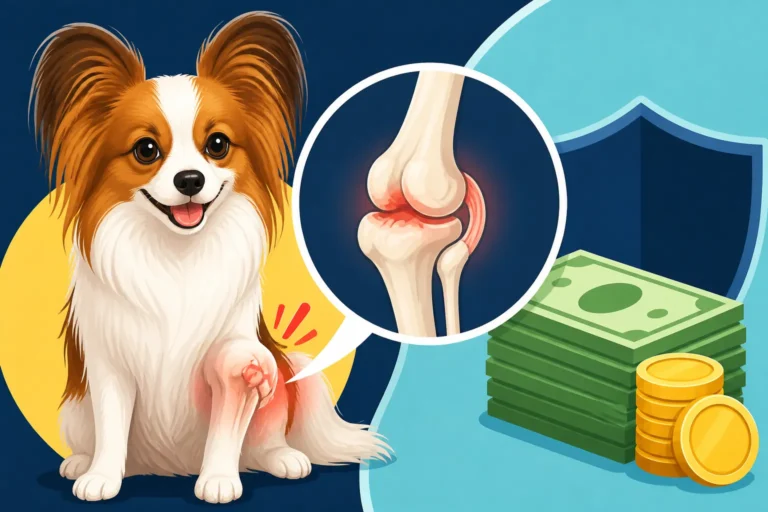
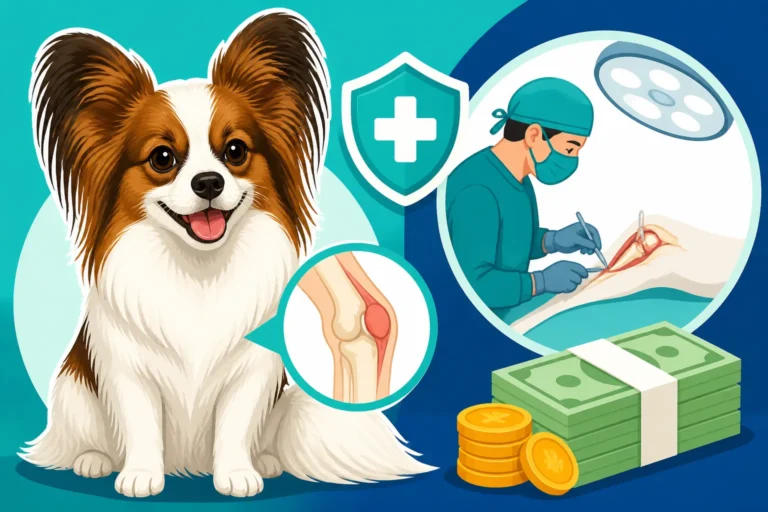
While Papillons are generally considered a healthy breed, like all purebred dogs, they can be predisposed to certain genetic or breed-specific conditions. One of the most common issues Papillon owners might face is patellar luxation, where the kneecap slips out of place. This can range from mild, intermittent skipping to severe lameness requiring corrective surgery. Patellar Luxation Is the Papillon Problem You Will Actually Meet, and depending on the grade of luxation, surgery might be recommended to alleviate pain and prevent future arthritis.
Dealing with a chronic condition like this means ongoing expenses beyond just the initial diagnosis and treatment. This could include regular vet check-ups, medication for pain or inflammation, joint supplements, or even physical therapy. These long-term management costs can really add up, making a significant impact on your annual budget. It's a testament to the dedication of Papillon owners that they often go to great lengths to provide comfort and care for their companions through these challenges.
Pet Insurance: A Financial Safety Net
Given the potential for unexpected vet bills and chronic conditions, pet insurance is a financial safety net that many Papillon owners find invaluable. It works much like human health insurance, where you pay a monthly premium, and in return, the policy covers a percentage of eligible veterinary expenses after a deductible. For a small breed like the Papillon, who can live 12-16 years or even longer, that's a lot of time for things to potentially go wrong.
While a monthly premium is an added expense, it can provide immense peace of mind. Imagine facing a $5,000 surgery for a luxating patella; with insurance from a provider like Healthy Paws, you might only be responsible for a small portion of that. It's important to research policies carefully, understanding what's covered, what exclusions might apply (like pre-existing conditions), and what your deductible and reimbursement rates are. Many owners feel it's a worthwhile investment to avoid the financial shock of major medical events. What Insurance Covers on a Papillon can be a complex topic to navigate, but understanding your options is key.
Lifetime Financial Outlook: Planning for the Long Haul
Owning a Papillon isn't a short-term commitment; these dogs are known for their impressive longevity. While this is wonderful for companionship, it also means a longer financial commitment. Thinking about the entire lifespan of your Papillon is essential for a realistic understanding of "expensive."
The Accumulation of Routine Costs
Over 15 years, those seemingly small monthly expenses for food, treats, and parasite prevention really accumulate. What might feel like $50-$100 a month easily becomes thousands of dollars over a decade and a half. This isn't just about simple arithmetic; it's about recognizing the consistent financial drain that responsible pet ownership entails. It's easy to dismiss these costs individually, but when you zoom out to a lifetime perspective, their true weight becomes clear.
Beyond the basics, think about the recurring grooming supplies, replacement toys, new beds, and potentially even training classes or doggy daycare if your lifestyle requires it. Fifteen Years of a Papillon, Priced Out often surprises people with how substantial the overall figure becomes. It's not necessarily "expensive" on a month-to-month basis, but the sheer duration of the commitment means the cumulative cost is significant.
Senior Care Expenses
As Papillons gracefully enter their senior years, typically around 10 or 11, their needs often change, and with those changes come increased expenses. Just like elderly humans, senior dogs can develop age-related conditions that require more frequent vet visits, specialized diets, and ongoing medications. Arthritis, heart disease, failing eyesight, or even cognitive decline are all possibilities that can impact your Papillon's quality of life and your wallet.
For example, an aging Papillon might need daily joint supplements, medication for heart murmurs, or regular blood work to monitor organ function. Adapting your home with ramps or orthopedic beds can also be an expense, though a worthwhile one for their comfort. Caring for a Papillon Past Eleven outlines many of these considerations. While their spirit might remain youthful, their bodies demand more care, and this translates directly into higher financial outlays during their twilight years. It's a loving commitment that many owners gladly make, but it's crucial to acknowledge these rising costs when planning for a Papillon's full life.
Saving Smart: Ways to Manage Papillon Costs
While the costs of owning a Papillon can be substantial, there are certainly ways to be a smart consumer and manage your expenses without compromising on your dog's well-being. It's about making informed choices and being proactive.
Preventative Care and Smart Shopping
One of the best ways to save money in the long run is by investing heavily in preventative care. Keeping your Papillon at a healthy weight, ensuring they get adequate exercise, maintaining their dental hygiene at home, and sticking to their vaccination schedule can prevent more serious (and costly) health problems down the line. A balanced diet and regular grooming also contribute significantly to their overall health. Remember, a healthy Papillon is a less expensive Papillon.
When it comes to shopping for supplies, look for sales, bulk discounts on food if appropriate, and consider store brands for non-critical items like waste bags. Online retailers like Chewy often offer competitive pricing and subscription services that can save you money on recurring purchases. Comparison shopping for vet services, while ensuring quality, can also yield savings, especially for routine procedures.
DIY Grooming and Training
Papillons have beautiful long coats that require regular attention, but you don't necessarily need a professional groomer every month. Learning to brush, bathe, and trim your Papillon's nails yourself can save a significant amount over their lifetime. Their fine, single coat is relatively easy to maintain with the right tools and a little practice. Whether Grooming a Papillon at Home Is Realistic is a question many consider, and for Papillons, the answer is often yes with some dedication.
Similarly, Papillons are incredibly intelligent and eager to please, making them highly trainable. Investing in puppy classes initially is a great idea for socialization and basic manners, but after that, much of their ongoing training can be done at home with consistent effort. Utilizing positive reinforcement methods and short, engaging sessions can help you teach them numerous tricks and behaviors without the constant expense of private trainers. Their quick wit makes them a joy to train, saving you both money and strengthening your bond.
The Value of Pet Insurance
Reiterating the point from earlier, pet insurance isn't just a cost, it's a strategic financial tool. Many people view it as an unnecessary expense until they're faced with an unexpected, five-figure vet bill. For a breed like the Papillon, prone to certain orthopedic issues like patellar luxation, having a policy in place can be a game-changer. It allows you to make decisions based on what’s best for your pet’s health, rather than solely on what you can afford out of pocket.
Choosing a policy from a reputable provider like Healthy Paws when your Papillon is young and healthy often means avoiding exclusions for pre-existing conditions. While it’s a monthly premium, the security it offers against catastrophic vet bills, especially as your Papillon ages, is often considered invaluable by those who have used it. It truly offers a way to budget for the unknown.
Disclaimer
This article is for general informational purposes only and does not constitute professional advice. Laws, prices and regulations vary by location and change over time. Consult a qualified professional for guidance on your specific situation.