What Show Lines Add to a Papillon’s Price
For anyone looking to bring a beautiful Papillon into their home, the price tag can sometimes feel like a bewildering rollercoaster. You might see puppies advertised for what seems like a reasonable sum, only to discover others with price points that make your jaw drop. This wide variance often leaves prospective owners scratching their heads, wondering why some Papillons command such a premium. This guide is here to shed light on one of the biggest factors contributing to a higher price tag: the inclusion of "show lines" in a Papillon's pedigree, and what that truly means for you and your future furry family member.
The Foundation of Papillon Puppy Pricing
Before we even get to the glitz and glamour of show lines, it’s important to understand the basic factors that influence the initial cost of any Papillon puppy. Buying a puppy isn't just about the adorable fluff; it's an investment in a living, breathing creature, and responsible breeders put a tremendous amount of time, effort, and money into ensuring their puppies are healthy, well-socialized, and truly represent the breed. When you’re looking at prices, you're not just paying for the puppy itself, but for everything that went into its creation and early care.
Breeder Reputation and Experience
A breeder’s reputation is one of the most significant, yet often overlooked, drivers of puppy price. Established breeders with years, if not decades, of experience breeding Papillons will naturally charge more. Why? Because they've put in the work to understand the breed intimately, to cultivate strong, healthy lines, and to provide exceptional care for their dams, sires, and puppies. They’ve invested in ongoing education, mentorship, and often travel extensively to learn from others in the breed community. You’re not just getting a puppy; you’re getting the benefit of their expertise and the assurance that they stand behind their dogs. These breeders are known for their ethical practices and often have long waiting lists. You might want to consider Finding a Papillon Breeder Who Tests Eyes and Knees to understand the due diligence involved.
These are the breeders who can tell you about generations of their dogs, their temperaments, health histories, and what makes each individual special. They’re not just breeding for profit; they’re breeding to preserve and improve the Papillon breed. Their commitment ensures that the puppies they produce have the best possible start in life, both genetically and environmentally. This often includes early neurological stimulation, extensive socialization, and careful weaning onto high-quality puppy food, perhaps even from brands found on Chewy that cater to small, growing puppies.
Health Testing and Guarantees
Another critical component of a Papillon's price is the health testing performed on the parent dogs. Responsible breeders don't just breed two Papillons together; they meticulously screen their breeding stock for genetic conditions prevalent in the breed. This isn't a cheap endeavor. Eye certifications, patella examinations, and DNA tests for conditions like Progressive Retinal Atrophy (PRA1) are essential, and each test adds to the breeder’s overhead. You might wonder What a Papillon Breeder Should Have Tested and this is a key factor in the cost. The cost of these tests is an investment in the health of future generations and directly impacts the likelihood of your puppy developing these issues down the line.
When you see a higher price for a puppy, it often reflects a breeder’s transparency and commitment to health. They provide copies of health clearances for both parents, demonstrating that they've done everything possible to mitigate genetic risks. Moreover, these breeders typically offer health guarantees, sometimes for a year or more, protecting you against certain genetic defects. This guarantee isn't just a piece of paper; it’s a tangible representation of their confidence in the health of their breeding program. Without these crucial health checks, you might save a bit upfront on the puppy, but could face significantly higher veterinary bills down the road.
Geographic Location and Demand
Just like real estate, puppy prices can fluctuate based on location and regional demand. In areas where Papillons are less common, or where there are fewer reputable breeders, prices might be higher due to limited supply. Conversely, in regions with a denser population of breeders, there might be more competitive pricing, though quality should always be the priority. The cost of living in a particular area can also subtly influence prices, as breeders need to cover their own expenses, which can vary widely.
Think about the sheer logistics involved: good breeders don't just happen to have puppies ready; they plan litters carefully, sometimes years in advance. They have to consider everything from veterinary care to whelping supplies, and a significant portion of their time is dedicated to the well-being of their dogs. When demand is high for well-bred, healthy Papillons, prices will naturally reflect that. It’s not about gouging; it’s about valuing the immense effort and specialized care that goes into producing a truly exceptional puppy.
Understanding "Show Quality" in Papillons
Now, let's dive into the core of our discussion: what exactly do "show lines" add to a Papillon's price? It’s far more than just bragging rights. A "show quality" Papillon isn't just a pretty face; it's a dog that embodies the breed standard to a remarkable degree, a testament to generations of careful breeding and selection. This distinction is crucial and involves a deep understanding of genetics, conformation, and temperament.
Conformation Standards and Breeding Goals
Every purebred dog breed has a written "standard" – a detailed description of the ideal specimen, covering everything from ear set and eye color to body structure, coat texture, and movement. For a Papillon, this includes those magnificent butterfly ears, a delicate yet sturdy bone structure, and a spirited, intelligent expression. Breeders who focus on show lines are meticulously striving to produce dogs that adhere as closely as possible to this standard. Their breeding goals aren't just about producing healthy pets (though that's paramount); they're about producing dogs that can excel in the conformation ring, proving their quality against other top examples of the breed.
This involves an immense amount of study and discernment. They analyze pedigrees, carefully select potential mates, and understand complex genetics to try and predict what a litter might produce. The goal is to improve the breed with each generation, addressing minor faults while enhancing desirable traits. This level of intentionality and specialized knowledge comes at a significant cost, as the breeder is investing in the potential for excellence, not just a guaranteed outcome. The nuances of What a Correct Papillon's Outline Looks Like are deeply ingrained in their breeding choices.
The Investment in Showing and Proving Lines
Producing a show-quality Papillon isn’t just about the parents; it’s also about the journey of proving that quality. Breeders of show lines invest heavily in campaigning their dogs in conformation events. This isn’t a hobby where you just show up; it’s a serious commitment involving significant financial outlay and time. Attending shows, traveling across states or even internationally, hiring professional handlers (which can run into substantial figures for a top dog), and maintaining the dog in peak physical and mental condition are all part of the process.
These show wins and titles aren't just ribbons; they’re validations of the breeder’s program. A champion title next to a parent’s name in a pedigree indicates that the dog has been judged by multiple experts as an excellent representative of its breed. This external validation adds significant value to the offspring, as it suggests a higher probability of consistent quality in the puppies. When you buy a puppy from show lines, you are benefitting from the breeder's dedication to proving the quality and health of their breeding stock in a competitive environment.
Pedigree and Champion Titles
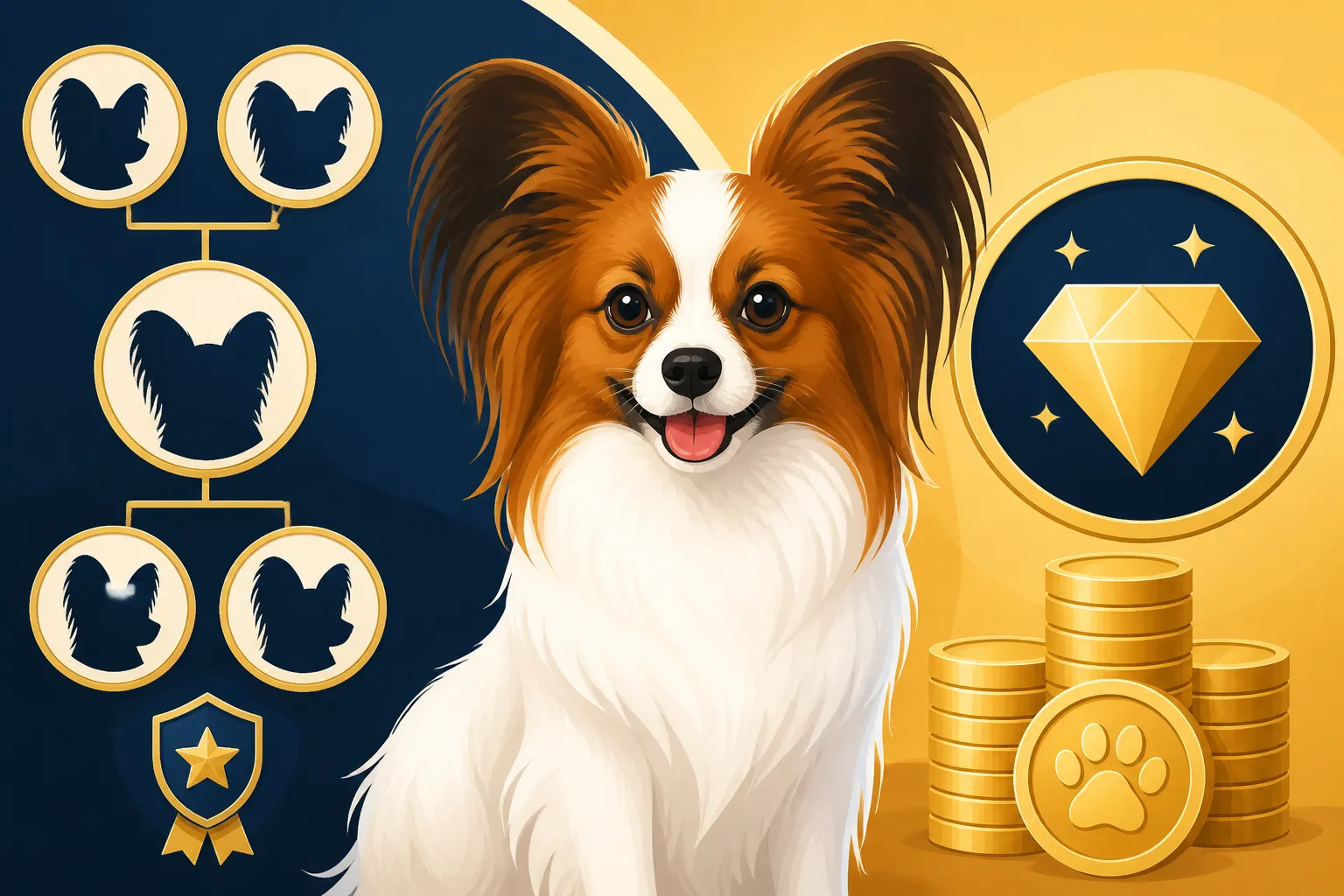
When a breeder talks about "show lines," they are talking about a pedigree filled with champion titles. This means that the lineage of your potential puppy is a verifiable history of dogs that have achieved high honors in the conformation ring. You'll see "Ch." or "GCh." (Grand Champion) liberally sprinkled throughout the names of ancestors. This isn't just about snob appeal; it's a genetic roadmap. These titles signify that those dogs were evaluated by breed experts and found to be exemplary.
A pedigree rich in champions is a strong indicator of genetic consistency for type, temperament, and structure. It means the breeder isn't just hoping for the best; they are working with generations of proven quality. This also often implies a certain level of stable, confident temperament, as show dogs must be able to handle the stress and excitement of competition with grace. For potential owners, this means a higher likelihood of getting a Papillon that looks, moves, and acts exactly as the breed standard describes – a true representative of the breed. This meticulous genetic planning impacts the overall Cost a Papillon Costs Over Its Lifetime by potentially reducing the risk of unexpected health or temperament issues.
The Tangible and Intangible Costs of Show Lines
It’s easy to look at a higher price tag and feel a pinch, but when you understand the depth of investment a show-line breeder makes, it starts to make a lot more sense. These aren't costs that are just tacked on for profit; they are deeply intertwined with the commitment to excellence and the preservation of the Papillon breed.
Showing Expenses: Travel, Entry Fees, and Professional Handling
Imagine spending countless weekends on the road, driving or flying to dog shows, staying in hotels, and paying for entry fees for each competition. Each entry can be a small fee, but they add up quickly when you're entering multiple dogs in multiple classes over several days. Then, consider the specialized grooming required to present a Papillon in prime condition. Their beautiful ear fringe and tail plume need meticulous care, often with premium shampoos and conditioners found at specialty stores or through Chewy. For many breeders, especially those with multiple dogs, hiring a professional handler is essential. These handlers are experts at presenting dogs, often traveling a circuit of shows, and their fees are a significant expense.
The entire process of campaigning a dog to a championship title can easily run into thousands of dollars, depending on the dog's success and the handler's rates. This investment isn't just for one dog; it's to prove the entire breeding program. When a champion Papillon produces puppies, a portion of that puppy's price helps to recoup these substantial costs, allowing the breeder to continue their work of developing and improving the breed. This dedication is a testament to Whether the Papillon Is a Healthy Breed because competitive breeders prioritize health and soundness.
Health Screening Beyond the Basics for Competitive Dogs
While all responsible breeders perform core health tests, those focused on show lines often go a step further. They might do more frequent eye exams, additional cardiac screenings, or even participate in research studies to further understand genetic predispositions. For a show dog, soundness is paramount, and any underlying health issue, no matter how minor, could impact its ability to compete or even live a full, active life. This means comprehensive vet checks, regular preventative care, and sometimes specialized diets, perhaps using services like Ollie, to keep the dog in peak physical condition.
For example, while patellar luxation is a known issue in small breeds like the Papillon, a show breeder will ensure their dogs have strong, healthy knees, often seeking evaluations from orthopedic specialists. This rigorous approach minimizes risks not just for their show dogs, but for every puppy they produce. While you might worry Whether a Papillon Is Worth the Knee Risk, a breeder focused on show lines has actively worked to reduce that risk in their progeny. This commitment to exceptional health translates directly to the value of their puppies.
Time, Expertise, and Mentorship
Perhaps the most invaluable, yet unquantifiable, cost added by show lines is the immense time and expertise of the breeder. These breeders don't just own Papillons; they live and breathe the breed. They are often members of national and regional breed clubs, attend seminars, and engage in mentorship relationships with experienced breeders. They spend countless hours studying pedigrees, genetics, and breed history. This depth of knowledge allows them to make informed breeding decisions that consistently produce high-quality puppies.
They also devote significant time to socializing puppies, starting them with basic manners, and evaluating each puppy’s potential for show or as a pet. This hands-on, expert care ensures that their puppies are not only physically sound but also mentally well-adjusted, confident, and ready to thrive in their new homes. This level of dedication extends long after the puppy leaves, with many show breeders offering lifetime support and advice to their puppy owners. It's a relationship, not just a transaction.
Is a Show-Line Papillon Right for You?
Understanding the costs associated with show lines helps clarify the price, but it also prompts another important question: is a show-line Papillon the right choice for every potential owner? The answer depends largely on your goals, lifestyle, and what you’re looking for in a companion.
For the Aspiring Show Exhibitor
If your dream is to step into the world of dog shows, whether in conformation, obedience, or agility, then investing in a show-line Papillon is almost a prerequisite. These puppies are specifically bred with the genetic potential to meet or exceed breed standards, giving you a significant head start. While a "pet quality" Papillon from show lines might still have a wonderful temperament and be a fantastic companion, it might have a minor conformational fault that would prevent it from excelling in the show ring. For instance, Whether a Papillon With a Grade One Knee Can Compete is a question that requires a sound and healthy dog.
A breeder will typically evaluate puppies around 8-12 weeks of age to determine which ones have "show potential." These puppies will command the highest prices, reflecting their breeding and potential future value in the show world. This higher initial investment is often seen as a necessary foundation for a serious competitive career. Moreover, a good show breeder will often act as a mentor, guiding you through the intricacies of the show world, from grooming techniques to handling tips, and providing ongoing support throughout your Papillon's show career.
For the Pet Home Seeking Quality and Predictability
Even if you have no intention of ever setting foot in a show ring, there are compelling reasons to consider a Papillon from show lines for a pet home. The rigorous breeding practices and health testing that go into show lines often result in puppies with a higher degree of predictability in terms of health, temperament, and appearance. You're more likely to get a dog that truly embodies the Papillon characteristics you fell in love with – the elegant look, the bright intelligence, and the charming personality.
These puppies are usually priced slightly lower than their "show potential" littermates, as they might have a minor cosmetic fault (like an ear that doesn't quite go up perfectly, or a slightly less profuse coat) that doesn't affect their health or their ability to be a beloved family member. However, they still benefit from the same exceptional health testing, careful socialization, and genetic heritage as their show-bound siblings. For a family looking for a healthy, well-adjusted, and archetypal Papillon, this can be an excellent option. Plus, knowing you're getting a dog from a breeder committed to health means you're building a strong foundation for How Long a Papillon Lives. Pet insurance like Healthy Paws might still be a good idea, of course, to prepare for life's little surprises.
When a Show-Line Papillon Might Not Be Necessary
For some individuals, a show-line Papillon might be an unnecessary expense. If your primary goal is simply a loving companion, and you're not particularly concerned with exact adherence to the breed standard, there are other reputable avenues. You might find a wonderful Papillon through breed-specific rescue organizations or from breeders who prioritize pet homes over the show ring, but still conduct thorough health testing. It's about finding the right fit for your unique situation.
It's also important to be wary of breeders who claim "show lines" but cannot provide verifiable proof of health testing or champion titles in their pedigrees. Always ask for documentation, meet the parents if possible, and engage in thorough conversations about their breeding philosophy. Remember that while a higher price can indicate quality, it's the transparency, health clearances, and support from the breeder that truly matter. Sometimes, a beautiful Papillon from a loving home, even without a string of champions in its past, is all you truly need, especially if you're looking to enjoy activities like Starting a Papillon in Agility where temperament and drive might be more important than perfect conformation.
Comparing Papillon Puppies from Show Lines: Pet vs. Show Potential
When you're looking at a litter from a show-line breeder, you'll often hear terms like "pet quality" and "show potential." Here's a breakdown to help you understand the difference in relation to pricing and expectations.
| Feature | Pet Quality from Show Lines | Show Potential from Show Lines |
|---|---|---|
| Price | Generally lower than show potential, reflecting minor cosmetic faults. | Higher, reflecting adherence to standard and potential for titles. |
| Appearance | Meets most breed standards but may have minor "faults" (e.g., ear set, coat density). | Closely adheres to breed standard; exemplary structure, coat, and movement. |
| Temperament | Excellent, well-socialized, confident. Bred for companionability and intelligence. | Excellent, confident, outgoing. Must be able to handle show ring stress and strangers. |
| Health Testing | Parents undergo same rigorous health testing as show potential puppies' parents. | Parents undergo rigorous health testing, often with additional screenings for competitive dogs. |
| Breeding Rights | Usually sold on a spay/neuter contract with limited registration. | Often sold with full registration for breeding/showing, sometimes with specific conditions. |
| Ideal Owner | Families seeking a healthy, beautiful, and well-adjusted companion; not interested in showing. | Aspiring exhibitors or breeders looking to improve lines and compete in dog shows. |
| Breeder Support | Lifetime support and advice on care, training, and health. | Lifetime mentorship, guidance on showing, breeding, and ongoing support for competitive goals. |
Remember, a "pet quality" Papillon from a responsible show breeder is still a fantastic dog, benefiting from all the health testing and careful rearing. The difference is often in very subtle details that only a trained eye would notice, and which have no bearing on its ability to be a loving family member.
Ultimately, the decision to invest in a Papillon from show lines boils down to value. If you appreciate the meticulous effort, genetic health guarantees, and the aesthetic and temperamental predictability that comes with generations of dedicated breeding, then the added cost of a show-line Papillon will likely feel completely justified. You're not just buying a puppy; you're investing in a legacy of careful stewardship and a commitment to the enduring excellence of this delightful butterfly dog.
Disclaimer
This article is for general informational purposes only and does not constitute professional advice. Laws, prices and regulations vary by location and change over time. Consult a qualified professional for guidance on your specific situation.