How Far Buyers Travel for a Papillon
It’s a common scenario: you’ve fallen completely in love with the idea of adding a Papillon to your family, you’ve done your research, and now you’re ready to find your furry companion. But then the reality hits – finding a well-bred Papillon puppy isn't always as simple as looking in your local newspaper classifieds. Many prospective owners find themselves wondering just how far they’ll need to travel to bring home the right puppy. This guide is here to walk you through the various factors that influence how far Papillon buyers travel and what to consider when planning your journey.
Factors Influencing How Far You'll Travel for a Papillon
When you're searching for a Papillon puppy, the distance you might end up traveling can be influenced by a whole host of factors, from the scarcity of the breed to your own specific preferences. It's not usually a matter of simply picking the closest option; it's about finding the right option for you and your family.
The Rarity of the Breed
Let's be honest, Papillons aren't as ubiquitous as some other toy breeds you might see everywhere. They're a beautiful, intelligent breed, but they aren't churning out litters left and right in every town. This inherent rarity means that quality breeders, those dedicated to the health, temperament, and conformation of the breed, are often few and far between.
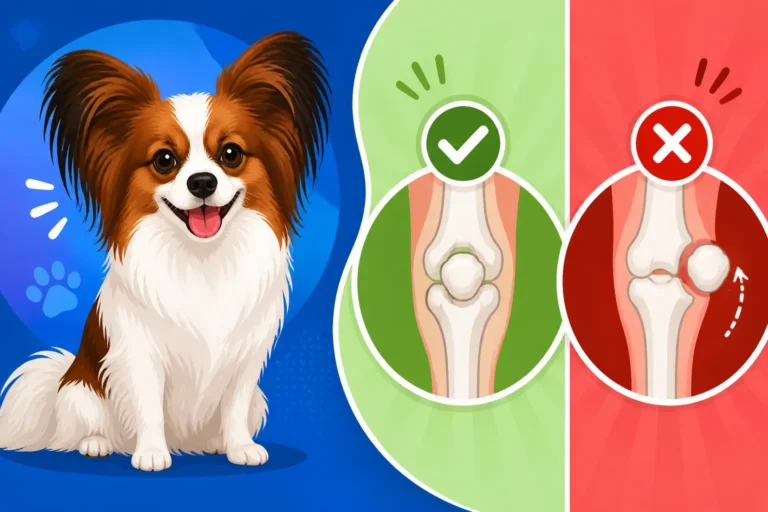
You might live in a state where there are only a handful of reputable Papillon breeders, or perhaps even none that are currently breeding. This immediate scarcity forces prospective owners to broaden their search beyond their immediate geographical area. It's not uncommon for people to look at breeders within a few hundred miles, or even across state lines, just to find a potential litter. This is especially true if you're looking for a puppy from a breeder who runs all the recommended health tests, like for PRA1 or patellar luxation, which really narrows the field. You can read more about Why Papillon Puppies Are Hard to Find and How Many Papillon Litters Are Bred a Year to understand the supply side better.
Breeder Reputation and Health Testing
This is perhaps the biggest driver for long-distance travel. Any responsible future Papillon owner wants a healthy puppy from a responsible breeder. A good breeder prioritizes health, temperament, and genetic screening, and they aren't afraid to share their results. They understand the breed's specific health concerns, such as The Papillon Type of Progressive Retinal Atrophy and the CNGB1 Gene or Patellar Luxation Is the Papillon Problem You Will Actually Meet, and actively work to minimize these risks in their lines.
When you find a breeder who is well-known and highly respected within the Papillon community – perhaps they're members of the national breed club, actively show their dogs, and have a proven track record of healthy, well-adjusted puppies – you’re going to be willing to go the extra mile. Literally. People will travel multiple states away if it means getting a puppy from a breeder who consistently produces excellent dogs, tests all their breeding stock, and offers lifelong support. This peace of mind, knowing you’re getting a puppy from a sound genetic background, often outweighs the inconvenience of travel. Checking What a Papillon Breeder Should Have Tested is a crucial step in this process.
Specific Bloodlines or Purposes
Sometimes, a buyer isn't just looking for any Papillon; they're looking for a Papillon with specific qualities. Maybe they want a dog from champion conformation lines, or perhaps they're keen on an agility prospect with a strong working pedigree. The Papillon is known for its intelligence and athleticism, excelling in dog sports. Starting a Papillon in Agility is a big draw for many. These specialized lines are even rarer.
If you have a particular interest, such as wanting a puppy for showing, breeding (which is often done on limited registration, so this is less common for new owners), or high-level performance sports like agility, you'll likely cast a much wider net. You might identify a few top breeders across the country who consistently produce the traits you're seeking, and then the distance becomes almost irrelevant. It's about finding that needle in a haystack. For example, if you want a Papillon known for its drive and aptitude for agility, you might track down breeders whose dogs are competing successfully and be prepared to fly across the country.
Availability and Timing
Life happens, and sometimes you're ready for a puppy now, or at least within a certain timeframe. Reputable Papillon breeders often have waiting lists, and sometimes those lists can be quite long. How Long the Waitlist for a Papillon Runs can be considerable. If you're unwilling or unable to wait a year or more for a puppy from a local breeder, you might expand your search geographically to find a breeder with a current or upcoming litter that fits your timeline.
The inverse is also true: if you're very particular about gender, color, or ear set (Papillons or Phalenes), you might need to wait for a specific litter or a specific puppy to be born. This pickiness, combined with the breed's rarity, can mean that the only available puppy meeting your exact criteria might be hundreds or even thousands of miles away. It's a delicate balance between your preferences and the realities of availability.
The Pros and Cons of Traveling a Long Distance for Your Papillon
Deciding to travel a significant distance for your Papillon puppy isn't a light decision. There are definite advantages to expanding your search, but also some very real drawbacks that you need to consider before committing to a cross-country trip.
Advantages of a Wider Search
Venturing beyond your immediate vicinity significantly increases your chances of finding a truly exceptional Papillon.
- Access to Top-Tier Breeders: As mentioned, the very best breeders, those dedicated to preserving the health and integrity of the Papillon breed, might not live next door. By being willing to travel, you gain access to breeders who consistently produce sound, healthy, and well-socialized puppies. This often means less heartache down the line with health issues, and a dog that embodies the wonderful Papillon temperament.
- Wider Selection of Bloodlines and Traits: If you have specific criteria – perhaps a particular ear set (erect Papillon ears versus drop-eared Phalene ears), a certain color pattern, or a lineage known for specific talents in performance sports – a broader search gives you more options. You're not limited to the genetic pool of your immediate region.
- Better Health Guarantees and Support: Reputable breeders, regardless of location, typically offer comprehensive health guarantees and are there for you throughout your dog's life. But when you travel for a puppy, it's often because that breeder offers superior transparency and guarantees that you might not find locally. This commitment to their puppies, even after they leave, is invaluable. A quality breeder will often guide you on everything from nutrition to handling common puppy issues like Whether a Papillon Puppy Has Low Blood Sugar.
- Finding a Truly Excellent Match: Ultimately, the goal is to find a puppy whose personality and potential align perfectly with your lifestyle. By considering breeders from a wider area, you're more likely to find that "perfect fit" rather than settling for what's merely convenient.
Disadvantages and Challenges of Long-Distance Travel
While the benefits are clear, traveling far for a puppy isn't without its challenges. It requires careful planning and a realistic understanding of the commitment involved.
- Cost Implications: Travel adds significantly to the overall cost of your puppy. Beyond the initial What a Papillon Puppy Costs From a Breeder, you'll need to factor in airfare or gas, accommodations, food, and potentially extra supplies for the puppy's journey home. These expenses can quickly add up, easily equaling or even exceeding the price of the puppy itself. What Shipping a Papillon Puppy Costs is another consideration if you opt for that, though many breeders prefer owners pick up in person.
- Stress on the Puppy: Bringing a new puppy home is already a big transition. A long car ride or a flight can be incredibly stressful for a young pup, especially if they are leaving their littermates and mother for the first time. It's vital that the puppy is old enough to handle the journey – most responsible breeders won't let a puppy leave before 10-12 weeks for this reason. Whether a Papillon Puppy Should Leave at Ten Weeks emphasizes the importance of age. You need to prepare adequately with a comfortable carrier, water, and potty breaks.
- Logistical Hurdles: Planning a trip, especially cross-country or by air, involves coordinating schedules, booking flights (and ensuring the airline allows small dogs in the cabin), and managing puppy care during the journey. This can be complex, especially if you have other commitments. Airlines often have specific requirements for pet travel, including carrier size and health certificates, which means extra vet visits before you leave.
- Limited In-Person Interaction: Ideally, you'd want to visit a breeder multiple times to observe the puppies, interact with the parents, and get a feel for the breeder's environment. When traveling a great distance, this often means fewer pre-purchase visits, or sometimes only one pick-up visit. While video calls and photos help, they can't fully replicate an in-person experience. This makes trusting your breeder even more critical, and asking Which Questions to Ask a Papillon Breeder becomes paramount.
Here's a quick overview of the trade-offs:
| Factor | Local Breeder (Close Travel) | Distant Breeder (Long Travel) |
|---|---|---|
| Availability | Limited, may require long wait. | Wider pool, potentially faster access to a litter. |
| Cost | Lower travel expenses, possibly higher puppy price if rare. | Higher travel expenses, potentially more competitive puppy pricing. |
| Selection | Restricted to local gene pool/lines. | Access to diverse bloodlines, specific traits. |
| Puppy Stress | Minimal travel stress. | Potentially high stress from long journey. |
| Logistics | Simpler, easier to plan visits. | Complex travel planning, potential airline restrictions. |
| Breeder Access | Easier multiple visits, observe environment firsthand. | Fewer or single visits, more reliance on communication. |
| Health Quality | Varies, research is key. | Often higher due to wider access to reputable breeders. |
Minimizing the Need to Travel: Finding Quality Closer to Home
While sometimes travel is unavoidable to find the perfect Papillon, there are definitely strategies you can employ to increase your chances of finding a great puppy closer to home, or at least minimizing the travel distance. It's all about doing your homework and being patient.
Thorough Online Research and Networking
Don't just limit your online search to "Papillon puppies near me." Expand your horizons. Look at national Papillon breed club websites, which often have breeder directories listed by state. These clubs typically uphold high standards for their members and often require certain health testing. Check out clubs in neighboring states too.
Beyond formal directories, dive into breed-specific forums, social media groups, and online communities. These can be goldmines for recommendations and insights into breeders. Other Papillon owners are usually thrilled to share their experiences and point you toward responsible individuals. Sometimes, a breeder who doesn't advertise extensively might be known within these circles. Be prepared to introduce yourself and engage with the community. You might even find someone who knows of a quality breeder planning a litter a bit closer than you initially thought.
Being Flexible with Preferences
If you're dead-set on a very specific color, gender, or ear type, you're inherently limiting your options. Being a little flexible can open up more possibilities closer to home. For example, if you're open to either a Papillon (erect ears) or a Phalene (drop ears) – remember, Why a Papillon and a Phalene Are Born in the Same Litter – your chances of finding a suitable puppy increase. The same goes for color. While specific markings are part of the breed standard, all recognized colors are equally beautiful.
Consider what is truly non-negotiable for you. Is it health? Temperament? If so, prioritize those over superficial traits. A healthy, well-adjusted puppy with slightly different markings than you originally envisioned will bring far more joy than a puppy from a questionable background, no matter how perfectly colored.
Building Relationships with Breeders
Even if a breeder doesn't have a current litter, reaching out and starting a conversation can be incredibly beneficial. Introduce yourself, explain what you're looking for, and ask about their breeding plans for the future. Many top breeders value building a relationship with prospective owners. They want to know their puppies are going to good homes.
By getting on a waiting list, even if it's a long one, you might secure a puppy from a quality breeder that you otherwise wouldn't have access to. This also gives you time to prepare your home, research puppy supplies (perhaps ordering from a convenient online retailer like Chewy), and learn more about The First Year With a Papillon Puppy. Patience truly is a virtue in this process. A breeder might even recommend a colleague in your area or a nearby state who shares their breeding philosophy, effectively shortening your travel distance.
Practical Considerations for Traveling with a Papillon Puppy
So, you've found your dream Papillon puppy, and yes, it means a bit of a journey. Don't worry, with some careful planning, you can make the trip as smooth and stress-free as possible for both you and your new furry family member.
Planning the Journey Home
Whether you're driving or flying, meticulous planning is key.
- By Car: If driving, ensure your puppy has a secure, comfortable crate or carrier. Many breeders will insist on this for safety. A soft bed, a familiar-smelling towel from the breeder, and some puppy-safe toys can make the space more inviting. Plan frequent stops for potty breaks (on leash in a safe, grassy area away from other dogs if possible, especially since they won't be fully vaccinated yet) and offer water. Keep the car temperature comfortable, not too hot or too cold. Pack puppy pads for accidents in the carrier, and paper towels for clean-ups.
- By Air: If flying, this usually means the puppy travels in the cabin with you under the seat. Confirm your airline's specific pet policy well in advance, including carrier dimensions, weight limits, and required health certificates from a vet. These rules can change, so always double-check close to your travel date. Ensure the puppy has had a final vet check and any necessary documentation is ready. During the flight, limit food to avoid upset stomachs, but offer water sparingly. A puppy calming spray might help some pups, but always discuss with the breeder or vet first. Anesthesia and a Five Pound Papillon is a real concern, so avoid any sedatives without professional advice.
Essential Supplies for the Trip
Don't show up empty-handed! Having a well-stocked "puppy travel kit" will make a world of difference.
- Carrier/Crate: Appropriate size, comfortable, and secure. A good quality, airline-approved carrier is essential for flying.
- Food and Water: Bring the food the breeder has been feeding to avoid stomach upset from a sudden diet change. A small bowl and bottled water are necessary. You can also pick up small, palatable treats for positive reinforcement. Consider a subscription service like Ollie for quality food that can be delivered to your home once you arrive.
- Leash and Collar/Harness: A small, lightweight harness is often better for tiny Papillon puppies than a collar, to protect their delicate necks and tracheas. Whether a Papillon Should Wear a Harness Instead of a Collar is a common question, and for puppies, it's often yes.
- Potty Supplies: Puppy pads, poop bags, and cleaning wipes are absolute necessities for any travel mishaps.
- Comfort Items: A blanket or toy from the breeder that smells like their littermates can provide immense comfort.
- Paperwork: Health certificate, vaccination records, bill of sale, and any other documents from the breeder. Keep these easily accessible.
Post-Arrival Care
Once you get home, the real adventure begins! Your puppy will be tired and likely a little overwhelmed, regardless of how far you traveled.
- Establish a Routine: Get your puppy settled into a consistent routine for feeding, potty breaks, and sleep. This predictability helps them adjust quickly. Papillons are intelligent and thrive on routine.
- Vet Visit: Schedule a vet check-up within a few days of arrival. This is standard practice and often a requirement of breeder health guarantees. The vet can confirm the puppy's health and continue their vaccination schedule. This is also a good time to discuss pet insurance options from providers like Healthy Paws, which can be invaluable for unexpected puppy ailments.
- Socialization and Training: Once cleared by your vet, begin gentle socialization and training. Papillons are smart! The Papillon Is the Smartest Toy Breed There Is, so they'll pick things up quickly. Start with positive reinforcement for house training and basic cues. Read When to Start Training a Papillon Puppy for more tips.
- Safety First: Puppy-proof your home, especially for a tiny Papillon. Ensure no small objects are left on the floor, and consider ramps or steps for furniture if you have a high sofa or bed to protect their developing joints, particularly their delicate knees. Whether a Papillon Should Be Stopped From Jumping Off Furniture is critical for patellar health.
Bringing home a Papillon, whether from down the street or across the country, is a momentous occasion. By understanding the factors involved in your search and planning your journey carefully, you can ensure a safe and happy start to your life together.
Disclaimer
This article is for general informational purposes only and does not constitute professional advice. Laws, prices and regulations vary by location and change over time. Consult a qualified professional for guidance on your specific situation.