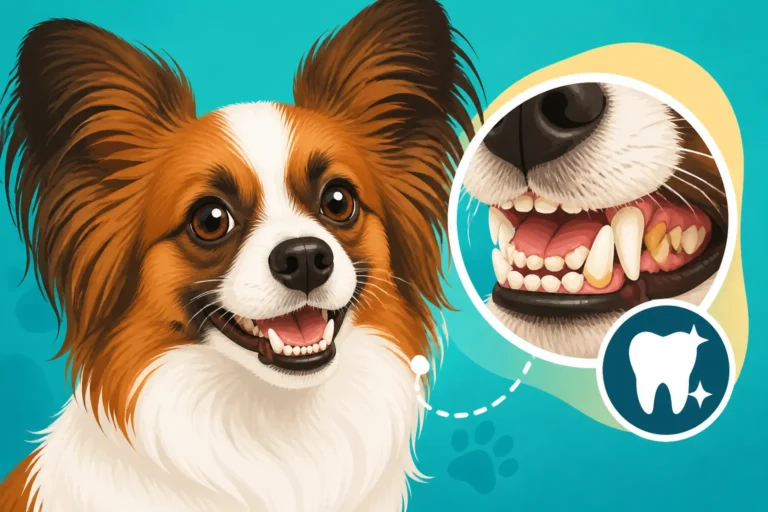
Whether Wellness Cover Pays a Papillon’s Dental
It's a common, utterly frustrating scenario: you're trying your best to keep your precious Papillon healthy, you're paying for pet insurance, and then a dental cleaning bill lands in your lap that makes your eyes water. You think, "Surely my insurance covers this, right?" But more often than not, standard pet insurance policies don't cover routine dental care like cleanings, leaving you feeling blindsided and confused. This guide will clarify the ins and outs of wellness coverage and how it specifically applies to your Papillon's dental health, helping you understand your options and avoid those unexpected costs.
Understanding the Difference: Insurance vs. Wellness Plans for Your Papillon
Before we dive into whether wellness coverage specifically pays for your Papillon's dental work, it's absolutely vital to understand that "pet insurance" usually refers to two very distinct categories of coverage, and people often mix them up. This confusion is where a lot of the unexpected financial burden comes from, especially when it comes to routine care for our tiny-mouthed friends.
The Role of Accident and Illness Insurance
Think of accident and illness insurance as your safety net for the big, scary, unpredictable stuff. This is what most people typically mean when they say they have "pet insurance." These policies are designed to cover the costs of unexpected veterinary care due to accidents (like your Papillon jumping off the sofa and tweaking a knee, which is a real concern if you haven't taken steps to Set Up a House That Protects a Papillon's Knees) or sudden illnesses (like an unexpected infection or a newly diagnosed condition). These are the events that can lead to emergency vet visits, costly diagnostics, surgery, and long-term medication, where bills can easily soar into the thousands.
This type of insurance is a lifesaver for things like major surgeries for Patellar Luxation Is the Papillon Problem You Will Actually Meet or treatment for a sudden, serious disease. However, it generally does not cover routine preventive care. It's like your car insurance covering a collision but not your oil changes or tire rotations. Companies like Healthy Paws are well-known for their comprehensive accident and illness plans, but they typically focus on the unexpected, leaving preventive care in a different category.
What Wellness Plans Are Designed For
Wellness plans, on the other hand, are a separate offering, sometimes bundled with insurance or sold standalone, that specifically target routine and preventive care. These plans are designed to help you budget for and cover the predictable, everyday health maintenance that your Papillon needs. This includes things like annual check-ups, vaccinations, routine parasite prevention (flea, tick, and heartworm medications), and yes, often dental cleanings.
The key difference here is predictability. These aren't for the unexpected "what if" scenarios, but rather for the "this will definitely happen" aspects of pet ownership. Many pet parents find great value in wellness plans because they help spread out the cost of essential care throughout the year, rather than facing large bills all at once. For a Papillon, whose long lifespan means they'll need many years of preventive care, a good wellness plan can be incredibly beneficial.
How Wellness Coverage Specifically Addresses Your Papillon's Dental Needs
Now that we've cleared up the distinction, let's zero in on your Papillon's dental care. This is an area where wellness plans truly shine, especially for a breed known for its particular oral health challenges.
Routine Dental Cleanings and Examinations
The most common dental service covered by wellness plans is the annual or bi-annual dental cleaning. For a Papillon, with their small mouths and propensity for tartar buildup, these cleanings are not just a nice-to-have, they are absolutely crucial. Without them, plaque hardens into tartar rapidly, leading to gum disease, pain, and eventual tooth loss. How Early Tartar Appears on a Papillon can be surprisingly fast, sometimes even before they're a year old!
A typical wellness plan that includes dental care will cover a portion or the full cost of a professional dental cleaning, which involves general anesthesia, scaling, and polishing, similar to what you'd get at your own dentist, but for your furry friend. This helps prevent serious issues down the line. Some plans might even cover a yearly dental exam, separate from the cleaning, where the vet can assess your Papillon's oral health and recommend if a cleaning is needed.
What Might Not Be Covered (The Fine Print)
While wellness plans are fantastic for routine cleanings, it's important to read the fine print. Not all dental procedures are covered. Generally, most wellness plans will not cover extensive dental work required due to pre-existing conditions (issues that arose before you enrolled your Papillon in the plan or during a waiting period). They also typically won't cover major restorative work like root canals, orthodontics, or complex extractions if they are a result of significant disease rather than routine maintenance.
For instance, if your Papillon develops a severe abscess requiring multiple extractions because previous dental care was neglected, a wellness plan might only cover the initial cleaning and exam, but not the more intensive, costly surgery. This is where an accident and illness policy might step in, if the dental issue is considered an "illness" and not related to routine neglect or a pre-existing condition, but it's a grey area and highly dependent on the specific policy terms. That's why consistent preventive care, often facilitated by a wellness plan, is your best defense.
The Unique Dental Challenges of Papillons
It's no secret that small breeds, including our beloved Papillons, are particularly prone to dental issues. This isn't just a minor inconvenience; it can significantly impact their quality of life and even shorten their lifespan. Understanding these challenges emphasizes why having some form of dental coverage, whether through a wellness plan or careful budgeting, is so important.
Overcrowding and Rapid Tartar Buildup
Take a look inside your Papillon's mouth, and you'll immediately notice how tiny those jaws are. Despite their size, they often have the same number of teeth as a much larger dog, leading to significant overcrowding. This packed arrangement creates ideal hiding spots for food particles and bacteria, which quickly turn into plaque and then stubborn tartar. This process is often much faster in small breeds than in larger dogs.
Because of this overcrowding, even with diligent home care, some areas are just impossible to keep perfectly clean. That's why professional cleanings under anesthesia are indispensable. Without them, the tartar will build up beneath the gum line, leading to painful periodontal disease. This is a common and unavoidable reality for Papillon owners, making regular dental care a non-negotiable part of their health regimen. You might find yourself asking, Why a Papillon's Jaw Crowds Its Teeth – and the answer is simply genetics and skull shape.
Periodontal Disease and Its Far-Reaching Effects
Periodontal disease isn't just about bad breath; it's a serious bacterial infection that affects the gums and the structures supporting the teeth. As it progresses, it can cause excruciating pain, loose teeth, and eventually tooth loss. Worse still, the bacteria from infected gums can enter the bloodstream and travel to vital organs like the heart, kidneys, and liver, potentially leading to much more severe health problems. This is a common and often silent threat to our Papillons' long-term health.
Considering How Common Dental Disease Is in Papillons, it's not a matter of "if" but "when" your Papillon will need professional dental attention. By investing in a wellness plan that covers routine cleanings, you're not just preventing bad breath; you're safeguarding their overall health and potentially extending their happy, energetic lives. Consistent care means your Papillon might avoid needing complex procedures like extractions, which add significantly to What a Papillon's Dental Costs and recovery time.
Comparing Wellness Plans and Deciding What's Best
With various options out there, choosing the right wellness plan can feel overwhelming. It’s not just about finding any plan, but finding one that truly meets your Papillon's specific needs and your budget.
What to Look For in a Dental Wellness Plan
When you're comparing wellness plans, especially with an eye toward dental coverage, here's what you should scrutinize:
- Coverage for Dental Cleanings: This is your primary goal. Does the plan cover a percentage, a fixed amount, or the full cost of one or more routine dental cleanings per year? Understand what "routine" includes—is it just scaling and polishing, or does it extend to pre-anesthetic bloodwork or simple extractions?
- Waiting Periods: Just like accident and illness insurance, wellness plans often have waiting periods before coverage kicks in. You don't want to sign up for a plan today and expect a cleaning next week if there's a 30-day waiting period.
- Deductibles and Reimbursement Levels: Some wellness plans have a deductible you must meet before they pay out, or they might only reimburse a certain percentage of the costs. Others are fixed-benefit plans where they pay a specific amount for each service.
- Annual Limits: Check if there's a cap on how much the plan will pay out for dental services each year. For a Papillon, a generous annual limit or no limit is ideal, as they often need regular care.
- Included Services: Beyond dental cleanings, what other services are included that you'd regularly use? Vaccinations, annual exams, deworming, or even specific diagnostic tests. If you're currently picking up your Papillon's food from Chewy or considering a fresh food option like Ollie, think about how the wellness plan aligns with your overall commitment to their health.
- Exclusions: Always look for what's not covered. As mentioned, extensive dental surgery due to advanced disease or pre-existing conditions are common exclusions.
When a Wellness Plan Makes Financial Sense
Deciding if a wellness plan is worth it often comes down to a simple calculation and your peace of mind.
Consider the average cost of a dental cleaning for a Papillon in your area, including the necessary pre-anesthetic bloodwork. Now compare that to the annual premium of a wellness plan that covers dental. If the premium is significantly less than what you would pay out-of-pocket for routine care, it's often a smart financial move. Even if the costs are similar, many people appreciate the budgeting aspect—spreading out expenses into predictable monthly payments rather than facing a large lump sum.
| Feature | Standard Accident/Illness Insurance | Wellness Plan (Add-on or Standalone) |
|---|---|---|
| Primary Focus | Unexpected accidents, sudden illnesses | Routine, preventive care |
| Covers Dental Cleanings? | Rarely, typically only for injury/disease | Yes, often a primary benefit |
| Covers Major Extractions? | Maybe, if due to illness/injury (complex rules) | Unlikely if related to severe disease or pre-existing |
| Covers Pre-existing Dental? | No | No |
| Examples of Coverage | Broken bones, cancer treatment, emergencies | Annual exams, vaccines, teeth cleanings |
| Waiting Periods | Common (days to weeks/months) | Common (days to weeks) |
| Deductible | Common | Varies, some have no deductible |
| Reimbursement | Percentage (e.g., 70-90%) | Percentage or fixed benefit |
For a Papillon, whose long life expectancy means many years of regular dental care, a wellness plan can be a prudent investment. It helps you stay on top of preventive care, which can, in turn, prevent more serious and expensive problems down the road. After all, a healthy mouth contributes significantly to a happy, long-lived Papillon. You might find that consistent home care, like Brushing a Papillon's Teeth in a Very Small Mouth, combined with professional cleanings, is the key to minimizing larger dental bills over their How Long a Papillon Lives lifespan.
Maximizing Your Papillon's Oral Health with or Without Wellness Coverage
Whether you opt for a wellness plan or decide to budget for dental care out of pocket, there are crucial steps you can take to keep your Papillon's teeth and gums healthy. Prevention and early intervention are always your best friends.
Daily Home Dental Care
This cannot be stressed enough: daily home dental care is the first and most effective line of defense against periodontal disease. It's truly a game-changer for a small breed like the Papillon.
- Brushing: The gold standard is daily tooth brushing. Get a soft-bristled, pet-specific toothbrush or a finger brush and use veterinary toothpaste (never human toothpaste). Focus on the outside surfaces of the upper teeth, as this is where tartar tends to accumulate most rapidly. Start slowly when your Papillon is a puppy to get them used to it.
- Dental Chews and Water Additives: While not a substitute for brushing, veterinary dental chews can help reduce plaque and tartar buildup. Look for products that are approved by the Veterinary Oral Health Council (VOHC). Dental water additives can also contribute to better oral hygiene by reducing bacteria in your Papillon's water bowl.
- Regular Inspections: Make it a habit to routinely lift your Papillon's lips and visually inspect their teeth and gums. Look for any signs of redness, swelling, bleeding, or unusual odors. If you notice anything concerning, don't wait for the next annual check-up; consult your vet.
Implementing these practices from a young age can significantly reduce the frequency and intensity of professional cleanings needed for your Papillon, ultimately saving you money and preventing discomfort for your little companion. It's also a great way to bond with your dog!
Regular Veterinary Check-ups and Professional Cleanings
Even with the most diligent home care, professional cleanings are usually necessary for Papillons. Their tiny mouths are just predisposed to issues that home brushing alone can't entirely conquer.
- Annual Exams: During your Papillon's annual wellness exam, your veterinarian will perform a thorough oral examination. They'll check for signs of gum disease, loose teeth, or other abnormalities that might not be obvious to you. This is a good time to ask about the condition of your Papillon's teeth and if a cleaning is recommended. How Often a Papillon Needs a Wellness Exam should be at least once a year, and the dental check is a crucial part of that.
- Professional Dental Cleanings: When your vet recommends a professional cleaning, it involves more than just brushing. Your Papillon will be placed under general anesthesia, allowing the vet or veterinary technician to thoroughly scale away plaque and tartar, both above and below the gum line. They'll also polish the teeth to smooth the surfaces, making it harder for new plaque to adhere, and often perform dental X-rays to assess the health of the tooth roots and jawbone. Anesthesia for small dogs like Papillons can be a concern for owners, but modern protocols make it very safe. If you have concerns, ask your vet about Anesthesia and a Five Pound Papillon.
By combining consistent home care with regular professional attention, you're giving your Papillon the very best chance at a lifetime of healthy, pain-free eating and living. While a wellness plan can help manage the financial aspect of these cleanings, the proactive care you provide every day is truly priceless. Dental Work Over a Papillon's Long Life can be significant, but it's a worthwhile investment in their well-being.
Disclaimer
This article is for general informational purposes only and does not constitute professional advice. Laws, prices and regulations vary by location and change over time. Consult a qualified professional for guidance on your specific situation.