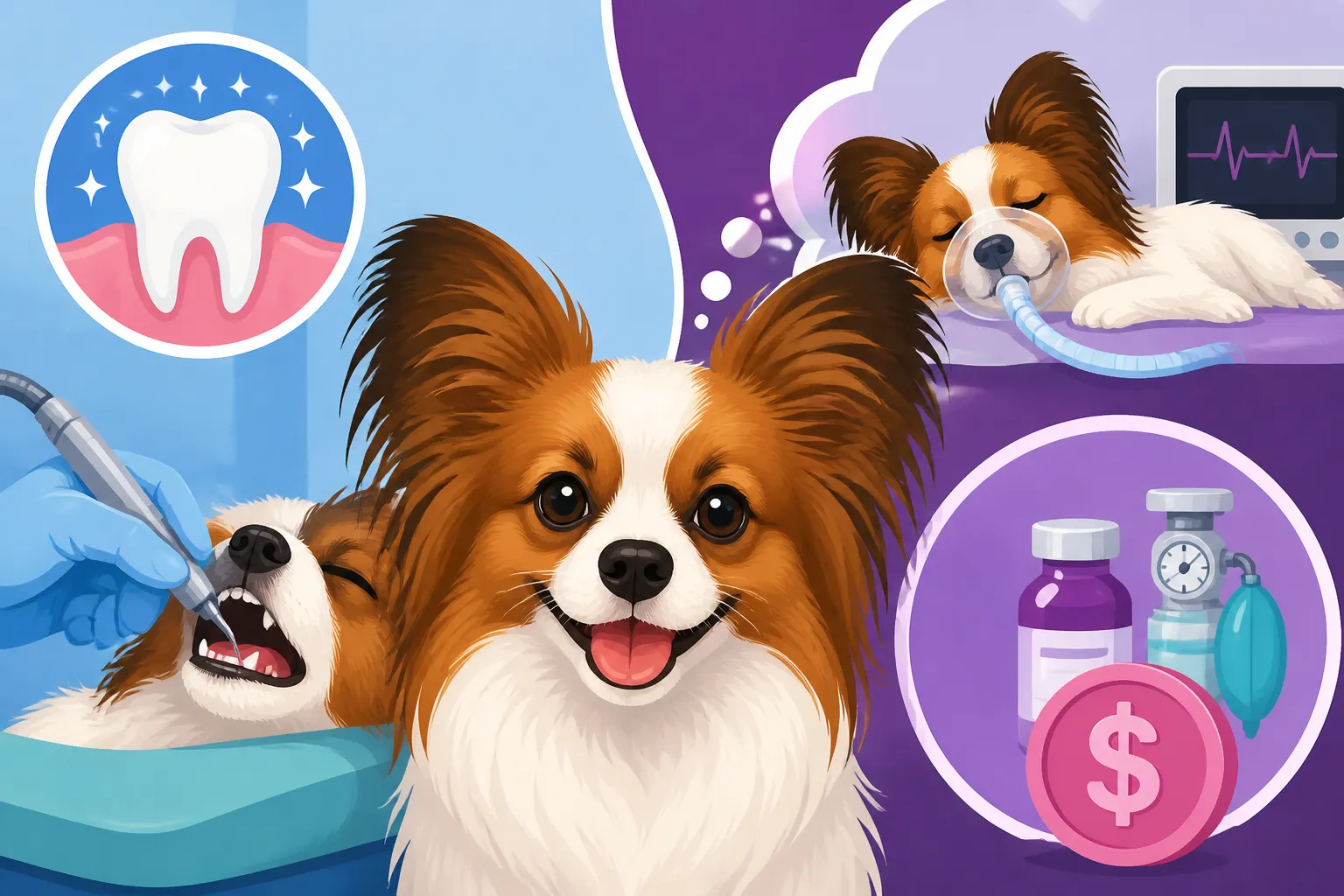
What Anesthesia Adds to a Papillon’s Dental Bill
It's a moment every Papillon owner dreads: the vet tells you your little butterfly-eared companion needs a dental cleaning, and then they start talking about anesthesia. Suddenly, a routine cleaning sounds like a major medical event, and your mind immediately jumps to the cost. The truth is, anesthesia often makes up a significant portion of a Papillon's dental bill, and it's not just a simple "lights out" procedure. This guide will walk you through exactly why anesthesia costs what it does, what goes into keeping your small dog safe, and how you can prepare for this essential expense.
Why Anesthesia Isn't Just "Going to Sleep" for Your Papillon
When your veterinarian talks about putting your Papillon under for a dental cleaning, it's understandable to feel a pang of worry. These tiny dogs, with their delicate structures and lively personalities, can seem so fragile. But modern veterinary anesthesia for a dog, especially a small breed like a Papillon, is a highly sophisticated process designed with their unique physiology in mind. It's far more involved than simply administering a sedative; it's a carefully managed medical procedure with multiple layers of safety and monitoring.
The Pre-Anesthetic Workup: Essential for a Tiny Heart
Before a single drop of anesthetic is given, a thorough pre-anesthetic workup is absolutely crucial for your Papillon. You might wonder why so many tests are needed for "just a dental," but for a small dog, these steps are non-negotiable. Their small size means they can react differently to medications, and underlying health issues can be magnified.
This typically includes a comprehensive physical examination, where your vet will listen to your Papillon's heart and lungs, check their hydration levels, and assess their overall health. But the real deep dive comes with bloodwork. A pre-anesthetic blood panel checks vital organ function, primarily the liver and kidneys, which are responsible for processing and eliminating anesthetic drugs from the body. If these organs aren't functioning optimally, the risk of complications during and after anesthesia increases dramatically. Imagine your little Papillon's liver struggling to metabolize a drug; it could lead to a much longer and more dangerous recovery. The cost of these tests contributes to the overall anesthesia bill, but they are an investment in your dog's safety. For more on this, check out Whether a Papillon Needs Bloodwork Before a Dental.
Tailored Anesthesia Protocols for Small Breeds
You can't just use a "one size fits all" approach when it comes to anesthetizing dogs, and this is especially true for Papillons. Their tiny bodies, typically weighing between five and ten pounds, require incredibly precise dosages of anesthetic agents. Too much, and you risk severe complications; too little, and they might not be adequately sedated for the procedure.
Veterinarians use tailored anesthesia protocols, often employing a combination of drugs to achieve sedation, pain control, and muscle relaxation, while minimizing side effects. This might involve different types of injectable drugs for induction, followed by an inhalant anesthetic (gas) delivered via an endotracheal tube. The equipment used is often scaled down for small patients, ensuring a proper fit and efficient delivery of oxygen and anesthetic gas. The expertise required to calculate these precise doses and manage these specialized systems for such a delicate patient adds to the complexity and, consequently, the cost.
Continuous Monitoring: A Lifeline During the Procedure
Once your Papillon is under anesthesia, the work is far from over. In fact, this is where a significant portion of the anesthesia cost truly becomes evident: the intense, continuous monitoring by a dedicated team. It's not enough to simply administer the drugs and walk away. A veterinary technician or assistant, often under the direct supervision of the veterinarian, will be constantly monitoring your dog's vital signs throughout the entire dental procedure.
This monitoring involves specialized equipment designed to track everything from heart rate and rhythm (ECG) to blood pressure, oxygen saturation (pulse oximetry), carbon dioxide levels (capnography), and body temperature. Small dogs, like Papillons, are particularly prone to hypothermia under anesthesia, so maintaining their body temperature with warming blankets or circulating warm water pads is critical. Imagine your little Papillon getting too cold; it slows recovery and can lead to other complications. This constant vigilance, coupled with the use of advanced monitoring tools and warming support, is what truly safeguards your beloved companion. This level of personalized, attentive care is a major factor in the cost. For more insight into these specific challenges, take a look at Anesthesia and a Five Pound Papillon and Whether a Papillon Gets Cold Under Anesthesia.
Understanding the Components of Anesthesia Costs
When you receive an estimate for your Papillon's dental cleaning, you'll likely see "anesthesia" as a line item, but it's rarely just one lump sum. This single item is actually an umbrella for a multitude of services, equipment, and expertise, all contributing to the safety and success of the procedure. Breaking down these components can help you understand why it's such a significant part of the overall bill.
Pre-Anesthetic Diagnostics: The Unseen Preparation
The costs associated with anesthesia often begin even before your Papillon enters the operating room. As we discussed, pre-anesthetic diagnostics are absolutely vital. These typically include:
- Bloodwork: This usually encompasses a complete blood count (CBC) to check red and white blood cell levels, and a biochemistry panel to evaluate organ function (liver, kidneys, glucose levels, etc.). For a small dog, identifying any hidden issues beforehand can literally be life-saving. These tests confirm that your Papillon's internal systems are prepared to handle the stress of anesthesia and filter the drugs out of their system effectively.
- Urinalysis: Sometimes, a urinalysis might be recommended, particularly if there are concerns about kidney function or urinary tract infections that could complicate anesthesia or recovery.
- ECG/Cardiac Screening: For older Papillons, or those with a suspected heart murmur, an electrocardiogram (ECG) or even a consultation with a veterinary cardiologist might be advised to assess heart health. Since tiny breeds can be prone to certain cardiac conditions, this additional screening ensures their heart can withstand the procedure.
These diagnostic tests, while adding to the upfront cost, are your vet's way of minimizing risk, ensuring that when your Papillon does go under, it's as safe as possible. Think of it as a comprehensive health check-up specifically tailored to prepare them for anesthesia. For a more detailed look at the costs involved here, see What a Papillon's Pre Dental Bloodwork Costs.
Anesthetic Agents and Delivery
The actual drugs and their delivery system also factor heavily into the anesthesia bill. It's not just the price of the medication itself, but also the specialized equipment and disposables.
- Anesthetic Drugs: Modern veterinary anesthesia uses a variety of agents, some of which are more sophisticated and offer a wider margin of safety, especially for small, delicate patients like Papillons. These drugs are often more expensive but significantly reduce the risk of adverse reactions and provide a smoother induction and recovery.
- IV Fluids: Almost all anesthetized pets receive intravenous fluids during the procedure. This is critical for maintaining blood pressure, hydration, and supporting organ function. The cost includes the sterile fluids themselves, the IV catheter, and the fluid lines.
- Intubation Supplies: An endotracheal tube is placed in your Papillon's windpipe to deliver anesthetic gas and oxygen, and to protect their airway from any fluid or debris during the dental cleaning. The size of the tube must be perfectly matched to your Papillon's tiny trachea, and these are often disposable for hygiene and safety.
- Gas Anesthesia System: The sophisticated machine that mixes anesthetic gas with oxygen and delivers it precisely is a significant investment for any veterinary practice. The maintenance and consumables for this system contribute to the per-procedure cost.
The quality and safety of these agents and systems are paramount, especially when you're talking about a small dog where every milligram and every breath counts.
Personnel and Post-Operative Care
Perhaps one of the most overlooked, yet most critical, components of the anesthesia bill is the highly skilled veterinary personnel involved and the care provided during recovery.
- Veterinarian's Expertise: The veterinarian overseeing the procedure is responsible for developing the anesthesia plan, calculating dosages, and responding to any changes in your Papillon's condition. Their years of education, training, and experience in anesthesiology are invaluable.
- Veterinary Technician/Assistant: A dedicated veterinary technician is often assigned solely to monitor your Papillon throughout the entire procedure. They are trained to interpret complex monitoring equipment, adjust anesthetic levels under vet guidance, and respond immediately to any changes in vital signs. This is not a task that can be done casually; it requires focused attention and expertise. They are there the entire time, meticulously charting every breath and heartbeat.
- Recovery Monitoring: Anesthesia doesn't end when the dental procedure is finished. Your Papillon will need careful monitoring during the recovery phase as they slowly wake up. This includes continued temperature regulation, pain management, and ensuring they are breathing normally and not experiencing any lingering side effects. They'll be kept in a warm, quiet area, often with continued access to IV fluids and under the watchful eye of staff until they are fully alert and stable. This extended care ensures a smooth and safe transition back to consciousness, minimizing post-anesthetic complications.
This blend of highly trained staff, advanced equipment, and meticulous care from induction through recovery ensures your Papillon receives the safest possible experience.
| Component of Anesthesia Cost | Description | Why It Matters for a Papillon |
|---|---|---|
| Pre-Anesthetic Exams | Physical exam, bloodwork (CBC, chemistry), urinalysis, cardiac screening. | Essential to detect hidden conditions, assess organ function for drug metabolism. |
| Anesthetic Agents | Injectable drugs for induction, inhalant gas for maintenance. | Precise dosing is critical for small body weight; safer, modern drugs can be more costly. |
| IV Catheter & Fluids | Insertion of IV line, administration of sterile fluids during surgery. | Maintains hydration, supports blood pressure, provides immediate access for emergency drugs. |
| Endotracheal Tube | Tube placed in windpipe for oxygen/gas delivery and airway protection. | Sized correctly for tiny trachea; protects lungs from dental debris/fluids. |
| Monitoring Equipment | ECG, pulse oximeter, blood pressure, capnography, temperature probe. | Continuous, accurate tracking of vital signs; allows immediate response to changes. |
| Warming Support | Heating pads, forced-air warming blankets. | Prevents hypothermia, which small breeds are highly susceptible to under anesthesia. |
| Dedicated Personnel Time | Vet and tech time for induction, continuous monitoring, and recovery. | Expert, focused attention ensures safety, manages anesthetic depth, and responds to issues. |
| Pain Medication | Pain relievers administered before, during, and after the procedure. | Ensures comfort upon waking; small breeds can be sensitive to pain. |
How to Prepare for and Potentially Mitigate Anesthesia Costs
Understanding that anesthesia is a significant, yet necessary, part of your Papillon's dental bill can help you mentally and financially prepare. While you shouldn't cut corners on safety, there are definitely steps you can take to make the entire process smoother and potentially reduce long-term expenses.
Proactive Dental Care: Less Severe Problems, Lower Anesthesia Time
One of the most impactful ways to indirectly manage anesthesia costs is through diligent, proactive dental care at home. The less severe your Papillon's dental issues are when they go in for a cleaning, the shorter the time they'll need to be under anesthesia. A shorter anesthesia time generally translates to less risk and, in many clinics, a lower overall bill for the anesthetic portion.
Regular brushing, ideally daily, is the gold standard for preventing plaque and tartar buildup. This is especially important for Papillons, who are notorious for developing dental disease early due to their small jaws and crowded teeth. If you can keep their teeth relatively clean, your vet won't have to spend as much time scaling and extracting, meaning less time under anesthesia. Consider using dental-specific foods or water additives, too. Brands like Chewy offer a wide range of dental care products, from enzymatic toothpastes specifically formulated for dogs to finger brushes and dental chews. Getting your Papillon accustomed to having their teeth brushed from a young age is key. It might feel daunting to brush such tiny teeth, but it makes a huge difference. For practical tips, refer to Brushing a Papillon's Teeth in a Very Small Mouth, How Often a Papillon's Teeth Need Brushing, and Why a Papillon's Teeth Need Brushing Daily. Remember, preventative care is always less expensive, and safer, than dealing with advanced disease.
Pet Insurance: A Safety Net for Unexpected Bills
While pet insurance typically won't cover routine dental cleanings (which are usually considered "wellness" or "preventative" care), it can be an absolute lifesaver if your Papillon develops a more serious dental problem that requires extensive work under anesthesia. If your dog needs multiple extractions due to severe periodontal disease, or if there's an unforeseen complication during the dental procedure that requires additional medical attention, pet insurance can help cover a substantial portion of those costs.
Many policies cover treatments for dental illnesses or accidents, which could include the anesthesia required for these complex procedures. It's crucial to read the fine print and understand what your policy covers, including any waiting periods for dental issues or specific exclusions. Companies like Healthy Paws offer various plans, and it's worth exploring their options to see if one fits your needs and budget. Enrolling your Papillon when they are young and healthy is often the best strategy, as pre-existing conditions (including pre-diagnosed dental disease) are usually not covered. Thinking ahead about a potential health issue like Dental Work Over a Papillon's Long Life can help you make an informed decision about insurance. For more information on navigating coverage, see What Insurance Covers on a Papillon and When a Papillon Should Be Insured.
Discussing Options with Your Vet
Never be afraid to have an open and honest conversation with your veterinarian about the costs involved in your Papillon's dental procedure, including the anesthesia component. Before scheduling anything, ask for a detailed estimate that breaks down all the expected charges. This allows you to see exactly what you're paying for and ask questions.
Your vet might be able to explain different options, though it's important to understand that some safety measures (like pre-anesthetic bloodwork for a small dog) are often non-negotiable for their well-being. They can clarify why certain tests or monitoring protocols are essential for your particular Papillon. If the cost is a significant concern, some clinics offer payment plans, or you might look into veterinary-specific credit cards which offer deferred interest options. The most important thing is not to delay necessary dental care due to financial worries. Advanced dental disease can lead to far more serious health problems and even higher costs down the line. Your veterinarian is your partner in your Papillon's health, so communicate your concerns openly.
Disclaimer
This article is for general informational purposes only and does not constitute professional advice. Laws, prices and regulations vary by location and change over time. Consult a qualified professional for guidance on your specific situation.