Whether a Papillon Costs More Than a Maltese
Deciding between two wonderful toy breeds like the Papillon and the Maltese can be tough, especially when you're trying to budget for a new family member. It’s not just about that initial puppy price, which can already feel like a big commitment; it’s the long-haul costs that really surprise people, from vet bills to grooming. This guide is going to walk you through the various expenses associated with both Papillons and Malteses, helping you understand where their costs align and where they diverge, so you can make an informed decision without any unexpected financial bumps in the road.
Unpacking the Initial Purchase Price
When you first start looking for a new furry friend, the sticker shock of a puppy from a reputable breeder can be real. But remember, this initial investment often pays dividends in terms of health and temperament down the line. It's truly just the beginning of your financial journey with a dog.
The Breeder's Price Tag for a Papillon
A well-bred Papillon puppy from a responsible breeder typically comes with a price tag that reflects the significant investment the breeder has made. This isn't just about feeding the litter; it includes health testing on the parent dogs for conditions common in the breed, like The Papillon Type of Progressive Retinal Atrophy and the CNGB1 Gene and Patellar Luxation Is the Papillon Problem You Will Actually Meet. You might see prices vary based on the breeder's reputation, their location, whether the parents are show champions, and even the specific markings or sex of the puppy.
If you find a Papillon puppy advertised for a price that seems too good to be true, it almost always is. These lower-priced puppies often come from less scrupulous sources, where health testing is skipped, and puppies might be raised in less-than-ideal conditions. This can lead to significant vet bills later in life for genetic conditions or early illnesses that could have been avoided. Always ask a breeder about their health testing protocols and pedigrees; it’s a crucial step in ensuring you're getting a healthy puppy, even if it means a higher upfront cost.
The Breeder's Price Tag for a Maltese
Maltese puppies from reputable breeders also command a similar investment, and for many of the same reasons. Breeders of quality Malteses will also invest in health screenings for their breeding stock, checking for issues such as patellar luxation, liver shunts, and certain eye conditions. Like Papillons, the cost can fluctuate based on the lineage, the breeder's expertise, and the overall demand for puppies in your area.
Just as with Papillons, be wary of Maltese puppies offered at suspiciously low prices. The appeal of saving money upfront can quickly be overshadowed by the emotional and financial strain of dealing with a chronically ill dog. A responsible breeder will be transparent about their practices, eager to answer your questions, and will likely have a waiting list, indicating the care and demand for their puppies. This initial cost for either breed sets the foundation for a healthier, happier life for your dog and fewer headaches for you.
The Reality of Rescue Adoption Fees
For those who prefer to give a dog a second chance, adopting a Papillon or Maltese from a breed-specific rescue or a general shelter is a wonderful option. The adoption fees are typically much lower than breeder prices, covering a portion of the rescue's expenses like spaying/neutering, vaccinations, microchipping, and any necessary veterinary care the dog received while in their care.
While rescue fees are more budget-friendly, it’s important to understand that rescue dogs, especially adults, might come with an unknown history. They could have pre-existing conditions that need management, or behavioral issues requiring training investment. Rescues often do their best to assess a dog's health and temperament, but they can't always guarantee a clean bill of health or a perfect behavioral slate. However, many people find the immense satisfaction of providing a loving home to a dog in need far outweighs these potential challenges.
Long-Term Health Costs: Where the Real Differences Emerge
The initial price is just the down payment on a dog; the ongoing health care costs are where the true financial commitment lies. Both Papillons and Malteses are generally healthy breeds, known for their longevity, but like all purebred dogs, they have predispositions to certain conditions that can become quite expensive to manage.
Common Health Concerns in Papillons and Their Costs
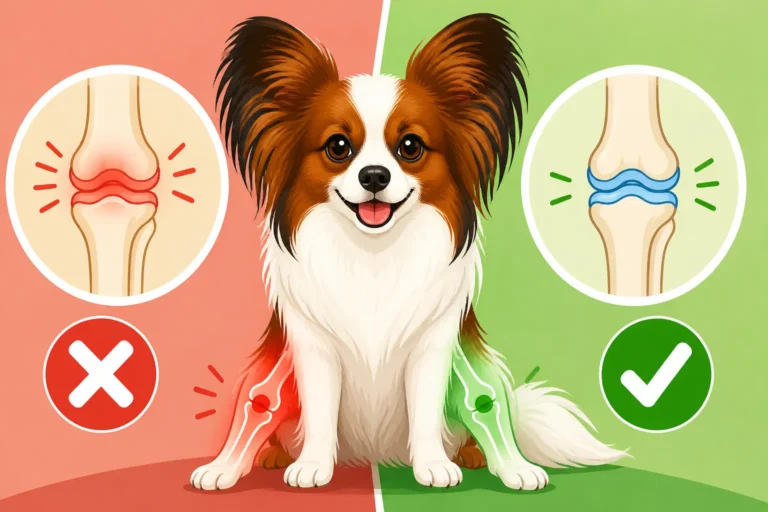
Papillons, despite their delicate appearance, are surprisingly robust little dogs. However, they are prone to certain genetic issues that can rack up vet bills. Patellar Luxation Is the Papillon Problem You Will Actually Meet is one of the most common, where the kneecap slips out of place. Depending on the grade of luxation, this can range from mild management with supplements to costly surgery. Knee Surgery Is the Bill Most Papillon Owners Meet can be a significant expense, sometimes requiring post-operative physical therapy.
Another common concern in Papillons is dental disease. Their small jaws often lead to crowded teeth, making them highly susceptible to tartar buildup, gum disease, and tooth loss. Regular professional dental cleanings, which require anesthesia, can become a recurring cost over a Papillon's long life. Without proper care, you might face extractions, which significantly increase the bill. The Teeth in a Papillon's Small Jaw really need diligent attention from their owners. Additionally, Progressive Retinal Atrophy (PRA1), a genetic eye condition, can lead to blindness, and while there's no cure, diagnostic tests and managing a blind dog's environment can incur costs.
Common Health Concerns in Malteses and Their Costs
Malteses share some health vulnerabilities with Papillons, notably patellar luxation and significant dental issues. Like Papillons, their small mouths are prone to overcrowding, making How Common Dental Disease Is in Papillons also a very real concern for Malteses. Routine cleanings and potential extractions are a given for most Maltese owners, often starting at a younger age than larger breeds.
Beyond these, Malteses can also be prone to "White Shaker Syndrome," an idiopathic tremor condition that, while usually treatable with medication, requires veterinary diagnosis and ongoing drug costs. Portosystemic Shunt (PSS), a congenital liver condition, is another concern. This can range from medical management to very expensive surgical intervention. Hypoglycemia (low blood sugar), especially in puppies, can be a frightening and costly emergency if not managed carefully by the breeder and new owner. Regular vet check-ups, even for seemingly minor symptoms, become critical for both breeds to catch these issues early.
The Role of Pet Insurance in Both Breeds
Given the potential for significant health costs, especially with conditions like patellar luxation that can require surgery, pet insurance becomes a serious consideration for owners of both Papillons and Malteses. It might seem like an added monthly expense, but it can be a lifesaver when unexpected illnesses or accidents occur. What Insuring a Papillon Costs a Month can vary widely based on your location, the dog's age, and the plan you choose.
Companies like Healthy Paws offer various plans that can help cover a large percentage of eligible vet bills. It's crucial to understand what is covered and what is considered a pre-existing condition, as most policies won't cover problems that arose before the policy started. For instance, Whether Insurance Covers a Papillon's Knees often depends on whether the patellar luxation was noted by a vet before you enrolled your dog. Getting insurance early, ideally while your puppy is still very young and healthy, is usually the best strategy to ensure broader coverage for future issues.
Daily Living Expenses: Food, Grooming, and Supplies
Beyond the major health expenses, there are the everyday costs that add up over a dog's lifetime. These are the more predictable expenses, but they still need to be factored into your budget.
Feeding a Papillon vs. a Maltese
When it comes to food, both Papillons and Malteses are small dogs, meaning their food intake is relatively low compared to larger breeds. This makes them Why a Papillon Is Cheap to Feed and Expensive to Fix from a daily food cost perspective. A bag of high-quality kibble will last a Papillon or Maltese a good deal longer than it would a Labrador.
However, choosing a high-quality food is paramount for their overall health, and premium foods can still add up. You might spend a bit more per pound for specialized small-breed formulas or prescription diets if your vet recommends them for specific health concerns. Brands available through online retailers like Chewy or specialized pet food lines such as Ollie offer convenient delivery and a wide range of options, allowing you to find the perfect fit for your dog's nutritional needs and your budget. Remember, even with low intake, consistently feeding a nutritious diet is key to preventing future health issues.
Grooming Needs and Costs
Here's where a noticeable difference between the two breeds can emerge. Papillons have a single, long, silky coat with no undercoat. This means they shed, but often less dramatically than you might expect, and they are generally easier to maintain at home. Why a Papillon's Long Coat Takes Twenty Minutes a Week is due to its low-maintenance nature. While occasional brushing to prevent tangles in their beautiful ear fringes, culottes, and tail plume is necessary, professional grooming isn't usually a strict requirement for health, though some owners opt for trims around the feet or sanitary areas.
Malteses, on the other hand, have a long, flowing, non-shedding coat that continually grows. This makes them a popular choice for allergy sufferers, but it also means their grooming needs are much more intensive. Without regular brushing, often daily, their coats can mat severely, leading to skin irritation and pain. Many Maltese owners opt for professional grooming every 4-6 weeks to keep their dogs comfortable and looking their best, and this can be a significant recurring expense. If you decide to tackle grooming at home, you'll still need to invest in quality brushes, combs, and clippers. Whether a Papillon Needs a Professional Groomer is usually a 'no' for basic care, but for a Maltese, it's often a 'yes' or a serious commitment to learning at-home maintenance.
Routine Vet Care and Annual Expenses
Regardless of breed, all dogs need routine veterinary care. This includes annual wellness exams, vaccinations (which might cost more for the initial puppy series), and year-round parasite prevention (flea, tick, and heartworm). These are standard costs for both a Papillon and a Maltese.
However, as mentioned earlier, dental care is particularly critical for both breeds. Small breeds are notorious for dental problems, meaning regular professional cleanings are almost always needed, sometimes yearly or even more frequently. How Often a Papillon Needs Dental Work is a question many owners face, and it's almost always "more often than you think." Each cleaning involves anesthesia, bloodwork, and the cleaning itself, and if extractions are needed, the bill can quickly climb. This recurring expense, often starting in young adulthood, is one of the most common and significant long-term costs for both breeds.
Training, Activities, and "Hidden" Costs
Beyond the essentials, there are other costs that contribute to a dog's well-being and your lifestyle. These can vary based on your personal choices and your dog's temperament, but they are still important to consider.
Training and Socialization Investments
Bringing home any puppy means investing in training and socialization. Puppy classes are highly recommended for both Papillons and Malteses to help them learn basic manners and develop into well-adjusted adults. These classes come with a fee, but the benefits of early positive reinforcement and exposure to other dogs and people are invaluable.
Papillons are renowned for their intelligence and eagerness to please, often excelling in dog sports like agility, obedience, and rally. If you find yourself bitten by the competition bug, What Competing a Papillon in Agility Costs a Year can be substantial, involving class fees, equipment, trial entries, and travel. While Malteses are also intelligent and can certainly learn tricks and basic obedience, they are less commonly seen in high-impact dog sports, potentially leading to slightly lower activity-related costs unless you pursue other dog activities like therapy work. For both breeds, the cost of training tools, quality treats, and potentially private training sessions if specific behavioral issues arise, should be budgeted for.
Lifestyle and "Quality of Life" Expenses
Think about all the gear your new dog will need. A sturdy crate, comfortable beds (perhaps several for different rooms), harnesses, leashes, toys, and grooming tools. While not huge expenses individually, they add up. Given that both breeds are small, a common concern is protecting their delicate joints, especially their knees. Whether a Papillon Needs Ramps to Furniture is a valid question, and many owners invest in ramps or steps to help their small dogs access beds and sofas without dangerous jumps, which can prevent costly injuries down the line.
Other "hidden" costs include pet-sitting or boarding fees if you travel, especially for a dog that thrives on companionship like both of these breeds. Emergency funds for unexpected vet visits are also crucial. What an Aging Papillon Costs a Year will likely increase as senior dogs often require more frequent vet check-ups, specialized diets, and potentially daily medications for age-related conditions. These are investments in your dog's comfort and your peace of mind.
Cost Comparison: Papillon vs. Maltese
Here's a quick overview of how some common costs might compare between a Papillon and a Maltese. Keep in mind these are general observations, and individual circumstances can always vary.
| Cost Factor | Papillon | Maltese | Key Differentiator |
|---|---|---|---|
| Initial Purchase Price | Moderate to high, reflecting reputable breeding and health testing. | Moderate to high, reflecting reputable breeding and health testing. | Generally comparable for well-bred puppies. |
| Major Health Issues | Patellar Luxation, dental disease, PRA1 (eye). Potential for expensive surgeries/treatments. | Patellar Luxation, dental disease, White Shaker Syndrome, PSS (liver shunt). Potential for expensive surgeries/treatments. | Both have significant health risks that can lead to high vet bills. |
| Pet Insurance | Highly recommended to offset costs of patellar luxation or other issues. | Highly recommended to offset costs of patellar luxation, PSS, or other issues. | Essential for both breeds to manage potential high medical costs. |
| Food Costs | Relatively low due to small size, but quality food is key. | Relatively low due to small size, but quality food is key. | Very similar, both are inexpensive to feed daily. |
| Grooming Costs | Lower; easily managed at home with regular brushing. Professional trims optional. | Higher; requires daily brushing and frequent professional grooming to prevent matting. | Maltese grooming is a significantly higher ongoing expense. |
| Routine Vet Care | Annual exams, vaccinations, parasite prevention, frequent dental cleanings. | Annual exams, vaccinations, parasite prevention, frequent dental cleanings. | Dental care is a major, common expense for both. |
| Training & Activities | Often excel in dog sports; potential for higher costs if pursuing competitive activities. | Intelligent, can learn tricks; less commonly seen in high-impact sports. | Papillons might lead to more investment in sports. |
| Senior Care | Increased vet visits, potential for medication, comfort aids as they age. | Increased vet visits, potential for medication, comfort aids as they age. | Both breeds are long-lived, so senior care costs will be a factor. |
When you compare a Papillon to a Maltese, the upfront purchase price for a well-bred puppy will likely be quite similar. Where the costs begin to diverge significantly is in the long-term, particularly with grooming. A Maltese will almost invariably incur higher, more frequent grooming expenses, whether you pay a professional or invest heavily in tools and time for home grooming. Both breeds are prone to expensive health conditions like patellar luxation and severe dental disease, making pet insurance and a dedicated savings fund crucial. Ultimately, Whether a Papillon Is Worth the Knee Risk or the dental bills is a personal decision, but understanding these potential costs upfront helps ensure a happy, financially stable life for you and your beloved companion.
Disclaimer
This article is for general informational purposes only and does not constitute professional advice. Laws, prices and regulations vary by location and change over time. Consult a qualified professional for guidance on your specific situation.