What Fifteen Years of a Papillon Adds Up To
Bringing a Papillon into your life is an absolute joy, a whirlwind of butterfly ears and boundless energy. But let's be realistic: while their small stature might trick you into thinking they're budget-friendly, the truth is that a Papillon's remarkably long lifespan means you're committing to a financial journey that stretches well over a decade, sometimes closer to two. This guide will walk you through the various expenses that add up over fifteen years of Papillon ownership, helping you prepare for the financial realities of loving one of these incredible little dogs.
The Initial Investment: Puppyhood and Setup Costs
When you first welcome a Papillon puppy into your home, it's not just the adoption fee or purchase price you're looking at; there's a whole cascade of necessary expenses right from the start. People often focus on the initial cost of the puppy itself, forgetting that the first few months are often the most concentrated period for financial outlay outside of major health events later in life. This phase sets the stage for your Papillon's health and happiness.
The Cost of Acquiring Your Papillon
Whether you're purchasing from a reputable breeder or adopting from a rescue, there's an initial fee. A well-bred Papillon from a responsible breeder, one who has invested in proper health testing for the parents (like hip, knee, and eye certifications), will naturally come with a higher price tag. This isn't just arbitrary; it reflects the breeder's dedication to producing healthy puppies and the extensive care and genetic screening involved. They're investing in the future health of their puppies, which ultimately saves you money and heartache down the line. If you're wondering what you should expect from a breeder, we have a helpful guide on What a Papillon Breeder Should Have Tested.
On the other hand, adopting from a Papillon-specific rescue or a general animal shelter typically involves a lower adoption fee. These fees usually cover initial vetting, spaying or neutering, and microchipping, which is a fantastic value. However, rescue dogs often come with unknown histories, and while many are perfectly healthy, some might have pre-existing conditions that you'll need to address. It's crucial to be prepared for the possibility of additional vet expenses soon after adoption, especially for older or neglected animals. Regardless of where your Papillon comes from, that initial acquisition cost is just the first drop in the bucket.
Setting Up Your Home for a New Papillon
Once your Papillon is home, you'll need a range of supplies to ensure their comfort, safety, and proper development. Think of it as setting up a nursery, but for a tiny, furry creature with very specific needs. You'll need a crate, which serves as a safe den for them, especially during house training and when you can't supervise them directly. Beds, bowls for food and water, a leash and harness (a harness is highly recommended for Papillons to protect their delicate throats from collar pressure, especially if they pull), and a variety of toys for mental stimulation and chewing are all essential.
Then there's the initial vet visit. Even if your puppy or rescue dog has had vaccinations, a check-up with your own veterinarian is vital. This first visit will establish a baseline for their health, discuss vaccination schedules, deworming, flea and tick prevention, and heartworm medication. For puppies, expect a series of vaccinations over several months. You might also need puppy training classes, which are an invaluable investment in shaping good behavior and preventing costly issues down the road. Places like Chewy offer a wide array of initial supplies, from crates to toys, making it convenient to get everything you need in one go. Don't forget the microchip registration fee if it's not included in your adoption or purchase.
The Ongoing Routine: Annual and Monthly Expenses
After the initial puppy haze settles, you'll move into the rhythm of ongoing maintenance. These are the regular, predictable costs that will continue year after year for the entire fifteen years (or more!) that your Papillon is with you. While individually they might not seem huge, they truly add up over time.
Food and Nutrition
Feeding a small dog like a Papillon might not seem like a significant expense compared to feeding a Great Dane, but quality matters. A Papillon typically needs less than a cup of food per day, but choosing a high-quality kibble or fresh food diet is paramount for their long-term health. These diets can sometimes cost more per pound but offer better nutrition, which can prevent health issues and ultimately reduce vet bills. Why a Papillon Is Cheap to Feed and Expensive to Fix talks about this very thing.
Many owners opt for premium kibble brands, while others explore fresh food options like Ollie, which delivers tailored meals right to your door. The cost of treats for training and enrichment also adds up. Over fifteen years, even a modest daily food cost becomes a substantial sum. It's an investment in their vitality, energy, and the shine of their beautiful coat. A healthy diet also helps maintain a healthy weight, which is crucial for preventing strain on their joints, a common concern for the breed. Whether Weight Affects a Papillon's Knees delves deeper into this.
Routine Veterinary Care and Preventatives
Even the healthiest Papillon needs regular veterinary care. Annual wellness exams are a non-negotiable part of responsible pet ownership. During these visits, your vet will perform a thorough physical, check for any changes in health, and administer necessary booster vaccinations. As your Papillon ages, these annual exams may become even more critical, sometimes including bloodwork to monitor organ function.
Beyond exams and vaccines, you'll have monthly or quarterly costs for flea, tick, and heartworm prevention. These medications are vital to protect your Papillon from parasites that can cause serious, expensive, and sometimes fatal diseases. These preventative costs are a small price to pay to avoid the much higher costs and emotional distress of treating a preventable illness. This consistent care contributes significantly to their impressive longevity.
Grooming and Dental Care
Despite their luxurious, long coats, Papillons are surprisingly low-maintenance in terms of professional grooming. Their single coat means less matting than many other long-haired breeds. However, regular brushing at home is essential to prevent tangles and keep their coat healthy and shiny. You'll need good quality brushes, combs, and dog-specific shampoo and conditioner. How Often a Papillon Needs Brushing goes into more detail.
The real ongoing grooming expense for Papillons often lies in dental care. Their small mouths are prone to overcrowding, making them highly susceptible to dental disease. This isn't just bad breath; it can lead to painful infections, tooth loss, and even systemic health issues if bacteria from the mouth enters the bloodstream. Daily brushing at home is ideal, but most Papillons will still require professional dental cleanings under anesthesia every one to three years. These cleanings can be a substantial expense, especially if extractions are needed. Over fifteen years, these dental bills can really add up, making it one of the most consistent and often underestimated long-term costs. Dental Work Over a Papillon's Long Life offers a full breakdown.
Preparing for the Unexpected: Health and Senior Care
This is where the "expensive to fix" part of owning a Papillon really comes into play. While generally a healthy breed, Papillons are prone to certain genetic conditions and age-related ailments that can lead to significant veterinary bills. Proactive planning for these possibilities is crucial.
Common Papillon Health Concerns
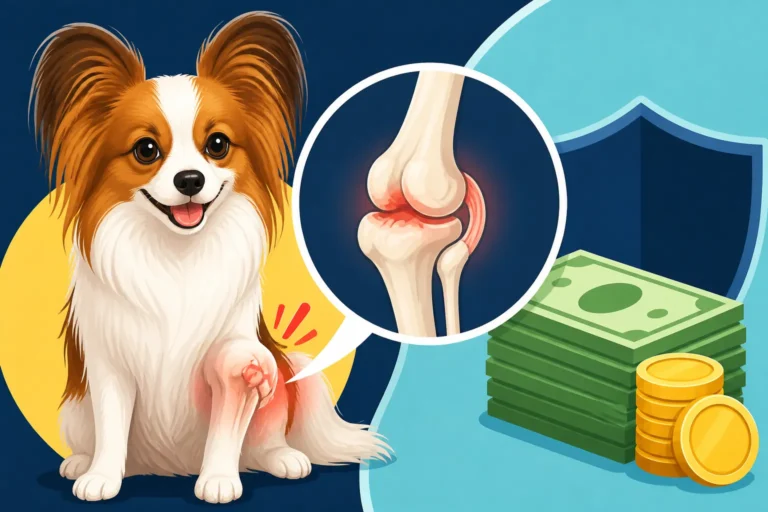
Two of the most common health issues in Papillons that often require costly intervention are Patellar Luxation and Progressive Retinal Atrophy (PRA). Patellar Luxation Is the Papillon Problem You Will Actually Meet details this condition where the kneecap slips out of place. Depending on the grade of luxation, surgery may be recommended, especially if it causes pain or significantly impacts mobility. These surgeries can be quite expensive, and often both knees may eventually need addressing. Recovery also involves post-operative care, pain medication, and potentially physical therapy.
Progressive Retinal Atrophy, particularly PRA1, is another concern. While less immediately costly in terms of surgical intervention, managing a blind dog and ensuring their quality of life can incur other expenses, such as modifications to your home, specialized toys, and more frequent vet check-ups to monitor overall health. You can learn more about this in The Papillon Type of Progressive Retinal Atrophy and the CNGB1 Gene. While there's a DNA test for PRA1, which is a fantastic tool for breeders, owners need to be aware of the potential for vision loss and its associated care needs.
Having pet insurance from a provider like Healthy Paws can be a lifesaver, helping to offset these unexpected and significant medical costs. While it's an ongoing monthly premium, it can provide immense peace of mind and prevent you from having to make difficult financial decisions during a health crisis. It's often recommended to get insurance while your Papillon is young and healthy, before any pre-existing conditions are noted, as most policies have exclusions for conditions diagnosed prior to enrollment.
| Expense Category | Description | Frequency | Impact Over 15 Years |
|---|---|---|---|
| Acquisition | Purchase from breeder or adoption fee | Once | Varies widely, sets initial financial tone |
| Initial Setup | Crate, bed, bowls, leash, toys, first vet visit, puppy shots | First 6-12 months | Significant, but front-loaded |
| Food & Treats | High-quality kibble, fresh food, training treats | Daily / Monthly | Consistent, accumulates substantially |
| Routine Vet Care | Annual exams, booster vaccines, parasite prevention | Annually / Monthly | Steady, essential for long-term health |
| Grooming Supplies | Brushes, shampoo, conditioner | As needed | Moderate, but ongoing |
| Dental Cleanings | Professional cleaning under anesthesia, potentially extractions | Every 1-3 years | Can be very high, a major long-term expense |
| Pet Insurance | Monthly premiums | Monthly | Predictable, mitigates large unexpected health costs |
| Unexpected Health Issues | Patellar luxation surgery, other emergent care, senior disease management | Variable | Potentially very high, but unpredictable |
| Training & Activities | Puppy classes, agility, obedience, daycare | Variable | Optional but adds greatly to quality of life |
| Miscellaneous | Boarding, pet sitting, travel accessories, ramp/steps for furniture | As needed | Variable, depends on lifestyle |
Caring for a Senior Papillon
As your Papillon moves into their senior years, typically around age 10-11, their needs will shift, and so will some of your expenses. The Age a Papillon Is Considered Senior explains this transition. Just like people, older dogs often require more frequent vet check-ups to monitor for age-related conditions such as heart disease, kidney disease, arthritis, or even cognitive dysfunction. They might need prescription medications for pain management or to support organ function, which can become a regular monthly cost.
You might also find yourself investing in items that make their life more comfortable, such as orthopedic beds, ramps or steps to help them access furniture safely (crucial for protecting aging joints), and perhaps even soft foods if their teeth become an issue despite your best efforts. Their grooming needs might also change; they might be less tolerant of long brushing sessions, or their coat might become thinner, requiring different tools. While these individual items may not break the bank, the cumulative effect of specialized care over several senior years can significantly add to their lifetime cost. It's a testament to the love and commitment we have for these resilient little companions.
Beyond the Basics: Enrichment, Convenience, and Lifestyle
The fifteen-year journey with a Papillon isn't just about covering basic needs; it's about enriching their lives and integrating them into yours. These "extra" costs are often what make dog ownership truly fulfilling, but they need to be factored into the overall budget.
Training, Activities, and Socialization
Papillons are incredibly intelligent and thrive on mental stimulation. This makes them fantastic candidates for dog sports like agility, obedience, and rally. While these activities are incredibly rewarding, they do come with costs. Puppy classes are a great starting point, followed by more advanced training sessions. If you delve into competitive sports, you'll be looking at class fees, entry fees for trials, and potentially specialized equipment. Starting a Papillon in Agility can give you an idea of the commitment.
Even if you don't go the competitive route, providing toys, puzzle feeders, and opportunities for social interaction (like supervised dog park visits or playdates) are important for their well-being. Doggie daycare or a pet sitter might be necessary if you work long hours or travel, ensuring your Papillon isn't left alone for too long. These experiences are vital for a happy, well-adjusted Papillon and prevent boredom, which can lead to destructive behaviors that ultimately cost more to fix.
Travel, Boarding, and Miscellaneous
Life happens, and sometimes you need to travel without your furry friend. Boarding facilities or professional pet sitters can be a significant expense, especially for longer trips. While some Papillons are excellent travel companions and can join you, others might prefer the comfort of a familiar sitter. Pet-friendly hotels or specialized carriers for flying can also add to travel costs.
Then there are all the little things that crop up over fifteen years. Replacement leashes, new beds, training pads (especially for house-training stubborn puppies or managing incontinent seniors), toys that inevitably get destroyed, and even unexpected home modifications like baby gates to keep them out of certain areas. You might also consider investing in professional grooming every now and then for a thorough tidy-up, especially if you have a busy schedule. These items, while seemingly minor, accumulate over the years and contribute to the overall financial footprint of your cherished Papillon.
Ultimately, owning a Papillon for fifteen years or more is an incredibly rewarding experience, but it's important to go into it with open eyes about the financial commitment. By understanding and budgeting for these various costs, you can ensure your butterfly-eared companion receives the best possible care throughout their long and happy life.
Disclaimer
This article is for general informational purposes only and does not constitute professional advice. Laws, prices and regulations vary by location and change over time. Consult a qualified professional for guidance on your specific situation.