A Papillon Has No Idea It Is Small
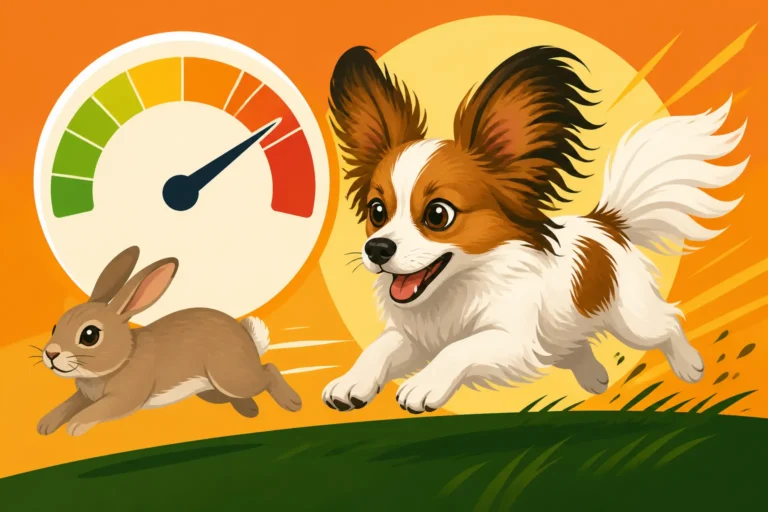
One of the most charming, yet sometimes challenging, aspects of living with a Papillon is their unwavering belief that they are, in fact, much larger than their dainty appearance suggests. Owners often find themselves scratching their heads when their little butterfly dog fearlessly approaches a Great Dane or tries to boss around a Labrador. This guide is here to unravel the mystery behind this "big dog" complex, explain why it's a fundamental part of their wonderful personality, and provide practical advice on how to nurture their confidence while keeping them safe and sound.
The Heart of a Lion in a Butterfly Body: Understanding the Papillon Mindset
If you've ever owned a Papillon, you know there's a certain sparkle in their eye, an undeniable zest for life that belies their small stature. They carry themselves with an air of importance, often trotting with a proud tail plume held high, as if they're leading a parade rather than just walking down the street. This isn't an act; it's genuinely who they are. They possess an innate confidence and intelligence that makes them perceive the world, and their place within it, quite differently from many other toy breeds.
Why Papillons Don't Act Like Typical Toy Breeds
Many toy breeds were selectively bred for centuries to be lap companions, cherished for their delicate beauty and their ability to warm a noblewoman's hands. While Papillons certainly excel at being affectionate lap dogs, their lineage has a stronger thread of working dog instincts woven through it. Descended from European dwarf spaniels, these dogs were historically prized not just for their beauty, but also for their intelligence and quick wit. They weren't just decorative; they were active participants in the lives of their human companions, whether entertaining in court or keeping rodents out of the castle. This history instilled in them a keen sense of purpose and a desire to engage with their surroundings rather than merely observe from a safe distance.
Their high intelligence plays a massive role here. The Papillon Is the Smartest Toy Breed There Is is not just a catchy phrase; it's backed by canine intelligence rankings. A smart dog often needs more mental stimulation and feels a greater sense of agency. They aren't content to be passive observers; they want to be problem-solvers, leaders, and active participants. This mental acuity translates into a dog that feels capable and ready to take on challenges, regardless of their physical size. They quickly learn what works and what doesn't, and if boldness gets them what they want, they'll lean into it.
Furthermore, Papillons tend to be robust for their size. While no tiny dog is invincible, they're not generally known for extreme fragility. This physical resilience, combined with their sharp minds, fosters a personality that's far from timid. They are curious, brave, and often fearless, traits that are wonderful in many contexts but can occasionally lead them into situations where their small body might not match their big spirit. They truly seem to believe they're just as big and capable as any other dog, and they'll act accordingly.
The "Big Dog" Syndrome: How This Manifests in Play, Interaction, and Confidence
This "big dog" syndrome manifests in a variety of ways that can be both endearing and, at times, a little nerve-wracking for their human guardians. When it comes to playtime, a Papillon will often engage with the same intensity as a much larger dog. They'll charge into a wrestling match with a dog three times their size, often initiating the play themselves. They don't hold back, diving, spinning, and sometimes even delivering a confident bark to assert their place in the game. You might see them chasing, being chased, and generally enjoying rough-and-tumble play as long as their playmates are gentle and respectful of their actual size.
In interactions with other dogs, whether at the dog park or on a walk, a Papillon rarely shows deference based on size. They'll often approach large breeds head-on, sniffing with curiosity, and sometimes even offering a play bow. They might stand their ground if another dog barks at them, returning the vocalization with equal enthusiasm. It's not aggression as much as it is a complete lack of understanding that they should be intimidated. This fearless attitude can be refreshing to witness, but it requires careful supervision to ensure their safety. They truly believe they are on equal footing with any canine they encounter.
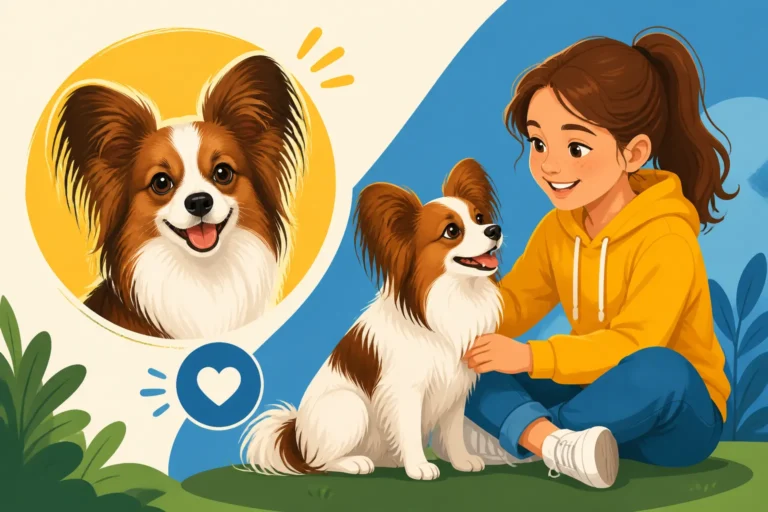
Their confidence extends to their interactions with humans and their overall demeanor in the home. They rarely seem shy or reserved. A Papillon will greet strangers with enthusiasm, often demanding attention and interaction. They're not usually the type to hide under the furniture when visitors arrive; instead, they'll be at the front door, eager to participate in whatever is happening. In the home, they can be quite assertive, letting you know when it's dinner time, when they need to go out, or when they want to play. This assertiveness is a testament to their strong personality and their belief that their needs and desires are just as important as anyone else's in the household. They're not demanding in an obnoxious way, but rather in a charming, "I know what I want and I'm going to tell you" kind of way.
The Double-Edged Sword of Their Boldness
This bold, self-assured personality is a huge part of what makes Papillons such captivating companions, but it's also a trait that requires responsible management from their owners. On the one hand, their fearlessness makes them incredibly adaptable and adventurous. They're usually up for anything, whether it's a hike in the woods, a trip to a new city, or a challenging agility course. Their confidence means they bounce back quickly from minor setbacks and are less prone to anxiety or timidity than some other small breeds. They're excellent travelers and can quickly make themselves at home in new environments, exploring with gusto rather than clinging to their owner in fear. This makes them fantastic partners for active families or individuals who want a small dog that can keep up with their lifestyle. A Papillon Has No Idea It Is Small really highlights this positive aspect.
However, this very same boldness can become a liability if not properly channeled and protected. A Papillon's lack of awareness of its own size can lead to dangerous situations, particularly when interacting with larger, less gentle dogs, or when making impulsive jumps from high places. They might initiate play with a dog that doesn't understand polite canine social cues, or they might leap from a couch without considering the impact on their delicate joints. This is where the owner's responsibility comes in – to be their Papillon's protector and guide, ensuring that their brave spirit doesn't lead them into harm's way.
It's a constant balancing act: encouraging their wonderful confidence while simultaneously implementing safety measures and consistent training to mitigate risks. You want a Papillon who is brave and outgoing, not one who is constantly anxious. But you also don't want a dog who is so fearless that they end up injured. Understanding this dual nature is the first step in providing a happy, healthy, and safe life for your "lion in a butterfly body." It means providing appropriate outlets for their intelligence and energy, while also being vigilant about their physical safety.
Navigating the World with a Mighty Mite: Interactions with Larger Dogs
One of the most common scenarios where a Papillon's "big dog" mindset shines (and sometimes creates a headache for owners) is during interactions with larger dogs. It's a tale as old as time for Papillon owners: their tiny dog, all ears and plume, marches up to a towering canine as if they're long-lost buddies, or worse, a rival to be put in their place. This isn't necessarily a bad thing, but it certainly requires careful management.
When Size Doesn't Matter: How Papillons Approach Bigger Dogs
Papillons, in their typical self-assured manner, often approach larger dogs with an almost bewildering lack of trepidation. They don't seem to process the sheer difference in mass or strength. Instead, they operate on a level playing field, assuming that all dogs are, well, just dogs. They might greet a Golden Retriever with the same enthusiastic wag and sniff as they would another Papillon. This can be adorable to watch, but it stems from their innate confidence rather than ignorance. They aren't trying to be aggressive; they're simply being themselves – social, curious, and utterly convinced of their own importance.
Their approach often involves direct eye contact (which larger, more dominant dogs might misinterpret), a bold posture, and sometimes even a playful bark or chase invitation. They'll often stand their ground, even if the larger dog is being boisterous or a bit pushy. It's as if their internal dialogue is saying, "I'm here, I'm fabulous, and I'm ready to play or whatever else needs doing!" This fearless nature is a strong point for the breed, making them resilient and generally well-adjusted. However, it means we, as their guardians, need to be extra vigilant. We can't rely on them to automatically understand their physical limitations in these encounters.
It's also worth noting that many large dogs are actually quite gentle and understand how to interact with smaller breeds. However, not all do, and sometimes even a gentle giant can accidentally injure a small dog with an excited paw or a clumsy bump. The Papillon's confidence can sometimes prevent them from backing down when they really should, making our role as their protectors even more crucial. Whether a Papillon Should Be Picked Up When Threatened is a common dilemma for owners in these situations.
Setting Up for Success: Management and Training Strategies for Safe Interactions
Given their fearless nature, it’s imperative to actively manage a Papillon’s interactions with larger dogs to ensure their safety. This isn't about stifling their confidence, but about teaching them appropriate boundaries and protecting them from unforeseen accidents. One of the most effective strategies is consistent, positive socialization from a young age. Introduce your Papillon puppy to a variety of well-mannered, vaccinated dogs of all sizes. Choose dogs you know are calm, gentle, and have good impulse control. Short, supervised playdates are far more beneficial than throwing them into a chaotic dog park.
Training plays a vital role. Teaching a strong "leave it" or "come" command can be a lifesaver. If your Papillon is about to rush up to a questionable dog, or if a larger dog is getting too boisterous, a reliable recall can prevent a dangerous situation. Consider enrolling in puppy classes and then advanced obedience or agility classes. Companies like BAXTER & Bella offer online puppy training programs that can be incredibly helpful for new owners, teaching not just basic cues but also how to properly socialize and manage a small, confident dog. Their structured approach can guide you through these critical early stages.
When out and about, always keep your Papillon on a leash in uncontrolled environments. Even if they have excellent recall, unforeseen circumstances can arise. A well-fitting harness is often preferred over a collar, especially for a small breed like the Papillon, to avoid pressure on their delicate trachea. Whether a Papillon Should Wear a Harness Instead of a Collar is something many Papillon owners consider for their dog's safety and comfort. Observing body language – both your Papillon's and the other dog's – is key. Look for signs of stress or over-excitement in either animal, and be ready to calmly intervene or remove your dog from the situation if needed.
The Dangers of Misplaced Confidence: Addressing Potential Risks and Injuries
While their confidence is admirable, it's essential to be acutely aware of the potential dangers that can arise from a Papillon's belief that they are invincible. The primary risk comes from physical injury during interactions with larger dogs. Even a friendly game of chase can quickly turn disastrous if a big dog accidentally steps on, rolls over, or collides with a tiny Papillon. Fractures, internal injuries, or even fatal trauma are unfortunately real possibilities. This isn't usually due to malice from the larger dog, but simply the vast difference in size and fragility.
Another risk is behavioral. A Papillon that constantly challenges larger dogs or barks incessantly at them can sometimes provoke an aggressive reaction from a dog with less tolerance. While your Papillon might just be expressing their spirited nature, another dog might perceive it as a threat. This can lead to altercations where your Papillon, despite their bravery, is at a severe disadvantage. It's not fair to either dog to put them in a situation where such misunderstandings can escalate.
Therefore, vigilance is not optional; it's mandatory. Avoid busy dog parks unless you are absolutely confident in your Papillon's ability to navigate it safely and you know the temperaments of the dogs present. Instead, opt for controlled playdates with known, trusted canine companions. Always advocate for your dog. If a larger dog is being too rough or pushy, it’s your job to step in and remove your Papillon from the situation, even if it means picking them up. While some trainers advise against constantly picking up a dog, in situations of immediate physical danger for a small breed, it can be the safest option. Where a Papillon Gets Hurt Playing With Large Dogs is a harsh reality that responsible owners must face and actively prevent. Your Papillon’s big heart and bold spirit deserve the best protection you can provide.
Training a Tiny Titan: Harnessing Their Intelligence and Confidence
Training a Papillon is one of the great joys of owning the breed. Their sharp minds and eagerness to please, combined with that inherent confidence, make them incredibly receptive students. They thrive on mental stimulation and excel at learning, often picking up new concepts with astonishing speed. This isn't a breed you can get away with just teaching "sit" and "stay" – they need more!
Beyond Basic Obedience: Papillons Excel in Advanced Training
If you've heard the saying The Papillon Is the Smartest Toy Breed There Is, you know that basic obedience is just the tip of the iceberg for these brilliant little dogs. Their intelligence and agility make them natural competitors in a wide array of canine sports. They don't just learn commands; they understand them and seek to apply them. This capacity for higher-level thinking means they excel far beyond what many expect from a dog their size.
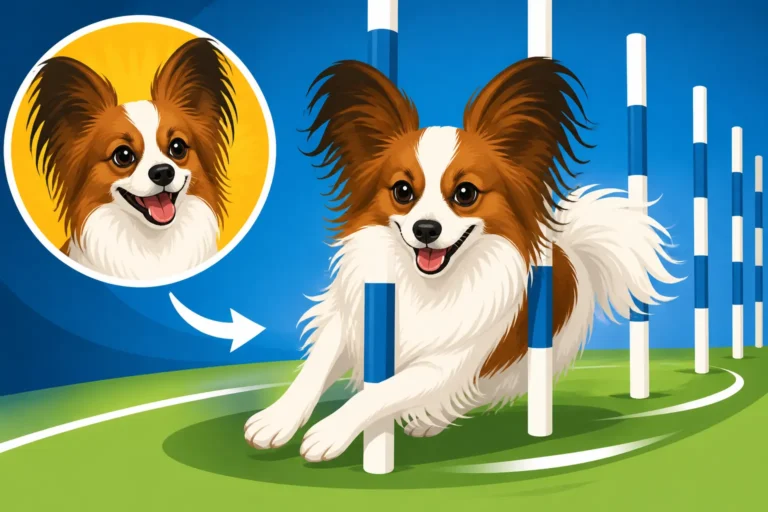
Consider agility, for instance. Papillons absolutely shine on the agility course. They are fast, nimble, and love the challenge of navigating obstacles like jumps, tunnels, and weave poles. Their lightweight frame and natural athleticism make them incredibly quick, and their intelligence allows them to learn complex sequences rapidly. Starting a Papillon in Agility is a fantastic way to bond with your dog and provide them with the mental and physical exercise they crave. Beyond agility, they are often stars in obedience trials, rally obedience, and even scent work. Their focus and drive, when properly motivated, are truly impressive.
This aptitude for advanced training isn't just about winning ribbons; it's about enriching your Papillon's life. A mentally stimulated Papillon is a happier, more well-behaved Papillon. Providing them with challenges that tap into their intelligence helps prevent boredom, which can otherwise lead to undesirable behaviors. Think of it this way: their big brains need a job, and training is the perfect way to give them one. Don't underestimate what your Papillon is capable of; they'll likely surprise you with their learning capacity.
Positive Reinforcement: Why It's the Key to Training a Papillon
When it comes to training any dog, positive reinforcement is generally considered the most effective and humane method. For a Papillon, with their sensitive yet confident nature, it's absolutely paramount. These dogs respond beautifully to praise, treats, and toys, and they love to please their people. Using harsh corrections, punishment, or intimidation tactics will not only be ineffective but can also damage your relationship with your Papillon and potentially undermine their natural confidence. They are smart enough to shut down or become resentful if treated poorly.
Positive reinforcement focuses on rewarding desired behaviors, making it more likely that your dog will repeat them. For a Papillon, this might mean a tiny, high-value treat (like a piece of cooked chicken or cheese), enthusiastic verbal praise, or a quick game of fetch with a favorite toy. Consistency is also key. Everyone in the household should use the same commands and reward system. Early and frequent training sessions, even short ones, will build a strong foundation. How Short a Papillon's Training Session Should Be emphasizes that frequent, brief sessions are more effective than long, drawn-out ones for this breed.
Online resources and training platforms, such as those offered by BAXTER & Bella, often provide excellent guidance on positive reinforcement techniques tailored for various breeds and stages of development. Their approach to building a happy, well-behaved family dog through engagement and reward aligns perfectly with the Papillon's temperament. Remember, you're not just teaching commands; you're building a partnership based on trust and mutual respect. A Papillon wants to work with you, not just for you, and positive reinforcement fosters that collaborative spirit.
Addressing Undesirable "Big Dog" Behaviors: Tackling Barking, Bossiness, or Fear Aggression
Sometimes, a Papillon's "big dog" complex can manifest in less desirable ways, such as excessive barking, bossy behavior towards other pets, or even a form of "fear aggression" where they try to intimidate perceived threats. It's important to address these behaviors early and consistently, not by stifling their spirit, but by redirecting it.
Excessive barking, a common complaint among small dog owners, is often rooted in their watchdog instinct. Papillons are alert and quick to announce arrivals or perceived threats. The Papillon That Barks at Everything often just needs to learn an "alert once" and "quiet" cue. Instead of scolding them for barking, acknowledge their alert (e.g., "Thank you for telling me!"), then teach them a "quiet" command by rewarding silence. Consistency and patience are vital. You can also work on desensitization to triggers, gradually exposing them to sounds or sights that make them bark, and rewarding calm behavior.
Bossiness towards other pets, especially larger dogs or cats, can stem from their self-assured nature. They might try to take over prime napping spots, demand toys, or even herd other animals. This isn't usually malicious, but a reflection of their belief in their own authority. Management is crucial here: ensure all pets have their own safe spaces, toys, and food bowls. Reinforce polite interactions and intervene calmly when bossy behavior starts. Reward calm coexistence. Training "stay" and "place" commands can help create boundaries and teach them impulse control around other animals.
While true aggression is rare in Papillons, some may exhibit what appears to be "fear aggression" – barking, lunging, or snapping when feeling threatened or overwhelmed, especially by larger dogs or unfamiliar people. This is often a defense mechanism for a small dog trying to create space. Rather than punishing this, which only increases fear, focus on building their confidence in those specific situations through positive exposure and desensitization. Ensure they feel safe, start at a distance where they are comfortable, and gradually decrease the distance while rewarding calm behavior. Consult a professional positive reinforcement trainer for these more complex behavioral issues; they can provide tailored strategies to help your Papillon overcome their anxieties without resorting to intimidation or fear.
Protecting Your Fearless Friend: Safety Measures and Environmental Adaptations
Because a Papillon truly believes it's a giant, it's up to us, their human companions, to ensure their environment is safe and that they don't inadvertently injure themselves. Their boldness is wonderful, but their small, delicate frame still requires protection from the realities of gravity and larger beings. Thinking ahead and making a few adjustments can make all the difference in preventing accidents.
The Hazards of Height: Jumping, Falling, and Patellar Luxation
One of the most significant risks for a small, agile, and fearless dog like a Papillon comes from heights. They love to jump – onto furniture, off furniture, up on people, and even from surprising elevations. To them, it's just another athletic feat, a fun way to get where they want to go. However, repeated impacts from jumping down, especially from beds, sofas, or even stairs, can put immense strain on their joints. Their small size means that even a relatively short fall for a human can be a significant impact for a Papillon.
This constant stress on their knees and other joints can contribute to or exacerbate conditions like patellar luxation, a common issue in many small breeds where the kneecap slips out of place. Patellar Luxation Is the Papillon Problem You Will Actually Meet makes it clear this is a concern for owners. While genetics play a role in this condition, environmental factors like frequent jumping can certainly worsen it over time. A seemingly innocuous leap off the bed every morning adds up to hundreds of impacts over a year, gradually wearing down cartilage and ligaments. Even if your Papillon doesn't have a diagnosed knee issue, minimizing these high-impact activities is a proactive step towards long-term joint health.
Furthermore, accidental falls can lead to more acute injuries like fractures. A Papillon tumbling awkwardly from a tall piece of furniture or being dropped can sustain serious, painful breaks that require extensive veterinary care. Their fine bones are simply not designed to withstand significant blunt force trauma. Therefore, managing their environment to reduce these risks is not about coddling them; it's about responsible pet ownership for a breed that doesn't always recognize its own physical vulnerability.
Making Your Home Papillon-Proof: Ramps, Steps, and Safe Play Areas
To truly protect your confident little Papillon, it's essential to "Papillon-proof" your home, especially regarding access to furniture and other elevated surfaces. This means providing safe alternatives to jumping and creating secure areas for play. The solution is often simple and remarkably effective: ramps and steps.
Invest in dog ramps or steps for any furniture your Papillon regularly accesses, such as beds and sofas. Many pet supply stores, including those found on Amazon, offer a wide variety of sizes and styles that can blend seamlessly with your home decor. Teach your Papillon to use these ramps or steps from an early age. Start by luring them with treats and praise, making it a positive and rewarding experience. Consistency is key; always encourage them to use the ramps instead of jumping. While it might seem like a small change, it significantly reduces the cumulative stress on their joints, potentially delaying or preventing the onset of conditions like patellar luxation. Whether Ramps Help a Papillon's Knees confirms the benefit of these proactive measures.
Beyond ramps, consider creating safe, designated play areas. This might be a securely fenced yard where they can run freely without fear of encountering overly boisterous large dogs, or an indoor space where fragile items are out of reach. For outdoor time, ensure your fencing is secure enough to contain a small, agile dog who might decide to explore. A Papillon might not dig extensively, but they are quick and can slip through surprisingly small gaps if motivated. Always supervise outdoor play, especially if there are other animals or potential hazards. These environmental adaptations allow your Papillon to express their big personality and playfulness in a way that minimizes risk to their delicate bodies.
Leash and Harness Choices: Preventing Tracheal Collapse and Ensuring Security
The choice of leash and harness for a Papillon is more critical than it might seem, not just for security but for their long-term health. Due to their small size and delicate respiratory system, Papillons are prone to tracheal collapse, a condition where the windpipe weakens and flattens, making breathing difficult. A collar that puts pressure on their throat can exacerbate this condition or even trigger an episode.
For this reason, a harness is almost always the recommended choice for a Papillon. A well-fitting harness distributes pressure across their chest and shoulders, rather than concentrating it on their neck. This significantly reduces the risk of tracheal damage and discomfort during walks, even if they pull on the leash or react to something exciting. When selecting a harness, look for one that is comfortable, secure, and allows for a full range of motion without chafing. Many brands offer specialized harnesses for small breeds, with soft materials and adjustable straps to ensure a snug fit.
Beyond protecting their trachea, a secure harness is also vital for keeping your confident Papillon safely contained. Their small stature and agility mean they can sometimes slip out of ill-fitting collars, especially if they are determined to chase a squirrel or greet another dog. A harness provides an extra layer of security, reducing the chance of them bolting into danger. Choose a leash that is lightweight but strong, and long enough to allow some freedom of movement without being cumbersome. A standard 6-foot leash is often ideal. Always double-check that the harness is properly adjusted each time you put it on, ensuring it's snug enough to prevent escape but not so tight that it restricts breathing or movement. These small considerations make a huge difference in the daily safety and comfort of your energetic Papillon.
Socializing Your Self-Assured Papillon: Building Positive Relationships
A Papillon's inherent confidence makes them naturally inclined to explore and interact, but proper socialization is still critical. It helps them differentiate between genuinely threatening situations and those that are just novel or exciting, and teaches them appropriate social cues. Without it, even the boldest Papillon can become anxious or reactive.
Early and Ongoing Socialization: Introducing Them to Various Sights, Sounds, and Creatures
Socialization for a Papillon isn't just a puppyhood task; it's an ongoing commitment throughout their lives. Starting early, during their critical developmental period (roughly 3-16 weeks), is paramount. This is when puppies are most open to new experiences and form lasting impressions. Expose your Papillon puppy to a wide variety of positive experiences: different people of all ages, other well-behaved dogs, various sounds (traffic, vacuums, thunderstorms on a recording), different surfaces (grass, pavement, carpet), and new environments (parks, stores where dogs are allowed, car rides). The goal isn't to overwhelm them, but to introduce these things gently and positively, associating them with treats and praise.
Even after puppyhood, continued exposure to new, positive experiences helps maintain their social skills and adaptability. A well-socialized Papillon is more likely to be calm and confident in new situations, less prone to fear-based barking or anxiety, and more capable of navigating the complex social world of dogs and humans. This ongoing process reinforces their natural self-assurance, ensuring it remains a strength rather than turning into an overconfident bravado that puts them at risk. Remember, a confident dog is a well-adjusted dog, and socialization is the cornerstone of confidence.
Controlled Introductions: Meeting Other Dogs and People Safely
Because Papillons are so bold, controlled introductions are vital to ensure every encounter is positive and safe. When introducing your Papillon to a new dog, especially one much larger, always do so on neutral territory, such as a quiet park or a friend's yard, rather than your home turf where your Papillon might feel the need to guard. Keep both dogs on leashes initially, allowing them to sniff each other politely for a few moments. Observe their body language carefully. Look for relaxed postures, loose tails, and gentle sniffing. Avoid tense body language, staring, growling, or excessive excitement.
If both dogs seem comfortable, you can allow a brief period of off-leash interaction, but always remain vigilant and ready to intervene. Keep these initial interactions short and positive. End on a good note before either dog becomes overstimulated. The goal is quality over quantity. For larger dogs, ensure their play style is appropriate for a tiny Papillon. Avoid dogs that are known to be rough, overly boisterous, or who lack good social skills, as even an accidental bump could cause injury.
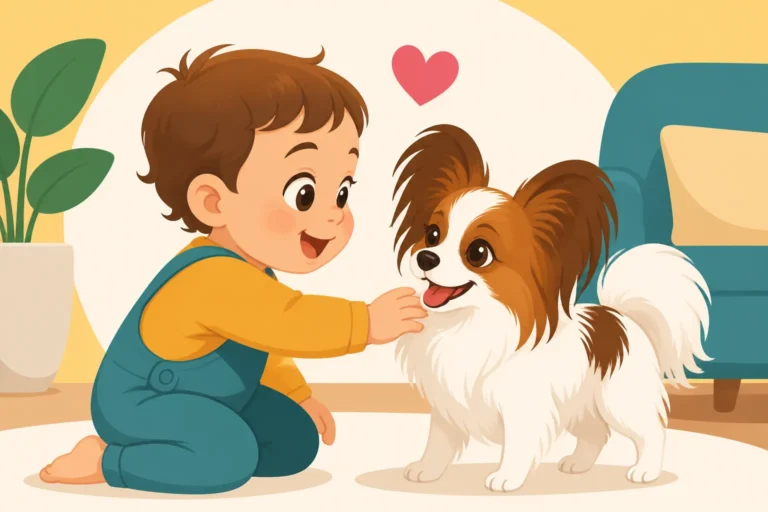
Similarly, when introducing your Papillon to new people, particularly children, supervise closely. Papillons are generally good with respectful children, but their small size makes them vulnerable to accidental rough handling. How a Papillon Handles a Toddler highlights the need for vigilance. Teach children how to interact gently with dogs, and always ensure your Papillon has a safe retreat if they feel overwhelmed. Reward calm greetings and polite interactions. These controlled settings help shape positive social experiences, allowing your Papillon's inherent friendliness to shine through safely.
Supervising Playtime: Ensuring Positive Experiences
Supervision is the golden rule when a Papillon engages in playtime, especially with other dogs. Their spirited nature means they will happily dive into play, but their small bodies need protection. During play, continuously monitor both your Papillon and their playmate for signs of overstimulation or stress. Watch for body language that indicates discomfort, such as stiff bodies, tucked tails, lip-licking, yawning (in a non-sleepy context), or avoidance. On the other hand, signs of healthy play include loose, bouncy movements, play bows, and role reversals (where one dog chases, then the other).
If play becomes too rough, too intense, or one dog seems overwhelmed, calmly intervene. A short "time-out" by separating the dogs for a minute or two can help them reset. You can redirect their energy with a toy or a short training exercise. Teach your Papillon a solid recall to call them away from play if needed. Always remember that even well-meaning play can result in accidental injury due to the size disparity.
It’s crucial to choose playmates wisely. Opt for dogs with a known gentle temperament and a play style compatible with a small dog. Avoid leaving your Papillon unsupervised with larger dogs, no matter how friendly they seem. Whether a Papillon Should Be Stopped From Jumping Off Furniture applies to play too – don't let them launch themselves off high places in the heat of a game. By actively supervising playtime and intervening when necessary, you can foster positive, enriching experiences for your Papillon, allowing them to enjoy their social nature without undue risk.
Living with a Papillon: Embracing Their Unique Personality
Living with a Papillon is a joyous adventure, filled with intelligence, energy, and undeniable personality. Embracing their unique traits, including their "big dog" mindset, means understanding their needs and channeling their spirited nature into positive outlets. They are not simply decorative lap dogs; they are active, thinking companions who thrive on engagement.
Channeling Their Energy: Appropriate Activities and Mental Stimulation
A common misconception about small dogs is that they require little exercise or mental stimulation. For a Papillon, nothing could be further from the truth. Their "big dog" energy and intelligence demand regular outlets, or you might find that energy channeled into less desirable behaviors. They aren't satisfied with merely lounging on the sofa all day; they want to be doing something.
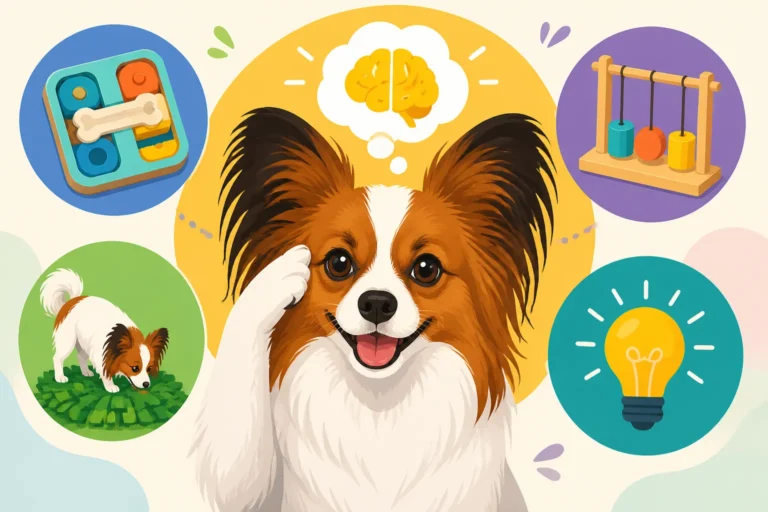
Daily walks are essential, not just for physical exercise but also for mental enrichment through sniffing and exploring new sights and sounds. While they are small, they have surprising stamina. A good 30-minute walk, or even two shorter ones, can help burn off some of that boundless energy. But physical exercise alone isn't enough. Their keen minds need challenges. Puzzle toys, interactive feeders, and regular training sessions are fantastic for mental stimulation. Teaching new tricks is another excellent way to engage their intelligence. Teaching a Papillon Tricks Faster Than You Think of Them perfectly encapsulates their capacity for learning.
Consider getting involved in dog sports if your Papillon enjoys them. Agility, rally obedience, or scent work can be incredibly fulfilling for both of you, providing structured mental and physical challenges. Even if you don't compete, practicing skills at home or in a class environment can be immensely beneficial. Providing ample appropriate chew toys also helps satisfy their natural chewing instincts and provides a healthy outlet for energy. Remember, a tired Papillon, both mentally and physically, is usually a happy and well-behaved Papillon. Don't let their size fool you into thinking they don't need significant engagement.
The Watchdog Instinct: Managing Their Vocal Tendencies
Papillons are often described as excellent watchdogs, and their "big dog" confidence plays a significant role in this. They are incredibly alert and quick to notice anything out of the ordinary – a squirrel on the fence, a leaf blowing past, or especially, someone approaching the front door. This alertness often translates into barking. How Much a Papillon Barks can vary, but generally, they are vocal little alarm systems.
While their alerting can be useful, excessive or nuisance barking can become a problem, especially if you live in close quarters with neighbors. Managing this instinct isn't about silencing them completely, but about teaching them discrimination and control. You want them to alert you to genuine concerns, not every single minor outdoor disturbance. As mentioned before, teaching an "alert once" and "quiet" command is crucial. Reward them for the initial bark (acknowledging their job as a watchdog), then immediately ask for "quiet" and reward them when they stop barking. This teaches them that their communication is valued, but also that there's a limit.
Desensitization can also help. Gradually expose them to common triggers (e.g., people walking past the window, delivery trucks) while distracting and rewarding them for staying quiet. Sometimes, managing the environment helps too, like using frosted window film to block views of passersby. Consistency is key, and everyone in the household needs to be on the same page. With patience and positive reinforcement, you can help your Papillon be an effective, rather than annoying, watchdog.
Apartment Living with a Pint-Sized Powerhouse: Making Urban Life Work
Despite their energetic personalities, Papillons can thrive in apartment living, largely because their "big dog" attitude means they adapt well to various environments, and their small size is naturally suited to smaller spaces. However, success in an apartment hinges on providing adequate mental and physical stimulation, as well as managing their vocalizations. Whether a Papillon Suits an Apartment is generally a resounding yes, provided their needs are met.
The key is to compensate for the lack of a large yard with dedicated walks, indoor play, and mental enrichment. Daily walks become even more important for sniffing, exploration, and physical exercise. Indoor play sessions with toys, fetch, or even hide-and-seek can burn off energy. Puzzle toys and training sessions are invaluable for keeping their intelligent minds busy when outdoor access is limited. Remember, a Papillon is like a small sponge, soaking up knowledge and craving engagement.
Managing their watchdog barking is particularly important in an apartment building with close neighbors. Invest time in "quiet" training and desensitization from a young age. Sound machines or calming music can also help mask external noises that might trigger barking when you're not home. Create a comfortable, secure "den" for them – a crate or a cozy bed in a quiet corner – where they can retreat and feel safe. Even though they're confident, having their own undisturbed space is crucial for their well-being. With conscious effort and commitment to their needs, your Papillon can be a fantastic, well-adjusted apartment companion, proving that even a tiny titan can flourish in a smaller footprint.
Common Misconceptions and Realities of Papillon Size
The Papillon's appearance often leads to certain assumptions about their nature. While they are indeed small and elegant, many of these assumptions don't quite align with the reality of living with such a confident and spirited breed. It's time to clear up some of the most persistent myths.
They Are Delicate: Dispelling the Myth of Extreme Fragility
Perhaps the most common misconception about Papillons is that they are extremely delicate, akin to fragile porcelain dolls. While they are undeniably small and have fine bones, they are far from truly fragile. In reality, Papillons are surprisingly robust and athletic for their size. Their ancestors were active dogs, and modern Papillons retain that physical prowess. They are quick, agile, and often quite sturdy within the context of being a toy breed.
They can handle regular walks, participate in active play, and excel in dog sports like agility. They are generally resilient and not prone to breaking with normal, careful handling. The perception of extreme fragility often leads owners to over-coddle them, limiting their activity and treating them like they can't handle anything. This can actually be detrimental, as it prevents them from developing muscle tone and mental resilience.
The key is responsible handling and environmental management, not total confinement. You wouldn't throw a Papillon off a cliff, but you also shouldn't prevent them from running and playing in a safe environment. Their structure is built for speed and agility, not extreme daintiness. They have a good bone structure for a toy breed, and while small, they are certainly not insubstantial. Understanding this helps owners provide appropriate exercise and avoid unnecessary fear, allowing their Papillon to truly thrive.
They Are All Bark, No Bite: Understanding Their Confidence
Another common belief is that small dogs, especially vocal ones like Papillons, are "all bark and no bite." While Papillons are not typically aggressive, this statement oversimplifies their confident nature and can lead to dangerous assumptions. Their barking isn't usually born of fear in the traditional sense; it's an expression of their alertness, their "watchdog" instinct, and their belief in their right to communicate. They will tell you, and the world, exactly what they think.
Their confidence means they are often willing to stand their ground, even against much larger dogs or perceived threats. While they don't generally initiate physical fights, they won't back down easily. This isn't aggression; it's a lack of fear and a strong sense of self. It's this combination of confidence and vocalization that can be misinterpreted. Owners must remember that while they might seem like "all bark," their underlying conviction can still lead them into tricky situations if not managed. They are not pushovers.
This means you cannot ignore their "big dog" attitude, hoping they will just get over it. Instead, you need to channel it appropriately. Train them to be polite and respectful, but understand that their confidence is a core part of who they are. They are small dogs with big personalities, and that personality includes a belief that they are just as formidable as any other dog. This is something to admire and protect, not dismiss. Why a Papillon Squares Up to a Big Dog is a perfect illustration of this point.
They Need Constant Coddling: Emphasizing Their Need for Mental and Physical Activity
Because of their size and often beautiful, delicate-looking coats, some people assume Papillons need constant coddling, being carried everywhere, and protected from all forms of "rough and tumble" life. While they absolutely deserve a loving home and protection from genuine harm, treating them like a fragile ornament deprives them of the rich, engaging life they truly desire and need.
As we've discussed, Papillons are intelligent, active, and curious. They need mental stimulation and physical activity to be happy and well-adjusted. A Papillon that is constantly carried and rarely allowed to explore or interact on its own terms will likely become bored, anxious, or even develop behavioral issues. They might become overly dependent, timid, or lash out due to frustration from unmet needs.
Instead of coddling, focus on empowering your Papillon. Provide safe opportunities for them to explore, play, and learn. Teach them new tricks, take them on adventures (safely, of course), and engage their minds with puzzle toys. Let them walk on their own four paws, offering ramps for furniture access rather than constant lifting. Their long lifespan means you'll be enjoying their company for many years, so investing in their physical and mental well-being now will pay dividends. How Long a Papillon Lives is impressive, and proper care contributes greatly to that. They want to be active participants in your life, not just pretty accessories. Embrace their spirit, provide for their needs, and you'll have an incredibly rewarding companion for years to come.
Disclaimer
This article is for general informational purposes only and does not constitute professional advice. Laws, prices and regulations vary by location and change over time. Consult a qualified professional for guidance on your specific situation.