When to Start a Papillon in Agility
So, you've got yourself a spirited Papillon, and you're watching those larger-than-life agility dogs fly over jumps and weave through poles on TV, thinking, "My little butterfly could totally do that!" And you'd be right! Papillons are absolute powerhouses in miniature, with incredible brains and boundless energy. But the big question that often keeps enthusiastic owners up at night is, when is the right time to start them in something as physically demanding as agility? Rushing into high-impact activities too soon can lead to injuries and a frustrated pup, but waiting too long can mean missing out on crucial developmental stages. This guide will walk you through everything you need to consider to ensure your Papillon gets a safe, fun, and successful start in agility, setting them up for a long and joyful career.
Understanding the Papillon's Agility Potential
It's no secret that Papillons are incredibly smart and athletic, often defying their delicate appearance with their boundless energy and keen minds. If you've ever seen one dart across a field or heard stories of their quick learning, you know they're not just pretty faces; they're genuine athletes in compact packages. This inherent intelligence and drive make them naturals for dog sports, especially agility.
The Papillon's Natural Aptitude
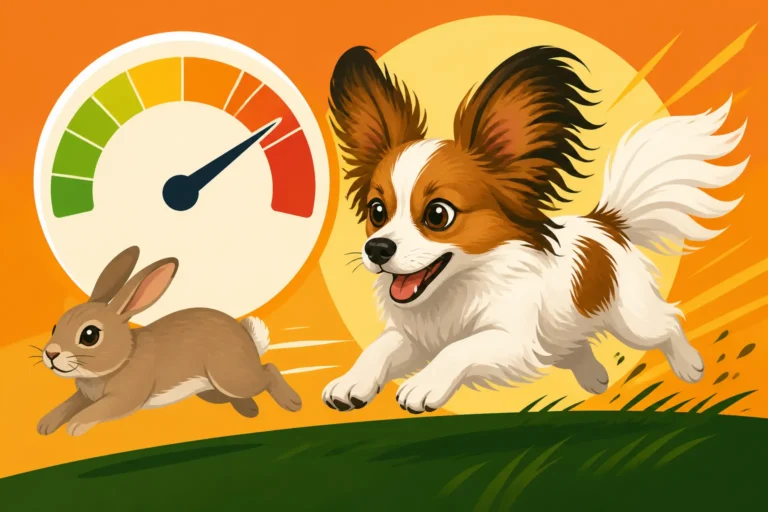
Papillons possess a remarkable combination of traits that make them exceptional agility competitors. First and foremost, they are incredibly intelligent. It’s often said The Papillon Is the Smartest Toy Breed There Is, and it's not just a boast. They pick up new commands and sequences with astonishing speed, sometimes even anticipating what you want before you fully cue them. This mental quickness means they can learn complex agility courses rapidly, making them a joy to train. Beyond intelligence, their agility is rooted in their natural athleticism. They are quick, nimble, and have excellent body awareness, making them adept at navigating obstacles with grace and precision. Their light frame allows them to accelerate, turn on a dime, and often makes them incredibly efficient movers on a course.
Furthermore, Papillons thrive on working closely with their human partners. They form strong bonds and are typically very handler-focused, eager to please and to engage in interactive activities. This willingness to cooperate is a huge asset in agility, where precise communication between dog and handler is key. They genuinely seem to enjoy the challenge and excitement of the sport, which translates into enthusiastic performances. This deep connection, combined with their sharp minds and agile bodies, gives them a significant edge in the fast-paced world of competitive agility.
Overcoming the "Small Dog" Stereotype
Unfortunately, many small breeds, including Papillons, sometimes face a stereotype that they are fragile, less capable, or primarily lap dogs. This couldn't be further from the truth for a Papillon! While their small size might lead some to underestimate them, Papillons often demonstrate an incredible "big dog" attitude and fearlessness. They don't see themselves as small; they see themselves as capable dogs ready for any challenge. A Papillon Has No Idea It Is Small, and that self-confidence is a huge part of their success.
In agility, their small size is often an advantage. They can fit through tight spaces, make sharp turns without losing much speed, and their lightweight bodies reduce impact on their joints compared to heavier breeds. This allows them to execute technical courses with incredible fluidity. Often, you’ll find that Why a Papillon Beats Bigger Dogs at Its Own Size is because their combination of speed, agility, and mental acuity allows them to shave precious seconds off their course times. It’s truly a testament to their spirit and physical prowess that they consistently rank among the top performers in the smaller jump height categories. So, if anyone ever suggests your Papillon isn't "built" for agility, just smile and know they're about to be proven wonderfully wrong.
Physical Readiness: Age and Development
One of the most critical factors in determining when to start your Papillon in agility is their physical maturity. While their minds might be ready to learn complex sequences early on, their tiny growing bodies need time to develop properly before tackling the demands of jumps, weaves, and contact obstacles. Rushing this stage can lead to long-term orthopedic issues, which is something every responsible owner wants to avoid.
The Importance of Growth Plate Closure
The single most important consideration for a Papillon puppy's physical readiness for agility is the closure of their growth plates. These are areas of cartilage at the ends of long bones in puppies and young dogs, which allow the bones to grow in length. Until these plates fuse and harden into solid bone, they are vulnerable to injury. High-impact activities like jumping, weaving, or sharp turns can cause irreversible damage to open growth plates, potentially leading to abnormal bone growth, pain, and arthritis later in life.
For most small breeds like Papillons, growth plates typically close between 9 and 12 months of age, but sometimes even later, up to 18 months for full skeletal maturity. It’s absolutely essential to consult with your veterinarian to get an accurate assessment of your individual Papillon’s skeletal development. A vet can often give you a general idea based on age and breed, but in some cases, X-rays might be recommended to confirm that growth plates are fully closed before engaging in any strenuous, high-impact activities. This isn't just a recommendation; it's a vital safeguard for your Papillon's long-term health and soundness. What a Papillon Breeder Should Have Tested will cover some of these health considerations.
Avoiding Injury in Young Papillons
Beyond growth plate closure, it's crucial to understand the types of injuries young Papillons are susceptible to and how to prevent them. Even after growth plates are closed, their joints and soft tissues are still developing strength and resilience. Common orthopedic concerns in Papillons, such as patellar luxation, make careful introduction to physical activity even more important. Patellar Luxation Is the Papillon Problem You Will Actually Meet, where the kneecap slips out of place, is a genetic predisposition in many toy breeds. While agility itself doesn't cause patellar luxation, aggressive training or hard landings on immature joints can exacerbate an existing tendency or hasten the onset of symptoms.
Therefore, owners must be diligent in ensuring all exercise is appropriate for their dog's age and physical condition. This means avoiding forced running, prolonged stair climbing, jumping from furniture, or any activity that puts undue stress on their developing joints. Focus on building core strength and body awareness through gentle, controlled movements rather than explosive actions. Remember, a lifetime of enjoyment in agility is far more valuable than pushing a puppy too hard too soon and risking an injury that could sideline them permanently. If your Papillon ever does need surgery, understanding How a Papillon Recovers From Knee Surgery will be vital.
Early Conditioning vs. Formal Jumping
While formal agility training with full-height jumps and weave poles must wait until physical maturity, there's plenty you can do to prepare your young Papillon safely. This is where "early conditioning" comes in, focusing on body awareness, balance, and basic physical fitness without impact. You can introduce concepts like walking over different surfaces, stepping over low bars (literally just on the ground), or walking across a plank placed on very low supports. These activities help them learn where their feet are in space and build confidence.
Positive reinforcement is key during these early stages. Make it a game, keep sessions short and fun, and always end on a high note. You can even set up tiny, non-competitive "agility" courses in your living room with household items – a broomstick on two books as a bar, a laundry basket to tunnel through, or small cones to weave around. These informal setups allow them to learn the idea of obstacles without putting any stress on their joints. Think of it as kindergarten for agility: teaching concepts and building enthusiasm before they hit high school sports.
Mental Readiness: Focus and Foundation Skills
Agility is as much a mental game as it is a physical one. A Papillon might be physically capable, but if they lack focus, motivation, or a solid understanding of basic cues, they’ll struggle on the agility course. Building these mental foundations early is crucial for success and enjoyment.
Building a Strong Bond and Motivation
The foundation of all successful dog training, especially in a fast-paced sport like agility, is a strong, trusting bond between dog and handler. Your Papillon needs to see you as their leader, their playmate, and the most exciting thing in their world. This bond fosters a desire to work with you and makes them highly motivated to perform the tasks you ask. Spend quality time with your Papillon, engaging in interactive play, regular walks, and consistent positive reinforcement training. Learn what truly motivates your individual dog – whether it’s a specific treat, a squeaky toy, or simply your enthusiastic praise.
Motivation is also about making training fun and rewarding. If your Papillon views training as a chore, they won't bring their best to the agility ring. Use high-value treats and exciting toys as rewards. Keep training sessions short, especially with puppies, to maintain their interest and prevent burnout. A Papillon that genuinely wants to work with you will be more attentive, resilient, and perform far better under pressure. Remember, this isn't just about obedience; it's about building a partnership where both of you are excited to tackle challenges together. A good place to start building this bond and focus can be through structured online programs like those offered by BAXTER & Bella, which emphasize positive reinforcement and foundational skills.
Mastering Basic Obedience Commands
Before your Papillon can weave through poles or navigate a teeter-totter, they need a solid grasp of fundamental obedience commands. Think of these as the building blocks for more complex agility behaviors. Essential commands include:
- Recall ("Come!"): Absolutely critical for safety and for getting your dog back to you quickly on a course.
- Stay/Wait: Important for setting up at the start line, waiting for cues, and holding positions.
- Sit/Down: Useful for control at obstacles and for managing excitement.
- Targeting (e.g., "Touch"): Can be used to guide your dog's nose or paws to specific points on obstacles.
- Go To Mat/Place: Helps teach your dog to settle and wait patiently.
These commands not only teach your Papillon what you want them to do but also instill crucial self-control and focus. Without a reliable recall, for example, your dog could easily run off course or into danger. Start training these commands at home in a low-distraction environment, then gradually introduce more distractions as your Papillon becomes more proficient. Consistency and patience are key here. Many owners find that starting with a comprehensive puppy program, even an online one like those from BAXTER & Bella, can provide an excellent framework for these foundational skills.
The Role of Puppy Classes and Socialization
Puppy classes are invaluable for preparing your Papillon for the mental demands of agility, even if they aren't agility-specific. These classes offer a controlled environment for socialization, exposing your puppy to new sights, sounds, people, and other dogs. A well-socialized Papillon is generally more confident, less anxious, and better able to focus in novel or distracting environments – all qualities essential for an agility trial, which can be busy and noisy.
Beyond socialization, puppy classes often introduce basic obedience in a fun, positive manner, teaching you how to effectively communicate with your dog and manage their behavior. They also provide opportunities for controlled play, which helps puppies learn appropriate social cues and develop confidence. A confident, well-adjusted Papillon is more likely to thrive in the sometimes overwhelming atmosphere of an agility trial. It's also a great way to start building What a Papillon Needs Every Day in terms of mental stimulation and engagement.
Assessing Your Papillon's Individual Readiness
Every Papillon is an individual, and what works for one might not work for another. While general age guidelines and physical milestones are crucial, it’s equally important to observe your own dog's unique personality, energy levels, and overall enthusiasm to gauge their readiness for agility.
Observing Energy Levels and Enthusiasm
Does your Papillon have endless energy, constantly looking for something to do? Do they light up at the prospect of playing games or learning new things? These are excellent indicators that they might be a good candidate for agility. Papillons are known for their lively and eager-to-please nature. If your dog gets genuinely excited about training sessions, eagerly anticipates your cues, and shows a sustained interest in interactive play, they're likely to enjoy the fast pace and problem-solving aspects of agility.
Conversely, if your Papillon is more of a couch potato, easily bored, or shows little interest in engaging in active games, forcing them into agility might not be the best fit. While you can certainly build drive and enthusiasm through positive reinforcement, it's important that the dog fundamentally enjoys the activity. Agility should be a source of joy and partnership, not a chore. Watch how your Papillon approaches new toys or challenges; their natural curiosity and zest for life are strong predictors of how they'll take to a sport like agility. Remember, What a Papillon Does All Day should ideally include mental and physical engagement, and agility can be a fantastic outlet for this.
Considering Temperament and Confidence
Agility trials can be busy, loud, and sometimes stressful environments. Dogs are surrounded by other dogs, people, strange equipment, and often loud sounds from cheering crowds or other dogs barking. A timid or easily overwhelmed Papillon might find this experience frightening rather than fun. Look for signs of confidence in your Papillon: do they readily explore new places? Are they generally unfazed by novel sounds or sights? Do they recover quickly from startling experiences?
A dog that is naturally confident and resilient will be better equipped to handle the pressures of competition. If your Papillon is on the shyer side, focus on building their confidence through positive experiences, continued socialization, and a strong, supportive bond with you. Small, incremental steps, like visiting quiet parks with new smells or meeting calm, friendly dogs, can help them gradually become more comfortable in the world. Rushing a fearful dog into a high-stimulus environment like an agility trial can backfire, potentially causing them to develop anxieties or fears related to the sport. Building confidence is a gradual process, and it's far better to wait until your Papillon is truly ready, both physically and emotionally.
The "Green Light" from Your Vet
Before committing to any formal agility training, scheduling a comprehensive veterinary check-up is non-negotiable. This is perhaps the most important "green light" your Papillon needs. Your vet can assess their overall health, condition, and specifically check their joint health, particularly for conditions like patellar luxation, which is common in the breed. They can confirm that growth plates are closed and that your Papillon is structurally sound enough for the physical demands of agility.
During this exam, discuss your agility aspirations with your vet. They can offer personalized advice based on your dog's age, breed, and individual health history. This might include recommendations for specific conditioning exercises, dietary considerations, or even supplements to support joint health. For instance, What a Papillon's Yearly Bloodwork Should Cover might include screenings that could be relevant to sustained physical activity. This pre-agility vet visit isn't just a formality; it's a crucial step in ensuring you're prioritizing your Papillon's long-term well-being above all else. Think of your vet as your Papillon’s personal sports physician, helping to ensure they’re fit for the field.
First Steps: Gentle Introduction to Agility Concepts
Once your Papillon has the physical and mental foundations in place, it’s time to start gently introducing them to the world of agility. This phase isn't about perfecting techniques or setting speed records; it's about building positive associations, confidence, and basic understanding in a low-pressure, fun environment.
Introduction to Low-Impact Equipment
When you first introduce agility equipment, focus exclusively on items that involve no jumping or high impact. Think about tunnels, low ground bars, or small, easily cleared hoops. You can even purchase affordable beginner agility sets online, such as those found on Amazon, which often include collapsed tunnels, weave poles that lie flat, and adjustable jump bars that can be set just inches off the ground. The key is to start with the equipment laid flat or at its lowest possible setting. For tunnels, make them short and straight initially, perhaps even having someone hold them open at both ends to make it less intimidating. Reward your Papillon heavily for even walking through.
For weave poles, start with them wide apart, so your dog can simply walk through them in a serpentine pattern, then gradually bring them closer together as they gain confidence. This 'channel' method is often taught in foundation classes. The goal is to build curiosity and excitement, not fear or frustration. Always keep sessions short (5-10 minutes tops for a young dog) and end on a positive note. Remember, every new piece of equipment is a new experience, and your Papillon needs time to process and feel comfortable with each one. Patience and positive reinforcement will pay dividends in building a truly confident agility dog.
Foundation Skills and Body Awareness
Beyond just getting acquainted with equipment, this initial phase is all about building crucial foundation skills and body awareness. These aren't just about agility obstacles; they contribute to overall physical literacy. Exercises like "cavaletti poles" (low poles placed on the ground that your dog steps over) help with stride regulation and foot placement. Teaching your Papillon to climb onto and off a low platform or a sturdy step can build confidence in their footing and teach them to use all four paws deliberately.
You can also introduce targeting exercises, where your Papillon touches an object with their nose or paw. This teaches them to extend their body and focus on a specific point, a skill invaluable for hitting contact zones on obstacles like the A-frame or dog walk. Incorporate balance work using wobble boards or inflatable balance discs – again, starting with very short sessions and ensuring safety. These activities not only strengthen their core muscles and proprioception (awareness of their body in space) but also provide excellent mental stimulation. What Mental Work a Papillon Needs is often as important as physical exertion.
Making it Fun and Positive
This cannot be stressed enough: agility should always be a blast for your Papillon! The moment it stops being fun, you risk turning a potential superstar into a reluctant participant. Use their favorite treats, enthusiastic praise, and exciting toys as rewards. Keep your voice light and encouraging, and celebrate every small success with genuine excitement. If your Papillon makes a mistake, don't scold them. Instead, simply re-direct, make the task easier, and try again. They learn best through positive reinforcement and a supportive environment.
Avoid long, repetitive drills, especially in the beginning. Mix things up, play fetch or tug between agility exercises, and ensure there's a strong element of play. If you notice your Papillon losing interest, getting distracted, or showing signs of stress, stop the session. It's better to end early on a good note than push them to the point of frustration. The goal is to foster a lifelong love for the sport, and that begins with making every single interaction with agility equipment and training a positive, rewarding experience. This approach helps create a resilient and eager partner who looks forward to every session, setting the stage for a fulfilling agility journey.
Progressing to Formal Training and Competition
Once your Papillon is physically mature, mentally prepared, and has a solid foundation in agility concepts, you can start thinking about formal training and eventually, competition. This next phase involves more structured learning, higher obstacles, and navigating full courses.
Finding a Qualified Instructor
This step is absolutely paramount for safe and effective progression in agility. Trying to teach complex agility sequences and proper handling techniques by yourself, especially without prior experience, can easily lead to frustration for both you and your dog, and even injury. Look for an agility instructor who:
- Emphasizes positive reinforcement: Avoid any trainer who uses harsh corrections, force, or intimidation. Papillons are sensitive and thrive on positive motivation.
- Has experience with small breeds: A good instructor understands the unique mechanics and temperament of toy breeds and can adjust their teaching methods accordingly.
- Prioritizes safety: They should insist on proper warm-ups and cool-downs, correct obstacle performance, and be vigilant about preventing injuries.
- Teaches foundation skills thoroughly: A good instructor will ensure your Papillon has solid contact performance, weave pole entries, and understands basic handling moves before moving to complex sequences.
- Is patient and encouraging: They should be able to break down complex tasks into manageable steps and celebrate small victories.
Ask for recommendations from other Papillon owners in agility, visit local training clubs, and observe a class before committing. A great instructor will not only teach your dog but will also teach you how to be an effective agility handler, building both your skills as a team.
Understanding Competition Age Limits
Even with formal training, there are often age restrictions for competing in official agility trials, designed to protect dogs from premature stress on their bodies. In many organizations, dogs must be at least 15 or 18 months old to compete in events that involve full-height jumps and specific obstacle challenges. These age limits are in place for a good reason – to ensure skeletal maturity and reduce the risk of injury.
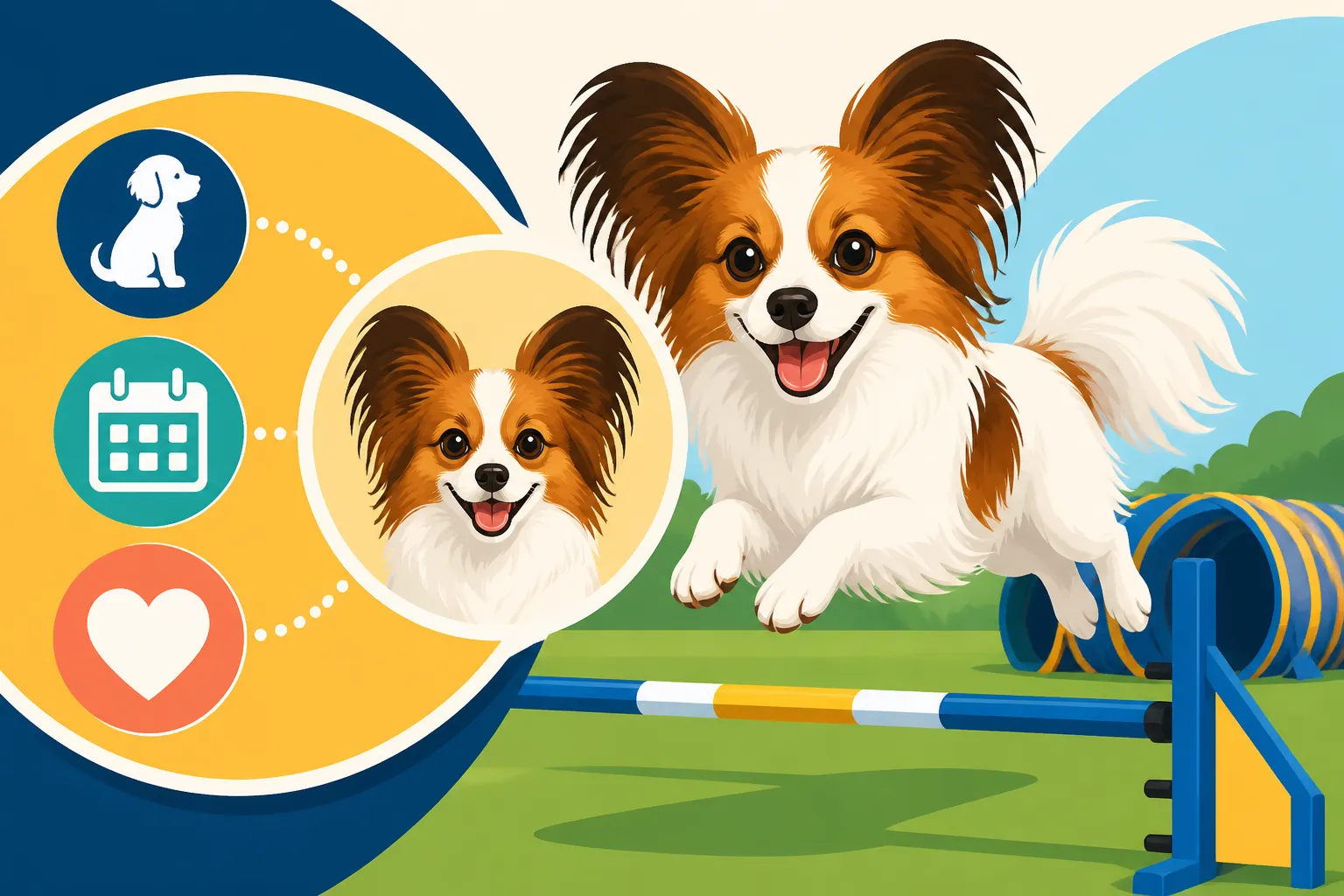
While your Papillon might be physically capable of clearing low jumps and doing weave poles in practice, respecting these competition age limits is crucial. It gives their body that extra time to solidify and mature fully. During this waiting period, you can focus on perfecting foundation skills, working on speed and accuracy on ground-level or very low obstacles, and refining your handling cues. There’s no rush to compete; the journey of training and bonding is often the most rewarding part. Knowing How High a Papillon Jumps in Competition will help you visualize the challenge they're working towards.
Maintaining Long-Term Health and Enjoyment
Agility can be a lifelong sport for Papillons if approached correctly. To ensure your Papillon enjoys a long and healthy agility career, several practices are essential. Regular vet check-ups, even after initial clearance, are vital to monitor their joint health and overall condition. A vet can catch minor issues before they become major problems. Also, ensure your Papillon maintains a healthy weight; even a few extra ounces can put undue strain on their small joints, particularly their knees.
| Aspect | Early Introduction (Puppy, up to 12-18 months) | Formal Training (Adult, 18 months+) |
|---|---|---|
| Physical Focus | Body awareness, balance, core strength, no impact | Full height jumps, weaves, contact obstacles, speed |
| Mental Focus | Bond building, motivation, basic obedience, socialization | Course analysis, advanced handling, focus under distraction |
| Equipment | Flat poles, short tunnels, low platforms, props (Amazon, BAXTER & Bella tools) | Full-size jumps, A-frame, dog walk, teeter (club equipment) |
| Session Length | 5-10 minutes, multiple times a day | 30-60 minutes, 2-3 times a week, including warm-up/cool-down |
| Risk of Injury | Low, if impact is avoided and growth plates are open | Moderate, if not conditioned properly or pushed too hard |
| Key Goal | Build confidence, create positive associations, physical literacy | Refine technique, improve speed, prepare for competition |
Warm-up and cool-down routines are just as important for dogs as they are for human athletes. A proper warm-up prepares their muscles and joints, while a cool-down helps prevent stiffness and soreness. Listen to your Papillon; if they seem tired, sore, or reluctant to work, give them a break. Don't push through discomfort. Agility should enhance their quality of life, not detract from it. Prioritizing their enjoyment and well-being will lead to a more successful and enduring partnership in this exhilarating sport. And always remember, How Long a Papillon Lives means you have many years to enjoy this journey together!
Disclaimer
This article is for general informational purposes only and does not constitute professional advice. Laws, prices and regulations vary by location and change over time. Consult a qualified professional for guidance on your specific situation.