Whether a Papillon Picks Fights
It can be truly disheartening when you hear the familiar yaps and lunges from your tiny dog, especially if it seems like they're always spoiling for a fight with bigger dogs or even other small breeds. This guide dives deep into whether Papillons are prone to picking fights, exploring the underlying reasons behind confrontational behavior, and offering practical strategies to help your butterfly-eared companion navigate the world with confidence and calm.
The Papillon Paradox: Courageous or Confrontational?
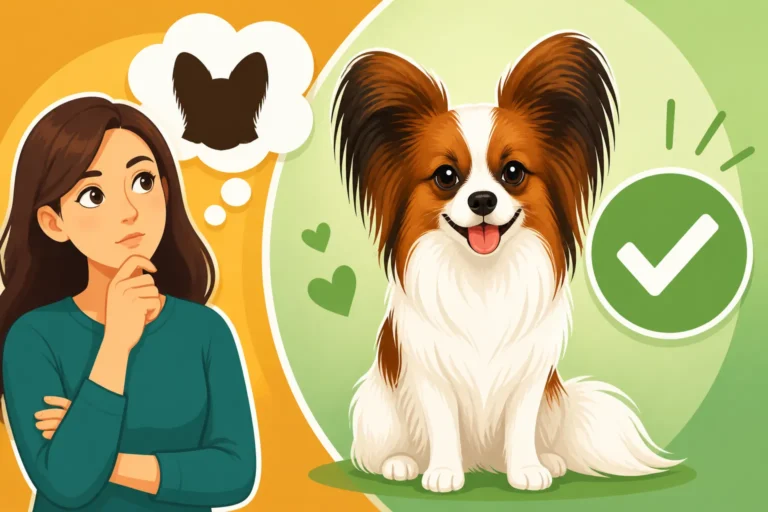
When you look at a Papillon, with those delicate features and graceful butterfly ears, the idea of them "picking a fight" might seem counterintuitive. However, many owners quickly learn that these little dogs come packed with a surprising amount of personality and, sometimes, an assertive streak that can be misinterpreted as aggression. It’s a common misconception, one that often stems from a lack of understanding about what truly drives a small dog's reactive behaviors.
The "Small Dog Syndrome" Stereotype
Let's face it, we've all seen that small dog—the one at the end of the leash, barking furiously at a Great Dane passing by, or launching itself at a Labrador in the park. This behavior is often dismissed as "small dog syndrome," a derogatory term suggesting an innate arrogance or aggression specific to smaller breeds. But in reality, this syndrome is less about inherent aggression and more about a complex mix of fear, insecurity, and learned behaviors often inadvertently encouraged by human owners. A Papillon might exhibit these behaviors, not because they're inherently confrontational, but because they've learned that a loud, bold display can keep perceived threats at bay.
These behaviors are rarely about actual dominance or a desire to "win" a fight. Instead, they often serve as a defense mechanism. A tiny Papillon, standing at a mere 8-11 inches tall, is acutely aware of its physical vulnerability when faced with a dog ten times its size. Barking, lunging, and growling can be a desperate attempt to create distance and prevent a potential threat from getting too close. It’s a primal instinct, albeit one that can be highly disruptive and stressful for both dog and owner. Understanding this fear-based origin is the first step in addressing and re-directing such tendencies.
Innate Boldness and Self-Confidence
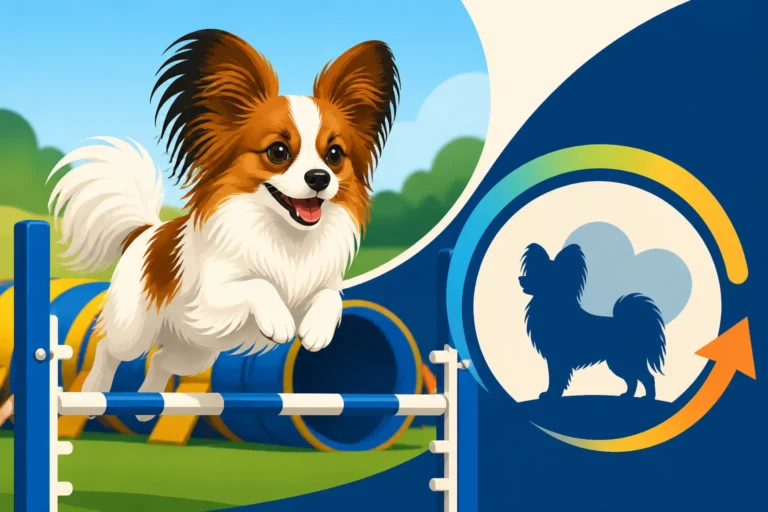
Despite their diminutive size, Papillons are not typically known for being shy or timid. On the contrary, they possess an incredible amount of self-confidence and an adventurous spirit. They often act much larger than they are, a trait that makes them formidable competitors in dog sports like agility. This innate boldness means they aren't easily intimidated, which can sometimes be a double-edged sword. While it contributes to their engaging personality and fearlessness in tackling new challenges, it can also lead them to stand their ground in situations where a more cautious dog might retreat.
This inherent confidence, when properly channeled, is a wonderful asset. A well-socialized Papillon is a joyous, outgoing companion, eager to explore and interact positively with the world around them. They love to be involved, to learn new things, and to engage with their human family. However, without appropriate guidance and boundaries, this boldness can manifest as bossiness or an unwillingness to back down, especially if they perceive another dog as encroaching on their space or resources. It's crucial for owners to understand that confidence without proper social skills can sometimes be mistaken for aggression.
Beyond the Butterfly Ears: A Highly Intelligent Breed
The Papillon consistently ranks among the most intelligent dog breeds, often listed in the top ten for obedience intelligence. This sharp intellect means they are quick learners, capable of understanding complex commands and routines with remarkable speed. The Papillon Is the Smartest Toy Breed There Is is not just a catchy phrase, it's a testament to their mental prowess. While this intelligence is fantastic for training and teaching tricks, it also means they are incredibly perceptive of their environment and the behavior of others, both human and canine.
Their intelligence allows them to quickly pick up on patterns, cues, and the emotional states of those around them. If they learn that a certain behavior, like barking or lunging, consistently achieves a desired outcome—such as another dog backing away, or their owner scooping them up—they will continue to employ that strategy. They are problem-solvers, and if "picking a fight" (or what appears to be one) solves their problem of feeling unsafe or threatened, they will adopt it. This is why consistent, positive training from an early age is so vital, especially in channeling their smarts towards desirable interactions.
Deconstructing "Fight-Picking" Behavior in Any Dog
It’s easy to label a dog as aggressive when it growls, barks, or lunges, but true aggression is complex. For a small dog like a Papillon, behaviors that look like "picking a fight" are often rooted in something deeper than just a desire for confrontation. Understanding these root causes is essential to addressing the behavior effectively and kindly.
Fear as the Primary Driver
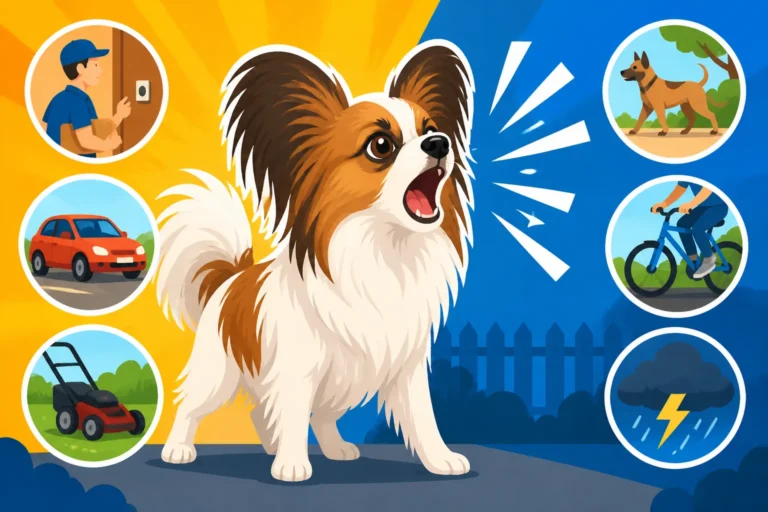
The overwhelming majority of reactive behaviors, particularly in smaller dogs, are driven by fear and insecurity. Imagine being a tiny creature in a world full of giants. Every large dog, every loud noise, every sudden movement can feel like an existential threat. A Papillon often finds itself in situations where it feels vulnerable, leading to a "fight or flight" response. Since flight isn't always an option, especially on a leash, they resort to defensive posturing. The growl, the bark, the lunge are all attempts to make themselves appear bigger, scarier, and less approachable, hoping to scare off the perceived threat before it gets too close.
This fear isn't necessarily about another dog intending harm; it can be about the sheer difference in size, the unpredictable nature of an approaching dog, or past negative experiences. A Papillon might have been accidentally stepped on, bowled over, or received an unintentional rough play invitation from a larger, less inhibited dog. These incidents, no matter how minor they seem to us, can leave a lasting impression and cultivate a deeply ingrained sense of anxiety around other dogs. Their outward "aggression" is a desperate plea for safety and space, not an invitation to battle.
The Role of Insufficient Socialization
Proper socialization is the bedrock of a well-adjusted dog, and its absence is a common factor in dogs that appear to pick fights. Socialization isn't just about exposing a puppy to other dogs; it's about creating positive, controlled experiences with a variety of sights, sounds, people, and animals during their critical developmental window. For a Papillon puppy, this period typically lasts from about 3 to 16 weeks of age. If a puppy misses out on these crucial early experiences, or if their experiences are negative, they may grow up to be fearful or anxious in novel situations, especially around other dogs.
A dog that hasn't learned appropriate canine social cues or has had limited positive interactions with a diverse range of dogs may struggle to understand friendly overtures or subtle body language. They might misinterpret a playful bounce as a threat or simply not know how to respond appropriately, leading them to resort to defensive behaviors. It's not that they want to fight, but rather that they lack the confidence and communication skills to navigate social situations gracefully. When to Start Training a Papillon Puppy is a critical time for shaping their future interactions.
Resource Guarding and Boundary Issues
While fear is a significant driver, some Papillons can also develop behaviors that stem from resource guarding or a strong sense of personal boundaries. Resource guarding isn't unique to large breeds; a small dog can be just as possessive over their food bowl, a favorite toy, their bed, or even their human. If another dog approaches an item or person a Papillon considers "theirs," they might react defensively, using growls or snaps to communicate "back off." This isn't necessarily about picking a fight, but about enforcing boundaries they feel are being violated.
Similarly, a Papillon might have a very strong sense of personal space. They might not appreciate a nose-to-nose greeting from an unfamiliar dog or a boisterous play invitation that feels too intense. If their subtle signals to back off are ignored (which often happens with larger, less polite dogs, or dogs with poor social skills), they may escalate their warnings to more overt displays like barking or snapping. It's their way of saying, "You're too close! Give me space!" and if those pleas aren't heeded, it can look like they are the instigator of a confrontation.
Owner Contribution: Enabling Unwanted Behaviors
This is where it gets tough to hear, but often, we humans inadvertently contribute to our small dogs' reactive behaviors. "Small dog syndrome" can, in many cases, be directly attributed to the owner's actions. When a Papillon barks or growls at a larger dog, what's a common human response? Often, it's to pick them up, cuddle them, or soothe them. While this comes from a place of love and protection, it can inadvertently reward and reinforce the unwanted behavior. The dog learns: "Ah, when I bark and make a fuss, I get picked up and taken away from the scary thing! Success!" Why Picking a Papillon Up Makes It Worse is a crucial point to understand.
Another common scenario is allowing the small dog to dictate interactions with other dogs or people. If your Papillon consistently gets its way by acting out—barking at visitors until they leave, or growling at other dogs until they retreat—they learn that these behaviors are effective tools. They might also be allowed to jump on people, chew on inappropriate items, or demand attention in ways that wouldn't be tolerated from a larger dog. This lack of consistent boundaries and training across the board can lead to a dog that feels entitled and doesn't understand appropriate social etiquette, making them more prone to reactive displays when their expectations aren't met.
Navigating Papillon Interactions with Other Canines
Papillons are social creatures, and most enjoy interacting with other dogs. However, their small size and sometimes bold personality require careful management to ensure these interactions are positive and safe. Not all play environments or doggy acquaintances are created equal for a small dog.
The Pitfalls of Mixed-Size Play Environments
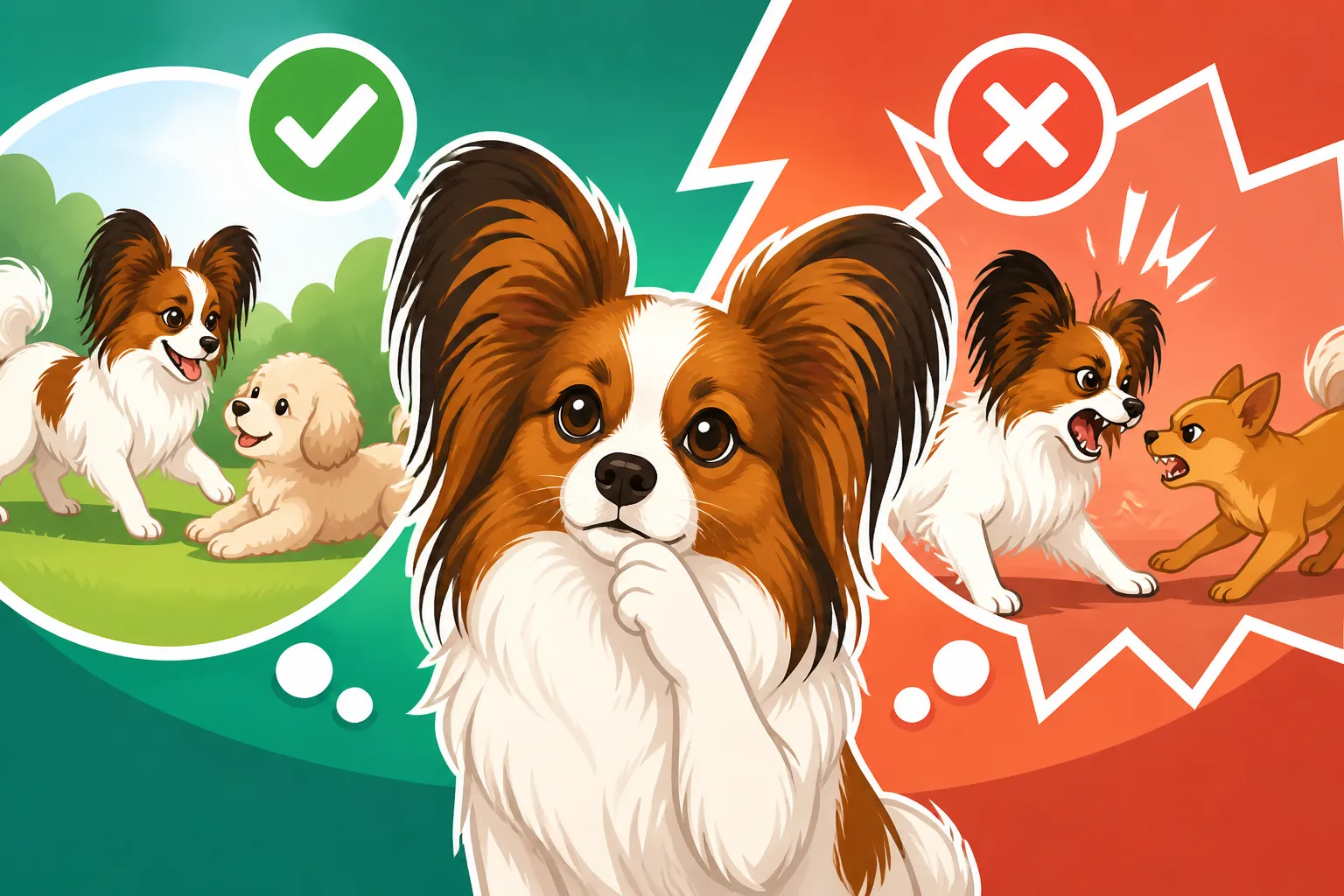
Dog parks can be wonderful for many dogs, offering space to run and socialize. However, for a tiny Papillon, a mixed-size dog park can be a minefield. The sheer difference in size between a Papillon and a large breed like a German Shepherd or a Golden Retriever creates an inherent risk. Even the most well-meaning larger dog can accidentally injure a Papillon during play, simply due to their weight and exuberance. A playful bump from a 70-pound dog can send a 7-pound Papillon flying, leading to potential physical injury and, just as importantly, emotional trauma that can fuel fear-based reactivity. How a Papillon Behaves With Large Dogs is an important read for context.
Furthermore, play styles vary dramatically between breeds. A large dog's idea of fun might involve rough-and-tumble wrestling, body slams, and enthusiastic chases, which can be overwhelming and frightening for a small dog. The Papillon, in turn, might attempt to "warn off" these larger, boisterous dogs with barks and lunges, which can be misinterpreted by the larger dog as an invitation to play, or worse, as a challenge. This mismatch in play style and potential for injury means that mixed-size dog parks are often not the safest or most beneficial environment for a Papillons.
Strategies for Safe Introductions and Supervised Play
Instead of relying on free-for-all dog parks, it's far more beneficial to arrange controlled, supervised interactions for your Papillon. Start with one-on-one playdates with known, friendly dogs of similar size and temperament. Look for dogs that exhibit calm, polite social skills. Ensure introductions happen in a neutral territory, ideally on leash for the initial sniff-and-greet, allowing both dogs to feel secure. Keep initial interactions short and positive.
When play begins, supervise closely. Look for signs of appropriate play, such as play bows, reciprocal chasing, and soft, loose body language. If play becomes too intense, one dog is consistently harassing the other, or either dog shows signs of stress (lip-licking, yawning, stiff body, averting gaze), intervene calmly and redirect their attention. Rotate toys and treats to prevent resource guarding. Many owners find success with specialized small-dog play groups or training classes, where the environment is curated for smaller breeds. What a Papillon Needs Every Day includes social interaction, but it needs to be the right kind.
Recognizing and Respecting Canine Communication
Being able to "read" dog body language is a superpower for any dog owner, but especially for those with smaller, potentially reactive breeds. Dogs communicate constantly through subtle (and not-so-subtle) signals. Understanding these signals can help you intervene before a situation escalates. Look for:
- Stress Signals: Lip-licking, yawning (when not tired), averted gaze, stiff posture, tail tucked, ears flattened, panting (when not hot), excessive sniffing, self-grooming. These indicate a dog is feeling uncomfortable or anxious.
- Warning Signals: A hard stare, a stiff tail held high, raised hackles, a low growl, a snarl, a quick snap of the jaws in the air. These are serious warnings that the dog feels threatened and may bite if pressed further.
- Play Signals: Play bows (front end down, rear end up), loose, wiggly body, open mouth smiles, soft gaze, reciprocal chasing.
If you see your Papillon, or the dog they are interacting with, displaying stress or warning signals, it's time to create distance. Don't wait for a full-blown confrontation. Respect their communication; they are telling you they are uncomfortable or feeling overwhelmed. Prompt, calm intervention can prevent an unwanted interaction from turning into a perceived "fight."
Proactive Measures to Cultivate a Confident, Calm Papillon
Preventing confrontational behavior in a Papillon involves a multi-pronged approach that starts early and continues throughout their lives. It's about building confidence, providing clear communication, and managing their environment effectively.
The Imperative of Early, Positive Socialization
This cannot be stressed enough: early and positive socialization is absolutely critical for a Papillon. Begin as soon as your puppy has their initial vaccinations. Enroll them in a well-run puppy class, where they can safely interact with other puppies of similar size under the guidance of an experienced trainer. Beyond other dogs, expose your Papillon puppy to a wide variety of sights, sounds, people, and environments in a positive way. Carry them to bustling farmers' markets, let them observe people on park benches, introduce them to gentle children, and allow them to experience different floor textures and noises.
The goal is to teach your Papillon that the world is a generally safe and interesting place, not a series of threats to be barked at. Always ensure these experiences are positive—pair new introductions with high-value treats and praise. Never force an interaction, and always allow your puppy to retreat if they're feeling overwhelmed. A well-socialized Papillon is a confident Papillon, and confidence is the antidote to fear-based reactivity. Remember, The Vaccination Schedule a Papillon Puppy Needs is important, but don't let fear of germs completely isolate your puppy during this crucial developmental stage.
Here's a quick comparison of effective vs. ineffective socialization:
| Aspect | Effective Socialization | Ineffective Socialization |
|---|---|---|
| Exposure Type | Controlled, positive interactions (people, dogs, sounds, places) | Random, uncontrolled, potentially negative exposures |
| Environment | Safe, supervised settings (puppy classes, friend's calm dog) | Overwhelming, chaotic settings (busy dog parks, crowded events) |
| Emotional Response | Curiosity, calm engagement, happy demeanor | Fear, anxiety, reactivity (barking, hiding) |
| Pacing | Gradual, short sessions, increasing intensity over time | Too much, too soon, forced interactions |
| Reinforcement | High-value treats, praise, positive associations | No reinforcement, or inadvertently rewarding fear |
| Result | Confident, well-adjusted, resilient dog | Fearful, reactive, potentially aggressive dog |
Structured Training and Clear Expectations
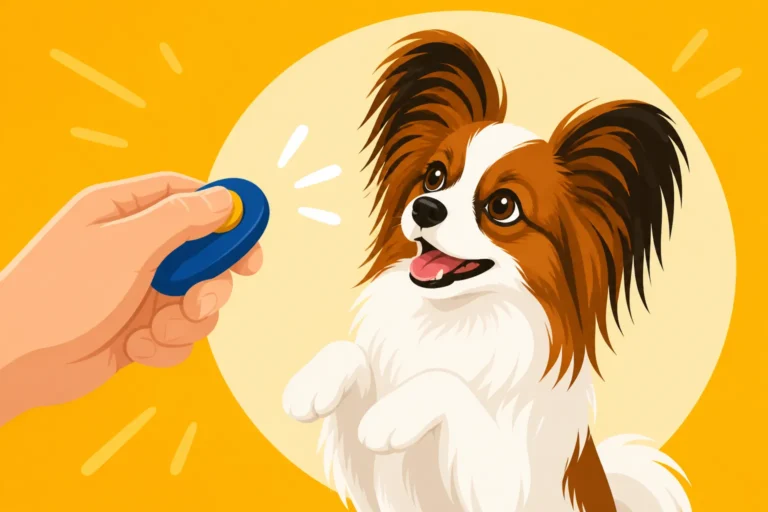
Papillons are incredibly smart, and they thrive on mental stimulation and clear guidance. Consistent training from day one is not just about teaching tricks; it's about establishing a clear communication system and setting boundaries. A Papillon that understands what's expected of them, and trusts their owner to provide direction, is far less likely to resort to self-directed, reactive behaviors. Focus on positive reinforcement methods, using treats, praise, and play to reward desired behaviors. What Motivates a Papillon often comes down to high-value food rewards and engaging games.
Enroll in obedience classes, even if you don't plan to compete. These classes offer valuable tools for impulse control, focus, and polite leash manners. Commands like "leave it," "stay," and a reliable recall are essential for managing interactions in public spaces. Online training platforms, such as those offered by BAXTER & Bella, can be an excellent resource for new owners or those looking to refine their Papillon's skills from the comfort of their home. These programs often provide step-by-step guidance that's perfect for a clever breed like the Papillon, allowing you to work at your own pace and build a strong foundation of polite behavior and responsiveness.
Essential Management Tools and Techniques
Beyond training, effective management tools are crucial for preventing situations where your Papillon might feel the need to "pick a fight."
- Harness vs. Collar: For a small dog with a delicate trachea, a harness is almost always preferred over a collar, especially if they are prone to pulling or lunging. A well-fitting Y-front harness distributes pressure across their chest and shoulders, preventing strain on their neck and throat, which can be a trigger for coughing or discomfort and subsequently, reactivity. Look for comfortable, adjustable harnesses on platforms like Amazon that don't restrict shoulder movement.
- Leash Management: Always keep your Papillon on a leash in public spaces, unless in a securely fenced, designated small-dog area with trusted companions. A loose leash provides better control and prevents your dog from rushing into potentially confrontational situations. Avoid retractable leashes, which offer less control and can teach your dog to pull.
- Creating Safe Spaces: At home, ensure your Papillon has a designated safe space—a crate, a bed in a quiet corner—where they can retreat and not be bothered. This is especially important in multi-pet households or homes with children.
- Environmental Awareness: Be observant of your surroundings when out walking. If you see an off-leash dog approaching, or a large, boisterous dog, cross the street, or create distance. It's not about being afraid; it's about being responsible and protecting your small companion from unnecessary stress or risk. A Papillon's reactivity often stems from feeling cornered or unable to escape.
Fostering Harmony: Papillons in Diverse Living Situations
A Papillon's ability to live harmoniously often depends on how well their environment is managed and how consistently their humans apply good training and socialization principles. Their adaptable nature means they can thrive in various settings, but certain considerations are key.
Integrating Papillons into Multi-Pet Households
Bringing a Papillon into a home with other pets, or introducing another pet to a resident Papillon, requires thoughtful planning. Their bold nature, combined with their small size, means that interactions must be managed carefully, especially with larger dogs or cats. Always ensure initial introductions are slow, supervised, and positive. Keep dogs on leashes during the first few meetings, allowing them to sniff and observe each other calmly. Reward calm behavior with treats.
Provide separate resources like food bowls, water dishes, beds, and toys to prevent resource guarding, particularly in the beginning. Ensure your Papillon has safe "escape routes" or high places they can access if they feel overwhelmed by a larger dog's playfulness. Most Papillons can coexist beautifully with other dogs and cats, often becoming the tiny boss of the household, but patience and consistent supervision are paramount. It's often helpful to keep energy levels in mind; a high-energy Papillon might thrive with another active dog, while a more sedate one might prefer a calm companion.
Papillons and Children: Education on Both Sides
Papillons can certainly be wonderful family dogs, especially with respectful, older children. However, their delicate build makes them vulnerable to accidental injury from toddlers or very young children who don't yet understand how to interact gently with a small dog. Their small size means they are easily dropped, stepped on, or squeezed too tightly, and a negative experience can quickly lead a Papillon to be wary or even defensive around children. For these reasons, Why a Papillon Suits Older Children Better is a commonly accepted truth.
The key to a harmonious relationship lies in educating both the child and the dog. Teach children how to approach and pet a dog gently, to respect their space, and to never disturb a dog while they are eating or sleeping. Supervise all interactions between your Papillon and children, especially when the dog is still a puppy or if the children are very young. Teach your Papillon to be comfortable with handling by associating gentle touches with treats and praise from a young age. While Papillons are generally good-natured, an accidental rough interaction can turn even the sweetest dog into one that seems to "pick fights" with children out of fear.
Creating an Enriched and Predictable Environment
A Papillon that is bored, under-exercised, or living in an unpredictable environment is more likely to develop behavioral issues, including reactivity. These intelligent dogs need mental stimulation as much as physical activity. Provide puzzle toys, engage them in training games, and vary your walking routes to keep things interesting. A predictable routine can also greatly reduce anxiety; knowing when to expect meals, walks, and playtime helps them feel secure and in control.
Ensure your home is set up to protect your Papillon's small joints and fragile bones. Provide ramps or steps to furniture like beds and sofas to prevent jumping injuries. Whether a Papillon Should Be Stopped From Jumping Off Furniture is a vital consideration for their long-term orthopedic health. Non-slip rugs on hardwood or tile floors can also help them move around safely without strain. A secure, comfortable home environment that anticipates their needs and protects them from potential harm fosters a sense of security, which, in turn, promotes calm and confident behavior, making it far less likely that your Papillon will ever feel the need to "pick a fight."
Disclaimer
This article is for general informational purposes only and does not constitute professional advice. Laws, prices and regulations vary by location and change over time. Consult a qualified professional for guidance on your specific situation.