Whether a Papillon Passes a Canine Good Citizen Test
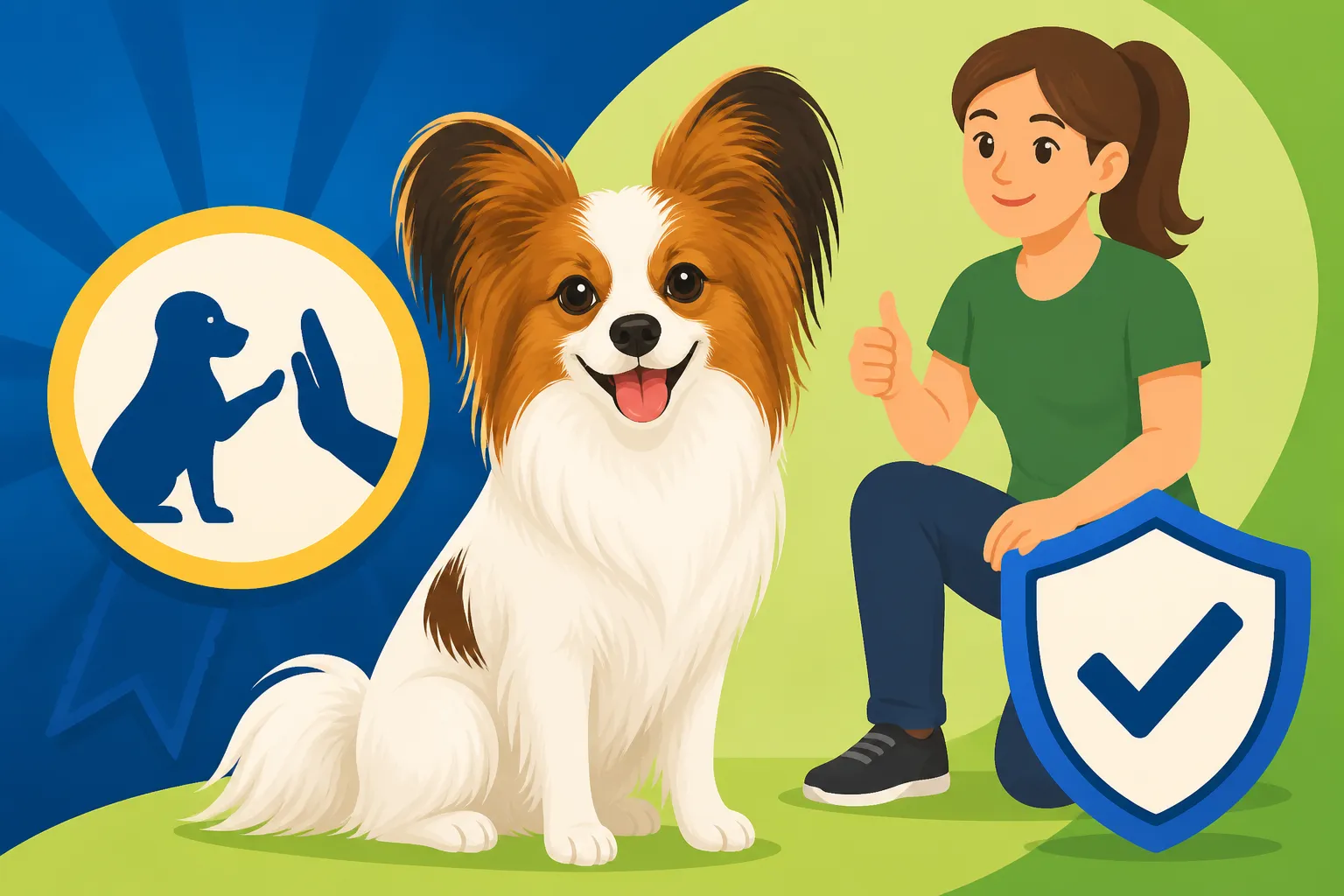
It’s a common misconception that smaller dog breeds, with their dainty appearances, might not be cut out for serious obedience or temperament tests. Many Papillon owners, myself included, have faced quizzical looks when we mention aspirations like the Canine Good Citizen test for our little butterfly dogs. But let me tell you, that idea couldn't be further from the truth. This guide is here to bust those myths and show you exactly how your brilliant Papillon can not only pass, but absolutely shine, in the Canine Good Citizen test.
Understanding the Canine Good Citizen Test
Before we dive into why Papillons are so perfectly suited for this, let's get a clear picture of what the Canine Good Citizen (CGC) test actually entails. It’s an evaluation program designed by the American Kennel Club (AKC) to recognize dogs who have good manners both at home and in the community. It’s not about complex tricks or flashy agility moves; it’s about proving your dog is a well-behaved companion.
What the CGC Test Actually Covers
The CGC test is made up of ten distinct components, each designed to assess a dog's basic manners and stability in various situations. It’s a pass/fail test, meaning your dog needs to demonstrate competence in all ten areas. Think of it as a public service announcement that your dog isn't going to be "that dog" at the park or the vet.
The ten items are:
- Accepting a Friendly Stranger: This isn’t about your Papillon running up to a stranger and jumping all over them. It's about your dog allowing a friendly person to approach and speak to you, without shyness or resentment, and without jumping or being aggressive. Imagine walking down the street, and a neighbor stops to chat; your Papillon should greet them politely, or simply ignore them.
- Sitting Politely for Petting: This builds on the first item. The friendly stranger then pets your dog. Your Papillon should remain calm, allow the petting, and not jump up or show any signs of aggression or fear. This is where those consistent positive interactions with new people really pay off.
- Appearance and Grooming: The evaluator will perform a quick check of your dog's ears, feet, and coat, much like a vet or groomer would. This tests your Papillon's acceptance of being handled and examined. It's not about being perfectly coiffed, but about showing comfort with touch. For a Papillon, whose ear fringes and longer coats are defining features, getting them comfortable with being touched all over is crucial for this test, and for general vet visits too!
- Out for a Walk (Walking on a Loose Leash): Your Papillon should walk on a loose leash, without pulling, for a short distance. This is probably one of the most practical skills in the entire test. Nobody enjoys being dragged down the sidewalk by their dog, no matter how small.
- Walking Through a Crowd: This simulates walking in a public place, like a farmers market or a busy park. Your Papillon needs to walk politely through a small group of people, without jumping, straining at the leash, or getting overly distracted. This often means practicing in busy environments, even if you just start by sitting on a bench at a distance and observing.
- Sit & Down on Command and Staying in Place: These are core obedience commands. Your Papillon needs to perform a "sit" and a "down" on command, and then stay in place (either sitting or lying down) for a brief period while you move away a short distance. This is where your dog's ability to focus on you, even with minor distractions, is key. How Short a Papillon's Training Session Should Be can be very helpful here, as short, focused sessions yield the best results.
- Coming When Called: This is a life-saving command. Your Papillon needs to reliably come to you when called from a distance of about 10 feet. This shows trust and responsiveness, and it's essential for off-leash safety, even if your Papillon is rarely off-leash.
- Reaction to Another Dog: This isn't about greeting another dog. It’s about passing another dog and handler politely, without lunging, barking excessively, or trying to initiate play. Your Papillon needs to remain focused on you and continue walking calmly. This is often where a lot of small dogs falter if they haven't been taught how to be neutral around other canines.
- Reaction to Distractions: This involves your Papillon reacting calmly to sudden, everyday distractions, like a dropped object or a sudden noise. The goal isn't no reaction at all, but a calm recovery without panic or aggression. Think of a loud car backfiring or someone dropping keys nearby; your Papillon should acknowledge it but quickly settle.
- Supervised Separation: Your Papillon will be left with a trusted person (the evaluator or another helper) for three minutes while you walk out of sight. Your dog should remain calm, without excessive whining, barking, or showing separation anxiety. This demonstrates your Papillon's confidence and comfort when you’re not immediately present, a vital skill for How Long a Papillon Copes Alone.
Why Owners Think Small Dogs Can't Pass
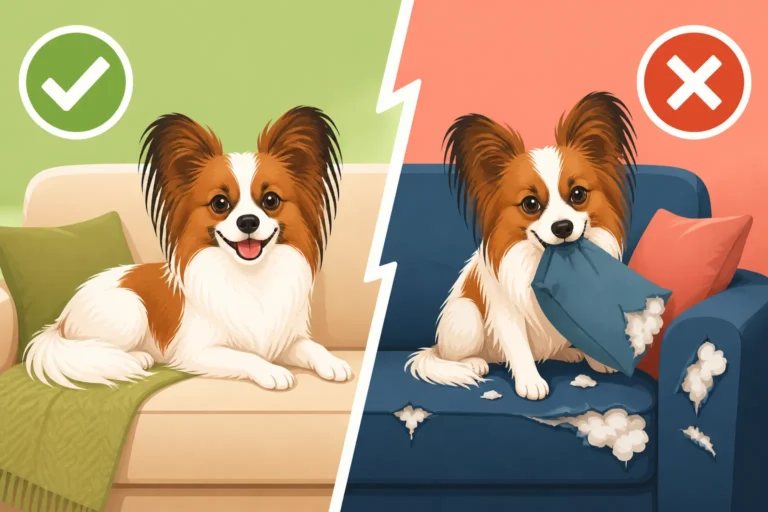
It's a common narrative, isn't it? The tiny dog, yapping incessantly, carried everywhere, seemingly oblivious to basic manners. This stereotype, unfortunately, leads many small dog owners to believe that training to a high standard, like CGC, is either unnecessary or impossible for their pint-sized companions.
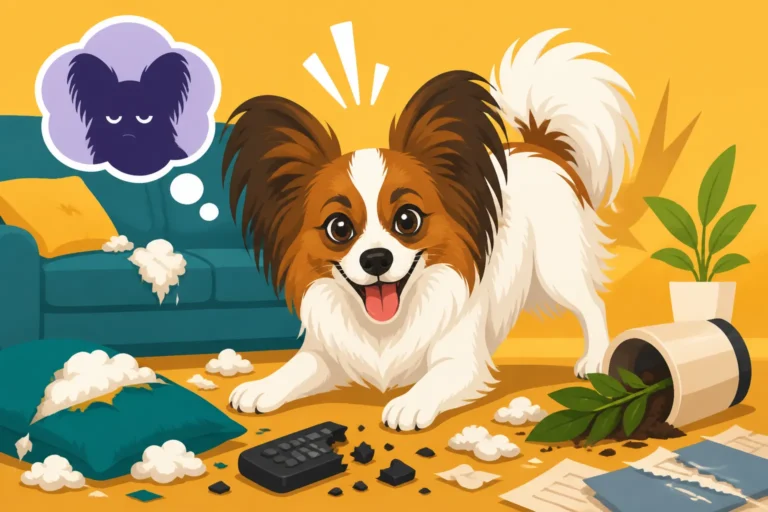
One major reason for this perception is the "small dog syndrome," where owners inadvertently allow behaviors in small dogs that they would never tolerate in a large dog. A Great Dane jumping on guests is quickly corrected; a Papillon doing the same might be met with an "aww, he's just excited!" This lack of consistent boundaries leads to dogs who aren't as well-mannered as they could be. Moreover, some folks believe small dogs are fragile or delicate, and don't need rigorous training or socialization. This often means they’re not exposed to enough new people, places, or other dogs, which can lead to shyness, fear, or reactivity – all things that make passing a CGC test challenging.
There's also a mistaken belief that the CGC test is geared towards working breeds or larger dogs. In reality, the criteria are universal and focus on foundational good citizenship that every dog, regardless of size, can and should achieve. The exercises are practical, common-sense applications of manners, not physical feats. The good news is, Papillons are uniquely equipped to defy these expectations and prove themselves as truly excellent canine citizens.
Why the Papillon Excels at CGC Requirements
Despite being classified as a toy breed, the Papillon is far from a delicate, ornamental lapdog. These spirited, intelligent little dogs possess a remarkable combination of traits that make them exceptional candidates for the Canine Good Citizen test. They’re often underestimated, which is a mistake!
Intelligence and Trainability
If you’ve spent any time with a Papillon, you know they are incredibly smart. They consistently rank among the most intelligent breeds, often surprising people who only see their elegant, butterfly ears. The Papillon Is the Smartest Toy Breed There Is isn't just a catchy phrase; it's a statement backed by their quick learning ability and eagerness to please.
Their sharp minds mean they pick up on new commands and concepts with remarkable speed. Unlike some breeds that require endless repetitions, a Papillon often grasps what you're asking after just a few tries. This isn't to say training is effortless – consistency is always key – but your Papillon is likely to understand what you want quickly. This rapid learning curve makes teaching the "sit," "down," "stay," and "come" commands for the CGC test a much smoother process. They thrive on mental stimulation, and training provides an excellent outlet for their active brains. A Papillon who is engaged and learning is a happy Papillon, and a happy Papillon is a well-behaved Papillon. They love the interaction and praise that comes with successful training, making them incredibly rewarding partners. How Fast a Papillon Learns a New Cue highlights just how quickly they can master new skills.
Temperament and Socialization
Beyond their brains, Papillons generally possess a wonderfully adaptable and friendly temperament. While individuals vary, the breed standard calls for an alert, intelligent, and friendly dog that is neither shy nor aggressive. This natural disposition is a huge asset for the CGC test.
For items like "Accepting a Friendly Stranger" and "Sitting Politely for Petting," a well-socialized Papillon will typically approach new people with curiosity rather than fear or excessive exuberance. They are often outgoing and enjoy being the center of attention in a polite way. Early and consistent socialization is paramount here. Exposing your Papillon puppy to a wide variety of sights, sounds, people, and other well-behaved dogs from a young age helps build their confidence and prevents fear-based behaviors. A Papillon that has positive experiences with children, other adults, and even How a Papillon Behaves With Large Dogs will be much more relaxed in new situations, which is crucial for the "Walking Through a Crowd" and "Reaction to Another Dog" components of the test. While some Papillons can be prone to barking, their inherent friendliness usually means they want to engage rather than retreat or act aggressively, and with proper guidance, that eagerness can be channeled into polite interactions.
Handling and Grooming for the Test
The "Appearance and Grooming" portion of the CGC test is straightforward, but it requires your dog to be comfortable with being touched all over, including their ears, paws, and tail. For a Papillon, with their delicate frames and long, flowing coats, this means starting early and making handling a positive experience.
Begin by gently touching your Papillon's ears, lifting their paws, and running your hands over their body every day. Pair these touches with high-value treats and praise. This teaches them that handling is not something to fear, but rather a normal, even pleasant, part of life. You can use a soft brush you find on Amazon to simulate grooming without causing discomfort. If your Papillon is prone to being sensitive about their feet or ears, work slowly and patiently. The goal is for them to calmly accept the evaluator's touch without flinching, pulling away, or becoming defensive. This isn't just for the test; it makes vet visits, nail trims, and everyday grooming so much easier for both of you. Consistent positive reinforcement during these sessions will build a strong foundation of trust and cooperation, essential for your Papillon to confidently present themselves for examination. Some online training platforms, like BAXTER & Bella, offer modules that specifically address desensitization to handling, which can be a game-changer for shy or sensitive dogs.
| CGC Test Item | Papillon Strength in this Area | Potential Challenge & Solution |
|---|---|---|
| Accepting a Friendly Stranger | Naturally friendly and curious. | Can be overly enthusiastic (jumping) if not taught manners. |
| Sitting Politely for Petting | Generally enjoys attention. | May wiggle or try to "kiss" if not taught to stay calm. |
| Appearance and Grooming | Adaptable to handling with early positive exposure. | Delicate structure, requires gentle handling practice. |
| Walking on Loose Leash | Eager to please, intelligent to learn quickly. | Can get distracted by sights/sounds if not consistently trained. |
| Walking Through a Crowd | Confident in new environments if well-socialized. | Can be prone to barking at novelties; requires desensitization. |
| Sit & Down / Stay in Place | Highly intelligent, learns commands quickly. | May break stay if tempted by handler moving too far or distractions. |
| Coming When Called | Strong bond with owner, high food/toy drive. | Can be easily distracted outdoors; proofing in varied settings is key. |
| Reaction to Another Dog | Typically friendly, but can be vocal. | May bark or try to initiate play; teach neutrality from a distance. |
| Reaction to Distractions | Alert but generally resilient. | Startled by sudden loud noises; practice calm recovery. |
| Supervised Separation | Can be confident alone with proper training; often enjoys people. | Some may whine or bark if not accustomed to short separations. |
Practical Steps to Prepare Your Papillon for CGC
Preparing your Papillon for the Canine Good Citizen test is a journey that strengthens your bond and hones their manners, making them an even more delightful companion. It's about consistent training, patience, and making learning fun.
Mastering Basic Obedience Cues
The foundation of the CGC test lies in solid basic obedience. Your Papillon needs to understand and reliably perform cues like "sit," "down," "stay," and "come." The good news is that Papillons, being such clever cookies, tend to pick these up quickly.
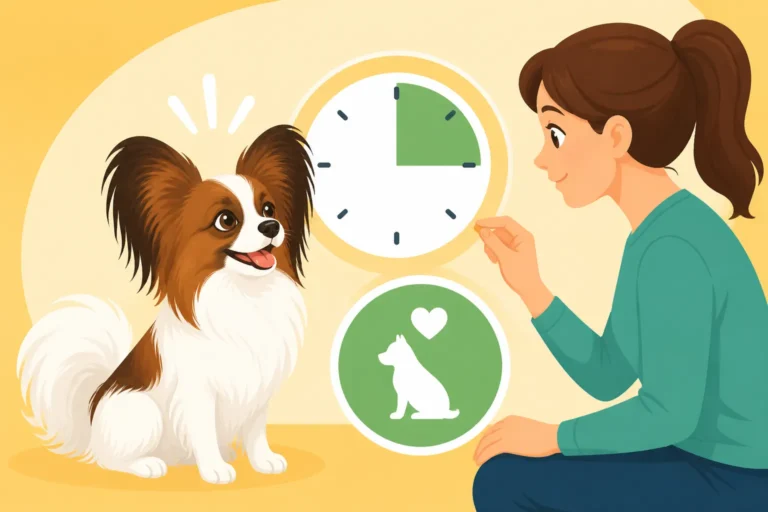
Start in a quiet environment with minimal distractions. Use positive reinforcement – delicious, tiny training treats and enthusiastic praise work wonders. Because Papillons are often highly motivated by food and attention, these rewards can keep them engaged. For "sit" and "down," use a lure (a treat in your hand) to guide their body into position, then mark the behavior (a clicker or a verbal "yes!") and reward. Practice these short, frequently, throughout the day. Don't bore your Papillon with endless drills; a few minutes several times a day is far more effective. What Motivates a Papillon delves into finding your dog's ultimate reward.
The "stay" command can be challenging. Start with very short durations (a second or two) and minimal distance. Gradually increase both, always returning to reward your Papillon before they break the stay. If they move, gently guide them back to the original spot and try again. For "come," make it the most rewarding thing ever! Start close, call their name, back up, and throw a party when they reach you. Use special, high-value treats they only get for "come." Consistency is paramount, and remember When to Start Training a Papillon Puppy – the earlier, the better!
Socialization Beyond the Home
The CGC test requires your Papillon to be comfortable and well-behaved in various public-like scenarios. This means their socialization needs to extend far beyond your living room. A Papillon that isn't regularly exposed to new experiences can become timid, fearful, or even reactive, which will make passing the test very difficult.
Think about places you can safely expose your Papillon to new sights, sounds, and smells. This could be a local pet-friendly hardware store, a quiet park (at a distance from other dogs initially), or even just sitting on a bench outside a coffee shop. The goal is not necessarily interaction, but desensitization – showing them that the world is a generally safe and interesting place. Expose them to people of different ages, genders, and appearances. Make sure these experiences are always positive, with lots of treats and praise for calm behavior. If your Papillon seems overwhelmed, increase the distance or shorten the exposure. For the "Reaction to Another Dog" item, practice walking past other dogs at a distance where your Papillon can notice them but not react. Gradually decrease the distance as they become more comfortable. You want to teach them to acknowledge other dogs politely and then re-focus on you. How a Papillon Greets a Stranger outlines the ideal polite greeting behavior you’re aiming for.
Desensitization to Handling and Distractions
Beyond basic manners, the CGC test throws in a few curveballs to assess your Papillon’s resilience and composure. The "Appearance and Grooming" component requires your dog to accept handling from a stranger. The "Reaction to Distractions" item tests their ability to recover from unexpected noises or movements.
To prepare for handling, continue the daily practice of gently touching your Papillon all over, rewarding them for stillness. Have friends or family members (who are not involved in their daily training) practice handling them, starting with very brief touches and gradually increasing the duration and areas touched. This simulates the evaluator's examination. For the distractions, you can create controlled scenarios at home. Gently drop a set of keys, clap your hands loudly, or make a sudden movement, then immediately reward your Papillon for remaining calm or quickly recovering their composure. Gradually introduce these in busier environments. The key is to teach them that startling noises are followed by good things (treats!) and that you are there to keep them safe.
For the "Supervised Separation" item, practice leaving your Papillon with a trusted friend or family member for short periods, first within sight, then out of sight. Start with just a minute or two, and gradually build up to the three minutes required for the test. Ensure they have a comfortable spot and a special chew toy to occupy them. If your dog struggles with being left alone, resources like BAXTER & Bella's online programs often have specific training plans for building confidence and reducing separation anxiety. Building this confidence is important for Whether a Papillon Suits an Apartment living or any time they need to be left briefly.
Common Challenges and How to Overcome Them
Even with their intelligence and willingness to learn, Papillons can present a few specific challenges when preparing for the Canine Good Citizen test. Recognizing these potential hurdles beforehand allows you to address them proactively, turning weaknesses into strengths.
The Barking Papillon
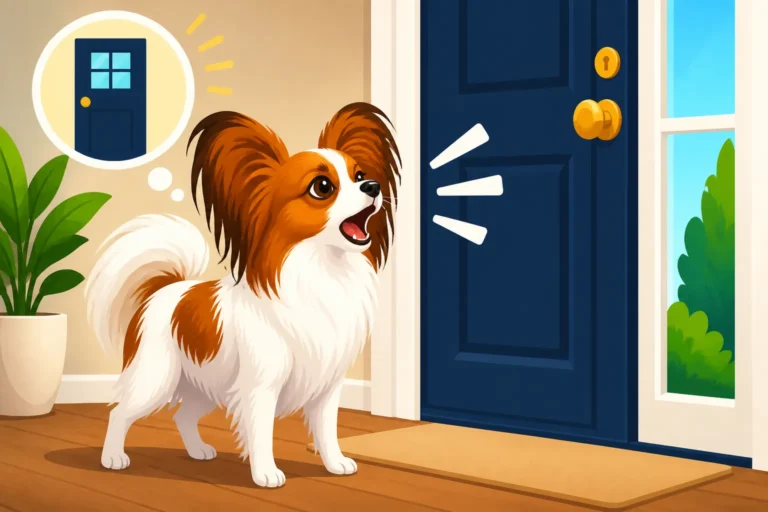
Let's be honest, Papillons can be quite vocal. Their alert nature means they're often the first to notice anything new or unusual in their environment, and they're not shy about announcing it. This can become a significant hurdle for CGC items like "Walking Through a Crowd" or "Reaction to Another Dog," where excessive barking will lead to a fail. The Papillon That Barks at Everything is a topic many Papillon owners know all too well!
The key here is to teach your Papillon a "quiet" cue and to manage their environment. When your Papillon barks, acknowledge what they're barking at, but then immediately interrupt the barking. This isn't about scolding, but about redirecting. You can use a specific word like "Quiet!" and then reward them the instant they stop barking, even for a split second. Gradually increase the duration of silence before the reward. For environmental management, try to limit their ability to "patrol" windows if outside triggers are a major issue. When practicing in public, keep a safe distance from potential barking triggers (other dogs, children playing loudly). Reward calm observation of these triggers, rather than barking. If they do bark, move further away until they can remain calm, then slowly work closer again. A solid "look at me" cue can also be invaluable to redirect their attention from a perceived threat or novelty back to you before the barking starts.
Leash Etiquette and Distractions
While Papillons are small, a pulling Papillon can still be annoying and disruptive. For the "Out for a Walk" and "Walking Through a Crowd" portions of the CGC test, a loose leash is paramount. Additionally, their keen intelligence and curiosity, while usually a boon, can sometimes lead to them being easily distracted by every leaf, scent, or movement on a walk.
Loose leash walking starts with consistency. Any time your Papillon pulls, even slightly, stop walking immediately. Don't move forward again until the leash is slack. This teaches them that pulling gets them nowhere. When they walk nicely by your side, reward them frequently. You can use a front-clip harness, available on Amazon and many other pet retailers, which can help reduce pulling by redirecting their momentum. For distractions, practice in increasingly distracting environments. Start in your quiet backyard, move to a quiet street, then a slightly busier park. When your Papillon notices a distraction but chooses to re-engage with you or continues walking calmly, that's your cue to reward them heavily. Teach a strong "leave it" cue for interesting smells or objects on the ground. Remember, a Papillon’s attention span might be shorter than a larger dog, so keep these practice sessions brief and positive.
Maintaining Focus in a New Environment
The CGC test is held in a novel environment, which can be overwhelming for some dogs. All the previous training you've done in familiar settings needs to hold up under the pressure of new smells, sounds, and an unfamiliar evaluator. A Papillon that struggles to maintain focus in a new environment might miss cues or become overly distracted during the test.
To address this, systematically introduce your Papillon to various new locations. Don't just show up to the test location on test day; visit it, or similar venues, beforehand if possible. Practice short training sessions in these new spots. Start with very simple commands, like "sit," and build up to more complex sequences. Bring extra-special treats, those irresistible, high-value rewards that your Papillon only gets for extraordinary effort. The novelty of the environment itself can be distracting, so make you the most interesting thing in the room. Engage them in short bursts of play, work on fun tricks, and make eye contact. By gradually exposing them to diverse environments and consistently rewarding their focus on you, you're teaching your Papillon that no matter where you are, listening to you is always the most rewarding choice. What a Papillon Needs Every Day includes mental stimulation, and varying training locations is a great way to provide that.
Ultimately, with their smarts, eager-to-please nature, and a good dose of consistent, positive training, a Papillon is an outstanding candidate for the Canine Good Citizen test. Don't let their small stature fool you or the stereotypes deter you. They love to learn, they love to please their people, and they thrive on proving just how capable they are. By putting in the work, you'll not only earn that CGC title but also build an even stronger, more respectful, and joyful relationship with your intelligent and charming little butterfly dog.
Disclaimer
This article is for general informational purposes only and does not constitute professional advice. Laws, prices and regulations vary by location and change over time. Consult a qualified professional for guidance on your specific situation.