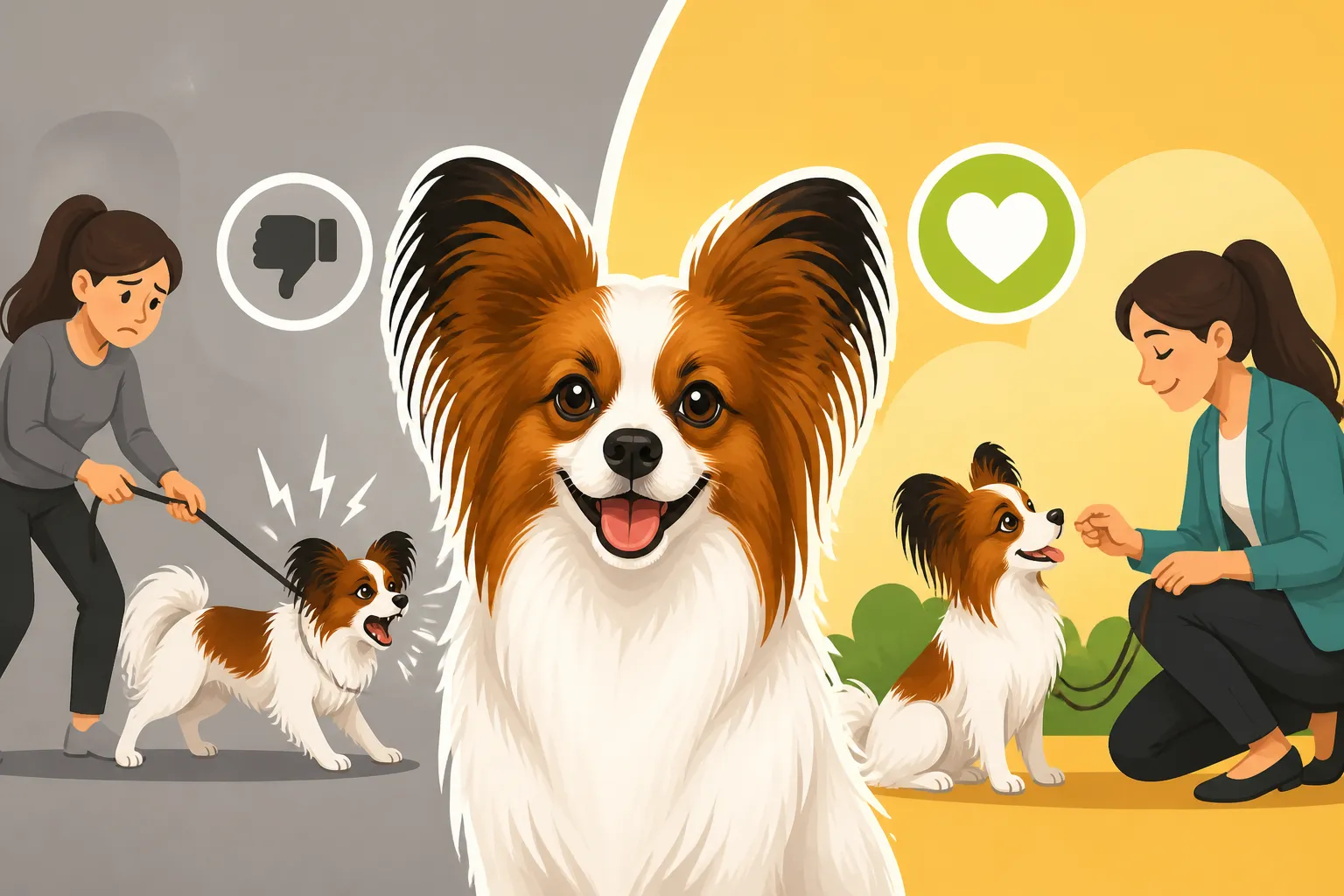
What a Papillon Handler Does Differently
Bringing a Papillon into your life is an absolute joy, but it’s also a commitment to understanding a truly unique personality. Many people look at these elegant, butterfly-eared companions and assume they're delicate lap warmers, content to just sit pretty. The reality, however, is that Papillons are highly intelligent, surprisingly sturdy little athletes with big personalities that require a specific handling approach. This guide will walk you through the distinct ways a Papillon handler operates, from training strategies to managing their boundless spirit, ensuring a happy, well-adjusted life for your energetic little friend.
Understanding the Unique Papillon Psyche
Before we even talk about specific actions, it's crucial to grasp the fundamental nature of a Papillon. These aren't just small dogs; they possess a distinct psychological makeup that sets them apart from many other breeds, both large and small. Their intelligence, combined with a confident and often fearless demeanor, means they require a handler who is just as sharp and consistent.
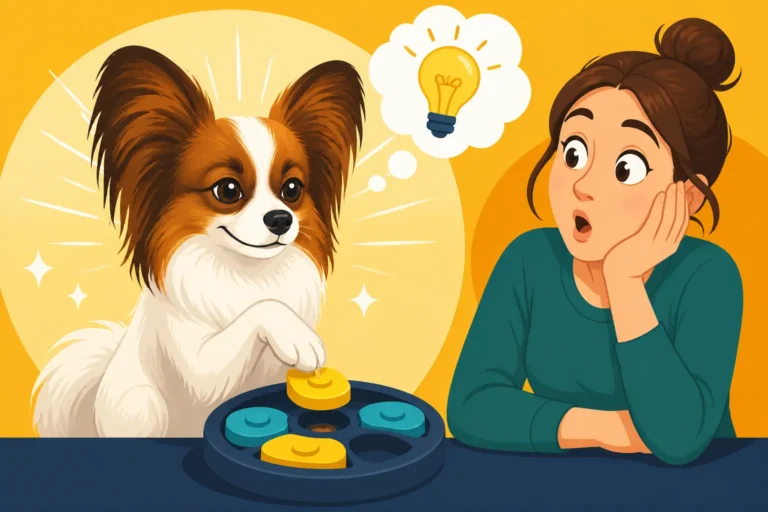
They rank incredibly high in canine intelligence, often cited among the top ten smartest breeds overall. This isn't just a fun fact; it profoundly impacts how you interact with them. A Papillon will pick up on patterns, cues, and your emotions with astonishing speed. They're quick to learn, which is fantastic for training, but it also means they can learn undesirable behaviors just as quickly if you're not careful. If you're inconsistent, they'll learn that inconsistency, and then you'll find yourself wondering why your clever little dog is suddenly a master manipulator of your routine. Their minds are constantly whirring, seeking engagement and understanding, and if you don't provide that mental stimulation, they'll find their own entertainment, which might not always align with your household rules.
Furthermore, a Papillon truly A Papillon Has No Idea It Is Small. They carry themselves with an air of self-importance and fearlessness that can sometimes be charming, and other times, downright terrifying for their human. They will happily confront a dog ten times their size, not out of malice, but out of sheer confidence and often, a lack of understanding of potential danger. This inherent boldness means you, as their handler, need to be their protector and advocate, constantly scanning their environment for potential hazards. It also means you need to foster this confidence positively, rather than letting it devolve into bossiness or aggression. You're shaping a tiny lion, not a timid mouse, and that requires a delicate balance of encouragement and firm, gentle guidance.
Finally, their sensitivity is paramount. While they are bold, they are also incredibly attuned to their human's mood and tone. Harsh corrections, loud voices, or physical punishment are not only ineffective for a Papillon, but they can actively damage your relationship and break their spirit. Why Harsh Correction Fails on a Papillon is simple: they shut down, become fearful, or, conversely, become more reactive and defiant. They thrive on positive reinforcement, praise, and gentle encouragement. A soft voice, a happy tone, and high-value treats will achieve far more than any stern command. They want to please you, but they also need to feel safe and respected in the process. Your handling style, therefore, needs to be as nimble and intelligent as they are, constantly adapting to their nuanced responses.
Tailoring Training Techniques for a Tiny Dynamo
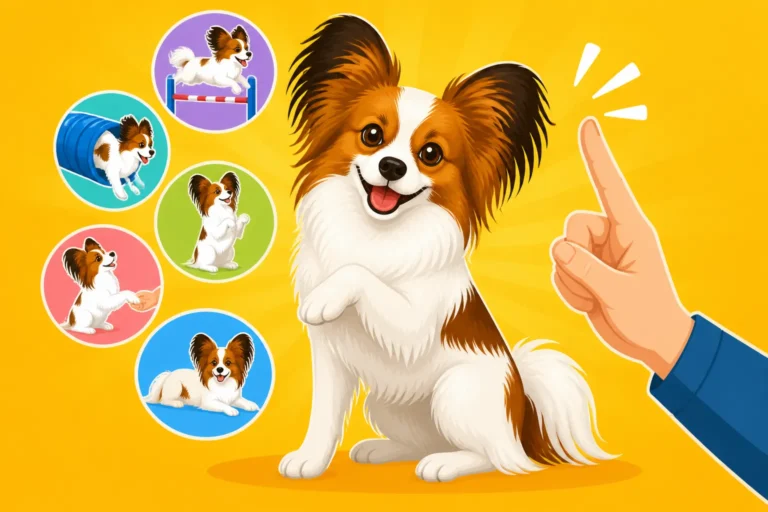
Given their unique mental and physical attributes, Papillon handlers need to adapt their training techniques significantly. What works for a Labrador or a German Shepherd simply won't cut it for these pint-sized powerhouses. It’s all about precision, positivity, and protection.
Firstly, positive reinforcement isn't just a suggestion; it's the bedrock of successful Papillon training. These dogs respond incredibly well to rewards, whether it's a tiny, delectable piece of chicken, a favorite squeaky toy, or enthusiastic praise. Their desire to engage and please, combined with their intelligence, means they'll quickly connect actions with positive outcomes. Keep your training sessions short and sweet, ideally no more than 5-10 minutes at a time, to maintain their focus and enthusiasm. Longer sessions risk boredom and frustration, which can be counterproductive for such a smart dog. Think of it like teaching a gifted child; they pick things up fast but need variety and engagement to stay interested.
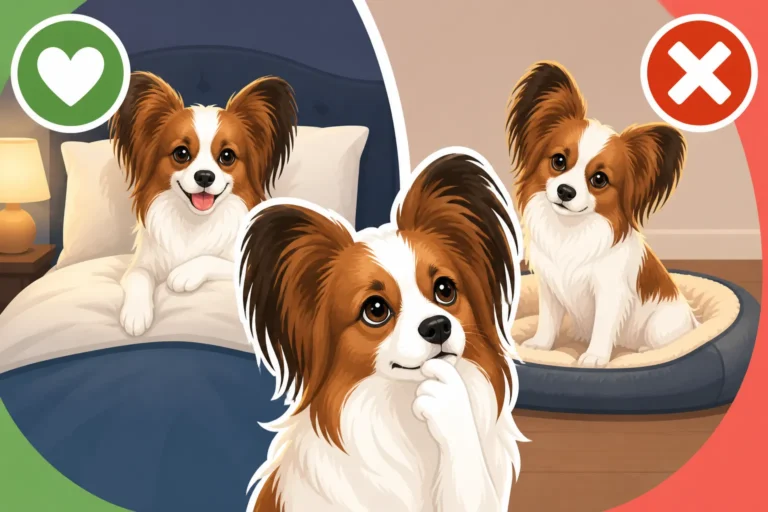
When it comes to physical considerations, protecting their delicate structure is a constant priority. Setting Up a House That Protects a Papillon's Knees is essential. This often means providing ramps or steps for furniture, preventing them from leaping off sofas or beds, which can put immense strain on their small joints, particularly their kneecaps, which are prone to luxation. Whether a Papillon Should Be Stopped From Jumping Off Furniture is a resounding yes; it's a non-negotiable part of responsible Papillon ownership. During walks, a harness is almost always preferred over a collar. Their tracheas are delicate, and even a slight tug on a collar can lead to coughing or, worse, tracheal collapse. Using a well-fitting, comfortable harness distributes pressure across their chest, protecting their neck. For those looking for comprehensive training resources that understand these unique needs, online programs like those offered by BAXTER & Bella can be incredibly helpful, providing structured guidance that you can adapt to your Papillon’s specific quirks right from the comfort of your home. They often have modules on positive reinforcement and early puppy socialization, which are perfect for a Papillon.
House training a Papillon can also be a bit of an endurance test, and handlers need extra patience and consistency. How Long House Training a Papillon Takes varies wildly, but it's often longer than with larger breeds. Their tiny bladders mean they need to go out much more frequently, especially as puppies. Establishing a strict potty schedule, rewarding success generously, and cleaning up accidents thoroughly without punishment are key. Many Papillon owners find success with designated potty areas, whether it’s a specific spot in the yard or even indoor potty pads, especially in inclement weather, as many Papillons express a strong dislike for rain or cold. Remember, every success is a step forward, and consistency truly is your best friend here.
| Training Aspect | Papillon Handler's Approach | Standard Large Dog Approach |
|---|---|---|
| Pace of Learning | Very fast; anticipate quick grasp of commands, but also quick boredom if not varied. | Moderate to fast, depending on breed; may require more repetition. |
| Correction | Gentle, positive reinforcement only. Harsh tones or physical corrections are detrimental. | Can tolerate firmer vocal corrections (though positive is always best). |
| Session Length | Short (5-10 minutes) to maintain engagement and prevent frustration. | Can handle longer sessions (15-20+ minutes) due to endurance. |
| Physical Safety | Constant vigilance regarding jumps, falls, stairs. Ramps/steps are crucial. Harness use is strongly recommended. | Less concern for minor jumps/falls. Collars are more commonly used. |
| Treats/Motivation | High-value, tiny, easy-to-swallow treats. Variety is key to keep interest. | Can work for kibble or standard treats; larger portions tolerated. |
| Socialization | Carefully managed interactions, especially with larger dogs, prioritizing safety. | Broader range of acceptable social interactions. |
| Barking | Proactive management and teaching a "quiet" cue due to tendency for alert barking. | Less common as a primary behavioral concern for some breeds. |
Navigating Social Interactions and Environmental Challenges
Living with a Papillon means consistently thinking a step ahead to manage their interactions with the world around them. Their bold spirit and small size present unique challenges that demand a proactive and protective handler.
One of the most common traits Papillon owners discuss is their vocal nature. Why a Papillon Barks So Much often boils down to their keen awareness and desire to alert you to everything they perceive. Whether it's the mail carrier, a squirrel in the yard, or a leaf blowing past the window, your Papillon considers it their duty to inform you. As a handler, you need to manage this proactively from puppyhood. Teaching a "quiet" command is invaluable. This isn't about silencing them entirely, but teaching them to alert once or twice and then cease, recognizing that you've got it covered. Early socialization to various sights and sounds can help, but managing their environment (like strategically placed privacy film on windows) can also reduce triggers. It's about channeling their watchdog instincts responsibly, not suppressing their natural communication.
Their fearless attitude, while endearing, also makes How a Papillon Behaves With Large Dogs a critical area of focus. A Papillon will often approach a large dog without a second thought, expecting a polite greeting, and may even be the instigator in a conflict due to their perceived invincibility. It is your responsibility to advocate for your Papillon and ensure their safety. This means carefully vetting playmates, supervising all interactions, and being prepared to intervene. A Papillon handler never assumes another dog will be gentle; they actively manage the situation. Dog parks, while tempting, can be risky for a tiny Papillon due to the sheer size difference and varying play styles of other dogs. Controlled playdates with known, calm dogs are a much safer alternative. Always have an exit strategy or be ready to scoop them up if a situation escalates.
Environmental management extends beyond just other dogs. Given their size, they can easily get lost or injured in busy outdoor spaces. This means a Papillon is almost always leashed in unfenced areas. Their tiny paws and delicate bones also mean you need to be mindful of surfaces – hot asphalt, sharp gravel, or icy patches can be dangerous. A Papillon handler is constantly scanning the ground, anticipating obstacles, and adjusting their route. For mental and physical enrichment, consider indoor agility equipment, like small tunnels or low jumps, which you can find on platforms like Amazon. This allows them to burn off energy and use their incredible intelligence in a safe, controlled environment.
Finally, Papillons form incredibly strong bonds with their families, often leading to Signs a Papillon Has Separation Anxiety if not properly managed. They are often referred to as "velcro dogs" for a reason – they love to be with their people. As a handler, you need to teach them healthy independence from a young age. This involves crate training, practicing short departures, and ensuring they have engaging toys or puzzles when you're away. The goal isn't to make them indifferent to you, but to make them comfortable and confident when they are alone for reasonable periods, knowing you will always return. This balance ensures a secure, confident dog who isn't plagued by anxiety every time you step out the door.
Disclaimer
This article is for general informational purposes only and does not constitute professional advice. Laws, prices and regulations vary by location and change over time. Consult a qualified professional for guidance on your specific situation.