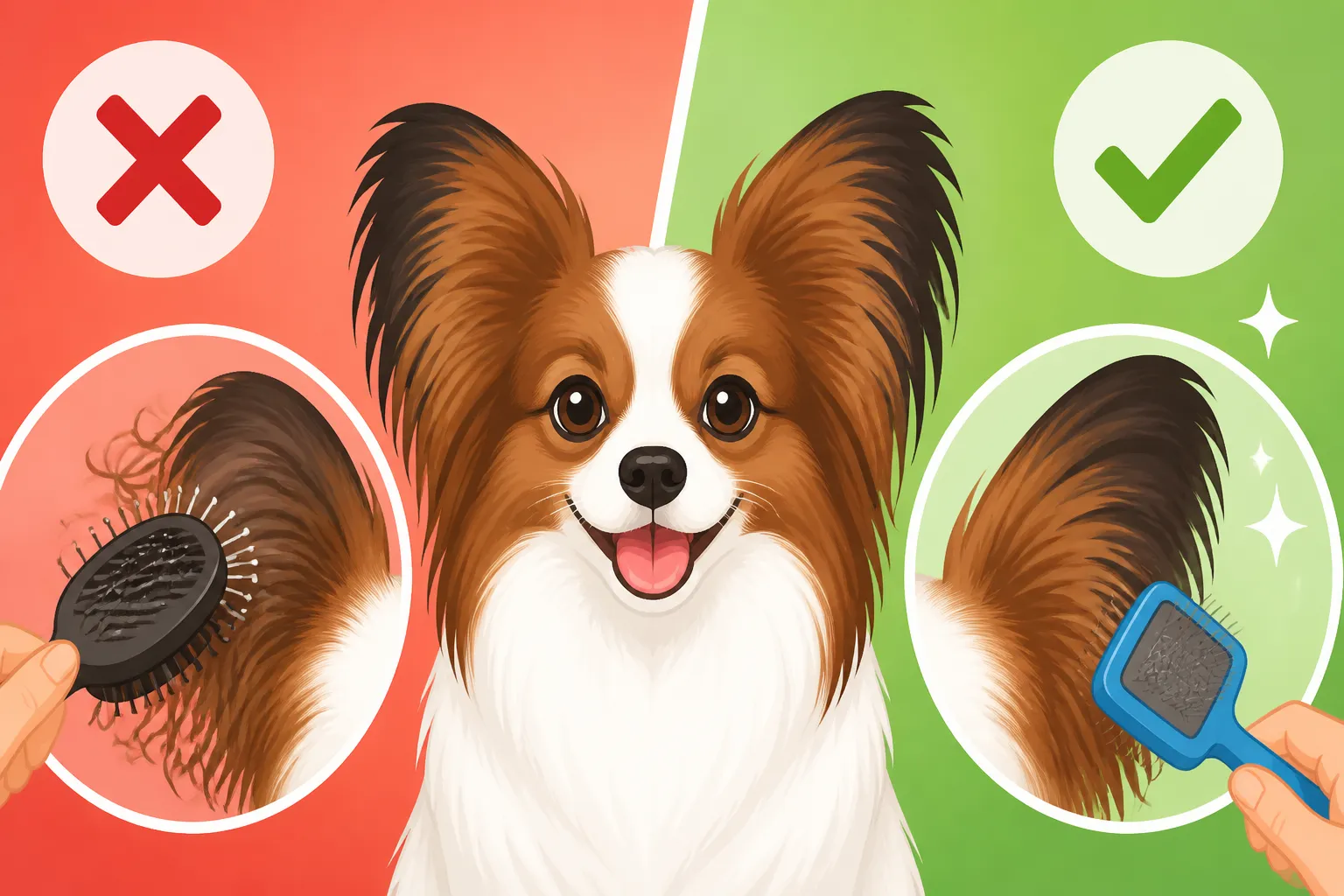
Whether a Papillon’s Ears Should Be Brushed Separately
Oh, those gorgeous, flowing Papillon ears! They’re the breed's signature, truly what gives them their "butterfly" name. But if you've ever owned one, you know those beautiful fringes are also the biggest challenge in their grooming routine. It's not just a matter of running a brush through them with the rest of their coat; their ears demand — and deserve — a dedicated, separate brushing strategy. Neglecting this crucial step can quickly turn those elegant silky cascades into a tangled, uncomfortable mess, leading to painful mats and even skin issues. This guide will walk you through exactly why and how to brush your Papillon's ears separately, ensuring they stay magnificent and mat-free.
The Distinctive Beauty and Vulnerability of Papillon Ears
The Papillon’s ears are truly unique, a standout feature that captures hearts and attention. But this very beauty comes with its own set of responsibilities when it comes to grooming. It’s not just aesthetics; understanding the specific nature of their ear fringe is the first step in mastering its care.
Why the Ear Fringe Is So Special and Prone to Trouble
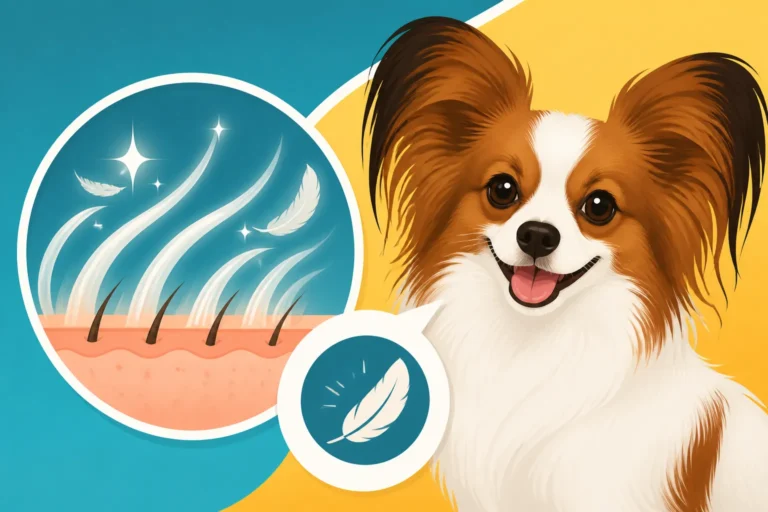
Imagine a delicate silk scarf, flowing and fine. That’s essentially what your Papillon’s ear fringe feels like. Unlike some breeds with denser, coarser hair or an undercoat, the Papillon's ears are adorned with long, single-coated strands that are incredibly soft and, unfortunately, highly susceptible to tangles. This exquisite feathering is what creates that iconic "butterfly" wing effect, fanning out gracefully from their head. We all adore it, but we also know the panic that sets in when we spot a knot forming. The frustration is real when you spend time admiring them, only to find they’ve picked up burrs or decided to self-tangle just by shaking their head after a drink of water. It feels like a constant battle, doesn't it?
The Mechanics of Matting: How and Why It Happens
Mats are essentially clumps of tangled hair that become tightly woven together, often incorporating dirt, dust, and debris. For Papillon ears, these can form alarmingly fast. Think about how active Papillons are – they love to run through grass, stick their heads into bushes, and play with gusto. All these activities introduce foreign objects and friction, which are primary culprits for tangles. Even something as simple as sleeping can create friction against their bedding, leading to knots. Moisture, whether from drinking water, a rainy walk, or a bath, can also tighten existing tangles into dense mats if not dried and brushed properly. Beyond the cosmetic issue, mats pull at the skin, causing discomfort and pain. They also trap moisture and air, creating a perfect breeding ground for bacteria and yeast, which can lead to nasty skin infections hidden underneath the fur.
Comparing Ear Hair to the Rest of the Papillon's Coat
It's a common misconception to treat all of your Papillon's coat the same, but their ear fringe truly requires different handling. While the rest of their body coat is also long and silky, the hair on their ears tends to be even finer and more delicate. This means it has less structural integrity to resist tangles and more easily snags on itself or external elements. If you’ve ever noticed how A Papillon's Coat Is All Fringe and No Undercoat, you'll understand why it's so lightweight and flowing. A general brushing of the body might feel adequate for their back or sides, but it simply won't suffice for the delicate, easily knotted strands that make up their magnificent ears. They require a more focused, gentle, and methodical approach.
Essential Tools and Techniques for Dedicated Ear Grooming
Now that we understand why those beautiful ears need special attention, let's talk about how to give it to them. Having the right tools and knowing the proper techniques can make all the difference in keeping their fringe stunning and mat-free.
Choosing the Right Brushes and Combs for Delicate Ears
You can't just grab any brush for those delicate ears. You need specific tools that cater to the fine, silky texture of the ear fringe. A good quality pin brush, with rounded, polished pins, is your primary workhorse. It glides through the coat, gently separating strands without snagging, and helps distribute natural oils. For lighter tangles or after a bath, a very soft slicker brush can be useful, but use it with extreme caution and a light hand, as aggressive slicker brushing can cause discomfort or even brush burn on their delicate skin. Finally, a metal greyhound comb with both wide and fine teeth is indispensable. The wide teeth are great for initial detangling, and the fine teeth help you find those tiny knots you might miss, especially closer to the ear leather. When shopping for these tools, sites like Chewy or Amazon offer a vast selection, so you can compare options and read reviews to find what works best for your Papillon. You can also explore Which Brush a Papillon Needs for more specific recommendations.
Step-by-Step Method for Brushing Papillon Ear Fringe
Alright, let's get into the actual brushing. The key here is gentleness and patience.
- Positioning: Find a comfortable spot for both you and your Papillon. Many owners find it easiest to have their dog lie down on their side, or sit quietly on their lap. Make sure you have good lighting.
- Sectioning: Gently separate the ear fringe from the rest of the neck and body hair. You might even want to use a hair clip (the kind meant for humans, but a small dog-safe one) to hold the body hair back if it gets in the way.
- Spray (Optional but Recommended): Lightly mist the ear fringe with a detangling spray or a very diluted conditioner. This adds slip to the hair, making it easier for the brush to glide through and reducing breakage.
- Brush from the Bottom Up: Hold the ear leather firmly but gently at the base. Start brushing from the very tips of the hair, working your way up in small sections towards the base of the ear. This prevents pushing tangles further up and creating bigger knots. Use your pin brush first, then follow with the wide-toothed comb to ensure all tangles are out.
- Check for Mats: Once you've brushed the entire ear, run the fine-toothed side of your greyhound comb through the hair from root to tip. If the comb glides through smoothly, you're golden. If it snags, go back to step 4 in that area.
- Repeat on the Other Ear: Give your Papillon a little break, then repeat the process on the other ear.
Imagine trying to brush out your own long, fine hair after a windy day without any detangler – it's frustrating and painful. Applying this same empathy to your Papillon is crucial.
Making Ear Brushing a Positive Experience
No one wants grooming to be a battle, especially not with those sensitive ears! Making ear brushing a positive experience starts early. With puppies, introduce the brush and comb gently, letting them sniff and investigate. Touch their ears frequently, then gently touch them with the brush for just a second, followed immediately by a high-value treat and praise. Gradually increase the duration of brushing. For older dogs, if they're already wary, start with very short sessions – literally just one or two strokes – and always end on a positive note with treats and affection. Associate the brush with good things. A chew toy or a lick mat can also be a wonderful distraction during brushing sessions. The goal is for them to see the brush coming and think "treats!" rather than "oh no!"
Proactive Care: Preventing Mats and Maintaining Ear Health
Brushing is vital, but prevention is always better than cure, especially when it comes to those delicate Papillon ears. Incorporating proactive measures into your daily routine can significantly reduce the incidence of mats and contribute to overall ear health.
Everyday Strategies to Minimize Tangles
Life happens, and Papillons are active little dogs! But there are simple ways to protect those glorious ears. When your Papillon is eating or drinking, their ear fringe can dip into their food or water, leading to sticky, matted clumps. Consider using a narrow, elevated bowl, or investing in a "snood" – a fabric tube that covers their ears, keeping them clean and dry. These are also fantastic for protecting their ears when they're playing outdoors, especially if they love to dash through tall grass or explore brushy areas. Think of it like putting your own long hair in a ponytail before a workout. Regular brushing, even a quick run-through with a pin brush, after a particularly active play session or a windy walk can catch small tangles before they escalate. For more tips on keeping that fringe looking its best, check out How to Keep a Papillon's Ear Fringe Full.
The Role of Diet and Supplements in Coat Health
You know the saying, "you are what you eat," and that applies just as much to our furry friends! A healthy coat, including the delicate ear fringe, starts from within. A high-quality diet rich in essential fatty acids, particularly Omega-3s and Omega-6s, can dramatically improve skin and coat health. These nutrients nourish the hair follicles, leading to stronger, healthier strands that are less prone to breakage and, consequently, less likely to mat. If your Papillon’s coat seems dry or brittle, it might be worth looking at their diet. Brands like Ollie offer fresh, human-grade food that can be a game-changer for overall health and coat quality. Alternatively, you can find excellent Omega-3 supplements, like fish oil, readily available on platforms like Chewy or your local pet supply store, which can be easily added to their regular meals. Always consult your vet before adding any supplements to your dog's diet, of course.
Regular Inspection and Cleaning for Overall Ear Wellness
Beyond just brushing, it's crucial to regularly inspect and clean your Papillon's ears. This isn't just about preventing mats; it's about maintaining their overall ear health. Lift their beautiful ear fringe periodically and take a good look at the ear leather. Are there any signs of redness, swelling, or discharge? Does it smell yeasty or otherwise unusual? A healthy ear should be clean, pale pink, and free of strong odors. Gently wipe the visible parts of the ear with a cotton ball dampened with a veterinarian-approved ear cleaner. Avoid sticking anything deep into the ear canal. This helps remove wax and debris that could contribute to irritation or infection. This routine inspection allows you to catch potential problems early. For detailed guidance on cleaning, refer to Whether a Papillon's Ears Should Be Wiped and What to Clean a Papillon's Ears With.
Troubleshooting Common Ear Grooming Challenges
Even with the best intentions and the most consistent routine, sometimes you’ll hit a snag (pun intended!). Dealing with stubborn mats or a resistant Papillon can be frustrating, but there are ways to approach these challenges effectively.
Tackling Stubborn Mats and Knots
Finding a tight mat in your Papillon's delicate ear fringe can feel like a disaster. The absolute worst thing you can do is try to yank or pull it out – this will cause immense pain and discomfort for your dog, potentially making them fearful of future grooming sessions. Instead, arm yourself with patience. First, try sprinkling a little cornstarch or talcum powder on the mat. This can help lubricate the hairs, making them easier to separate. Then, use your fingers to gently try and tease the mat apart, strand by tiny strand, starting from the outermost edge. Once you’ve loosened it a bit, use the tip of a fine-toothed comb or a special mat-splitting tool (use these with extreme caution and only if you’re confident, as they can cut skin easily) to carefully work through it. If a mat is too tight or too close to the skin, please, resist the urge to cut it out with scissors. It's incredibly easy to accidentally cut your dog's skin, which is paper-thin behind their ears. In such cases, a trip to a professional groomer is always the safest bet. They have specialized tools and expertise to remove even the most stubborn mats safely. For more guidance on this tricky topic, see When a Mat Should Be Cut Out of a Papillon.
Handling a Papillon Who Dislikes Ear Brushing
It's disheartening when your little Papillon flinches or tries to run away at the sight of the brush. If your dog has developed an aversion to ear brushing, it's often due to a negative past experience – perhaps a painful snag or an overly long session. The key to turning this around is to re-establish trust and positive associations. Go back to basics:
- Short and Sweet: Start with incredibly short sessions, perhaps just one or two gentle strokes.
- Treats, Treats, Treats: Immediately follow each successful stroke (or even just allowing you to touch their ears with the brush) with a high-value treat and enthusiastic praise.
- Gentle Touch: Always be extra gentle. Avoid any pulling or harsh movements.
- Positive Association: Keep the brush somewhere accessible, and occasionally touch it to their ear very briefly, giving a treat, without actually brushing. This helps them associate the sight of the brush with good things.
- Distraction: A lick mat smeared with peanut butter or a favorite chew toy can also work wonders to keep them occupied while you work.
Consistency and endless patience will gradually rebuild their confidence and make ear brushing a much less stressful event for both of you.
Recognizing Signs of Ear Problems Beyond Mats
While mats are a common ear issue, it's important to be vigilant for other, more serious problems. During your regular ear inspections and brushing sessions, keep an eye out for any unusual symptoms that could indicate an underlying health issue. Excessive head shaking, persistent scratching at their ears, a foul odor emanating from the ear, any discharge (waxy, dark, or pus-like), redness or inflammation inside the ear flap, or sensitivity/pain when you touch their ears are all red flags. These could be signs of ear infections (bacterial or yeast), ear mites, foreign bodies lodged in the ear canal, or even allergies manifesting in their ears. If you notice any of these symptoms, don't try to treat it yourself with home remedies. A prompt visit to your veterinarian is crucial for proper diagnosis and treatment. Early intervention can prevent a minor issue from becoming a more painful and difficult-to-treat problem. For a deeper dive into ear infections, take a look at Whether a Papillon Gets Ear Infections.
Integrating Ear Care into Your Papillon's Full Grooming Routine
Proper ear care isn't a standalone event; it's a critical component of your Papillon's overall grooming regimen. When seamlessly integrated, it becomes a natural and stress-free part of keeping your butterfly dog happy, healthy, and looking their absolute best.
Developing a Consistent Grooming Schedule
For those magnificent Papillon ears, consistency is truly king. Ideally, a quick, gentle brush-through of their ear fringe should happen daily. This allows you to catch any tiny tangles before they develop into stubborn mats and helps to distribute natural oils, keeping the hair healthy and shiny. If daily isn't feasible, aim for every other day at minimum. Think of it as a small, regular investment that prevents a much larger headache later on. When considering your broader grooming routine, decide when ear brushing fits best. Some owners prefer to do it first thing in the morning, others in the evening while relaxing, and still others combine it with a full-body brush-out a few times a week. The most important thing is that it happens regularly. For more on overall coat care, refer to How Often a Papillon Needs Brushing.
The Bathing Process and Ear Care
Bathing a Papillon can be a joyous (or slightly chaotic!) experience, but it's vital to incorporate ear care into this process. Never bathe a Papillon with mats in their ears. Water will only tighten those mats, making them incredibly difficult and painful to remove later. Always perform a thorough ear brushing before bathing to ensure all tangles are gently worked out. During the bath itself, be very careful not to get water directly into your Papillon's ear canals, as this can lead to ear infections. Cotton balls placed gently into the outer ear canal (never pushed deep!) can help create a barrier. After the bath, the drying process is paramount. Those silky ear fringes can hold a surprising amount of water. You'll need to thoroughly dry them, ideally with a low-heat blow dryer while brushing, to prevent mats from forming as the hair dries. Don't let them air dry completely, as this can lead to tangles. For detailed bathing tips, you might find Whether a Papillon Should Be Brushed Before Bathing and How to Dry a Papillon helpful.
When Professional Groomers Become Your Best Friend
Let’s be honest, sometimes life gets in the way, or a mat becomes simply too daunting to tackle yourself. There's absolutely no shame in reaching out to a professional groomer. In fact, for many Papillon owners, a skilled groomer becomes an invaluable partner in maintaining their dog's coat, especially those delicate ears. Professional groomers have specialized tools, techniques, and the experience to handle even the most challenging mats safely and with minimal stress to your dog. They can also offer advice on products and routines tailored to your Papillon's specific coat type. If you're struggling with severe matting, or if your Papillon has become particularly sensitive to ear handling, a professional groomer can be a lifesaver. Think of them as the experts who can reset the canvas, allowing you to maintain it more easily afterwards. When choosing a groomer, look for one who is experienced with long-coated breeds and understands the unique needs of a Papillon's delicate ears. For further insights on seeking professional help, read Whether a Papillon Needs a Professional Groomer.
Here’s a quick overview of some essential grooming tools for those beautiful Papillon ears:
| Tool Type | Best Use for Papillon Ears | Key Benefit | Caution |
|---|---|---|---|
| Pin Brush | Daily gentle brushing, distributing natural oils | Detangles without pulling, gentle on skin | Ensure pins have rounded tips; avoid stiff bristles |
| Slicker Brush | Removing small tangles, fluffing | Effective for light mats, adds volume | Use very gently, can cause brush burn if harsh |
| Greyhound Comb | Sectioning hair, checking for hidden mats, precision | Detects small tangles, works out knots | Can pull if forced; always use after brushing |
| Dematting Rake | (Use with extreme caution!) Severe mat removal | Cuts through dense mats | Easy to cut skin or remove too much hair |
Disclaimer
This article is for general informational purposes only and does not constitute professional advice. Laws, prices and regulations vary by location and change over time. Consult a qualified professional for guidance on your specific situation.