How Often a Papillon’s Ears Need Cleaning
One of the most common worries Papillon owners have is keeping those magnificent, fringed ears clean and healthy without causing distress. It's a valid concern, as their delicate ear structure and fine, long hair can sometimes feel like a magnet for dirt, debris, and potential issues. This guide will walk you through everything you need to know about maintaining your Papillon's ear health, from establishing a cleaning routine to spotting potential problems before they become serious.
Understanding Your Papillon's Unique Ears And Why They Need Special Attention
When you look at a Papillon, those ears are often the first thing that catches your eye, aren't they? They're iconic, the very feature that gives the breed its "butterfly" name. But beyond their beauty, those ears, particularly the erect variety, have a distinct structure and covering that requires a thoughtful approach to care. It's not just about aesthetics; it's about comfort and preventing common issues that can plague any dog, but especially those with ears like our beloved Paps.
The Papillon's Butterfly Ears: More Than Just Pretty
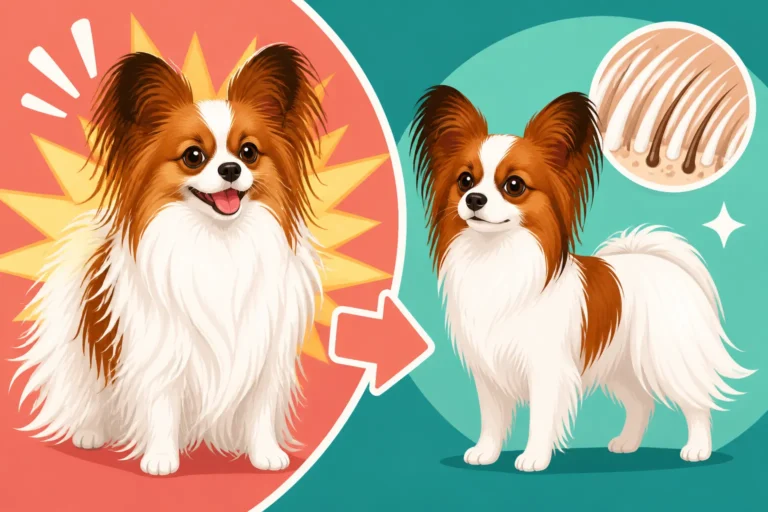
The Papillon’s ears are truly a marvel. Those large, rounded, erect ears, carried obliquely and covered with long, flowing fringe, are central to the breed's identity. Then there's their cousin, the Phalene, with its equally beautiful drop ears, covered with similar luxurious feathering. Both ear types, while visually distinct, share a common characteristic: an abundance of delicate, silky hair. This ear fringe, which can grow quite long, is a signature trait and contributes greatly to their elegant appearance. However, this beauty also presents a unique challenge when it comes to hygiene. The sheer volume of hair, combined with the warmth and natural moisture of the ear canal, can create an environment ripe for trouble if not properly managed. It's a common misconception that because their ears are "open" or "dropped," they're automatically self-cleaning or less prone to issues than, say, a floppy-eared hound. In reality, both styles still demand attention.
The fringe acts almost like a net, catching everything from dust bunnies under the sofa to grass seeds from a romp in the park. Imagine if your hair on your head was that long and flowed around a sensitive area – you'd be extra careful, wouldn't you? It's the same for our Papillons. This means you can't just ignore them between baths. The delicate skin underneath the hair also needs to breathe and remain dry. Over time, accumulated grime or moisture can lead to irritation or worse, so regular, gentle inspection is key to keeping those magnificent butterfly wings (or moth wings, for our Phalene friends) pristine and healthy. Just like their luxurious body coat, which is all fringe and no undercoat, their ear feathering is beautiful but needs careful handling. You can learn more about The Ear Fringe That Gives the Papillon Its Name to appreciate their unique structure even further.
Why Their Ear Anatomy Affects Cleaning Frequency
The internal anatomy of a dog's ear is quite different from a human's, and this is crucial for understanding why regular cleaning is necessary. Dogs have an L-shaped ear canal, with a vertical canal leading down and then a horizontal canal turning inwards towards the eardrum. This design is excellent for hearing, but it also means that dirt, debris, and moisture can get trapped in that "L-bend" and have a harder time draining out naturally. Now, add a Papillon's abundant ear fringe into the mix. This fine hair, while beautiful, can sometimes obscure the ear opening, reducing airflow to the canal. Reduced airflow means a warmer, more humid environment inside the ear, which is exactly what yeast and bacteria love to thrive in.
For a Papillon, especially one with very dense fringe around the ear canal opening, the risk of trapped debris or moisture increases. Even if the outer ear looks clean, there could be hidden gunk deeper inside. This is why a proactive approach is so important. If you just wait for obvious signs of a problem, like scratching or a bad smell, you're already behind the curve. The frequency of cleaning isn't just about how dirty the outside looks; it's about mitigating the factors that predispose them to internal issues, like that L-shaped canal and the dense, flowing hair. It's a delicate balance of keeping the external ear clean and dry, while also allowing the natural ear wax to do its job without becoming excessive or problematic. This balance is key to preventing discomfort and potential infections in such a sensitive area.
How Often Is "Often Enough"? Establishing a Routine
Figuring out the "right" frequency for ear cleaning can feel a bit like guesswork. You don't want to overdo it and irritate sensitive skin, but you definitely don't want to neglect them either. The truth is, there's no one-size-fits-all answer, but there's a good baseline to start with, and then you adjust based on your individual Papillon's needs and lifestyle. It’s about becoming attuned to your dog and understanding the subtle cues their body gives you.
The Baseline: What Most Papillons Need
For the average healthy Papillon with no underlying ear issues, a good starting point for ear inspection and cleaning is about once every two to four weeks. Think of it as part of their regular grooming routine, alongside their How Often a Papillon Needs Brushing schedule. This allows you to keep an eye on things, remove any visible dirt or debris, and catch any early signs of irritation before they escalate.
During this routine check, gently lift the ear fringe and look into the visible part of the ear canal. You're looking for a few key things:
- Color: The skin should be a healthy pink, not red or inflamed.
- Smell: There should be little to no odor. A healthy ear has a very faint, neutral scent.
- Discharge: A small amount of light brown ear wax is normal. Anything excessive, dark, green, yellow, or pus-like is a red flag.
- Hair: While Papillons don't typically grow a lot of hair inside the ear canal itself (unlike some other breeds that require plucking), check for any matting or debris caught in the external ear fringe that might be blocking airflow or pulling on the skin.
If everything looks and smells good during your bi-weekly or monthly check, a light cleaning with a veterinarian-approved ear cleaner on a cotton ball is usually sufficient. This proactive approach helps prevent wax buildup and keeps the environment inhospitable for yeast and bacteria. Consistency is far more important than intensity when it comes to routine ear care.
Factors That Increase Cleaning Frequency
While a monthly or bi-weekly check is a great baseline, several factors can necessitate more frequent ear cleaning for your Papillon. Recognizing these situations will help you adjust your routine and keep your pup comfortable.
1. Activity Level and Environment:
Is your Papillon an outdoor enthusiast? Do they love to run through tall grass, explore dusty trails, or roll around in the leaves? If so, their ears are likely to accumulate more dirt, pollen, and even tiny seeds. A Papillon that spends a lot of time outside, especially in rural or heavily vegetated areas, might need weekly checks and possibly cleaning after particularly adventurous outings. Think about the tiny burrs or foxtails that can easily snag in their delicate ear fringe; these need to be removed promptly to prevent irritation or deeper migration into the canal. Even indoor environments can contribute; if you have a lot of dust or shedding pets, some of that can find its way into your Papillon's ears.
2. Swimming and Moisture Exposure:
Papillons aren't typically avid swimmers, but if yours happens to enjoy a dip, or if they get wet during a bath (especially if water gets into the ear canal), increased vigilance is critical. Moisture trapped in the L-shaped ear canal creates a perfect breeding ground for yeast and bacteria. After any water exposure, it's a good idea to gently dry the outer ear and use a drying ear solution to help evaporate any residual moisture inside. This is more about drying than deep cleaning, but it definitely increases the "care" frequency.
3. Allergies:
Many dogs, including Papillons, suffer from allergies – whether environmental (pollen, dust mites), food-related, or contact allergies. One of the most common manifestations of allergies in dogs is ear inflammation and recurrent infections. If your Papillon has [Signs a Papillon Has Skin Allergies], you might notice their ears become redder, itchier, or produce more wax and discharge, even without a full-blown infection. In these cases, your vet might recommend a more frequent cleaning schedule (sometimes daily during flare-ups) with a specific medicated ear cleaner to manage the inflammation and prevent secondary infections. Dietary changes, possibly with specialized foods available from places like Ollie, might also be discussed with your vet to address food sensitivities that contribute to ear issues.
4. History of Ear Infections:
If your Papillon has a history of ear infections, your vet will likely recommend a more frequent, sometimes weekly, cleaning schedule as a preventative measure. This is especially true for dogs prone to yeast or bacterial infections. Consistent cleaning helps maintain a healthy ear environment and reduces the chances of recurrence. You'll want to be familiar with Whether a Papillon Gets Ear Infections to understand the signs and treatment better.
5. Excessive Wax Production:
Some dogs naturally produce more ear wax than others. If you consistently find a lot of wax buildup during your routine checks, even without signs of infection, you might need to clean more often to prevent blockages or discomfort. This is about managing a natural bodily function that, if left unchecked, could become a problem.
By considering these factors, you can tailor your Papillon's ear cleaning schedule to their individual needs, ensuring those beautiful ears stay healthy and comfortable.
| Factor | Recommended Cleaning Frequency (Adjust from Baseline) | Notes |
|---|---|---|
| Typical Healthy Papillon | Every 2-4 weeks | Routine inspection and light cleaning. |
| Active Outdoor Dog | Weekly, or after heavy outdoor activity | Prone to debris, pollen, and seeds. |
| Swimmer/Water Exposure | After each swim/bath (drying solution) | Focus on drying to prevent moisture buildup. |
| Allergies Present | Weekly, or as vet advises (can be daily during flare-ups) | Managing inflammation and preventing secondary infections. |
| History of Infections | Weekly or bi-weekly | Preventative measure to maintain healthy ear environment. |
| Excessive Wax Production | Weekly or bi-weekly | Prevent blockages and discomfort from natural overproduction. |
The Right Way to Clean Those Delicate Papillon Ears
Cleaning your Papillon's ears isn't a race; it's a gentle, methodical process that requires patience and the right tools. Rushing or being too aggressive can cause pain, build resistance, and even damage their sensitive ear structures. Our goal is to make this a calm, positive experience for both of you, reinforcing the bond you share.
Gathering Your Tools: What You'll Need
Before you even think about touching your Papillon's ears, make sure you have everything laid out and ready. This minimizes fumbling and stress for your dog. You’ll need a few key items, all easily obtainable from pet stores or online retailers like Chewy or Amazon:
- Veterinarian-Approved Ear Cleaner: This is paramount. Do NOT use rubbing alcohol, hydrogen peroxide, or anything not specifically formulated for dog ears. Human products can be irritating or cause damage. A good dog ear cleaner will gently dissolve wax and debris without causing discomfort. Your vet can recommend a specific brand or type, especially if your dog has sensitive skin or a history of infections. Some cleaners are designed to dry the ear, which can be useful after water exposure, while others are purely for general cleaning. You might find great options for What to Clean a Papillon's Ears With specifically.
- Cotton Balls or Cotton Rounds: These are ideal for wiping the visible parts of the ear. Avoid cotton swabs (Q-tips) for going into the ear canal, as these can push debris further down, potentially damaging the eardrum. Save cotton swabs for cleaning the intricate folds of the outer ear only.
- Soft Towel: Have one handy for wiping away excess cleaner or if your Papillon decides to shake their head vigorously (which they probably will!).
- Treats! Plenty of high-value treats are essential for positive reinforcement. You want your Papillon to associate ear cleaning with good things.
- A Helper (Optional but Recommended): Especially when you're starting out, having another person to gently hold your Papillon or distract them with treats can make the process much smoother.
Having everything within reach before you start ensures a less stressful experience for your furry friend and a more efficient cleaning session for you. Remember, consistency and positive reinforcement are your best friends here.
The Step-by-Step Cleaning Process
Now that you have your supplies, let's get those beautiful ears sparkling clean. Remember to be gentle and speak in soothing tones throughout.
Step 1: Get Your Papillon Comfortable and Positioned
Find a quiet, well-lit area where your Papillon feels safe. For smaller dogs like Papillons, a table with a non-slip mat might work best, as it puts them at a comfortable height for you. Give them a few treats just for getting into position. This helps set a positive tone.
Step 2: Inspect the Ear
Gently lift one of your Papillon's ears, moving the delicate fringe out of the way. Take a good look at the visible parts of the ear canal. Check for redness, swelling, unusual odors, excessive wax, or any foreign objects (like those pesky grass seeds). If you see anything concerning beyond normal wax, pause and consult your vet before proceeding with a cleaner. This initial inspection is crucial for catching potential problems early.
Step 3: Apply the Cleaner
Hold the ear flap upright. Carefully squirt the ear cleaner directly into the ear canal, following the product's instructions. Usually, it's enough to fill the canal without overflowing too much. Don't be shy; you need enough liquid to really flush things out. Your Papillon might flinch or shake their head, which is normal. The key is to get the cleaner deep enough to work its magic on the L-shaped canal.
Step 4: Massage the Base of the Ear
Once the cleaner is in, gently massage the base of your Papillon's ear for about 20-30 seconds. You should hear a squishing sound, which indicates the cleaner is working its way around and breaking up wax and debris. This massage helps the cleaner penetrate all the nooks and crannies of the ear canal.
Step 5: Let Them Shake (and Protect Yourself!)
After massaging, step back a little and allow your Papillon to shake their head. This is instinctual and helps dislodge and bring up the loosened debris. Have your towel ready to protect yourself (and your surroundings) from flying ear cleaner and gunk! It can get a little messy, but it's part of the process. Reward them generously for shaking!
Step 6: Wipe the Visible Ear
Now, take a fresh cotton ball or round and gently wipe the visible parts of the ear, including the inside of the ear flap and the entrance to the ear canal. You'll likely see some wax and dirt on the cotton. Repeat with new cotton balls until they come away mostly clean. Remember, do not insert anything deep into the ear canal itself. Focus on what you can see. If you have extra fringe that gets in the way of wiping, check out how to manage Keeping a Papillon's Feathering Off the Ground for more tips.
Step 7: Repeat for the Other Ear
Go through the same process for the second ear. Always start fresh with new cotton balls.
Step 8: Praise and Reward
Once both ears are done, give your Papillon plenty of praise, petting, and those high-value treats. You want them to associate ear cleaning with positive reinforcement. Over time, this makes the process much easier for both of you. Consistency in routine helps them understand what to expect.
When to Stop and Call the Vet
While routine ear cleaning is an essential part of responsible Papillon ownership, there are definitely times when you should put down the cleaner and pick up the phone to call your veterinarian. Attempting to treat an underlying problem yourself can delay proper diagnosis and worsen the condition, leading to more discomfort for your beloved companion.
Here are the critical signs that warrant a vet visit:
- Excessive Redness or Swelling: If the inside of your Papillon's ear is bright red, hot to the touch, or visibly swollen, it's a sign of significant inflammation or infection that needs professional attention.
- Strong, Foul Odor: While a healthy ear has a faint, neutral smell, a strong, yeasty, cheesy, or otherwise unpleasant odor is a classic sign of a bacterial or yeast infection. No amount of cleaning will resolve this without appropriate medication.
- Dark, Pus-like, or Green/Yellow Discharge: Normal ear wax is light brown. Any discharge that is dark brown, black, yellow, green, or resembles pus is a clear indicator of an infection.
- Excessive Scratching, Rubbing, or Head Shaking: If your Papillon is constantly scratching at their ears, rubbing their head against furniture, or shaking their head more than usual, they are likely experiencing discomfort or pain. This could be due to infection, foreign bodies, or irritation.
- Pain or Sensitivity: If your Papillon cries out, pulls away aggressively, or shows signs of pain when you try to touch their ears, do not force the cleaning. There's likely an underlying issue causing them pain.
- Visible Foreign Objects Deep in the Canal: If you spot something like a grass awn or insect lodged deeper than the visible outer ear, do not try to remove it yourself. You could push it further in or cause damage. This requires veterinary expertise.
- Lack of Improvement: If you've been cleaning regularly and still notice ongoing issues like persistent wax, mild odor, or scratching, it's time for a professional check-up. Sometimes, what seems like a simple problem can be a symptom of a deeper issue, such as allergies that need different management strategies.
In any of these situations, your vet will be able to perform an otoscopic examination to look deep into the ear canal, take samples for microscopic analysis (cytology) to identify yeast or bacteria, and prescribe the correct medication, whether it's topical drops, oral antibiotics, or anti-inflammatories. Early intervention is always best for your Papillon's comfort and long-term ear health.
Common Ear Problems in Papillons and How Cleaning Helps (or Doesn't)
Despite our best efforts with regular cleaning, sometimes ear problems still pop up. It's frustrating, I know! But understanding what these common issues are and how they manifest in Papillons can help you react appropriately. Regular cleaning can often prevent these problems, but once they've taken hold, cleaning alone usually isn't enough to fix them.
Yeast Infections and Bacterial Buildup
Ah, the dreaded ear infection. These are probably the most common culprits behind itchy, smelly ears in dogs, and Papillons are no exception. They often go hand-in-hand, but can also occur independently.
Yeast Infections (Malassezia Otitis):
You'll recognize a yeast infection by its characteristic sweet, sometimes "corn chip" or "yeasty bread" odor, combined with a dark brown, waxy, sometimes greasy discharge. The ear canal will often appear red and inflamed. Yeast, specifically Malassezia pachydermatis, is a normal inhabitant of a dog's skin and ears, but an overgrowth occurs when the conditions are just right – usually warm, moist, and lacking proper airflow. This is where a Papillon's ear fringe and the L-shaped canal can play a role. If moisture gets trapped, or if the ear environment is otherwise disrupted (perhaps by an allergic flare-up), yeast can proliferate rapidly.
- How Cleaning Helps: Regular, preventative cleaning helps maintain a dry, clean environment, making it less hospitable for yeast to overgrow. If a mild yeast infection is just starting, a good cleaning can sometimes help. However, once a full-blown infection sets in, cleaning alone usually won't clear it. You'll need a vet-prescribed antifungal ear medication to properly treat it.
- What to Watch For: Persistent head shaking, scratching at the ears, a strong odor, and dark, waxy discharge.
Bacterial Infections (Bacterial Otitis):
Bacterial infections can be even more painful and often present with a more foul, sometimes pungent odor, accompanied by yellow or green pus-like discharge. The ear can be very red, swollen, and extremely sensitive to the touch. Bacteria can invade when the ear's natural defenses are compromised, often secondary to yeast infections, allergies, or physical trauma.
- How Cleaning Helps: Similar to yeast, preventative cleaning reduces the bacterial load in the ear and removes debris that bacteria can feed on. But once a bacterial infection is established, it absolutely requires veterinary attention. Your vet will likely prescribe antibiotic ear drops, and sometimes oral antibiotics are needed for more severe cases. Trying to clean a painful, infected ear can also be very distressing for your Papillon and may not be effective.
- What to Watch For: Obvious pain, crying when the ear is touched, swelling, yellow/green discharge, and intense odor.
In both cases, once you suspect an infection, a vet visit is paramount. They will perform a cytology (looking at a swab under a microscope) to determine if it's yeast, bacteria, or both, and prescribe the appropriate targeted medication. This is also where places like Chewy might offer specialized ear cleaners that work alongside vet-prescribed medications for ongoing maintenance, but always consult your vet first for acute infections.
Allergies and Their Impact on Ear Health
Allergies are a huge contributor to chronic ear problems in dogs, including our Papillons. It’s not just about sneezing or skin rashes; the ears are often a primary indicator of an underlying allergic reaction. When a dog has allergies, their immune system overreacts to certain substances (allergens), leading to inflammation throughout the body, including the delicate skin lining the ear canal.
How Allergies Manifest in the Ears:
Allergic reactions cause the skin in the ears to become itchy, red, and inflamed. This irritation can also lead to an increase in ear wax production, as the body tries to protect the irritated skin. The inflamed, moist environment, coupled with increased wax, creates a perfect breeding ground for secondary yeast and bacterial infections. It's a vicious cycle: allergies cause inflammation, which leads to infection, which then makes the ears even itchier and more uncomfortable. Owners often mistake the infection as the primary problem when, in fact, the underlying allergy is the root cause. You might notice your Papillon's Whether a Papillon Gets Dry Eye or Whether a Papillon's Eyes Water in conjunction with ear issues if they have environmental allergies.
- How Cleaning Helps: Regular cleaning is crucial for managing allergic otitis, but it's part of a larger strategy. During an allergic flare-up, your vet might recommend specific medicated ear cleaners designed to reduce inflammation and kill off opportunistic yeast or bacteria. Even when things are calm, routine cleaning helps remove allergens (like pollen) from the ear canal and prevents the buildup of excess wax that could otherwise trigger an infection. It's about maintenance and preventing secondary issues.
- What to Watch For: Chronic or recurrent ear infections, persistent itching even after cleaning, redness without heavy discharge, and other allergy symptoms like paw licking, skin rashes, or digestive upset.
Managing allergies often involves a multi-pronged approach, potentially including hypoallergenic diets (some specific brands like Ollie might be discussed with your vet), antihistamines, steroids, or allergy shots. Ear cleaning then becomes a vital support tool to keep the ears as healthy as possible while the underlying allergy is being treated.
Parasites: The Itchy Truth
While less common than yeast or bacterial infections, parasites can absolutely cause severe ear discomfort and damage in Papillons. The most notorious culprits are ear mites, but ticks can also set up shop in the ear canal.
Ear Mites (Otodectes cynotis):
These tiny, crab-like parasites live on the surface of the skin lining the ear canal and feed on skin debris and tissue fluids. They are highly contagious and can spread quickly between pets. The classic sign of ear mites is intense itchiness, leading to frantic scratching and head shaking. You'll often see a distinctive dark, crusty, coffee-ground-like discharge in the ear, which is actually dried blood, wax, and mite debris. Young puppies are particularly susceptible to ear mites.
- How Cleaning Helps: If ear mites are present, cleaning can help remove some of the crusty discharge, making topical medications more effective. However, cleaning alone will not kill the mites. A vet-prescribed miticide, usually in the form of ear drops or a systemic preventative, is essential to eradicate them.
- What to Watch For: Extreme itchiness, coffee-ground-like discharge, head shaking, and sometimes even scabs or sores around the ear from scratching.
Ticks:
While less frequent to cause an "ear infection" in the traditional sense, ticks can attach inside the ear canal. This can cause localized irritation, inflammation, and potential secondary bacterial infections. If a tick burrows deeply, it can be quite painful.
- How Cleaning Helps: Regular inspection of the ears, especially after walks in wooded or grassy areas, can help you spot ticks before they fully engorge. If you see a tick in the outer ear, you can remove it carefully with tweezers, ensuring you get the head. If it's deep inside the canal, or if you're unsure, it's best to let your vet remove it to avoid breaking off parts of the tick or damaging the ear.
- What to Watch For: Visible ticks, localized redness, pain, or discomfort.
Always consult your vet if you suspect parasites. They can accurately diagnose the problem and provide the most effective treatment to bring relief to your Papillon.
Prevention and Ongoing Ear Health Strategies
Keeping your Papillon's ears healthy isn't just about cleaning when something looks amiss; it's about a holistic approach to their overall well-being. Good ear health is often a reflection of good general health. By incorporating a few key strategies into your daily routine, you can significantly reduce the likelihood of ear problems and ensure those beautiful butterfly ears stay comfortable and infection-free for a long time.
Diet and Its Role in Ear Health
You might not immediately connect what your Papillon eats with their ear health, but trust me, there's a strong link! A balanced, high-quality diet plays a fundamental role in supporting a healthy immune system and maintaining skin barrier integrity, both of which are critical for preventing ear issues.
Reducing Inflammation Through Nutrition:
Many ear problems, particularly chronic or recurrent ones, stem from inflammation. Allergies, as we discussed, are a major driver of this. Feeding a diet that supports overall health and minimizes inflammatory responses can have a profound impact on ear health. This means choosing a diet with quality protein sources, healthy fats (especially Omega-3 fatty acids), and appropriate carbohydrates. Poor-quality ingredients, common allergens, or diets lacking essential nutrients can contribute to systemic inflammation, which often manifests as skin and ear problems.
Addressing Food Sensitivities:
If your Papillon is prone to recurrent ear infections, especially if accompanied by other symptoms like itchy skin, paw licking, or digestive upset, a food sensitivity or allergy could be the root cause. This doesn't necessarily mean a full-blown life-threatening allergy, but rather an adverse food reaction that triggers an inflammatory response. Your vet might suggest a food elimination diet trial, which involves feeding a novel protein or hydrolyzed protein diet for several weeks to see if ear symptoms improve. Brands like Ollie often focus on fresh, limited-ingredient recipes that can be beneficial for dogs with sensitivities, but always consult your vet before making significant dietary changes.
Maintaining a Healthy Gut Microbiome:
A healthy gut microbiome is increasingly linked to overall immune function and skin health. Probiotics and prebiotics in a dog's diet can help support a balanced gut, which in turn can bolster the immune system's ability to ward off infections and manage inflammatory responses. This indirect support can contribute to healthier ears by making your Papillon more resilient to internal triggers for ear problems. It's a complex system, but essentially, a healthy dog from the inside out is less likely to suffer from chronic issues like ear infections. Think of it as supporting their entire body's defense system. You might also want to ensure your Papillon is getting enough food, as inadequate nutrition can also impact overall health; consider How Many Cups a Day an Adult Papillon Eats to guide your feeding practices.
Grooming Practices Beyond Cleaning
Ear cleaning is just one piece of the ear health puzzle. Your overall grooming routine for your Papillon, especially given their long, flowing coat, significantly impacts how healthy their ears stay.
Regular Brushing of the Ear Fringe:
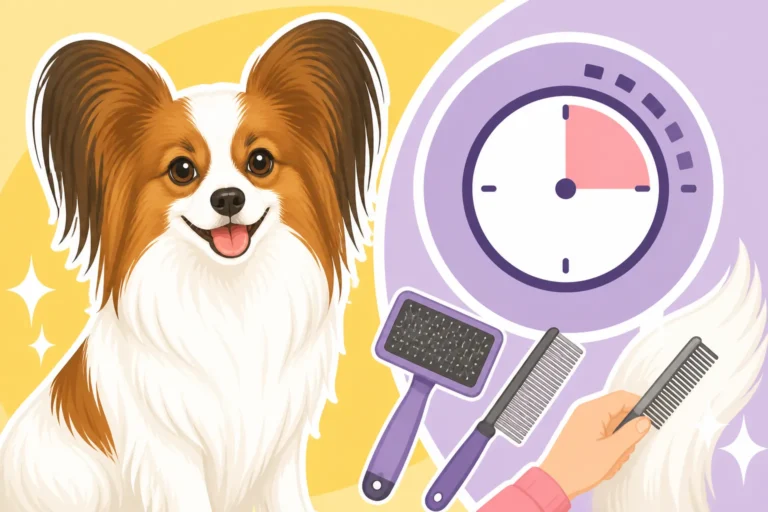
Those gorgeous, long ear fringes are prone to tangles and mats if not brushed regularly. Mats near the ear canal can pull on the delicate skin, cause irritation, and restrict airflow, creating a warm, damp environment that welcomes yeast and bacteria. Using a pin brush or a fine-toothed comb to gently detangle the ear fringe a few times a week, or even daily, is crucial. Pay special attention to the areas behind the ears and at the base, where mats often start. This also helps dislodge any debris caught in the hair before it migrates into the canal. You can get excellent brushes and combs from Chewy or Amazon. Remember, The Plume, the Culottes and a Papillon's Chest Frill all need regular attention.
Trimming Excessive Hair Around the Ear Canal (Carefully!):
Some Papillons, particularly those with very dense ear fringe, might benefit from a very careful trim of the hair immediately surrounding the ear canal opening. This can improve airflow and make it easier to see and clean the ear. However, this is a job that requires extreme caution. If you're not comfortable doing it yourself, ask your professional groomer or veterinarian to do it. You absolutely do not want to cut too much or, worse, cut the delicate skin of the ear. The goal is to open up the entrance a little, not to shave the ear.
Regular Nail Trims:
This might seem unrelated, but overly long nails can be a big problem if your Papillon gets an itchy ear. If they're scratching their ears with long, sharp nails, they can easily break the skin, cause trauma, and introduce bacteria, turning a simple itch into a full-blown infection. Keeping their nails trimmed short reduces the risk of self-inflicted injury.
Protection During Baths:
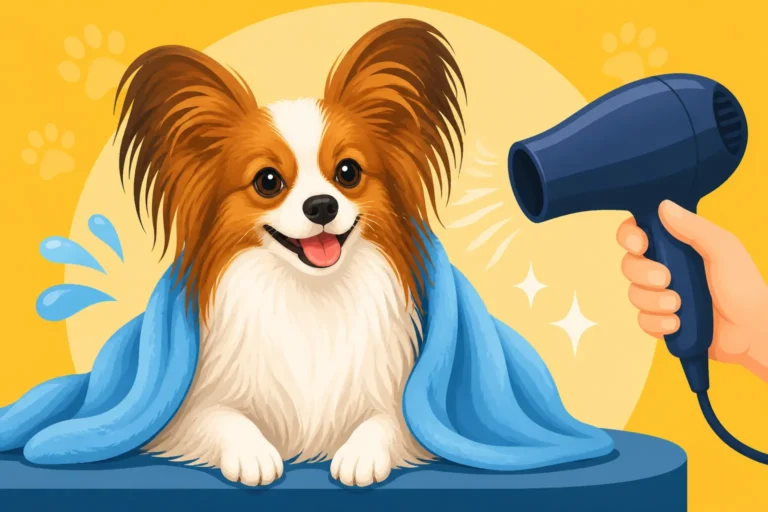
When bathing your Papillon, try your best to prevent water from entering the ear canals. You can gently place a large cotton ball (not a tiny one that could get lost) in each ear to act as a barrier. Remove them immediately after the bath. Then, follow up with a drying ear solution if you're concerned any moisture might have seeped in. It's important to remember that How Often a Papillon's Fringes Need Washing can impact the overall cleanliness of the ear area.
By incorporating these additional grooming practices, you're building a comprehensive defense against ear problems, working proactively to keep your Papillon's ears in tip-top shape.
Creating a Low-Stress Ear Care Experience
For both you and your Papillon, ear care should be a routine, not a battle. If your dog associates ear cleaning with fear or discomfort, it will make the process exponentially harder each time. Building a positive association is key, especially with such a sensitive and frequently addressed area.
Start Early and Keep it Positive:
If you have a Papillon puppy, start handling their ears gently from day one. Touch them, lift the flaps, and gently look inside, rewarding them with treats and praise every time. Even if you're not cleaning, make it a regular habit to touch and inspect their ears. This desensitization process is invaluable. For older dogs, it might take more time and patience, but the principle is the same: small, positive steps. Remember that Teaching a Papillon Puppy to Be Handled All Over is important for many grooming tasks.
Use High-Value Rewards:
Don't skimp on the treats! Use something your Papillon absolutely loves – small pieces of cooked chicken, cheese, or their favorite soft treats. Give them treats before, during, and after the ear care process. This creates a strong positive association. You want them to think, "Oh, ear time! Treats are coming!"
Short, Frequent Sessions:
Especially when you're first establishing a routine or if your dog is hesitant, keep sessions very short. Just a quick lift of the ear, a gentle touch, a treat. Build up gradually. Maybe one day it's just looking, the next it's looking and a quick wipe, then slowly introduce the cleaner. Don't try to do a full deep clean on a fearful dog right away.
Calm Demeanor and Soothing Voice:
Dogs pick up on our emotions. If you're stressed or anxious about cleaning their ears, they will be too. Stay calm, speak in a soothing, encouraging voice, and move slowly and deliberately. If you feel yourself getting frustrated, take a break and come back to it later.
Make it a Predictable Routine:
Try to clean their ears around the same time or on the same day each week or month. Predictability helps dogs feel more secure and know what to expect. Perhaps it's after their weekly brushing session, or after a walk when they're a little tired and relaxed.
Consider a Distraction:
If your Papillon is still squirmy, a lick mat smeared with peanut butter (xylitol-free!) or a favorite treat toy can be a wonderful distraction during the cleaning process. This keeps their mind and mouth busy, making them less focused on what you're doing to their ears.
By making ear care a calm, consistent, and rewarding experience, you'll ensure your Papillon willingly cooperates, making the task easier and more effective for everyone involved.
Disclaimer
This article is for general informational purposes only and does not constitute professional advice. Laws, prices and regulations vary by location and change over time. Consult a qualified professional for guidance on your specific situation.