Whether a Papillon Overheats
It’s a common worry for Papillon owners, especially when the weather warms up: "Can my tiny, fluffy butterfly dog actually get too hot?" You see their delicate build, their long, flowing coat, and you immediately picture them wilting in the sun. It's a valid concern, because while Papillons might not have the thick undercoats of some northern breeds, they are still susceptible to overheating and heatstroke, just like any other dog. This guide is here to walk you through understanding why Papillons can get hot, how to spot the signs of trouble, and most importantly, how to keep your cherished companion safe and comfortable when temperatures rise.
Understanding the Papillon's Coat and Body Temperature Regulation
When you look at a Papillon, those magnificent ears and flowing tail plume are often the first things you notice. They are undeniably elegant, but this delicate appearance can sometimes lead to misunderstandings about how their body handles heat. It’s not just about the length of the hair; it’s about the type of coat and their overall physiology.
The Single Coat Advantage
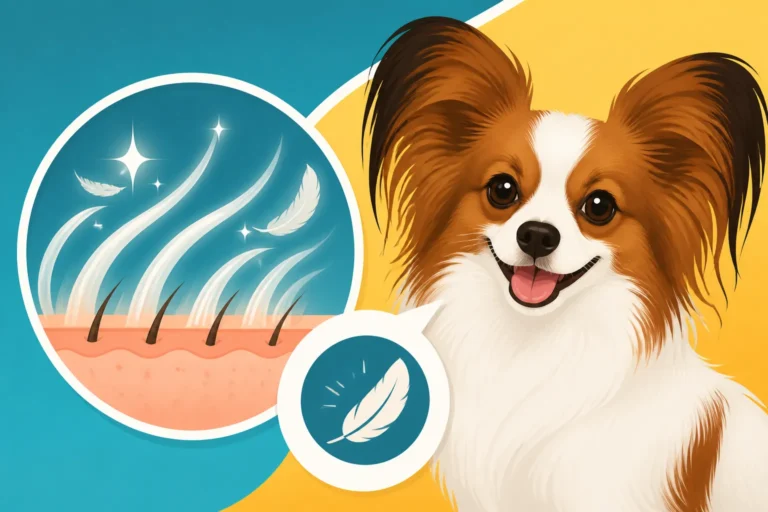
Unlike many breeds, especially those originating from colder climates, a Papillon boasts a single coat. This means they don't have that dense, insulating layer of fluffy undercoat that you find on a Pomeranian or a Siberian Husky. On the surface, you might think "less fur, less heat," and there's some truth to that, but it's not the whole story.
A single coat, with its fine, silky texture, can actually be quite efficient at allowing heat to dissipate from the body. It's not designed to trap warmth in the same way an undercoat does. The long, flowing guard hairs act more like a natural sunshade, protecting their delicate skin from direct sun exposure, which can prevent sunburn and direct heat absorption. Imagine wearing a thin, loose-fitting linen shirt on a hot day – it covers you, but still allows air to circulate and your body to breathe. This is somewhat similar to how a Papillon's coat functions in warmer weather. However, this advantage is quickly lost if the dog is overexerting itself or trapped in a high-humidity environment where evaporative cooling (panting) becomes less effective. While their coat helps, it doesn't make them immune to the dangers of heat.
Small Size, Big Surface Area
Papillons are, by definition, a toy breed. They are small, dainty, and don't carry a lot of body mass. Their light bone structure and lean muscle contribute to their overall small stature. Now, think about their ears – those gorgeous, erect, butterfly-shaped ears are not just for show; they have a significant surface area. Similarly, their feathered tail, often carried up and over their back, adds to their overall surface area.
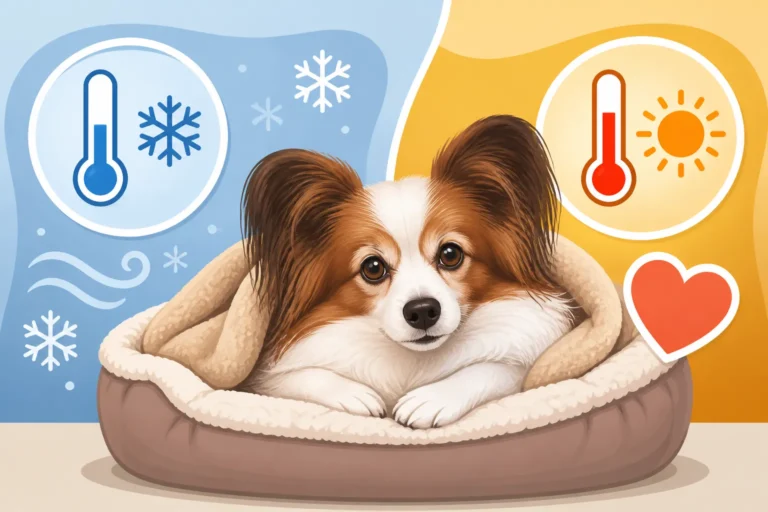
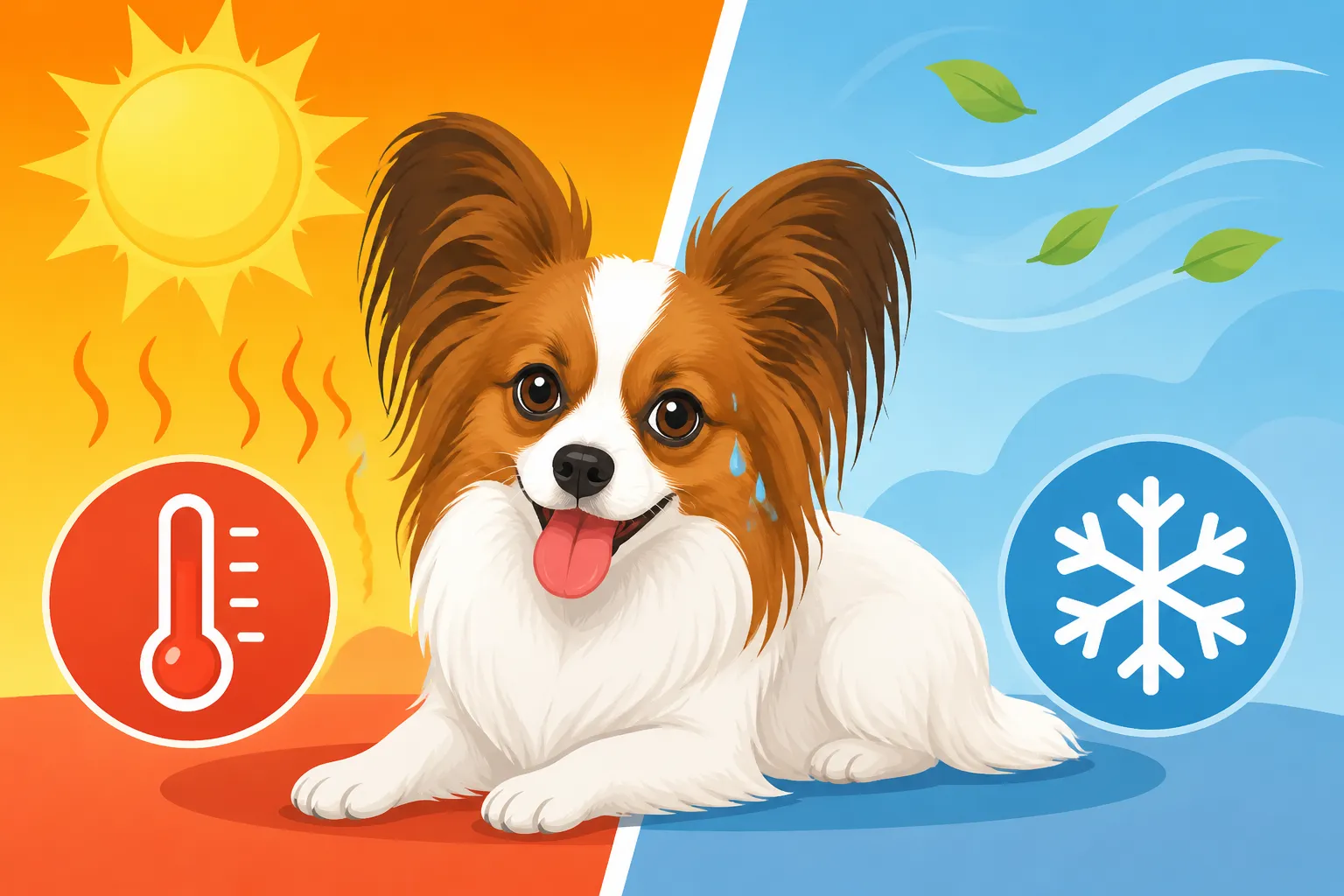
Why does this matter for heat regulation? A larger surface area relative to their body mass means they can both gain and lose heat more quickly. In a cool environment, they might get chilly faster than a larger dog, which is why you'll often see them snuggled under blankets or wearing sweaters in winter. On the flip side, in a warm environment, they can absorb heat from their surroundings, and their metabolic processes generate heat that needs to be shed. Their small size means their internal temperature can rise faster, especially if they are very active. A Papillon playing vigorously, despite its size, is generating internal heat, and its small body needs to work hard to expel that heat through panting. This is why paying attention to how A Papillon in Summer and Winter can affect their well-being is so important.
Recognizing the Signs of Overheating in Your Papillon
Our little Papillons are often incredibly stoic. They're bred to be resilient and eager to please, which sometimes means they'll push themselves further than they should, even when they're starting to feel uncomfortable. It’s up to us, their loving owners, to be vigilant and know the subtle cues that signal trouble. Missing these early signs can quickly escalate into a serious, life-threatening situation.
Subtle Early Warning Signs
When a Papillon starts to overheat, their body's first response is usually to try and cool itself down. The most common and noticeable way they do this is through panting. But what's "excessive" panting? It's more than just a few quick breaths after a burst of zoomies. Look for:
- Panting that is noticeably heavier, faster, and more continuous than normal, even after they've stopped exerting themselves. It might sound louder or more strained.
- Gums that appear brighter red than usual. This indicates increased blood flow as their body tries to dissipate heat.
- Increased heart rate. You might feel their pulse racing if you gently place your hand on their chest.
- Restlessness or an inability to settle. They might pace, shift positions frequently, or try to find cooler spots, even if they're usually content.
- Seeking shade or cool surfaces. If your Papillon, who normally loves to sunbathe, suddenly burrows into the shade or tries to lie on a cool tile floor, pay attention.
Imagine a warm afternoon. You've taken your Papillon to the local park for some fun, perhaps for a gentle walk. They're trotting along happily, chasing a leaf, doing their usual How Much Exercise a Papillon Needs. Then you notice they're panting a bit more heavily than usual for the amount of exertion. Their little pink tongue is out further, and they might even be drooling a little. You check their gums, and they look a little more vibrant, a deeper pink. These are those subtle, early signals that tell you it's time to take a break, find some shade, and offer water. Don't wait for more severe signs; act on these initial warnings. Remember, a Papillon doesn't often show obvious signs of pain or discomfort until it's quite advanced, which is why How a Papillon Hides Pain is a good topic to understand.
Advanced Symptoms and Heatstroke
Ignoring the early warning signs can lead to a rapid progression to more severe symptoms, which can indicate heat exhaustion or, critically, heatstroke. Heatstroke is a medical emergency that requires immediate intervention.
- Weakness or staggering: Your Papillon might appear wobbly on their feet, stumble, or even collapse. Their legs might give out from under them.
- Vomiting and diarrhea: These can sometimes be bloody. This is a very serious sign as it indicates damage to internal organs and dehydration.
- Excessive drooling with thick, ropey saliva: As dehydration sets in, their saliva can become sticky and thick.
- Disorientation or confusion: They might seem lost, unresponsive to your calls, or simply not themselves.
- Bright red, dark red, or even bluish/purple gums and tongue: The color can change drastically as their circulation is compromised.
- Seizures or unconsciousness: This is a critical stage and indicates severe brain involvement.
- Elevated body temperature: While you might not carry a rectal thermometer, a severely overheated dog will feel incredibly hot to the touch. Their internal temperature can quickly soar past 105°F (40.5°C), which is dangerously high.
If you observe any of these advanced symptoms, your Papillon needs immediate veterinary attention. Do not delay. Heatstroke can cause irreversible organ damage, including kidney failure, brain swelling, and blood clotting disorders. Every minute counts when your dog is experiencing heatstroke.
Here's a quick reference table to help differentiate between mild discomfort and a true emergency:
| Symptom Category | Early/Mild Signs (Action: Cool Down, Hydrate, Monitor) | Severe/Emergency Signs (Action: Vet IMMEDIATELY) |
|---|---|---|
| Breathing | Excessive, rapid panting; slightly louder breathing | Labored breathing, struggling for air, gasping |
| Gums | Brighter red than usual | Dark red, pale, bluish-purple, or very dry |
| Energy/Coordination | Restlessness, seeking shade, slightly reduced energy | Weakness, staggering, inability to stand, collapse |
| Gastrointestinal | Mild drooling | Profuse, thick drooling, vomiting, bloody diarrhea |
| Other | Increased heart rate, hot to the touch | Seizures, unconsciousness, body tremors |
Common Scenarios Where Papillons Overheat
Understanding when and where your Papillon is most likely to overheat is just as crucial as knowing the signs. It's often not the obvious scorching hot days that catch us off guard, but rather seemingly mild conditions combined with certain situations. Papillons, with their zest for life, will often push through discomfort, making these scenarios even more hazardous.
Summer Walks and Outdoor Activities
It’s natural to want to take your Papillon for walks, even in summer. They love exploring, sniffing new scents, and just being out with you. However, summer walks pose several hidden dangers that can quickly lead to overheating.
The most insidious culprit is often hot pavement or asphalt. While the air temperature might feel tolerable to you, asphalt can be significantly hotter, sometimes reaching temperatures of 120-140°F (49-60°C) or more on a sunny day. Imagine walking barefoot on that! A Papillon's paw pads are delicate, and hot surfaces not only cause painful burns but also prevent their body from releasing heat through their paws, which is one of their cooling mechanisms. Even concrete sidewalks can get surprisingly hot. Always test the ground with the back of your hand; if it’s too hot for your skin for five seconds, it’s too hot for your dog's paws.
Direct sunlight and high humidity are also major factors. Even if the air temperature isn't extreme, strong sun beating down on their dark markings (if they have them) can quickly raise their body temperature. High humidity makes it much harder for dogs to cool themselves through panting because the air is already saturated with moisture, making evaporation less effective. A Papillon might not seem to mind the humidity, but their small lungs are working overtime. Think about those long, lovely plumes on their ears and tail; while beautiful, they do absorb some heat, and they won't feel the chill quite as readily as you might.
Activities like playing fetch in the park, accompanying you to an outdoor market, or even just sitting on a patio can be risky. Our little dogs have such boundless energy, and they often don't self-regulate. They will keep going and going to play with you, not realizing they're pushing their limits. This is especially true for younger, more exuberant Papillons. Even a leisurely stroll can become dangerous if you're out too long during the hottest part of the day. For an older Papillon, the risks are even higher; What Changes in an Aging Papillon's Care often includes reduced heat tolerance.
Confined Spaces and Cars
This is perhaps the most dangerous scenario, and unfortunately, it's one we hear about far too often. Leaving a dog in a parked car, even for "just a few minutes," is incredibly risky and can be fatal.
The temperature inside a car, even on a mild day, can skyrocket in a matter of minutes. On an 80°F (26.7°C) day, the temperature inside a car can reach 100°F (37.8°C) in just 10 minutes, and 120°F (49°C) in 30 minutes, even with the windows cracked. These figures are even higher on hotter days. Papillons, being small, have a faster metabolism relative to their size, and their internal temperature can rise at an alarming rate. They can't sweat efficiently like humans, relying primarily on panting to cool down. In a hot, stuffy car, their panting becomes ineffective, and they quickly succumb to heatstroke.
Beyond cars, other confined spaces can also become heat traps. A garage that gets afternoon sun, a sunroom with no air circulation, or even a crate left in a sunny spot in the house can reach dangerous temperatures. When traveling, a pet carrier in the cargo area of a car, especially if not well-ventilated or insulated, can quickly become too hot for your small companion. Even a trip in a car can be a concern; Traveling With a Papillon requires careful consideration of the temperature, even if they're riding with you in the air-conditioned cabin. Always ensure your Papillon has plenty of fresh air and is not exposed to direct sun through a window, which can create a mini-greenhouse effect right on their bed.
Preventing Overheating: Proactive Steps for Papillon Owners
The good news is that preventing overheating in your Papillon is largely within your control. It requires a bit of foresight and adjusting your routine during warmer months, but the effort is well worth it to keep your little butterfly safe and happy.
Timing Walks and Choosing Environments
One of the easiest and most effective ways to prevent your Papillon from overheating is to be smart about when you go outside.
- Walk during the cooler parts of the day: This almost always means early morning (before 9 or 10 AM) and late evening (after 6 or 7 PM), once the sun has started to go down and the pavement has had a chance to cool. Avoid midday walks entirely during summer.
- Choose shaded routes: Opt for walks under trees, in parks with plenty of natural shade, or even consider indoor spaces like pet-friendly stores if they allow dogs (always check first!).
- Walk on grass when possible: Grass doesn't absorb and retain heat like asphalt or concrete, making it much safer for their paws. This also helps cool their body indirectly.
- Know your climate and humidity: If you live in an area with high humidity, even a mild temperature can be risky. On these days, outdoor exercise should be minimal and carefully monitored.
- Prioritize indoor enrichment: On very hot days, swap outdoor adventures for indoor games. Training sessions, puzzle toys, and hide-and-seek games can provide mental and physical stimulation without the heat risk. Remember, What Mental Work a Papillon Needs is just as important as physical exercise. This also makes them a great fit for Whether a Papillon Suits an Apartment Dweller as they don't require vast outdoor space.
Hydration and Cooling Aids
Keeping your Papillon hydrated is fundamental to preventing overheating. Water helps regulate their body temperature and replaces fluids lost through panting.
- Constant access to fresh, cool water: Always have a bowl of fresh water available indoors. On hot days, refresh it frequently and consider adding a few ice cubes.
- Portable water bowls on walks: Never leave home without water for your dog. Collapsible silicone bowls or water bottles with attached cups are readily available on sites like Amazon or Chewy. Offer water frequently, even if they don't seem thirsty.
- Cooling mats: These gel-filled mats absorb body heat and provide a cool spot for your Papillon to lie on. Many dogs gravitate towards them naturally. You can find a wide selection of these, often with great reviews, on platforms like Chewy or even at local pet stores.
- Wet towels or bandanas: Dampen a small towel or bandana with cool (not ice-cold) water and place it on your Papillon's neck, chest, or over their ears. The evaporation will help cool them down.
- Sprinkle them gently: A light misting with a spray bottle or a damp cloth on their paws and belly can also provide quick relief.
- Consider a small paddling pool: If you have a yard, a shallow, child-sized paddling pool with an inch or two of water can be a fun way for your Papillon to cool off. Supervise them closely, of course!
Grooming and Coat Maintenance for Summer
There's a common misconception that shaving a long-haired dog, like a Papillon, will keep them cooler in summer. For single-coated breeds, this can actually do more harm than good.
- Don't shave their coat: A Papillon's single coat provides a natural layer of insulation against the sun's harsh rays. Shaving them exposes their delicate skin to sunburn and can disrupt their natural cooling mechanisms. Their long hair acts like a parasol, reflecting sunlight and trapping a layer of cooler air next to their skin. Removing this protection makes them more vulnerable to heat and UV damage.
- Regular brushing: While you don't want to shave, keeping their coat well-maintained is still important. Regular, gentle brushing helps remove loose hair and prevents matting, which can trap heat and restrict airflow. A healthy, untangled coat functions best as natural insulation. You can find brushes specifically designed for Papillon's silky coats at retailers like Ollie. This is also part of the general [Care & Nutrition] for their coat year-round.
- Keep feet tidy: Trimming the hair between their paw pads can help with heat dissipation and also provides better traction, which is good for their delicate knees. Ensuring Why a Papillon's Nails Affect Its Knees are also short is crucial for their overall comfort and gait.
What to Do If Your Papillon Is Overheating
Despite your best efforts, sometimes a situation can arise where your Papillon starts to overheat. Maybe they found a sunny spot they shouldn't have, or a walk went longer than planned. Knowing what to do in those critical moments can make all the difference.
Immediate First Aid at Home
If you notice your Papillon showing signs of overheating, it’s time for immediate action. Don't panic, but act swiftly and calmly.
- Move them to a cool environment immediately: Get them out of the sun and into an air-conditioned room, a shady spot, or at least a cool, well-ventilated area.
- Offer water: Provide fresh, cool water, but don't force them to drink. If they are willing, let them lap small amounts.
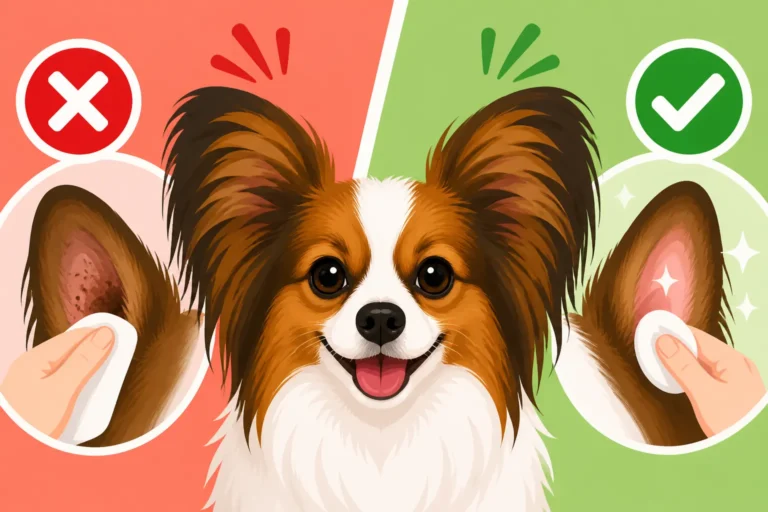
- Apply cool water: Gently wet their body with cool (not ice-cold) water. Focus on areas where blood vessels are close to the surface, such as their ears (those big beautiful ears are great for heat exchange!), paws, armpits, and groin. You can use a damp towel or a hose with a gentle stream.
- Crucial note: Avoid ice water or immersing them in very cold water. This can cause their blood vessels to constrict, trapping heat inside their body, and can also lead to a dangerous drop in body temperature (hypothermia) if overdone.
- Use a fan: Position a fan to blow cool air over their wet body. The evaporation will help cool them down.
- Monitor their temperature (if possible): If you have a rectal thermometer and know how to use it safely, take their temperature. Stop cooling once their temperature drops to around 103°F (39.4°C) to prevent overcooling.
- Avoid vigorous rubbing or toweling: This can actually increase their body temperature by generating friction and heat.
Keep them quiet and continue to monitor them closely. Even if they seem to recover, it's wise to call your vet for advice, as some effects of heat stress can be delayed.
When to Seek Veterinary Care
While basic first aid is important, it's critical to know when the situation is beyond home care and requires professional help.
- Any signs of advanced heatstroke: If your Papillon is showing any of the severe symptoms listed earlier – staggering, collapse, vomiting, diarrhea (especially bloody), disorientation, seizures, or unconsciousness – this is an emergency.
- No improvement with first aid: If your dog's condition doesn't improve within a few minutes of applying first aid, or if they seem to be getting worse, head to the vet.
- Temperature remains high: If you've been able to take their temperature and it's still above 104°F (40°C) after 10-15 minutes of active cooling, they need veterinary intervention.
Call your veterinarian immediately or the nearest emergency veterinary clinic. Let them know you're on your way with a suspected heatstroke case. This allows them to prepare for your arrival and begin treatment without delay. On the way to the clinic, keep the car's air conditioning on high. Continue to apply cool, damp towels to their body if it's safe to do so in the moving vehicle.
At the vet, they will likely continue aggressive cooling measures, administer intravenous fluids to combat dehydration and support organ function, and monitor their vital signs closely. Early and aggressive treatment greatly improves the prognosis for heatstroke, so don't hesitate. It's truly a life-or-death situation for our beloved Papillons.
Disclaimer
This article is for general informational purposes only and does not constitute professional advice. Laws, prices and regulations vary by location and change over time. Consult a qualified professional for guidance on your specific situation.