How Long a Papillon’s Coat Grows
It’s a common sight for new Papillon owners: you bring home this adorable, fluffy little creature, and you’re immediately captivated by their unique, flowing coat. But then the questions start bubbling up – exactly how long is this beautiful coat going to get? Will it trail on the floor, become a matted mess, or require constant professional grooming? This guide will dive deep into the fascinating world of the Papillon's coat, explaining its growth patterns, characteristic lengths, and what you can expect as your puppy matures.
The Signature Papillon Coat: An Overview of Length
When you picture a Papillon, you likely envision those magnificent, butterfly-like ears framed by long, silky hair, and a tail that plumes over their back like a graceful feather duster. This isn't just for show; it's a defining characteristic of the breed, and that length is part of their charm! Unlike many long-haired breeds, the Papillon's coat isn't uniformly long all over, and it doesn't just grow indefinitely without any practical limits.
What Makes the Papillon Coat Unique
The Papillon’s coat is often described as "silky" and "flowing," and there's a good reason for that. It’s a single coat, meaning they lack the dense undercoat that many double-coated breeds possess. This is fantastic news for shedding (they tend to shed less dramatically than, say, a German Shepherd) but it also means their coat texture is quite different. It lies flat on the body, rather than standing out, and it's this unique texture that allows it to achieve such impressive lengths without becoming a solid, unmanageable mass. The absence of an undercoat also means it dries faster after a bath, and generally tangles less than you might imagine for such a flowing coat. You might be interested to read more about this in A Papillon's Coat Is All Fringe and No Undercoat.
General Length Expectations Across the Body
While the Papillon is known for its long coat, the length isn't uniform across the entire body. The hair on their head and face is typically short and smooth, giving them that refined, intelligent expression. The body coat itself is moderately long, but it’s the "feathering" on certain parts of their body that truly gives the impression of great length and elegance.
Here's a breakdown of where you'll see the most impressive length:
- Ears (Fringe): This is perhaps the most iconic feature. The hair on their ears, known as the "fringe," can grow quite long, often extending several inches beyond the ear leather itself. This is where the breed gets its "butterfly" name – the long, flowing hair on the erect ears resembles a butterfly’s wings. You can learn more about this distinctive feature in The Ear Fringe That Gives the Papillon Its Name.
- Neck and Chest (Frill): Around the neck and down the chest, Papillons develop a beautiful "frill" or "ruff" that can be quite full and long, framing their delicate faces.
- Rear Legs (Culottes or Breeches): The back of their hind legs will grow long, feathery hair, often called "culottes" or "breeches," which creates a soft, flowing line.
- Tail (Plume): The tail is another showstopper, carried high over the back and covered in a magnificent "plume" of long, flowing hair. This is arguably the longest hair on the entire dog, often reaching considerable lengths that really catch the eye. We dive deeper into this specific feature in What a Papillon's Tail Plume Needs.
The body coat, while long, generally won't reach the ground like some other toy breeds. It’s designed to be elegant and flowing, but also practical for an active dog.
From Puppy Fluff to Adult Feathering: The Growth Journey
It’s easy to look at a Papillon puppy and wonder how that little ball of fluff will ever develop such an impressive mane. The transformation is gradual, and understanding the stages of coat growth can help set your expectations and prepare you for their grooming needs.
When the Coat Really Starts to Lengthen
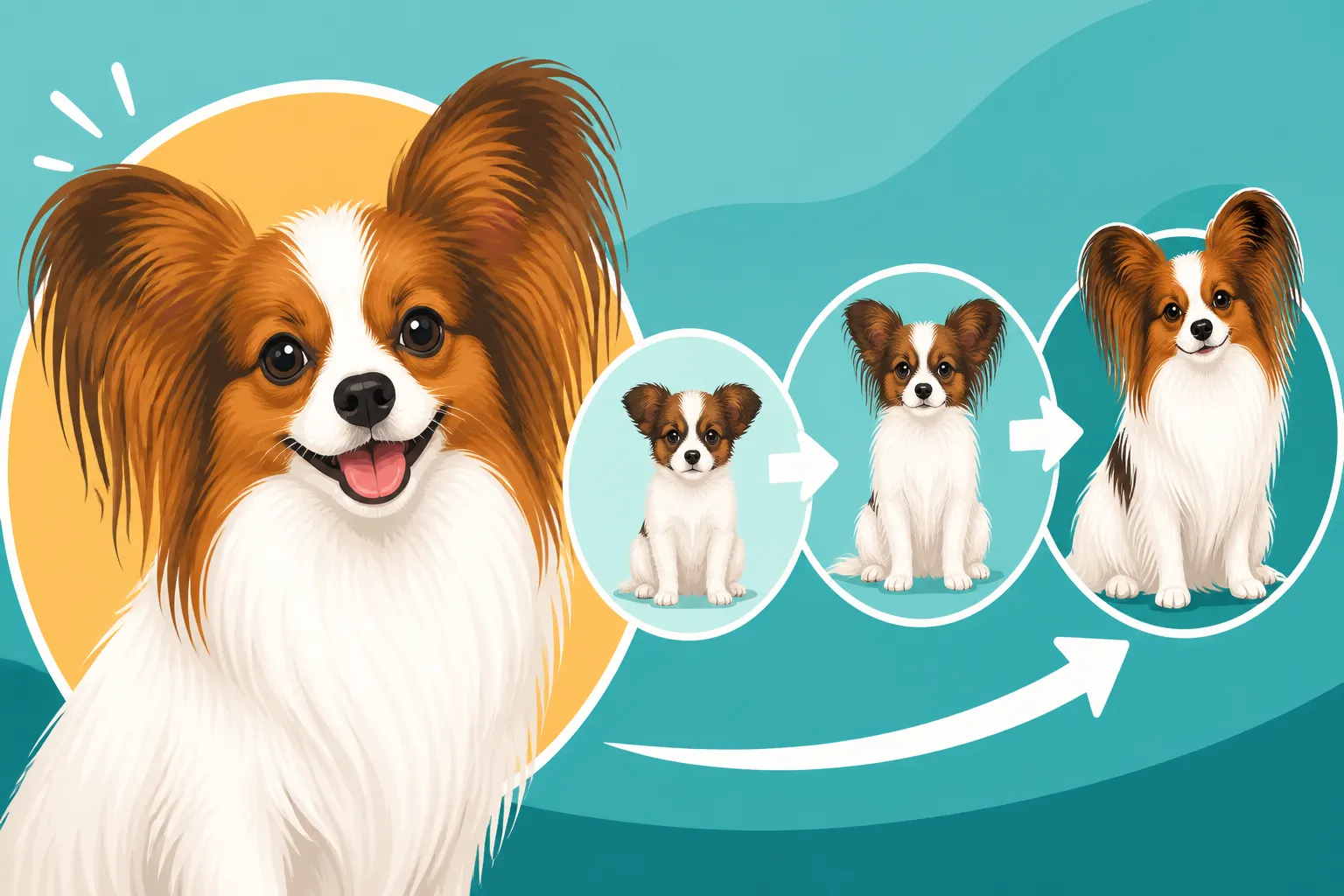
A Papillon puppy, especially at 8 to 12 weeks, will have a relatively short, soft coat. It's adorable, but it's not the full-blown fringe and plume you see on adult dogs. The serious length really starts to come in as they transition from puppyhood to adolescence, usually around 6 months of age, and continues to develop significantly through their first year and into their second year.
- Initial Growth (3-6 Months): You'll start to notice the ear fringe, tail plume, and culottes getting longer and more prominent. This is the stage where regular, gentle brushing becomes important to prevent small tangles from becoming big problems.
- Adolescent Flourishing (6-18 Months): This is the prime growth period. The coat will fill out, the fringes will get considerably longer, and the overall look will begin to resemble that of an adult Papillon. You might notice some awkward "teenager" phases where the coat looks a bit dishevelled or uneven as it grows in. Don't worry, this is normal!
- Full Maturity (18 Months to 3 Years): While much of the growth is evident by 18 months, some Papillons continue to achieve their full coat density and length up to 2 or even 3 years of age. It's a gradual process, and each individual dog can vary. Genetics play a huge role, so if your Papillon comes from a line with particularly luxurious coats, you can expect a similar outcome.
Factors Influencing Coat Growth and Fullness
While genetics are the primary driver for how long a Papillon's coat will ultimately grow, several other factors can influence its health, appearance, and perceived length.
- Nutrition: A high-quality diet rich in essential fatty acids (like Omega-3 and Omega-6) is crucial for a healthy, shiny coat. Dogs on poor-quality food might have duller, thinner, or more brittle hair that is prone to breakage, which can make it appear shorter or less full. Brands like Chewy often carry a wide variety of premium foods formulated with these beneficial ingredients, and specialty fresh food providers like Ollie can also contribute to coat health.
- Health: Underlying health conditions can absolutely impact coat quality and growth. Skin allergies, hormonal imbalances (like hypothyroidism), or even stress can lead to dullness, thinning, or excessive shedding. If you notice a sudden change in your Papillon's coat, it's always a good idea to consult your vet.
- Spaying/Neutering: Sometimes, after a Papillon is spayed or neutered, their coat texture can change slightly, occasionally becoming softer or developing a bit more "cottony" feel, which can sometimes lead to more matting if not properly managed. This isn't a universal experience, but it's something to be aware of. You might find this topic discussed in more detail in Whether a Spayed Papillon's Coat Changes.
- Grooming Routine: Consistent grooming isn't just about preventing mats; it actually helps stimulate healthy hair growth by distributing natural oils and removing dead hair. A well-cared-for coat will look thicker and more lustrous than a neglected one. We'll delve into grooming techniques shortly.
Managing That Beautiful Length: Grooming for Longevity
The impressive length of a Papillon’s coat is undeniably beautiful, but it does come with a responsibility: regular grooming. Don't let the length intimidate you, though; it's often less work than people expect for such a seemingly elaborate coat. Many owners manage their Papillon's grooming at home with great success.
Brushing Techniques for Long Papillon Coats
The key to managing a long Papillon coat is regular, gentle brushing. Because they lack an undercoat, they don't typically experience the dense, felt-like matting that can plague other long-haired breeds. However, their finer, silky hair can still tangle, especially in areas of friction.
- Frequency: Aim for at least 2-3 times a week, or even daily for dogs with particularly luxuriant feathering or if they've been playing outdoors. Consistent, short sessions are far better than trying to detangle a huge mess once a month. You can find more about this in How Often a Papillon Needs Brushing.
- Tools: A good quality pin brush is your best friend for a Papillon's body coat, while a greyhound comb with both fine and wide teeth is essential for working through fringes and checking for smaller tangles close to the skin. Some owners also like a slicker brush for gently fluffing up the coat. You can easily find these tools on platforms like Amazon or Chewy. For a comprehensive look at brushes, check out Which Brush a Papillon Needs.
- Technique: Always brush in layers, starting from the bottom of the hair and working your way up, lifting the top layers out of the way. Pay special attention to the areas with the longest hair: behind the ears, armpits, culottes, and the tail plume. These are common spots where mats can form. If you encounter a knot, don't yank! Gently tease it apart with your fingers or the wide teeth of a comb, working from the outside of the mat inwards. A detangling spray can be a huge help here.
- Routine: Make grooming a positive experience from puppyhood with lots of praise and treats. A well-behaved Papillon on the grooming table makes everyone's life easier!
Addressing Mats and Tangled Feathering
Despite your best efforts, sometimes mats happen. A small mat can quickly become a large one if not addressed, and large mats can pull on the skin, causing discomfort or even skin infections.
- Behind the Ears: This is a notorious spot for mats. The fine hair behind the ears, combined with movement, often leads to tangles. Regular, gentle combing through this area is crucial.
- Armpits and Groin: Areas where the legs rub against the body are also prone to matting. Be diligent in these spots.
- Culottes and Tail: These areas collect debris and can tangle easily, especially if your dog runs through tall grass or plays roughly.
- Removing Mats: For stubborn mats, a mat splitter or a blunt-nosed scissor can be used, but extreme caution is advised to avoid nicking the skin. If you're unsure, a professional groomer can safely remove mats. It's always better to prevent them through regular brushing, as cutting out mats compromises the beautiful flow of the coat.
Consider this table for a quick reference on grooming focus areas:
| Body Area | Primary Coat Feature | Typical Length | Grooming Focus |
|---|---|---|---|
| Head and Face | Short, smooth | ~1 inch | Minimal, occasional gentle brush |
| Body | Moderately long | ~2-4 inches | Regular brushing, check for friction mats |
| Ears | Fringe | ~4-8+ inches | Daily combing, detangling spray, gentle brushing |
| Neck and Chest | Frill/Ruff | ~3-6 inches | Brush gently, ensure no tight collars trapping hair |
| Rear Legs | Culottes/Breeches | ~4-8+ inches | Thorough brushing, check for debris and mats |
| Tail | Plume | ~8-12+ inches | Brush daily, gentle combing, keep clear of tangles |
Common Misconceptions About Papillon Coat Length
There are quite a few myths and misunderstandings floating around about long-haired breeds, and Papillons are no exception. Let's clear up some of the most common ones regarding their coat length.
The Myth of Constant Trimming Needs
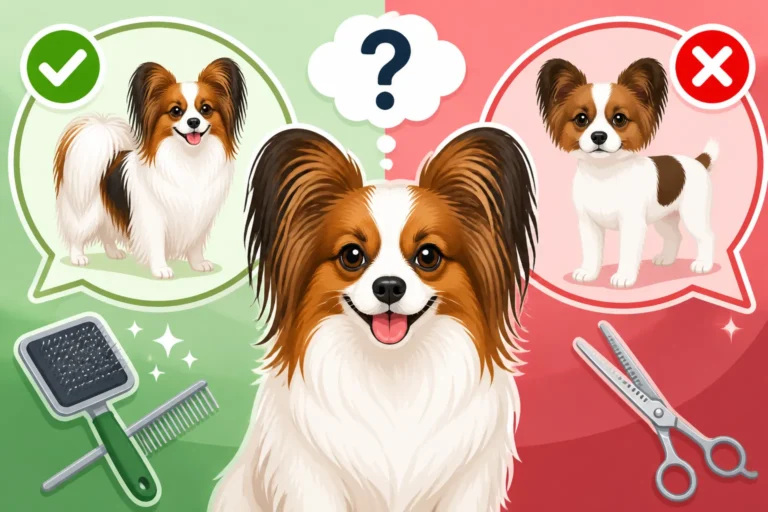
One big misconception is that Papillons require constant trimming or a "puppy cut" to manage their coat. While you can trim a Papillon's coat if you prefer a shorter look, it's generally not necessary for the breed standard or for ease of maintenance. Their coat is designed to be elegant and flowing, but it doesn't grow indefinitely to the point of becoming a tripping hazard or a dirt magnet like some other long-coated breeds. A well-groomed Papillon's coat, even at its full length, will typically clear the ground.
- Show Coats vs. Pet Coats: Papillons destined for the show ring are never trimmed, as it's against the breed standard. Their beautiful, natural coat is part of their appeal. For pet Papillons, a slight trim around the feet to maintain a "hare foot" shape, or tidying up the sanitary areas, is often the most an owner will do.
- Sanitary Trims: This is an important exception. The hair around their bottom and belly can sometimes become soiled, especially after potty breaks. A very light trim in these areas is often recommended for hygiene, keeping your Papillon comfortable and clean. You can discuss this with your vet or a professional groomer.
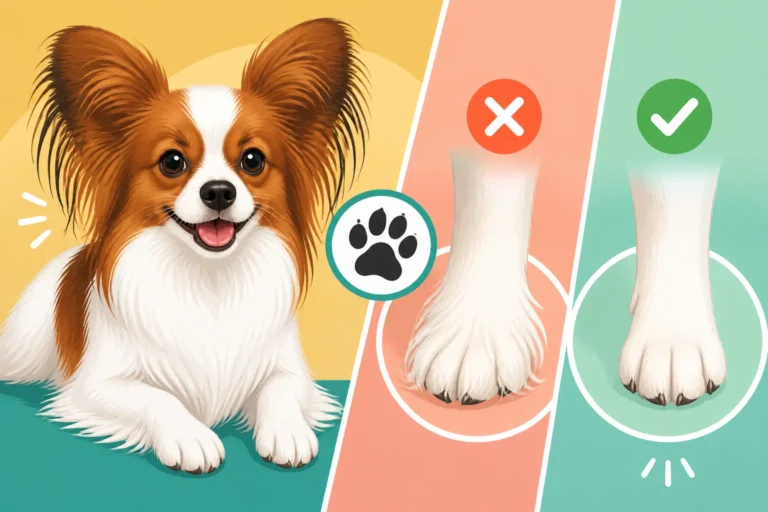
- Feet Trims: Hair between the pads of their feet can sometimes get long and cause slipping, particularly on hard floors, or collect debris. A careful trim here can be beneficial. This also ties into paw health and comfort, which is important for their overall well-being, especially concerning their delicate knees. More on this can be found in Why a Papillon's Nails Affect Its Knees.
If you do choose to trim your Papillon for a specific look, be sure to use blunt-nosed scissors and exercise extreme caution, or better yet, take them to a professional groomer experienced with toy breeds.
Seasonal Changes vs. Continuous Growth
Another area of confusion is how Papillon coats respond to seasons. Many dog owners are used to the heavy "blowing" of a coat that double-coated breeds go through, twice a year. Because Papillons have a single coat, their shedding pattern is different.
- Consistent Shedding: Papillons are not heavy seasonal shredders in the way many other breeds are. They shed year-round, but it's typically a light, manageable amount of fine hair. This consistent shedding is part of why their coat doesn't just keep growing without limit – older hairs are naturally replaced by new ones. Regular brushing helps to capture these loose hairs before they end up on your furniture. For more on shedding, check out Where a Papillon's Shed Coat Actually Ends Up.
- No "Coat Blow": You won't typically see a Papillon "blow" its coat in the spring or fall. Any changes in coat density or texture that might occur with the seasons are usually very subtle, not the dramatic loss seen in breeds with a thick undercoat.
- Coat Condition in Extremes: While the coat length itself doesn't change seasonally, the condition of the coat can be affected by weather extremes. In winter, extremely dry air can make the coat more prone to static and breakage. In summer, prolonged exposure to harsh sun can sometimes lighten or dry out the hair. Ensuring good nutrition and consistent grooming helps their coat stay healthy no matter the season. You might also find A Papillon in Summer and Winter to be an informative read.
Ultimately, the Papillon's long, silky coat is a testament to the breed's elegance and charm. With a little understanding and a consistent, gentle grooming routine, you can easily maintain their beautiful feathering and enjoy the companionship of these magnificent little dogs.
Disclaimer
This article is for general informational purposes only and does not constitute professional advice. Laws, prices and regulations vary by location and change over time. Consult a qualified professional for guidance on your specific situation.