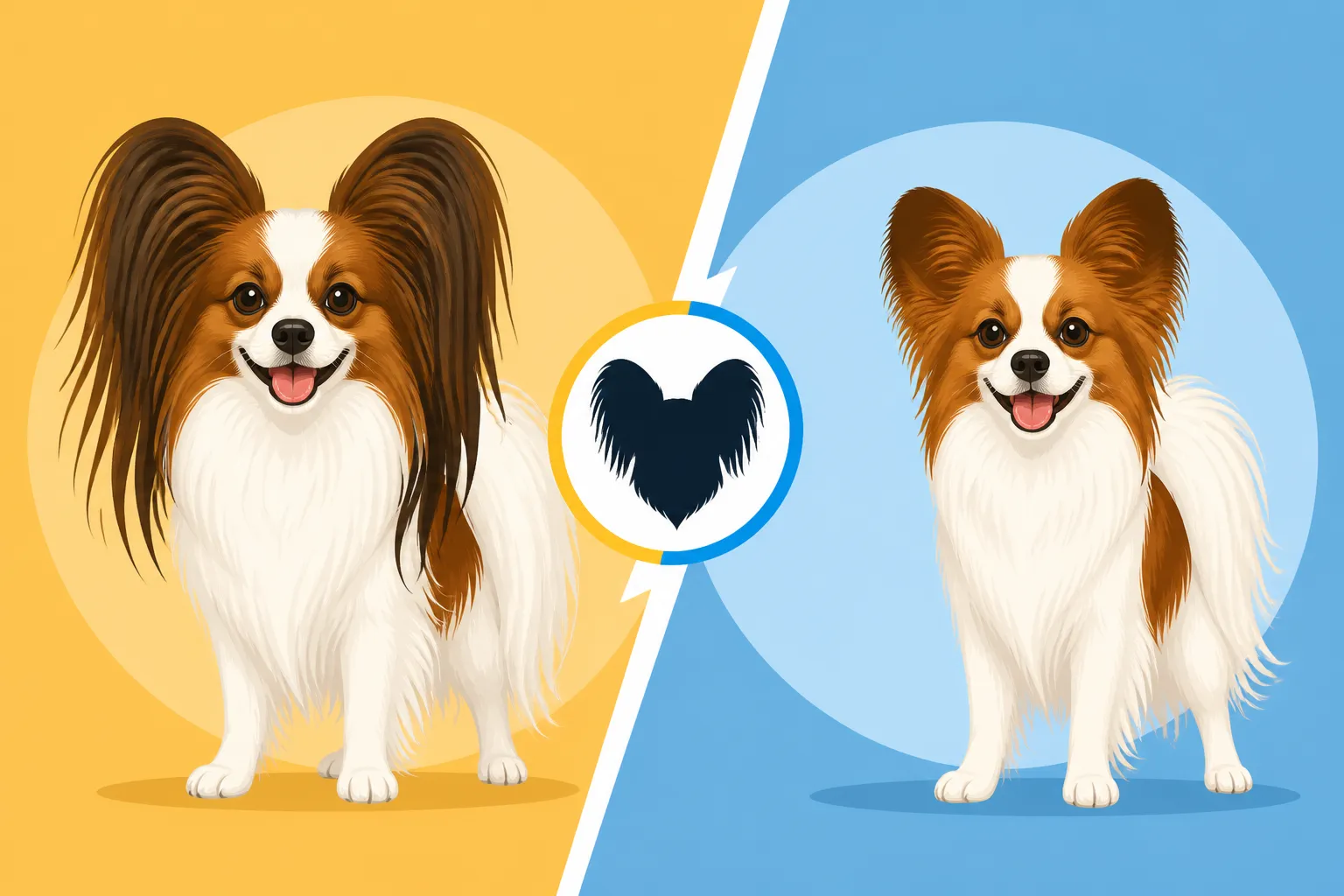
Whether a Papillon’s Fringe Is Longer Than Its Body Coat
One common question I hear from new Papillon parents, or even just admirers, is about their stunning coats. You see those gorgeous, flowing ears and that magnificent tail, and you might naturally wonder if the entire dog is covered in such long, dramatic hair. It’s a completely valid curiosity, because while a Papillon's coat is undeniably long, it's actually the "fringe" – or feathering – that truly gives the breed its signature look, and yes, it is distinctly longer than the hair on their main body. This guide will walk you through the nuances of the Papillon's elegant coat, distinguishing the different lengths and helping you appreciate why they look the way they do.
Understanding the Papillon's Signature Coat
When you first lay eyes on a Papillon, it's usually those spectacular ears that grab your attention, fanning out like a butterfly's wings, hence their name. But beyond the ears, there’s a whole lot more going on with their coat that makes them so unique. It’s not just a uniform blanket of fur; it's a carefully arranged symphony of lengths and textures that contribute to their overall delicate yet regal appearance.
The Distinctive Features of the Papillon Coat
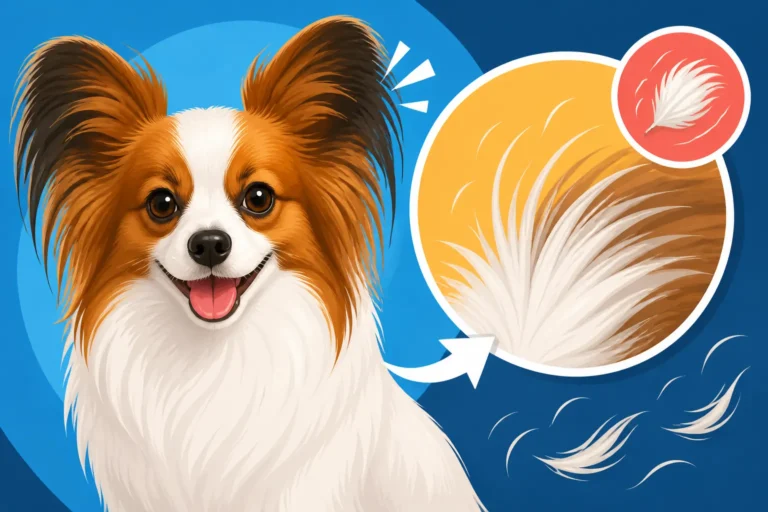
A Papillon's coat is known for being single-coated, meaning they don't have that dense, insulating undercoat you'd find on a double-coated breed like a Pomeranian or a Husky. This is a significant factor in its texture and how it lays. Their hair is typically fine, silky, and lies flat against the body, giving them a very elegant silhouette. This single-coat characteristic also means they tend to shed less dramatically than some other breeds, though they certainly do shed!
Many people initially assume that because the Papillon has a "long coat," it means the hair all over their body grows to the same impressive length as the stunning ear fringes or tail plume. However, this isn't quite the case. While the body coat is indeed longer than, say, a smooth-coated Chihuahua, it's not designed to trail on the ground or become excessively voluminous. Instead, the breed standard emphasizes a flowing, silky coat that accents their delicate frame, with specific areas of much longer, more profuse hair that creates that distinctive "butterfly" appearance. It's a key part of What a Papillon's Coat Is Made Of.
The Difference Between Body Coat and Fringe
Let's break down the difference in length. The hair on a Papillon's main body – their back, sides, and belly – grows to a moderate length. It's long enough to be flowing and graceful, but it typically doesn't extend much past a few inches, often lying quite flat. It’s this base coat that provides the canvas for the more extravagant "fringe" or "feathering" to truly stand out.
The "fringe," on the other hand, refers to those longer, more profuse tufts of hair found in specific locations. These include:
- The ears: The most famous fringe, giving them their name.
- The chest (or ruff/frill): A beautiful cascade of hair around their neck and chest.
- The culottes: The long, flowing hair on the back of their hind legs.
- The tail: Adorned with a magnificent plume of long, soft hair.
These areas are intentionally designed to have significantly longer hair than the rest of their body. This isn't a flaw or an oversight; it's a defining characteristic of the breed. Imagine if the body coat were just as long and dense as the ear fringe – the Papillon might become an unmanageable tangle of fur! The balance between the moderate body coat and the lavish fringe is what makes their appearance so appealing and relatively easy to manage, despite its length.
Delving Into Specific Fringe Areas
The Papillon’s elegance truly comes alive in its various fringed areas. These aren't just random tufts of longer hair; each serves to enhance the breed's unique silhouette and charm. Understanding these distinct sections helps appreciate the artistry of the breed standard.
The Iconic Ear Fringe
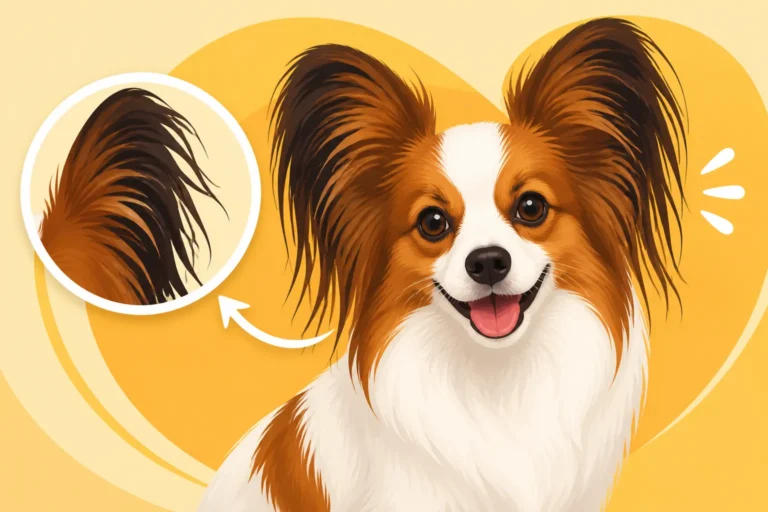
There's no mistaking the ear fringe of a Papillon; it's literally what the breed is named after, "papillon" being French for "butterfly." These enormous, erect ears are lavishly adorned with long, silky hair that flows outwards and downwards, creating the unmistakable butterfly wing effect. This feathering is perhaps the longest on the entire dog, extending well past the ear leathers themselves, often reaching several inches in length. It's designed to be abundant and adds considerable width to the head, framing their bright, intelligent eyes.
For new owners, the sheer volume and length of this ear fringe can be a delightful surprise. It's a true hallmark of the breed and something owners often take great pride in maintaining. Keeping How to Keep a Papillon's Ear Fringe Full involves gentle, regular brushing and protecting it from mats, especially during meals or outdoor adventures. This delicate fringe is not just for show; it's a significant part of the Papillon's identity.
The Chest Frill, Culottes, and Tail Plume
Beyond the ears, the Papillon boasts several other areas of luxurious feathering that are significantly longer than the body coat, each contributing to their balanced and elegant look. You can find more details on these in The Plume, the Culottes and a Papillon's Chest Frill.
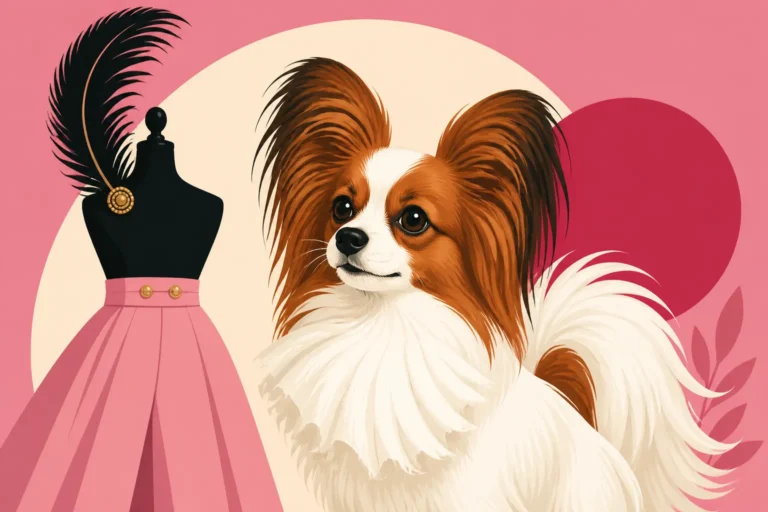
First, there's the chest frill, sometimes referred to as a ruff or jabot. This is the abundant, longer hair that grows around their neck and down their chest. While it might not be quite as dramatically long as the ear fringe, it certainly creates a beautiful, soft frame for their face and adds to their sophisticated appearance. It typically flows several inches from the body, providing a sense of depth and volume that the shorter body coat simply doesn't offer. This frill is particularly noticeable when they are standing tall and proud, giving them a distinguished look.
Next, we have the culottes, which refers to the feathering on the back of their hind legs. Much like a pair of fancy breeches, these tufts of long hair drape elegantly, often reaching down towards their hocks. They add a touch of grace to the Papillon's movement, making their trots and canters even more flowing. The culottes are also considerably longer than the hair on the front of their legs or the main body coat, providing a delightful contrast in texture and length.
And finally, we come to the magnificent tail plume. A Papillon’s tail is carried high over its back in an arch, and it's covered in a spectacular cascade of long, flowing hair. This plume is arguably one of the most stunning features of the Papillon, rivaling the ear fringe in its profuseness and length. The hair here can be incredibly long, sometimes even extending past their hocks when they are standing. It fans out like a glorious banner, adding balance and beauty to their overall outline. The tail plume is dense and soft, designed to draw the eye and complete the image of a dainty yet spirited companion.
Management and Care of a Papillon's Fringe
Maintaining a Papillon's glorious fringe isn't as daunting as it might seem, but it does require consistency. The key is to understand that these longer areas of coat have different needs than the shorter body hair, primarily because they are more prone to tangles and mats.
Why the Fringe Requires Specific Care
The very characteristics that make the Papillon's fringe so beautiful – its length, silkiness, and density – also make it susceptible to matting. Areas like behind the ears, the chest frill, and the culottes are high-friction zones. They rub against furniture, collars, harnesses, and even the dog's own body movements, which can quickly lead to tangles. If left unchecked, these tangles can turn into painful mats that pull on the skin and can even cause skin infections. This is why regular grooming is non-negotiable for a Papillon.
To prevent this, gentle, consistent brushing is paramount. You'll want to focus specifically on these fringed areas. Rather than just skimming the top coat, you need to work your way through the hair, layer by layer, down to the skin. This ensures you're catching any nascent tangles before they become serious mats. A good routine is essential, and you can find out more about it in Why a Papillon's Long Coat Takes Twenty Minutes a Week. Tools like a pin brush and a steel comb are your best friends here. For a wide selection of these essential grooming supplies, you might check out resources like Chewy, which often stocks a variety of brushes and combs suitable for fine, long coats. Picking the right tools is part of Which Brush a Papillon Needs.
Maintaining Health and Aesthetics
Keeping the fringe clean and tangle-free isn't just about looks; it's about your Papillon's comfort and health. When bathing your Papillon, be mindful of how you handle the longer hair. Avoid scrubbing vigorously, which can create knots. Instead, gently work shampoo through the fringe in the direction of hair growth. Rinsing thoroughly is equally important to prevent residue buildup, which can make the coat feel sticky or dull.
Drying is another crucial step. Allowing the long fringe to air dry completely without brushing can lead to mats as the hair contracts. I always recommend carefully towel-drying and then using a cool, gentle blow-dryer on the fringed areas while brushing them out. This helps ensure the hair dries straight and tangle-free. You can learn more about this process in How to Dry a Papillon and Whether a Papillon Should Be Brushed Damp. For specific grooming products like conditioning sprays or gentle detanglers, online retailers like Amazon can be a treasure trove, offering specialized shampoos and conditioners designed for long, silky coats.
Generally speaking, a Papillon's fringe is not trimmed for aesthetic purposes, as its length is a hallmark of the breed. However, minor hygienic trims might be necessary around the sanitary areas or paw pads to prevent discomfort or excessive debris collection. If you're unsure, a professional groomer familiar with the breed can offer guidance, but for the most part, the goal is to preserve and enhance the natural, flowing length of these beautiful fringes.
Papillon Coat Development and Variations
Understanding how a Papillon's coat develops and what factors might influence its length and density can help you appreciate your dog's unique beauty even more. Not every Papillon will have the exact same amount of fringe, and their coat certainly doesn't come in "fully loaded" from day one!
When the Fringe Fully Develops
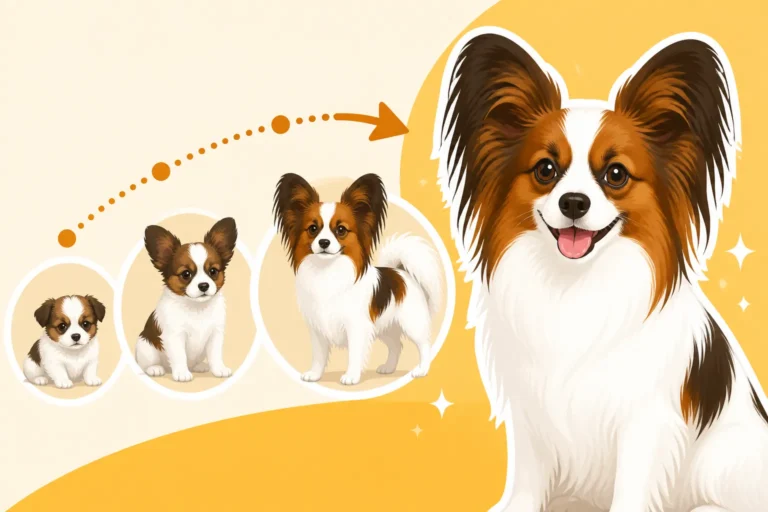
When you first bring home a Papillon puppy, their coat, including their future fringe, will be much shorter and fluffier than that of an adult. It's adorable, of course, but it doesn't quite prepare you for the magnificent display to come. The process of the fringe developing into its full glory is a gradual one, and it's certainly not an overnight transformation.
Typically, a Papillon's adult coat begins to truly fill in and lengthen around the age of 6 months to a year. However, the most impressive feathering – particularly on the ears, chest, and tail – might continue to develop and become even more profuse up to two or three years of age. It's a bit like watching a fine wine mature; it gets better with time! So, if your young Papillon doesn't yet have the dramatic fringes you've seen in pictures, don't worry, they're likely still growing into their full splendor. This gradual development is a natural part of The Age a Papillon's Adult Coat Arrives.
Factors Affecting Fringe Length and Density
Several factors can influence how long and dense a Papillon's fringe ultimately becomes. These are often a mix of genetics, care, and even hormonal changes.
First and foremost, genetics play a huge role. Just like humans inherit hair color and texture, Papillons inherit their coat characteristics from their parents. Some bloodlines are simply known for producing dogs with exceptionally profuse and long feathering, while others might have a slightly more moderate coat. When choosing a puppy, looking at the parents' coats can often give you a good indication of what to expect for your own dog. A reputable breeder will also be able to tell you about the typical coat development in their lines.
Hormonal changes can also affect coat quality and length. For instance, spaying or neutering a Papillon can sometimes lead to changes in their coat texture, making it softer, thicker, or even a bit more prone to matting. This isn't universally true for all Papillons, but it's something to be aware of. You can read more about this phenomenon in Whether a Spayed Papillon's Coat Changes.
Nutrition is another critical component. A healthy coat, especially one with long, silky fringes, requires good internal support. A diet rich in high-quality protein, essential fatty acids (like Omega-3 and Omega-6), and vitamins can make a significant difference in the coat's luster, strength, and overall health. Brands like Ollie, known for their fresh, human-grade ingredients, can provide excellent nutritional foundations that contribute to a vibrant, healthy coat. Conversely, a poor diet can result in a dull, brittle coat that may not grow as long or be as resilient.
Finally, age can also play a part. As Papillons enter their senior years, their coats might thin slightly or become a bit more coarse. This is a natural part of aging and something to consider when you're Caring for an Aging Papillon. While you can't stop the aging process, continued good care and appropriate nutrition can help maintain their coat's quality for as long as possible.
Here's a quick comparison of the different coat lengths and their care needs:
| Coat Section | Typical Length (Relative) | Texture | Care Considerations |
|---|---|---|---|
| Body Coat | Moderate (a few inches) | Silky, flat | Relatively low matting risk, general brushing |
| Ear Fringe | Very Long (several inches +) | Silky, flowing | High matting risk, daily gentle brushing, protect from food/water |
| Chest Frill | Long (several inches) | Silky, flowing | Moderate matting risk, regular brushing |
| Culottes | Long (several inches) | Silky, flowing | Moderate matting risk, regular brushing, keep clean after walks |
| Tail Plume | Very Long (can be quite dramatic) | Silky, dense | Moderate matting risk, regular brushing, protect from sitting on |
In conclusion, the stunning visual appeal of a Papillon largely comes from the generous length and silkiness of its fringe, which is indeed deliberately longer and more profuse than the hair on its main body. These areas – the ears, chest, culottes, and tail – are what truly define the breed's elegant and butterfly-like appearance. While the body coat is lovely and flowing, it's the contrast with the dramatic feathering that makes a Papillon so utterly captivating. With consistent and appropriate grooming, you can ensure your Papillon's magnificent coat remains a source of beauty and pride for years to come.
Disclaimer
This article is for general informational purposes only and does not constitute professional advice. Laws, prices and regulations vary by location and change over time. Consult a qualified professional for guidance on your specific situation.