Whether a Papillon’s Ear Fringe Can Be Encouraged
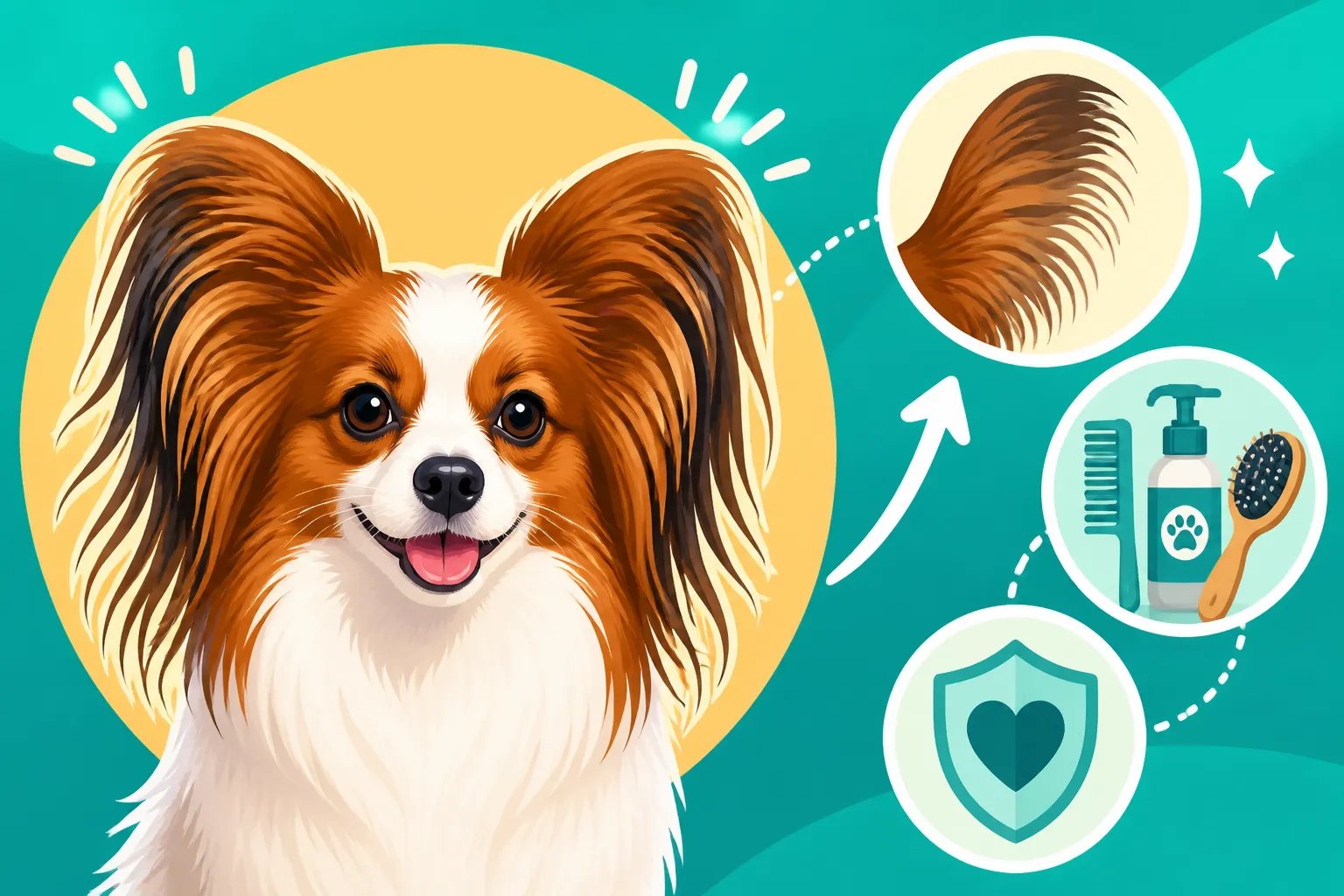
It’s a common wish for us Papillon owners, isn't it? We look at those magnificent, butterfly-like ears, adorned with their signature silky fringe, and we just want them to be as glorious and full as possible. We see pictures of Papillons with fringe that sweeps the floor, and we wonder if there's a secret to helping our own furry companions achieve that same breathtaking cascade. This guide will dive into the realities of Papillon ear fringe growth, what truly influences it, and the practical steps you can take to encourage your Papillon's ears to reach their full, beautiful potential.
The Natural Growth Cycle and Genetic Blueprint of Papillon Ear Fringe
The first step in encouraging your Papillon's ear fringe is to understand that, like so many things with our beloved companions, genetics play an enormous role. While we can certainly enhance what nature provides, we can't fundamentally change the genetic code that dictates hair growth.
Understanding Your Papillon's Genetic Potential
Just like humans, dogs inherit specific traits from their parents, and coat quality and length are high on that list. Some Papillons are simply born with a genetic predisposition for incredibly abundant, long, and flowing ear fringe, while others will naturally have a slightly sparser or shorter fringe. It’s not a reflection of your care or your dog's health, but rather the luck of the draw in the genetic lottery.
A responsible breeder, one who truly cares about the breed standard and the health of their lines, will consider coat quality when making breeding decisions. They'll know which lines consistently produce excellent fringe and which might be on the thinner side. When you're looking for a puppy, observing the parents and even grandparents (if possible) can give you a good indication of the kind of coat and fringe your puppy might develop. Don't be shy about asking a breeder about the coat types in their line, as they often have a keen eye for such details. Remember, a Papillon's coat is all about elegance, and the fringe is a key component, even if it varies slightly in density from dog to dog. You might also be interested in reading A Papillon's Coat Is All Fringe and No Undercoat for more on their unique coat type.
The Age and Developmental Stages of Fringe Growth
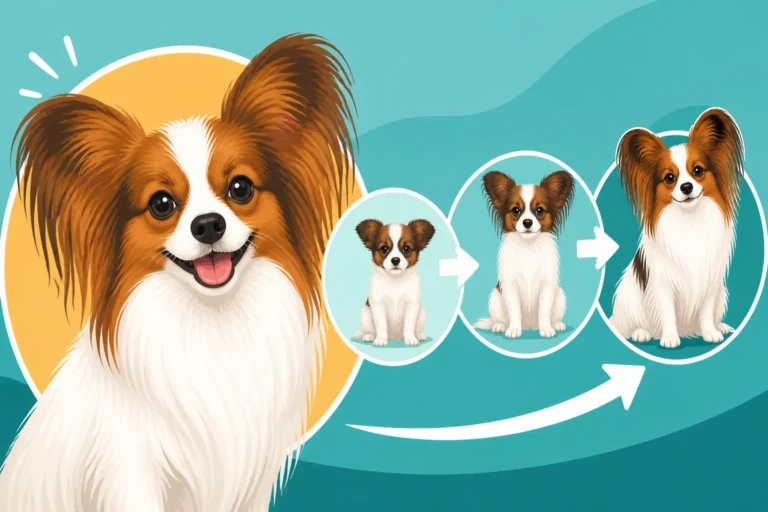
Papillon puppies don't emerge from the womb with fully feathered ears. Like human children growing into their hair, a Papillon's fringe develops over time. Initially, it might be soft and sparse, giving little hint of the grandeur to come. You'll likely notice the ears starting to "feather out" more noticeably around 6 months to a year of age. This is when the distinctive long hairs begin to really emerge and define that classic butterfly shape.
However, the fringe doesn't stop growing at one year. It continues to lengthen and thicken well into adulthood, often reaching its full splendor between two and three years of age, and sometimes even a bit later. It's a journey, not an overnight transformation. So, if your young Papillon's ears aren't yet rivaling those show dogs, don't despair! Patience is truly a virtue here. Give those magnificent ears time to mature and develop. If you're wondering about the timing of this, our article When a Papillon's Ear Fringe Grows In has even more details on this process.
Nurturing Lush Ear Fringe Through Optimal Nutrition
You can't expect glorious fringe if the building blocks for healthy hair aren't there. Just as strong, healthy human hair relies on good nutrition, so too does your Papillon's coat. What goes into their bowl directly impacts what you see on their ears.
The Role of a High-Quality Diet
The foundation of a healthy, lustrous coat, including that beautiful ear fringe, begins with a top-notch diet. Think of your Papillon's coat as an outward reflection of their inner health. A dog fed a diet rich in high-quality protein, essential fatty acids (especially omega-3s and omega-6s), and a full spectrum of vitamins and minerals will naturally have a healthier, shinier coat and, yes, often more robust fringe.
Avoid generic, filler-heavy foods. Look for dog foods where meat is the first ingredient, and steer clear of excessive corn, wheat, and soy if your dog shows sensitivities. Many owners find success with premium kibbles, fresh-prepared diets, or even carefully balanced raw diets. Brands like Ollie, for instance, offer human-grade fresh food options that many believe contribute significantly to coat health. You can also find a vast selection of high-quality kibble options on sites like Chewy, making it easier to compare ingredients and find something truly beneficial. Ensuring your Papillon gets sufficient calories and nutrients is key, so make sure you're feeding them appropriately for their size and activity level. How Much an Adult Papillon Eats is a good resource if you're unsure about portion sizes for your tiny friend.
Supplements for Coat Health: When and What to Consider
Even with a fantastic diet, some Papillons can benefit from targeted supplementation, especially if you're trying to encourage optimal fringe growth or address a dull coat. The most commonly recommended supplements for coat health are omega fatty acids, particularly those derived from fish oil. These healthy fats are crucial for skin hydration and elasticity, which in turn supports healthy hair follicles.
Biotin, zinc, and specific vitamin complexes designed for skin and coat can also be beneficial. Before adding any supplements to your Papillon's diet, it's always wise to have a conversation with your veterinarian. They can help assess your dog's individual needs, rule out any underlying health issues that might be affecting coat quality, and recommend appropriate dosages. You can find a wide range of these supplements from reputable brands on platforms like Amazon or Chewy, but remember, quality matters, so read reviews and ingredient lists carefully.
Gentle Grooming Practices to Preserve and Promote Ear Fringe
It's not just about growing the fringe; it's about keeping it. The delicate, long hairs of a Papillon's ears are prone to tangles, mats, and breakage if not cared for properly. Regular, gentle grooming is paramount to preserving the length and beauty of that signature fringe.
The Art of Daily Brushing and Detangling
The Papillon's long, silky coat, especially the ear fringe, is designed to be elegant, but it needs a little help to stay that way. Daily brushing is truly non-negotiable if you want to prevent mats and allow the fringe to grow long and full. Mats are the enemy of long hair; they pull on the skin, can be painful, and often necessitate cutting out sections of hair, which defeats the purpose of encouraging growth.
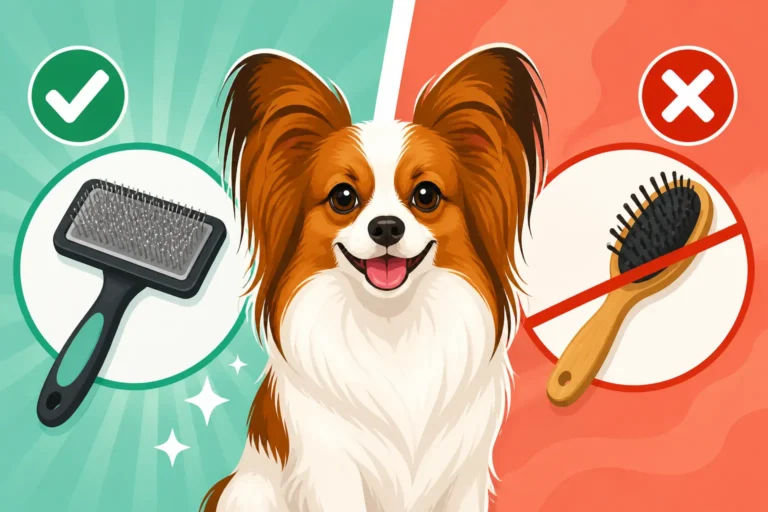
Use a good quality pin brush or a fine-toothed comb, ideally one designed for delicate coats. Start at the tips of the hair and work your way down to the base, being incredibly gentle. Always support the hair near the skin with your other hand to minimize pulling. A light spritz of detangling spray can also help make the process smoother and reduce static. Pay special attention to the areas behind the ears, under the chin, and where the ears meet the neck, as these are common matting spots. Regularly brushing helps distribute natural oils, keeps the hair clean, and stimulates circulation to the skin, all contributing to healthy growth. For more details on tools and techniques, check out Which Brush a Papillon Needs and How Often a Papillon Needs Brushing. When you brush, remember that Whether a Papillon's Ears Should Be Brushed Separately is often the best approach to give them the focused attention they need.
Bathing and Conditioning for Ear Health
While daily brushing is key, regular bathing and conditioning also play an important role in maintaining clean, healthy fringe. The frequency of bathing depends on your Papillon's lifestyle, but typically every 2-4 weeks is a good guideline, or more often if they get particularly dirty.
When bathing, use a gentle, moisturizing dog shampoo, followed by a good quality conditioner. The conditioner helps to smooth the hair cuticles, making the fringe less prone to tangles and breakage. Make sure to thoroughly rinse all shampoo and conditioner out to prevent skin irritation or residue buildup. After bathing, gently towel-dry, then use a hairdryer on a low, cool setting while continuing to brush the fringe. This helps to dry the hair straight and prevent it from curling or matting as it dries. Avoid rubbing vigorously with a towel, as this can create tangles. For more bathing tips, our article How Often a Papillon Should Be Bathed offers practical advice.
Protecting the Fringe from Damage
Even with the best nutrition and grooming, physical damage can impede fringe growth. Papillons, despite their dainty appearance, are often adventurous and playful. Those long ear fringes can easily get caught on furniture, snagged on branches during walks, or even become chew toys for a playful housemate.
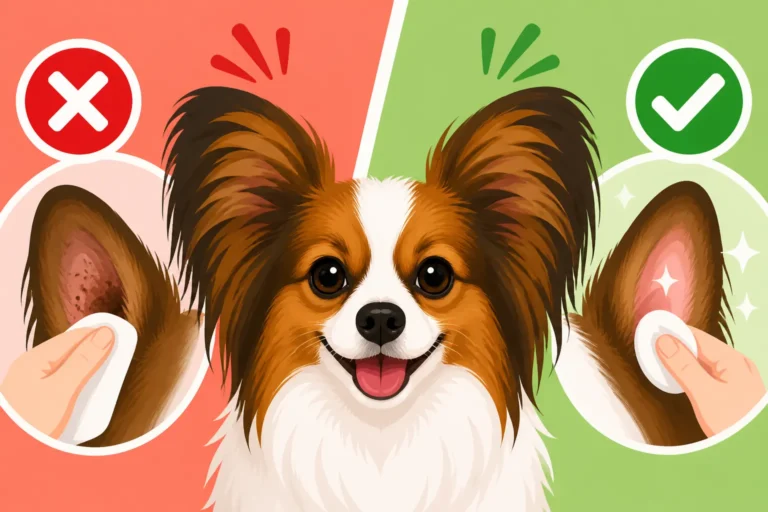
Consider using a snood (a soft tube of fabric that covers the ears) when your Papillon is eating messy food, playing outdoors in rough terrain, or during long car rides where the wind could whip the ears. This simple accessory can provide a surprising amount of protection. Regularly check for burrs, twigs, or other debris that might get caught in the fringe. If your Papillon scratches their ears frequently, investigate the cause (allergies, ear infection, dryness) and address it promptly, as excessive scratching can break and thin the delicate hair. Thinking about how the breed came to be, The Ear Fringe That Gives the Papillon Its Name really emphasizes why protecting these magnificent features is so important.
Setting Realistic Expectations and Addressing Challenges
While we all want our Papillons to have the most magnificent ears possible, it’s important to manage our expectations. Sometimes, despite our best efforts, nature simply has its own plans.
Understanding What's Beyond Your Control
As we discussed, genetics are a dominant factor. You can provide the absolute best care, nutrition, and grooming, and your Papillon might still have thinner or shorter fringe than you might envision from show photos. That doesn't mean your dog is any less beautiful or healthy. It simply means their genetic predisposition leaned towards a different fringe type. It's crucial to love and appreciate your Papillon for who they are, magnificent fringe or not.
Focus on overall health and happiness. A healthy, well-cared-for Papillon will always have the best coat they can possibly have, regardless of whether it reaches floor-sweeping lengths. Sometimes, we hear owners express concern about Why a Papillon's Ear Fringe Is Thin, and often, the answer is simply genetics. There's no magic serum to turn a genetically thin fringe into a thick one.
Common Issues and Troubleshooting
If your Papillon's fringe seems to be thinning, breaking, or not growing as expected, and it's a noticeable change, it's time to investigate. This could be a sign of an underlying health issue rather than just genetics.
Possible culprits include:
- Allergies: Skin allergies can cause itching and irritation, leading to scratching and hair breakage.
- Parasites: Fleas or mites can cause intense itching and subsequent hair loss.
- Nutritional Deficiencies: While rare with a good diet, some absorption issues could lead to problems.
- Hypothyroidism: An underactive thyroid can manifest in a dull, dry, or thinning coat.
- Stress: Believe it or not, chronic stress can impact coat quality.
- Aging: As Papillons get older, their coat might thin naturally. You might notice similar changes covered in What Changes in an Aging Papillon's Care.
If you notice any significant changes, a visit to your veterinarian is the best course of action. They can perform diagnostic tests to rule out medical conditions and provide appropriate treatment or recommendations. Maintaining good general health, including regular vet check-ups for things like Patellar Luxation Is the Papillon Problem You Will Actually Meet or The Papillon Type of Progressive Retinal Atrophy and the CNGB1 Gene, ensures your dog has the best foundation for a beautiful coat.
Remember, while specific methods might encourage healthy growth and prevent breakage, the ultimate length and density of your Papillon's ear fringe are largely determined by their genetic heritage. Our job as owners is to provide the best possible environment for that natural beauty to flourish.
| Factor | Impact on Ear Fringe Growth | How to Encourage / Address It |
|---|---|---|
| Genetics | Primary determinant of length and density | Choose a puppy from lines known for good coats; manage expectations. |
| Age | Fringe develops and thickens over time | Be patient; full growth typically by 2-3 years. |
| Diet Quality | Provides building blocks for healthy hair | Feed high-quality protein, omega-rich diet (e.g., Ollie, premium kibble from Chewy). |
| Supplements | Can support skin and coat health | Consult vet; consider fish oil, biotin (available on Amazon/Chewy). |
| Brushing Habits | Prevents mats, distributes oils, stimulates skin | Daily gentle brushing with a pin brush/comb; detangling spray. |
| Bathing & Conditioning | Keeps hair clean, moisturized, reduces breakage | Use gentle shampoo/conditioner; rinse thoroughly; blow-dry carefully. |
| Physical Damage | Snagging, chewing, rough play can break hair | Use snoods, check for debris, supervise play; address scratching. |
| Underlying Health Issues | Can cause thinning, breakage, poor quality | Consult vet for sudden changes; address allergies, thyroid issues. |
Ultimately, while you can't create fringe where none is genetically destined to be, you can certainly maximize the potential of your Papillon's beautiful ears through thoughtful care, excellent nutrition, and diligent grooming. Enjoy the process of watching those butterfly ears unfurl into their full glory!
Disclaimer
This article is for general informational purposes only and does not constitute professional advice. Laws, prices and regulations vary by location and change over time. Consult a qualified professional for guidance on your specific situation.