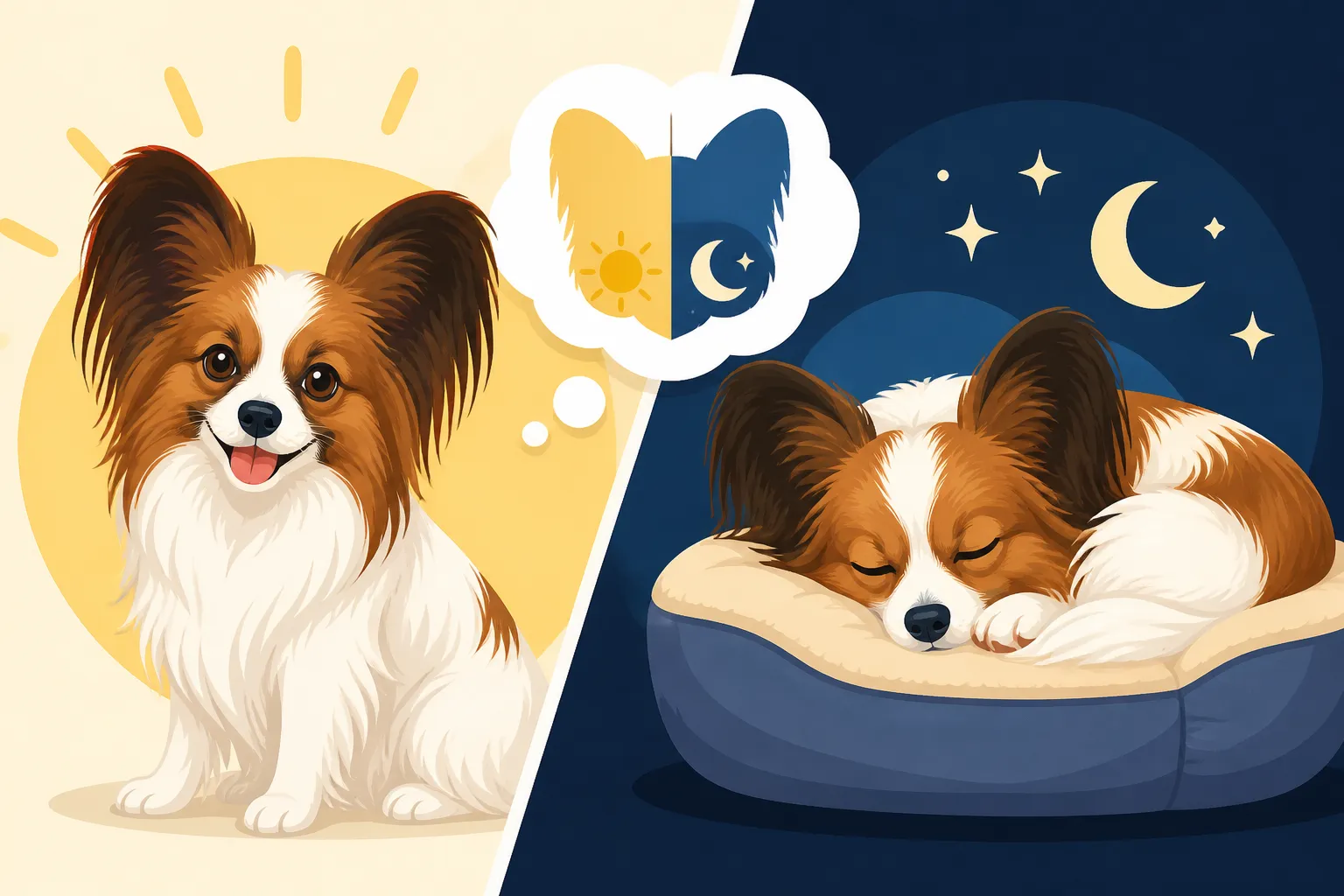
Whether an Aging Papillon Sleeps More
It’s a common scenario: you look over at your beloved Papillon, and there they are, curled up in a little ball, sound asleep, perhaps for the third time before noon. You might wonder, "Is this normal? Are they just getting old, or is something else going on?" It's a natural concern when you see changes in your older companion, especially when it comes to something as fundamental as sleep. This guide is here to help you understand why your aging Papillon might be sleeping more and how to tell the difference between typical senior dog behavior and something that needs a vet's attention.
Understanding Normal Sleep Patterns in Papillons
Just like us, dogs have varying sleep needs throughout their lives. It's not a one-size-fits-all situation, and what's normal for a vibrant young adult isn't necessarily normal for a wise old senior. Understanding these baselines can help you gauge changes as they age.
Puppy vs. Adult Sleep
Think back to when your Papillon was a tiny fluffball. Papillon puppies are notorious for their boundless energy, tearing around the house one minute, then collapsing into a deep sleep the next. They need a tremendous amount of sleep—often 18-20 hours a day—to support their rapid growth and development. This sleep is frequently broken into many short naps throughout the day, punctuated by bursts of zoomies and play. Their bodies and brains are working overtime, and rest is crucial.
As they transition into adulthood, usually around one year of age, their sleep patterns stabilize. An adult Papillon might sleep anywhere from 12 to 14 hours a day, including overnight sleep and several naps. These naps might be shorter and less frequent than a puppy's, but they are still an essential part of their routine. They learn to sleep through the night, often curled up beside you or in their favorite bed, and their daytime naps are usually taken in quiet spots around the house. They maintain a higher energy level during their waking hours, ready for walks, training, or playtime.
Factors Affecting Daily Sleep
Even in their prime, a Papillon's daily sleep can fluctuate based on various factors. A particularly active day, perhaps a long hike or an intense agility training session, might lead to longer and deeper sleep that night and more frequent naps the following day. Conversely, a lazy day spent mostly on the couch might mean they're a bit more restless at bedtime.
Weather plays a role too. On a gloomy, rainy day, your Papillon might be more inclined to snooze by the window, while a bright, sunny day might encourage more outdoor activity. Their routine also dictates a lot: if you have a consistent schedule for walks, meals, and playtime, their body clock tends to follow, leading to predictable sleep patterns. Changes in the household, like visitors, a new pet, or even just a rearranged furniture layout, can temporarily disrupt their sleep as they adjust. Remember, the Papillon is an intelligent and sensitive breed; they pick up on subtle cues around them. How Sensitive a Papillon Is can greatly influence their daily rest.
Why Your Aging Papillon Might Be Sleeping More
It’s completely normal for an older Papillon to start logging more hours in dreamland. Their bodies are changing, just like ours do. However, it’s not always just about age; sometimes, increased sleep can be a signal that something deeper is at play.
Natural Physiological Changes
As your Papillon moves into its senior years, typically around the age of 8-10, you'll likely notice a gradual shift in their energy levels and, consequently, their sleep. The Age a Papillon Is Considered Senior can vary slightly, but generally, this is when these changes become more apparent. Their metabolism slows down, meaning they don't burn as much energy just living their day-to-day life. This natural decrease in metabolic rate directly translates to needing less intense activity and more rest. Their bodies simply aren't as efficient at repairing themselves as they once were, so they require more downtime for recovery.
Joint stiffness or arthritis, common in many older dogs, can also contribute to increased sleep. Think about it: if every movement causes discomfort, your dog will naturally prefer to rest more. While Papillons are generally a healthy breed, issues like Patellar Luxation Is the Papillon Problem You Will Actually Meet can worsen with age, making movement painful. They might still want to go on walks, but they might not bounce back as quickly, opting for a long nap afterward. Their senses might also diminish, making the world a little less stimulating and leading them to seek out quiet comfort.
Underlying Health Concerns
While some extra sleep is normal, a significant or sudden increase, especially when coupled with other symptoms, could be a red flag for an underlying health issue. For example, conditions like hypothyroidism, where the thyroid gland doesn't produce enough hormones, can cause lethargy and excessive sleeping. Heart disease, which some Papillons can develop later in life, can also lead to reduced energy and increased rest as their heart struggles to pump blood efficiently. Whether a Papillon Gets Heart Disease is a common concern for owners of older dogs.
Chronic pain from conditions such as severe arthritis that has progressed beyond simple stiffness can also manifest as increased sleep. Your Papillon might be trying to escape discomfort by resting more. Neurological issues, while less common, could also affect sleep-wake cycles. Even dental pain, which is incredibly common in Papillons due to their small jaws, can make them less active and more prone to resting. How Common Dental Disease Is in Papillons is something every Papillon owner should be aware of, especially as their dog ages. Any notable change in sleep, appetite, water intake, or behavior warrants a visit to your veterinarian.
Environmental and Lifestyle Adjustments
Sometimes, the increased sleep isn't entirely physiological but a response to changes in their environment or routine. If your household has become quieter, perhaps children have grown up and moved out, or your own lifestyle has become more sedentary, your Papillon might simply be adapting to the new pace. Less stimulation can naturally lead to more napping.
A lack of appropriate mental or physical exercise can also contribute. While older Papillons need less intense activity, they still need mental engagement to stay sharp and physically active enough to maintain muscle tone. If they're not getting enough short, gentle walks, puzzle toys, or training sessions, they might become bored and fill their time with sleep. Conversely, too much activity can also lead to exhaustion and prolonged recovery, causing them to sleep more than usual. Finding that delicate balance is key for a senior Papillon's well-being.
Differentiating Normal Aging Sleep from Problematic Sleep
It can feel like a tightrope walk trying to figure out if your senior Papillon's extra naps are just part of getting older or a sign you need to call the vet. The key is observation and looking for accompanying clues.
Key Signs to Watch For
Normal senior dog sleep often means more frequent, but still restful, naps. They might take longer to wake up, but once they're up, they are still engaged, happy to greet you, eat, and go for a gentle stroll. Their eyes are bright, and their appetite is generally consistent. They might still have bursts of playful energy, albeit shorter ones. A good indicator is their overall demeanor during waking hours. Do they still seem interested in life? Do they enjoy their favorite toys or cuddle sessions? Do they perk up for treats? If so, the extra sleep might just be normal aging.
However, if your Papillon's increased sleep comes with other noticeable changes, it's time to pay closer attention. Signs that point to a potential problem include:
- Difficulty Waking Up: If it's unusually hard to rouse them, or they seem disoriented when they do wake.
- Lack of Interest: They might ignore things they once loved, like playtime, walks, or even food.
- Changes in Appetite or Thirst: Eating significantly more or less, or drinking excessive amounts of water, can be symptoms of various health issues.
- Changes in Elimination: Accidents in the house, or noticeable changes in the frequency or consistency of urine or stool.
- Changes in Gait or Movement: Limping, stiffness that doesn't improve after they warm up, stumbling, or reluctance to use stairs or jump on furniture.
- Vocalization Changes: Increased whining, groaning, or restlessness, especially at night. Night Confusion in an Old Papillon can be a sign of cognitive dysfunction.
- Behavioral Shifts: Sudden aggression, increased anxiety, or unusual confusion.
It's about the bigger picture. One small change might be nothing, but a combination of several symptoms alongside increased sleep warrants investigation.
When to Consult Your Vet
You should always consult your veterinarian if you notice any significant or sudden changes in your Papillon's sleep patterns or behavior. Don't wait until the symptoms are severe. Early detection of many age-related conditions can lead to better outcomes and management. If you're seeing any of the "red flag" signs mentioned above, make that appointment. It's better to be safe than sorry.
Your vet will likely perform a thorough physical examination, ask about your observations, and may recommend blood tests, urinalysis, or other diagnostic procedures to rule out underlying medical conditions. For instance, What a Papillon's Yearly Bloodwork Should Cover often includes tests that can detect issues like thyroid imbalances or kidney problems. Describing your observations in detail – when the changes started, what other symptoms you've noticed, how often they're sleeping, and what their waking behavior is like – will be incredibly helpful to your vet in pinpointing the cause.
Supporting Your Senior Papillon's Rest and Well-being
Once you've determined that your Papillon's increased sleep is either normal aging or a managed health condition, there's plenty you can do to ensure their senior years are comfortable and full of restful peace.
Creating a Comfortable Sleep Environment
Comfort becomes paramount for an aging Papillon. Their joints might ache, their bodies might get colder faster, and they might simply appreciate a softer landing. Investing in an orthopedic dog bed can make a world of difference. These beds are designed to support joints and muscles, easing pressure points. You can find excellent options on platforms like Chewy or Amazon, often with memory foam or supportive fillings. Place their bed in a quiet, draft-free spot where they feel secure and can truly relax without interruption.
Consider blankets or cozy covers. Many older dogs, especially smaller breeds like Papillons with their single coat, can get chilly more easily. Whether an Old Papillon Feels the Cold is a common concern. A soft blanket they can burrow into will provide warmth and a sense of security. If they are prone to accidents, consider washable bed covers or waterproof liners to make cleaning easier. Consistency in their sleeping arrangements also helps; keeping their bed in the same place and their routine predictable contributes to their sense of calm.
Managing Daily Routines and Exercise
Even though they're sleeping more, regular, gentle activity is still crucial for senior Papillons. It helps maintain muscle tone, joint flexibility, and mental stimulation. Instead of one long, strenuous walk, try several shorter, slower strolls throughout the day. This reduces strain and allows for more frequent bathroom breaks. A gentle walk around the block or a slow sniff-walk in the yard can do wonders for their spirits and bodies.
Mental exercise is just as important. Engage them with puzzle toys, short training sessions to practice old tricks, or even just some gentle interaction with family members. This keeps their minds sharp and prevents boredom without over-exerting their physical body. Remember, a bored Papillon might sleep more out of lack of stimulation rather than true need. What Mental Work a Papillon Needs is something to consider for all ages, but especially for seniors. Keep a consistent schedule for meals, potty breaks, and short walks. Predictability can reduce anxiety and contribute to better overall rest.
Nutritional Support for Senior Dogs
Nutrition plays a vital role in supporting your aging Papillon's health and energy levels, indirectly affecting their sleep. As their metabolism slows, they might need fewer calories to maintain a healthy weight. Why an Overweight Papillon Strains Its Knees is a serious consideration, as extra weight puts undue pressure on their joints, exacerbating any discomfort and leading to more sleep due to pain. Your vet can help you determine the right caloric intake for your senior dog based on their activity level and overall health.
Look for senior-specific dog foods, as these are often formulated with ingredients to support aging bodies, such as joint supplements (glucosamine and chondroitin), higher-quality protein for muscle maintenance, and sometimes lower phosphorus levels for kidney health. Brands like Ollie offer fresh food options that can be tailored to a senior dog's needs, and many reputable kibble brands available at Chewy or Amazon also have excellent senior formulas. If your Papillon has lost some teeth or struggles with chewing, consider softening their kibble with warm water or switching to wet food. Feeding a Papillon With Few Teeth is a common challenge that good nutrition can help overcome. Always ensure they have access to fresh water, as hydration is critical for all bodily functions.
Changes in Papillon Sleep Patterns Over Time
As your Papillon moves through its golden years, their sleep habits will continue to evolve. It's a journey, not a static state.
| Age Stage | Typical Sleep Hours (approx.) | Common Behaviors | Potential Concerns |
|---|---|---|---|
| Puppy (0-1 yr) | 18-20+ hours (naps & overnight) | Short bursts of high energy, frequent sudden crashes into deep sleep. | Hypoglycemia (low blood sugar), overtiredness, disrupted night sleep. |
| Adult (1-8 yrs) | 12-14 hours (overnight & naps) | Consistent overnight sleep, 2-3 shorter naps during the day, active when awake. | Occasional restlessness due to under-stimulation, behavioral issues. |
| Senior (8+ yrs) | 14-16+ hours (more frequent/longer naps) | Longer and more frequent naps, slower to rouse, still engaged when awake. | Underlying pain, cognitive decline, organ dysfunction, excessive lethargy. |
This table provides a general guideline, but remember that every dog is an individual. A senior Papillon still thriving and enjoying life, even with a few extra naps, is a wonderful thing. The key is monitoring and making sure those naps are for genuine rest, not an escape from discomfort or illness.
Conclusion
Watching your beloved Papillon age brings a mix of joy and a touch of concern, especially when you notice changes in their habits, like sleeping more. Rest assured, a certain increase in sleep is a perfectly normal part of the aging process for our wonderful butterfly-eared companions. Their bodies simply aren't the young, energetic machines they once were, and they need more time to recharge.
However, it's also our responsibility as their devoted caregivers to be vigilant. Knowing the difference between the natural slowdown of age and the subtle signs of an underlying health issue is crucial. By observing their overall demeanor, providing a comfortable and safe environment, maintaining gentle routines, and supporting them with appropriate nutrition, you can ensure your senior Papillon enjoys their golden years filled with peaceful rest and happy, waking moments. And, as always, when in doubt, a conversation with your trusted veterinarian is the best path forward to keep your little one as healthy and content as possible.
Disclaimer
This article is for general informational purposes only and does not constitute professional advice. Laws, prices and regulations vary by location and change over time. Consult a qualified professional for guidance on your specific situation.