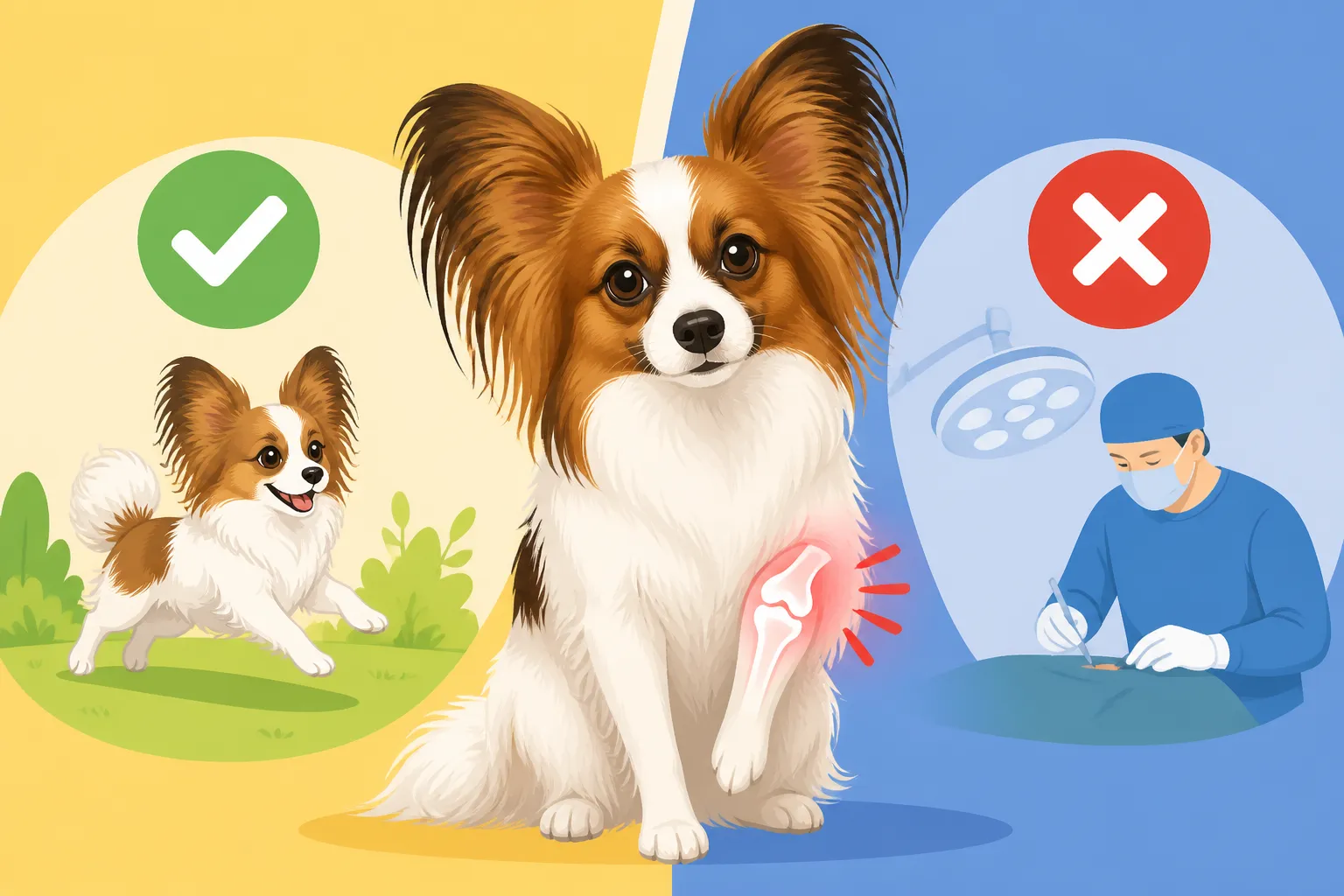
Whether a Papillon Needs Knee Surgery
It’s a heart-dropping moment when you see your beloved Papillon suddenly skip a step, hold up a tiny leg, or even yelp in pain. For many Papillon parents, this immediate fear often leads to the question of patellar luxation, a common knee issue in our small, active friends. Deciding whether your Papillon needs knee surgery isn't just a medical question; it's a deeply emotional and financial one that comes with a lot of worry and uncertainty. This guide is here to walk you through the ins and outs of patellar luxation in Papillons and help you understand when surgery might be the best path forward for your little one.
Understanding Patellar Luxation in Papillons
When you have a Papillon, you quickly learn about their boundless energy and surprising athleticism, but also about the potential health quirks that come with being a small, purebred dog. Patellar luxation, or a "slipping kneecap," is unfortunately high on that list for our butterfly-eared companions. It’s not just a minor inconvenience; it can significantly impact their comfort and mobility.
What Exactly is Patellar Luxation?
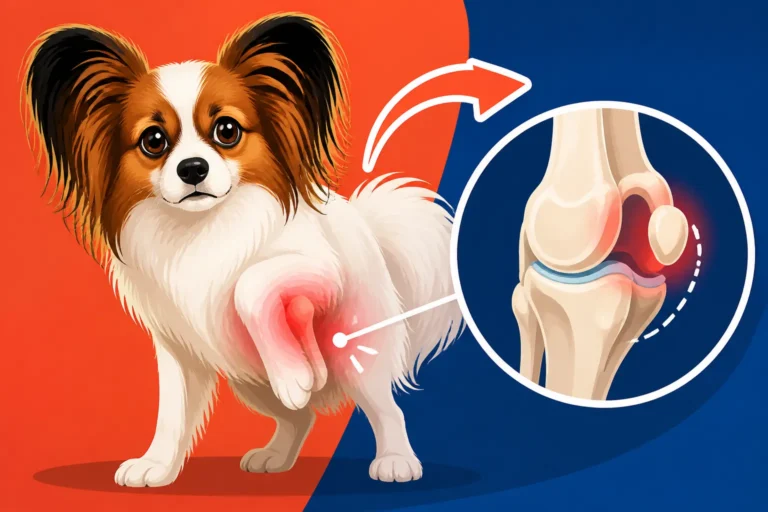
At its simplest, patellar luxation means the kneecap (patella) dislocates or slips out of its normal groove on the thigh bone (femur). Think of your own kneecap – it sits in a shallow groove at the end of your thigh bone, allowing it to glide smoothly as you bend and straighten your leg. In dogs with patellar luxation, this groove might not be deep enough, or the alignment of the bones and ligaments might be off, causing the kneecap to pop out of place. This can happen towards the inside of the leg (medial luxation, which is most common in small breeds like Papillons) or, less frequently, to the outside (lateral luxation).
Veterinarians classify patellar luxation into four grades, from mild to severe:
- Grade 1: The kneecap can be manually displaced but pops back into place on its own. Your Papillon might show no symptoms or only an occasional skip.
- Grade 2: The kneecap spontaneously luxates (slips out) but often returns to its normal position on its own. You might see your Papillon skip steps more frequently, hold their leg up for a few steps, and then put weight back on it as if nothing happened.
- Grade 3: The kneecap is luxated most of the time but can be manually returned to its groove. Your Papillon will likely show consistent lameness, a bowed-leg appearance, or be reluctant to bear weight on the affected leg.
- Grade 4: The kneecap is permanently luxated and cannot be manually repositioned. This is severe, causing significant lameness, chronic pain, and often a squatting or crouched gait. The bones and joints will likely be significantly deformed.
Understanding these grades is really important, as they often dictate the recommended course of action. It's not just about what you see; it's about the underlying mechanics. For a deeper dive into the mechanics, you might want to read more about What Patellar Luxation Does to a Papillon.
Why Papillons Are Prone to This Issue
It’s truly frustrating when you discover your beloved breed has a predisposition to certain health problems, and patellar luxation is one of them for Papillons. Their small size and specific bone structure make them particularly vulnerable. It's often a congenital condition, meaning they are born with the anatomical abnormalities that make luxation likely, even if symptoms don't appear until later in life.
The primary reasons Papillons are more susceptible include:
- Shallow Trochlear Groove: The groove in the femur where the kneecap sits can be naturally too shallow in some Papillons, offering less stability.
- Misalignment: The thigh bone, kneecap, and shin bone (tibia) might not be perfectly aligned. If the quadriceps muscle pulls inward or outward, it can pull the kneecap out of its groove.
- Genetics: Patellar luxation has a strong genetic component. Reputable breeders will screen their breeding dogs for this condition to try and reduce its incidence in future generations. This is why when you're looking for a puppy, asking about parental health clearances, especially OFA (Orthopedic Foundation for Animals) certifications for patellas, is crucial. It’s not a guarantee, but it certainly improves your odds.
Recognizing the Signs of a Slipping Kneecap
Sometimes the signs are so subtle, you might wonder if you're imagining things. But as a Papillon owner, you become acutely aware of your dog's movements. Early detection is key to managing this condition effectively, whether through conservative means or surgery.
Here are some common signs that your Papillon might have a slipping kneecap:
- Intermittent Skipping or Hopping: This is the hallmark sign. Your Papillon might run along, suddenly skip a few steps, hold up a back leg, and then resume normal running as if nothing happened. This is often when the kneecap has slipped out and then popped back in.
- Reluctance to Jump or Use Stairs: If your normally agile Papillon hesitates before jumping on the sofa or climbing stairs, pain or discomfort in their knees could be the reason.
- Limping or Lameness: In more severe cases (Grade 3 or 4), your Papillon might consistently limp, refuse to put weight on a leg, or even walk with a crouched or bowed-leg stance.
- Pain Response: While small dogs are notoriously stoic, you might notice them yelping, flinching, or becoming irritable if you touch their knee or manipulate their leg.
- Swelling or Grinding Sensation: In chronic or severe cases, you might feel a slight swelling around the knee, or even a 'grinding' sensation when you gently flex the leg (though this is best assessed by a vet).
- Changes in Activity Level: A reduction in overall playfulness or exercise tolerance could be a subtle indicator that something is amiss with their joints.
Don't dismiss these behaviors, especially the skipping. It's a common trait of luxating patellas in small dogs. If you've noticed any of these, it's time for a vet visit. For more detailed insights into what to look for, check out Signs a Papillon's Kneecap Slips.
When is Surgery Absolutely Necessary for Your Papillon?
This is the big question, isn't it? No one wants to put their little friend through surgery unless it's truly necessary. It's a weighty decision, and your veterinarian, possibly in consultation with an orthopedic specialist, will help you navigate it. It's not always a clear-cut "yes" or "no" and depends heavily on the severity of the luxation, the pain your Papillon is experiencing, and the long-term prognosis without intervention.
Grades of Luxation and Surgical Recommendations
While individual cases vary, there are general guidelines for when surgery becomes the primary recommendation based on the grading system:
- Grade 1 Luxation: Surgery is rarely recommended for Grade 1 patellar luxation. Many Papillons with Grade 1 might never show significant symptoms or pain. Management often focuses on weight control, joint supplements, and avoiding activities that put excessive strain on the knee. Regular monitoring by your vet is crucial to ensure it doesn't progress.
- Grade 2 Luxation: This is often the gray area. If your Papillon with Grade 2 luxation experiences frequent skipping, lameness, or signs of pain that impact their quality of life, surgery might be considered. The decision here often weighs the discomfort and risk of future complications (like arthritis and ACL tears) against the risks and recovery of surgery. If conservative management isn't effective, surgery becomes a stronger option.
- Grade 3 and 4 Luxation: For Grades 3 and 4, surgery is almost always recommended. These higher grades involve chronic displacement of the kneecap, significant pain, functional impairment, and often lead to severe arthritis and further joint damage if left untreated. Delaying surgery in these cases can result in irreversible changes to the joint, making future surgical outcomes less successful.
It's important to remember that these are guidelines. Your vet will assess your Papillon holistically, considering their age, overall health, activity level, and how much pain they seem to be in. To understand more about this critical decision-making, you can read Which Grade of Luxation Needs Fixing in a Papillon.
Impact on Quality of Life
Beyond the clinical grading, a major factor in the decision for surgery is your Papillon’s actual quality of life. Are they able to enjoy their daily walks? Can they play without discomfort? Are they sleeping well without limping after getting up?
Consider these points:
- Pain: Is your Papillon showing clear signs of pain, such as yelping, limping, reluctance to move, or even aggression when touched around the knee? Chronic pain significantly reduces quality of life.
- Mobility: Is the luxation severely affecting their ability to move around, jump, play, or go up and down stairs? A Papillon that can't be their active, curious self is a sad Papillon.
- Muscle Atrophy: If your Papillon consistently holds up a leg, the muscles in that leg will start to waste away. This muscle atrophy can make the leg weaker, further exacerbating the problem and making recovery from surgery harder if it’s delayed too long.
- Behavioral Changes: Sometimes, chronic pain manifests as subtle behavioral changes. Your usually cheerful Papillon might become more withdrawn, less interactive, or even a bit snappy. These are often indicators that they are in discomfort.
If the luxation is consistently causing pain and severely limiting your Papillon's ability to live a happy, active life, then surgery is a very strong consideration, even for a Grade 2 if conservative treatments aren't cutting it.
Preventing Further Damage and Arthritis
One of the most compelling reasons for surgical intervention, especially in Grade 2 and higher cases, is to prevent further, more serious long-term damage to the joint. Each time the kneecap slips out of its groove, it grinds against the cartilage, causing wear and tear. This repetitive trauma leads to:
- Osteoarthritis: This is almost inevitable with untreated or poorly managed patellar luxation. The constant friction damages the joint cartilage, leading to inflammation, pain, and stiffness. Once arthritis sets in, it’s permanent and progressive, though it can be managed.
- Cruciate Ligament Tears: The anterior cruciate ligament (ACL, or CCL in dogs) is another critical ligament in the knee. When the kneecap repeatedly luxates, it puts abnormal stress on the ACL, making it much more susceptible to partial or complete tears. An ACL tear is a much more complex and painful injury, often requiring separate, extensive surgery and a longer, more challenging recovery.
Addressing patellar luxation surgically at the appropriate time can stabilize the joint, reduce abnormal wear, and significantly decrease the risk of severe arthritis and costly, painful ACL tears down the road. It’s an investment in your Papillon’s long-term comfort and mobility. To learn more about this long-term impact, consider reading Whether a Papillon Gets Arthritis From a Slipping Knee.
Exploring Non-Surgical Management Options
While surgery is often the best solution for higher grades of patellar luxation, it’s not the only approach. For milder cases (Grade 1, or even some Grade 2s without significant pain), or as a supportive measure post-surgery, non-surgical management can make a huge difference in your Papillon's comfort and mobility. This is all about supportive care and minimizing the stress on the knee joint.
Weight Management and Diet
This is perhaps the simplest, yet most profoundly impactful, non-surgical strategy. Every extra ounce on a tiny Papillon frame puts disproportionate stress on their delicate joints, especially their knees.
- Maintain Ideal Weight: Work with your vet to determine your Papillon's ideal weight and stick to it religiously. Even a pound or two overweight can significantly worsen patellar luxation symptoms and accelerate joint degeneration. Papillons are small, and a healthy weight is paramount for their orthopedic health.
- Balanced Diet: Feed a high-quality, balanced diet appropriate for small breeds. If weight loss is needed, your vet can recommend specific low-calorie diets or portion control strategies. Avoid excessive treats, especially human food, which can quickly add unwanted calories.
- Importance of Exercise: While modifying exercise is important, complete inactivity can lead to weight gain and muscle weakness. Finding appropriate, low-impact ways to keep your Papillon active is key. This could be short, controlled leash walks rather than intense, jumping play.
Keeping your Papillon lean literally takes a load off their knees. It's an essential part of preventing progression and managing discomfort. For more on this, you can look into Whether Weight Affects a Papillon's Knees.
Physical Therapy and Exercise Modification
Just like in humans, physical therapy (PT) can play a crucial role in strengthening the muscles supporting the knee, improving range of motion, and reducing pain. It’s not about curing the luxation, but about optimizing the surrounding structures.
- Strengthening Exercises: A certified canine rehabilitation therapist can design a program to strengthen the quadriceps and hamstring muscles. Stronger muscles provide better stability for the kneecap. This might involve gentle exercises like controlled leash walks, slow incline walking, or specific therapeutic exercises.
- Range of Motion: Gentle stretches and passive range of motion exercises can help prevent stiffness and maintain flexibility in the joint.
- Activity Restriction: This is critical, especially for Grade 1 and 2 luxations. Avoid activities that involve jumping, sudden stops, quick turns, or running on slippery surfaces. These movements can cause the kneecap to luxate, furthering damage. Instead of letting them leap off the sofa, consider providing ramps or steps. This proactive approach is detailed further in Whether a Papillon Should Be Stopped From Jumping Off Furniture.
- Hydrotherapy: Swimming or underwater treadmill therapy can be excellent, low-impact ways to build muscle without stressing the joints. The buoyancy of the water supports the body, making movement easier and less painful.
- Regular, Controlled Exercise: Short, consistent walks on a leash on even surfaces are generally beneficial. The goal is to keep muscles active without inviting re-luxation.
Pet insurance providers like Healthy Paws often cover physical therapy and rehabilitation costs, which can be a significant financial help for long-term management of orthopedic conditions. It's worth looking into their policies to see what kind of support they offer for these therapies.
Pain Management and Anti-Inflammatory Medications
For Papillons experiencing pain or inflammation due to patellar luxation, your vet might prescribe medications to improve their comfort.
- NSAIDs (Non-Steroidal Anti-Inflammatory Drugs): These medications, such as carprofen (Rimadyl), meloxicam (Metacam), or firocoxib (Previcox), can reduce pain and inflammation. They are usually prescribed for short periods during flare-ups or for ongoing management in chronic cases. Long-term use requires careful monitoring for potential side effects, especially liver and kidney function.
- Gabapentin: This medication can be used in conjunction with NSAIDs for neuropathic pain or to enhance pain relief.
- Joint Supplements: Glucosamine and chondroitin sulfate are popular joint supplements that aim to support cartilage health and reduce inflammation. While not a cure, they can sometimes provide noticeable comfort, especially in early stages or alongside other treatments. Omega-3 fatty acids are also excellent natural anti-inflammatories. Brands like Nutramax's Dasuquin or Cosequin are commonly recommended by vets.
- Adequan Injections: Polysulfated Glycosaminoglycan (PSGAG) injections can help stimulate cartilage repair and inhibit enzymes that break down cartilage. These are typically given as a series of injections.
Always consult your veterinarian before giving your Papillon any medication or supplement. Self-medicating can be dangerous for their small bodies. A comprehensive management plan will usually involve a combination of these approaches, tailored to your Papillon’s specific needs and the severity of their condition.
The Surgical Procedure and What to Expect
When conservative management isn't enough, or for higher grades of patellar luxation, surgery becomes the most effective way to restore stability and function to the knee. It sounds daunting, but for many Papillons, it's a life-changing procedure that alleviates pain and prevents further damage.
Common Surgical Techniques for Patellar Luxation
The goal of surgery is to ensure the kneecap stays in its groove and glides smoothly. This usually involves a combination of techniques, depending on the specific anatomical abnormalities of your Papillon.
- Trochlear Groove Deepening (Trochleoplasty): This is a very common procedure where the shallow groove in the femur is deepened. The most frequent method is called a "wedge recession trochleoplasty" or "block recession trochleoplasty," where a wedge or block of bone containing the groove is removed, deepened, and then replaced. This creates a deeper, more stable path for the kneecap.
- Tibial Crest Transposition: If the alignment of the shin bone (tibia) is off, causing the kneecap to pull to one side, the tibial crest (the bony prominence where the patellar ligament attaches) is cut and moved to a more appropriate position. It's then reattached with pins, wires, or screws, realigning the entire quadriceps mechanism.
- Soft Tissue Release/Tightening: If the soft tissues (joint capsule and ligaments) on one side of the kneecap are too tight and pulling it out of alignment, they may be released. Conversely, if the tissues on the opposite side are too loose, they may be tightened to provide more stability.
- Femoral Osteotomy: In severe cases, especially Grade 4, where the femur itself is significantly bowed or deformed, a section of the femur might need to be cut, realigned, and then plated to correct the overall angle of the leg. This is a more complex procedure.
Your orthopedic specialist will perform X-rays and a thorough physical examination to determine the precise combination of techniques needed for your Papillon’s unique anatomy. Understanding this procedure helps you grasp why Whether a Papillon Needs Knee Surgery is such a critical discussion.
Pre-Operative Assessment and Anesthesia Considerations
Preparing for surgery involves more than just dropping your Papillon off at the vet's office. A comprehensive pre-operative assessment is vital to ensure they are healthy enough for anesthesia and surgery, especially for a small breed.
- Thorough Physical Exam: The vet will assess your Papillon's overall health, looking for any underlying issues that could complicate surgery or recovery.
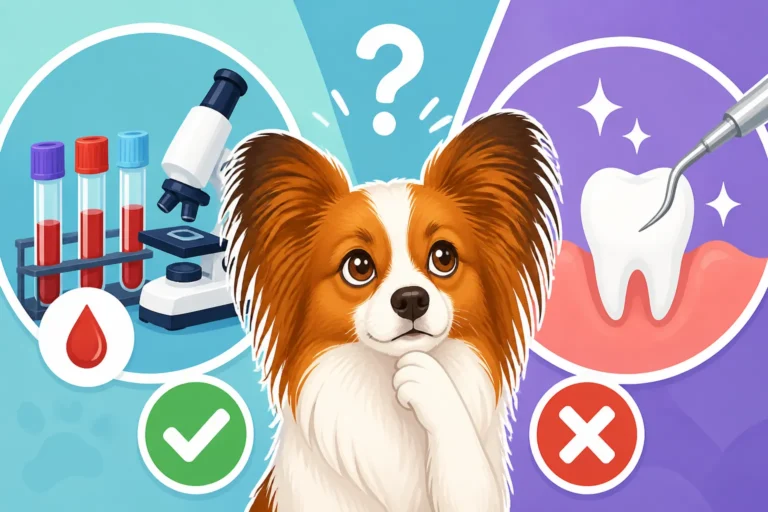
- Bloodwork: Pre-anesthetic blood tests are crucial. These check organ function (liver and kidneys), blood cell counts, and clotting abilities, ensuring your Papillon can safely metabolize anesthesia and recover well. These tests are even more important for a tiny dog.
- Cardiac Evaluation: For any Papillon, but especially an older one or one with a suspected heart murmur, a cardiac workup (including an echocardiogram) might be recommended to assess heart health and minimize anesthetic risks. Small dogs, like Papillons, can be more sensitive to anesthesia, making careful planning and monitoring absolutely essential. This is a topic worth exploring further in Anesthesia and a Five Pound Papillon.
- Imaging: X-rays of the knee and often the hip are taken to get a clear picture of the bone structure, assess the severity of the luxation, and identify any concurrent issues like arthritis or other deformities.
- Anesthesiologist/Veterinary Staff Expertise: For tiny patients, the expertise of the veterinary team in monitoring anesthesia is paramount. Ensure the clinic uses modern anesthetic agents, has continuous monitoring equipment (ECG, blood pressure, oxygen saturation, temperature), and dedicated staff to monitor your Papillon throughout the procedure and recovery.
Don't hesitate to ask your vet or the orthopedic specialist about all these pre-operative steps. It's your right to be fully informed and confident in the care your Papillon will receive.
The Importance of Choosing an Experienced Orthopedic Specialist
When it comes to specialized surgery like patellar luxation repair, the surgeon’s experience makes a world of difference. While your general veterinarian can diagnose the condition, many will refer you to a board-certified veterinary orthopedic surgeon.
- Specialized Training: Orthopedic surgeons have years of additional training beyond veterinary school, focusing specifically on bone, joint, and muscle problems. They have a deeper understanding of complex joint mechanics and surgical techniques.
- Higher Success Rates: An experienced specialist is more likely to achieve a successful outcome, with fewer complications and a more robust, long-lasting repair. They've performed these specific surgeries countless times and are skilled at adapting techniques to individual cases.
- Advanced Equipment: Specialty hospitals often have advanced diagnostic tools and surgical equipment that may not be available in a general practice, allowing for more precise planning and execution of the surgery.
- Post-Operative Care: Orthopedic specialists are also experts in post-operative care and rehabilitation, guiding you through the critical recovery period to ensure the best possible long-term results.
It's absolutely worth traveling a bit further or spending a bit more to ensure your Papillon is in the hands of a surgeon who specializes in these intricate repairs. Ask your general vet for recommendations, and don't be afraid to ask the surgeon about their experience with patellar luxation repairs in small dogs like Papillons.
Post-Operative Care and Recovery Journey
The surgery is only half the battle. The success of patellar luxation repair hinges massively on diligent post-operative care and a well-structured recovery plan. This period requires patience, commitment, and a lot of tender loving care from you.
Immediate Post-Op Care and Pain Management
Right after surgery, your Papillon will need careful attention, often staying at the veterinary hospital for a day or two for close monitoring.
- Hospital Stay: During their stay, the veterinary staff will closely monitor their pain levels, vital signs, and surgical incision. They'll be on strong pain medication to keep them comfortable. It's hard to leave them, but it’s for their best immediate care.
- Pain Medication: When they come home, your Papillon will typically be prescribed a course of oral pain medication (NSAIDs, gabapentin, or other analgesics) to manage any discomfort. It's crucial to administer these exactly as directed, even if your dog seems fine, to stay ahead of the pain.
- Antibiotics: To prevent infection at the surgical site, a course of antibiotics is often prescribed.
- E-Collar (Cone of Shame): Your Papillon will almost certainly come home wearing an Elizabethan collar to prevent them from licking or chewing at the incision site. This might be annoying for them (and you!), but it's vital to prevent infection and disruption of the healing wound.
- Keeping Incision Clean: You'll need to check the incision daily for any signs of redness, swelling, discharge, or separation. Your vet will instruct you on how to keep it clean, usually with gentle wiping.
Home Recovery: Rest, Restrictions, and Rehabilitation
This is where your dedication truly comes into play. The first 6-8 weeks are absolutely critical for bone and tissue healing.
- Strict Rest and Confinement: This is non-negotiable. Your Papillon will need to be strictly confined, often to a crate or a small, secure area. No jumping, no running, no playing with other pets, and certainly no off-leash activity. This prevents re-injury to the delicate healing structures. Even jumping off a sofa can cause significant damage. You'll need to lift them onto and off furniture, or better yet, keep them on the floor.
- Leash Walks Only: All potty breaks must be on a leash, walking slowly and deliberately. No dashing out the door!
- Ice Packs/Warm Compresses: Your vet might recommend alternating ice packs (to reduce swelling initially) and warm compresses (to improve circulation later) around the surgical site.
- Physical Rehabilitation (PT): As recommended by your vet or an orthopedic specialist, a formal physical therapy program is highly beneficial, if not essential, for optimal recovery. This will typically start with very gentle passive range of motion exercises at home, gradually progressing to more active strengthening exercises. These can include:
- Passive Range of Motion (PROM): Gently bending and extending the knee by hand to maintain flexibility.
- Therapeutic Exercises: Specific movements to rebuild muscle and strengthen the joint, often guided by a professional.
- Hydrotherapy: As mentioned, underwater treadmill work or swimming can be immensely helpful for regaining strength without weight-bearing stress.
- Follow-Up Appointments: Regular check-ups with your vet or surgeon are crucial to monitor healing, remove sutures, and assess progress. X-rays may be taken at around 6-8 weeks to check bone healing.
The recovery journey is a marathon, not a sprint. Be patient and consistent. It might feel like a long time, but sticking to the plan ensures the best outcome. To learn more about this crucial phase, read How a Papillon Recovers From Knee Surgery. This long recovery period is also where pet insurance like Healthy Paws truly shines, as it can cover the ongoing costs of physical therapy, follow-up appointments, and medications, alleviating a significant financial burden during an already stressful time.
Potential Complications and What to Watch For
While patellar luxation surgery generally has a good prognosis, complications can occur. It's important to be aware of them so you can act quickly if something seems amiss.
- Infection: This is a risk with any surgery. Watch for excessive redness, warmth, swelling, pus, or foul odor from the incision site. A fever or lethargy can also indicate infection.
- Re-luxation: Despite successful surgery, the kneecap can sometimes re-luxate, especially if activity restrictions aren't followed during recovery. This can happen if the initial repair isn't strong enough, or if the underlying anatomical issues are very complex. This concern often leads to questions like Whether a Papillon's Knee Comes Loose Again.
- Hardware Issues: If pins, wires, or screws were used (e.g., for tibial crest transposition), they can occasionally become loose, migrate, or cause irritation, requiring removal.
- Lack of Improvement: In some cases, despite surgery, some degree of lameness or discomfort might persist, particularly if significant arthritis was already present or if the luxation was very severe.
- Anesthetic Complications: Though rare with modern protocols, complications related to anesthesia can occur. This underscores the importance of pre-anesthetic bloodwork and careful monitoring.
- Injury to the Other Knee: Papillons with patellar luxation in one knee often have a predisposition in the other. During recovery from one surgery, the increased stress on the "good" leg can sometimes lead to issues there. This is a common concern that often means both knees may need addressing eventually.
If you notice any concerning signs during recovery, don't hesitate to contact your veterinary surgeon immediately. Early intervention is key to managing complications effectively.
The Financial Reality of Papillon Knee Surgery
Let's be real: quality veterinary care, especially specialized surgery, isn't cheap. Understanding the financial commitment upfront can help you plan and make informed decisions, reducing stress during an already emotional time. For many Papillon owners, concerns over cost are as significant as the worry for their dog's health. You'll quickly discover that Knee Surgery Is the Bill Most Papillon Owners Meet.
Breaking Down the Costs
The total cost of patellar luxation surgery can vary widely based on your geographic location, the specific veterinary hospital (general practice vs. specialty center), the surgeon's fees, the complexity of the luxation, and the post-operative care required.
Here's a breakdown of what typically contributes to the overall expense:
- Pre-Operative Diagnostics:
- Initial vet consultation and physical exam.
- X-rays (often multiple views of both knees/hips).
- Bloodwork (pre-anesthetic panel).
- Possibly a cardiac consultation or echocardiogram.
- Surgical Fees:
- Surgeon's fee (the main cost).
- Anesthesia (including drugs, monitoring, and anesthetic technician time).
- Operating room use and sterile supplies.
- Hospitalization (typically 1-2 nights post-surgery).
- Medications (pain relief, antibiotics) administered during hospitalization.
- Post-Operative Care:
- Take-home medications (pain relievers, anti-inflammatories, antibiotics).
- E-collar.
- Follow-up examinations (multiple visits).
- Recheck X-rays (often at 6-8 weeks).
- Physical rehabilitation sessions (if recommended, which they almost always are). This can be a significant ongoing cost.
- Potential for joint supplements long-term.
Cumulatively, you could be looking at a range of $2,000 to $5,000 per knee or even higher, depending on the severity and location. For an in-depth look at this specific cost, check out What Patellar Surgery Costs on a Papillon. And remember, if one knee is affected, there's a good chance the other might need attention down the line.
Pet Insurance: A Lifesaver for Orthopedic Issues
This is where pet insurance can truly be a game-changer. For conditions like patellar luxation, which are often congenital or hereditary, having a good pet insurance policy can save you thousands of dollars and allow you to make medical decisions based on what’s best for your Papillon, rather than solely on your wallet.
- Coverage for Hereditary/Congenital Conditions: Many pet insurance plans, including those from Healthy Paws, offer coverage for hereditary and congenital conditions, which is crucial for patellar luxation. However, it's vital to enroll your Papillon before any signs of luxation appear, as it would otherwise be considered a pre-existing condition and typically not covered.
- Reimbursement Model: Most plans operate on a reimbursement model. You pay the vet bill upfront, then submit a claim to your insurance provider, who reimburses you a percentage (e.g., 70-90%) after your deductible is met.
- Deductibles and Payout Limits: Be aware of your chosen deductible (the amount you pay before coverage kicks in) and any annual or per-incident payout limits. Orthopedic surgeries often push towards these limits, so a higher annual limit or unlimited plan is often beneficial.
- Wellness vs. Accident/Illness: Patellar luxation surgery falls under accident/illness coverage. Wellness plans typically cover routine care like vaccines and check-ups, not major surgeries.
Researching pet insurance options before your Papillon develops any orthopedic issues is one of the smartest investments you can make. It truly offers peace of mind. For more on what insurance covers, refer to Whether Insurance Covers a Papillon's Knees.
Long-Term Outlook and Management
Even after successful surgery, patellar luxation requires ongoing attention. The good news is that for most Papillons, surgery significantly improves their quality of life, reduces pain, and allows them to return to a more active lifestyle.
- Ongoing Monitoring: Regular vet check-ups are important to monitor the knee, assess for arthritis progression, and catch any new issues early.
- Arthritis Management: Even with a successful surgery, some degree of arthritis might develop over time, especially if it was already present. Long-term management may include joint supplements, pain medication as needed, and continued weight control.
- Care for the Other Knee: As mentioned, if one knee is affected, the other often has a genetic predisposition. Keep a close eye on the "good" knee, and discuss proactive measures with your vet.
- Modified Activities: While many Papillons return to full activity, some might need permanent modifications to high-impact activities to protect their joints. This could mean avoiding intense agility, extreme jumping, or rough play that puts undue stress on the knees. Ramps or steps can be invaluable for accessing furniture throughout their lives.
With attentive care, a dedicated recovery, and perhaps the support of pet insurance, your Papillon can lead a happy, comfortable, and active life for many years after knee surgery. It’s a commitment, but one that is absolutely worth it for your furry family member.
| Luxation Grade | Description | Common Symptoms | Recommended Action | Surgical Likelihood |
|---|---|---|---|---|
| Grade 1 | Kneecap manually displaces, reduces spontaneously | Occasional skip or no symptoms | Conservative (weight, supplements, restricted activity) | Low |
| Grade 2 | Kneecap spontaneously luxates, often reduces | Intermittent skipping, lameness, holds leg up | Conservative initially; surgery if painful/progressive | Moderate to High |
| Grade 3 | Kneecap luxated most of the time, manually reducible | Consistent lameness, bowed leg, pain, reluctance to bear weight | Surgery strongly recommended | High |
| Grade 4 | Kneecap permanently luxated, not manually reducible | Severe lameness, crouching gait, significant pain, deformity | Surgery almost always recommended | Very High |
Disclaimer
The information provided in this article is for educational purposes only and should not be considered a substitute for professional veterinary advice. Always consult with a qualified veterinarian or a board-certified veterinary orthopedic specialist regarding your Papillon's specific health concerns, diagnosis, and treatment options. The information about brands is for contextual understanding and not an endorsement.