The DNA Test for Papillon Neuroaxonal Dystrophy
The heartbreaking reality of watching a once-energetic Papillon puppy begin to lose its coordination, stumble, and develop tremors is a devastating experience no owner ever wants to face. This confusing and often rapid decline can be attributed to Neuroaxonal Dystrophy (NAD), a serious genetic condition that can leave both pets and their families reeling. Fortunately, modern veterinary science offers a clear path to understanding and preventing this illness through a simple DNA test, providing crucial information for both breeders and pet parents alike.
Understanding Neuroaxonal Dystrophy in Papillons
Neuroaxonal Dystrophy, or NAD, is a progressive, debilitating neurological disease that has been identified in Papillon dogs. It’s not just a minor limp or an occasional stumble; this condition attacks the very communication lines of the nervous system, leading to a profound and irreversible decline in a dog's motor functions. For a breed as agile and spirited as the Papillon, such a diagnosis is particularly cruel.
What is Neuroaxonal Dystrophy and Its Impact?
At its core, Neuroaxonal Dystrophy is a genetic disorder characterized by the degeneration of axons – the long, slender projections of nerve cells that transmit electrical impulses. Think of axons as the crucial wiring within your Papillon's brain and spinal cord. When these wires start to fray and break down, the signals can’t get through properly, leading to a breakdown in communication between the brain and the body. This isn't merely a localized issue; it's a systemic problem that affects multiple parts of the nervous system, particularly those responsible for movement and coordination.
The impact of NAD on an affected Papillon is devastating. It progressively robs a once-normal, playful puppy of its ability to move freely and gracefully. Owners witness a gradual deterioration, starting with subtle signs that might initially be dismissed, but quickly progressing to severe disability. The disease doesn't just make them clumsy; it fundamentally alters their quality of life, leading to increasing frustration and discomfort as their bodies fail them. The emotional toll on the humans who love these dogs is immense, watching a beloved pet experience such a profound decline without hope of recovery. To truly grasp the severity of this condition, it helps to understand What Neuroaxonal Dystrophy Does to a Papillon.
Recognizing the Early Signs and Progression
One of the cruelest aspects of Neuroaxonal Dystrophy is that it typically manifests in young puppies, often between three and six months of age. At this stage, puppies are usually at their most boisterous and energetic, making the onset of symptoms particularly jarring. Initially, the signs might be quite subtle, easily mistaken for general puppy clumsiness or a slight awkwardness as they grow. Owners might observe a mild unsteadiness, a wider stance when standing, or an occasional stumble during play.
As the disease progresses, these initial subtle signs become much more pronounced and difficult to ignore. Affected Papillons will typically develop ataxia, which is a significant lack of voluntary coordination of muscle movements. This can present as a distinctive "bunny hopping" gait, where they move both hind legs together, or a severe loss of balance that causes them to sway or fall frequently. Head tremors are also a common symptom, as is generalized weakness and difficulty navigating their environment. Watching your vibrant little Papillon struggle with basic movements is heartbreaking, and it quickly becomes apparent that something is profoundly wrong. Understanding The Age Neuroaxonal Dystrophy Shows in a Papillon can help owners and breeders be vigilant during this critical developmental period.
The progression of NAD is relentless and, tragically, it is not reversible. The neurological damage continues to worsen over time. Affected puppies typically become severely disabled, struggling to walk, stand, or even maintain their balance, often by the time they are between 9 and 18 months old. This severe decline in quality of life often leads to the difficult, but compassionate, decision of euthanasia. For more insight into the specific physical manifestations, explore How a Papillon With Neuroaxonal Dystrophy Moves.
The Importance of Genetic Testing for NAD
Given the devastating nature of Neuroaxonal Dystrophy, it's clear that prevention is the most humane and responsible approach. This is where genetic testing becomes not just helpful, but absolutely crucial for the well-being of the Papillon breed.
Why a DNA Test is Crucial for Papillon Breeders and Owners
Neuroaxonal Dystrophy is inherited in an autosomal recessive pattern. What this means in plain language is that a Papillon puppy must inherit two copies of the faulty gene – one from its mother and one from its father – to actually develop the disease. Dogs that inherit only one copy of the faulty gene are called "carriers." These carriers are typically completely healthy; they show no symptoms of NAD themselves, which makes them an invisible threat in a breeding program if they are not tested. A breeder could have a seemingly healthy dam and sire, both carriers, and unknowingly produce affected puppies.
This invisible threat highlights precisely why a DNA test is not merely an optional extra, but an essential tool for any responsible Papillon breeder. Without testing, there's no way to know if a healthy-looking dog is a carrier. If two carriers are bred together, statistically, 25% of their puppies will be affected by NAD, 50% will be carriers themselves, and 25% will be clear. The DNA test provides the only reliable way to identify carriers before breeding, allowing breeders to make informed decisions that prevent the birth of affected puppies altogether. It saves immense emotional heartache for the future owners and, most importantly, spares puppies from a life of debilitating illness. To learn more about this specific genetic risk, see Whether Two Carrier Papillons Can Produce an Affected Puppy. This proactive approach to testing for genetic conditions is a hallmark of good breeding practices, as detailed in What a Papillon Breeder Should Have Tested.
How the DNA Test Works: From Sample to Results
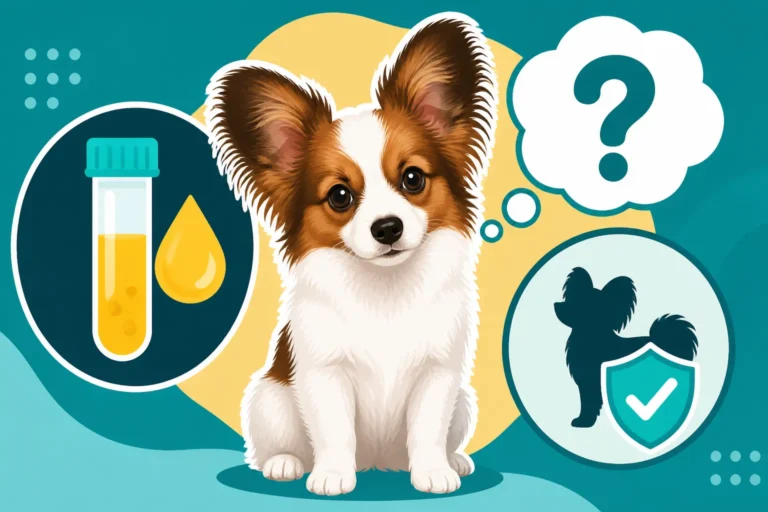
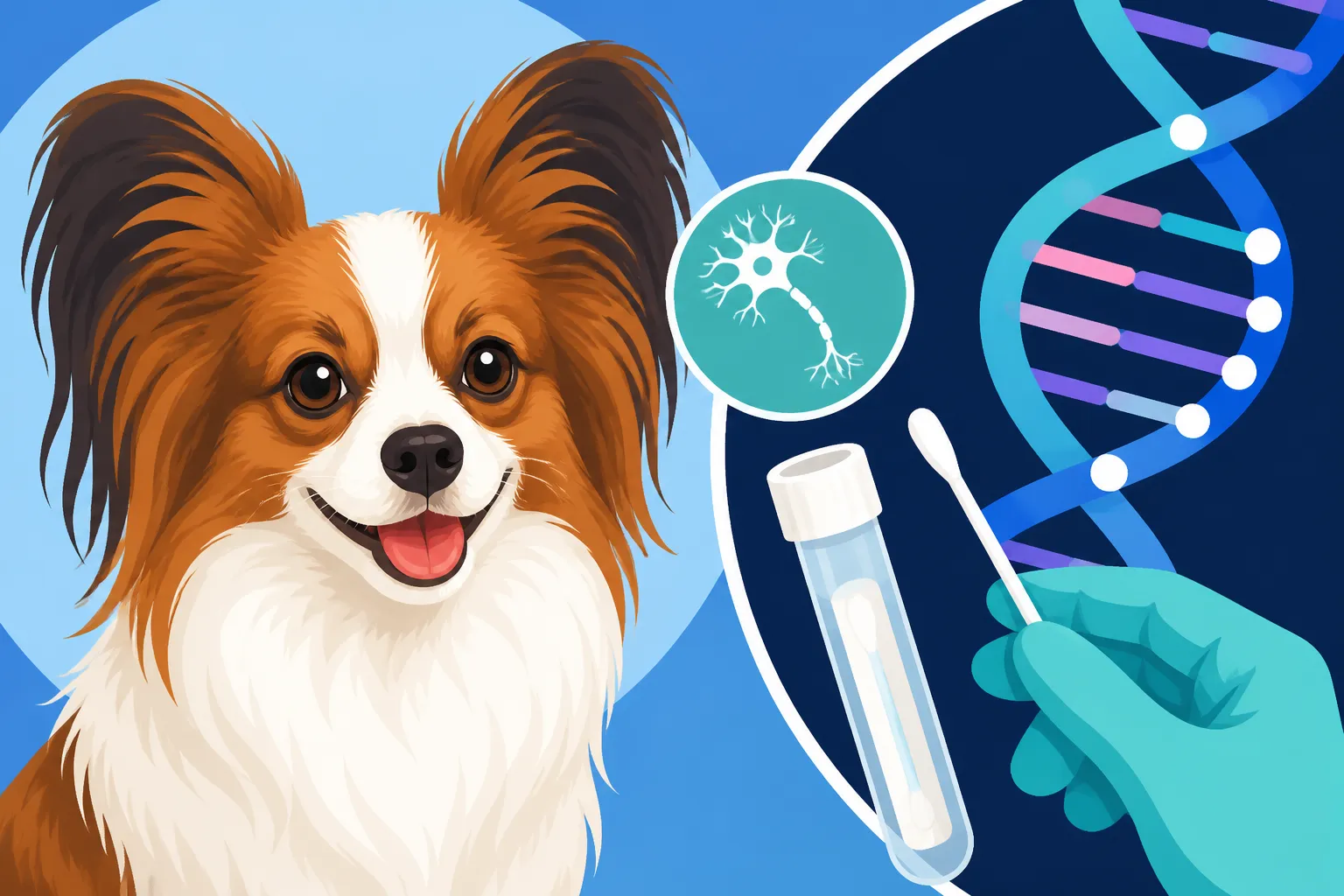
The good news is that the DNA test for Papillon Neuroaxonal Dystrophy is incredibly straightforward and non-invasive. You won't need to put your dog through stressful blood draws or complex procedures. The most common method involves a simple cheek swab. Using a specialized swab provided by the testing laboratory, you gently rub the inside of your Papillon's cheek for a minute or two to collect epithelial cells – these are the cells that contain your dog's DNA. It's a quick, painless process that you can easily do at home.
Once you've collected the sample, you send it back to the designated genetic testing laboratory. In the lab, technicians isolate the DNA from the cells on the swab. They then analyze this DNA specifically for the known genetic mutation that causes NAD in Papillons. This isn't a general "health check"; it's a highly targeted test looking for a specific, identified genetic marker. The scientific community has pinpointed the exact gene responsible, making the test highly accurate and reliable for identifying affected dogs and carriers.
After the analysis is complete, usually within a few weeks, the laboratory will provide you with a comprehensive report outlining your Papillon's genetic status for NAD. The results are typically clear-cut, indicating whether your dog is "Clear," a "Carrier," or "Affected." This report is then your guide for making future decisions, whether you're a breeder planning a litter or a pet owner simply wanting to understand your Papillon's health profile.
Interpreting Your Papillon's NAD Test Results
Once you receive your Papillon's Neuroaxonal Dystrophy DNA test results, understanding what they mean is crucial for both peace of mind and responsible decision-making, especially if you're involved in breeding. The results will typically fall into one of three categories: Clear, Carrier, or Affected.
Understanding "Clear," "Carrier," and "Affected" Status
Let's break down what each of these classifications truly signifies for your Papillon.
Firstly, a "Clear" or "Normal" result is the ideal outcome. This means your Papillon does not possess the specific genetic mutation associated with Neuroaxonal Dystrophy. They will not develop NAD, and perhaps even more importantly for breeding purposes, they cannot pass the mutated gene on to any of their offspring. For a breeder, a clear dog is a cornerstone for ensuring healthy litters and provides tremendous peace of mind, knowing that this particular devastating disease will not originate from that parent. For pet owners, it simply means one less health concern to worry about, allowing you to enjoy your Papillon's vibrant health without the shadow of NAD.
Secondly, a "Carrier" or "Heterozygous" result indicates that your Papillon has inherited one copy of the NAD mutation. Crucially, a carrier dog will generally not develop Neuroaxonal Dystrophy itself. They are typically asymptomatic and lead perfectly healthy lives, showing no signs of neurological decline. However, a carrier can pass on this single copy of the mutated gene to approximately half of their puppies. This status is where responsible breeding decisions become critical. While the dog itself is healthy, its genetic makeup holds the potential to contribute to the disease if bred improperly. Understanding this distinction is vital for preserving both the individual dog's health and the future of the breed.
Lastly, an "Affected" or "Homozygous Affected" result is the most tragic outcome. This means your Papillon has inherited two copies of the NAD mutation – one from each parent. Dogs with this status will develop Neuroaxonal Dystrophy. As discussed earlier, these puppies will exhibit severe, progressive neurological symptoms, typically leading to a greatly diminished quality of life and, sadly, a very short lifespan. While heartbreaking, knowing a puppy's "Affected" status early allows owners to prepare for the inevitable progression and focus on providing the most compassionate care possible during their limited time. This knowledge also serves as a stark reminder of the importance of pre-breeding genetic testing.
Implications for Breeding Programs
For Papillon breeders, these genetic test results are not just data points; they are powerful tools that dictate the ethical and responsible direction of a breeding program. The implications are profound, shaping decisions for current and future generations of Papillons.
If you have a "Clear" Papillon, your breeding options are wide open in terms of NAD. You can confidently breed a clear dog to any other clear dog, and all puppies will be clear. You can even breed a clear dog to a "Carrier" without fear of producing affected puppies. However, it's important to remember that breeding a clear to a carrier will still result in approximately 50% of the puppies being carriers themselves. Therefore, even in this scenario, testing the offspring is highly recommended to identify the new generation of carriers and continue the work of eliminating the gene from the lineage.
The critical rule that every responsible Papillon breeder must adhere to is this: never breed two "Carrier" dogs together. As detailed in Whether Two Carrier Papillons Can Produce an Affected Puppy, doing so carries a 25% statistical risk of producing puppies that will be "Affected" by Neuroaxonal Dystrophy. This outcome is entirely preventable with proper testing and careful mate selection. Ethical breeders prioritize the health of their puppies above all else, and knowingly producing affected puppies is simply unacceptable when a preventative test exists.
However, a "Carrier" dog is not necessarily excluded from a breeding program. If a carrier possesses other valuable traits – such as excellent temperament, conformation, or working ability – they can still be responsibly bred. The key is to always breed a "Carrier" to a "Clear" mate. This strategy ensures no affected puppies are produced. All puppies from such a pairing should then be DNA tested for NAD. The clear puppies can continue in future breeding programs, while the carrier puppies can either be responsibly bred to clear mates or placed in pet homes with a clear understanding of their genetic status and the recommendation for spaying or neutering. This careful, measured approach allows breeders to gradually reduce the prevalence of the NAD gene within the Papillon population without prematurely sacrificing valuable genetic diversity, a topic explored further in Whether Neuroaxonal Dystrophy Can Be Bred Out of Papillons. Ultimately, these informed breeding practices are vital components of any comprehensive What a Papillon Breeder Contract Requires.
Choosing a Reputable Testing Laboratory
Deciding to DNA test your Papillon for Neuroaxonal Dystrophy is a significant step towards responsible pet ownership and breeding. However, the accuracy and reliability of your results depend heavily on the laboratory you choose. Not all genetic testing services are created equal, and it's essential to select a reputable provider.
Key Factors in Selecting a DNA Testing Service
When you're looking for a laboratory to conduct your Papillon's NAD DNA test, accuracy and scientific credibility should be at the top of your list. You want a lab that specializes in canine genetic diseases and has a strong reputation within the veterinary and breeding communities. Many highly respected labs are affiliated with veterinary universities or large, well-established genetic research companies. These institutions often have peer-reviewed research supporting their tests and adhere to stringent scientific protocols, ensuring the results you receive are reliable and actionable. Avoid any service that seems overly cheap, promises instant results without scientific backing, or lacks transparency about their testing methodologies.
Beyond accuracy, consider the practical aspects such as turnaround time and the clarity of their reporting. A good laboratory will provide clear instructions for sample collection and offer a reasonable timeframe for processing the samples and delivering results. Most reputable labs will have an online portal where you can track your sample and access your results digitally. The report itself should be easy to understand, clearly stating your dog's genetic status (Clear, Carrier, or Affected) and offering resources or explanations if needed. If you have questions about the results, the lab should have accessible customer service or genetic counselors who can provide guidance. Look for laboratories that actively contribute to or are recognized by breed health organizations, as this often signifies a commitment to broader canine health standards, even if not directly related to specific certifications for NAD.
Understanding the Cost and Value of Testing
It's natural to consider the cost involved when deciding on genetic testing for your Papillon. DNA tests for specific genetic conditions, or even comprehensive panels that include NAD, do have a price tag. This cost can vary, depending on the laboratory, whether you're testing for NAD individually or as part of a larger breed-specific panel, and any discounts offered for multiple tests or litter testing. Typically, a single genetic test for a specific condition might range from $50 to $150, with panels costing more.
However, it's crucial to view this expense as an investment rather than just another bill. The upfront cost of a genetic test pales in comparison to the potential financial and emotional burden of caring for a Papillon puppy affected by Neuroaxonal Dystrophy. An affected puppy will require numerous veterinary visits, specialized diagnostic tests (like neurological exams, potentially MRI scans, or biopsies), and ongoing palliative care. These costs can quickly escalate into thousands of dollars, not to mention the immense emotional strain on the family watching their beloved pet suffer with a progressive, untreatable condition.
While pet insurance typically doesn't cover proactive genetic screening done for breeding purposes, it's worth noting the role of insurance in the broader context of pet health. Should a puppy unfortunately develop symptoms that necessitate extensive diagnostic workups – such as neurological consultations or imaging to understand the underlying cause – reputable pet insurance providers, like Healthy Paws, can be a significant financial lifeline. Their plans often help cover the costs of these crucial diagnostic evaluations and subsequent supportive care if an illness is diagnosed, helping owners afford the best possible medical attention and understanding during a truly difficult time. Investing in genetic testing upfront is a responsible choice that prevents suffering and safeguards your future financial and emotional well-being.
Living with the Knowledge and Supporting the Breed
Receiving your Papillon's Neuroaxonal Dystrophy DNA test results can be a pivotal moment. Whether the outcome is relief or heartbreak, this knowledge empowers you to make informed, compassionate decisions for your individual dog and contribute positively to the broader Papillon community.
Making Informed Decisions for Your Papillon
For pet owners whose Papillon tests "Clear" or "Carrier," the test results bring immense peace of mind. Knowing your pet's genetic status allows you to proceed with confidence. If your Papillon is clear, you can simply enjoy their wonderful, healthy companionship, knowing that NAD is not a concern for them. If your Papillon is a carrier, you understand that while they won't develop the disease themselves, if they are intact, they could pass the gene on. For many pet owners, this knowledge simply reinforces the decision to spay or neuter their Papillon, thereby preventing any accidental contribution to the gene pool.
For the rare and tragic instance where a Papillon puppy tests "Affected," the knowledge, while devastating, is still incredibly valuable. Currently, there is no cure or effective treatment for Neuroaxonal Dystrophy. Understanding this profound prognosis early allows owners to prepare for the progressive nature of the disease and to focus entirely on providing comfort, supportive care, and ensuring the highest possible quality of life for the time their puppy has. This might involve adapting their environment, providing soft bedding, assisting with mobility, and working closely with a veterinarian for pain management and supportive therapies. Knowledge of the disease’s progression, detailed in How Fast Neuroaxonal Dystrophy Progresses in a Papillon, becomes crucial for making difficult but compassionate choices when the time comes, as there is no viable treatment for NAD, a fact sadly underscored in Why Neuroaxonal Dystrophy Has No Treatment in a Papillon.
Contributing to the Future Health of the Papillon Breed
Beyond your individual Papillon, participating in genetic testing is a vital contribution to the long-term health and well-being of the entire Papillon breed. Every test result, when shared responsibly, adds to a larger pool of data that helps breeders and breed clubs understand the prevalence of certain genetic conditions and make more informed decisions across the board.
Responsible breeding isn't a solitary endeavor; it's a collective responsibility. By choosing to test your breeding Papillons and making thoughtful decisions based on those results, you are directly helping to reduce the incidence of debilitating genetic disorders like NAD. This commitment can involve actively participating in breed health databases, such as those maintained by the Orthopedic Foundation for Animals (OFA) or breed-specific clubs. Submitting your dog's test results, even if they are clear, helps to build a comprehensive picture of health within the breed, fostering transparency and trust among breeders and prospective puppy owners. This is part of a larger commitment to understanding Whether the Papillon Is a Healthy Breed and proactively addressing its health challenges.
Supporting research efforts is another way to contribute. Genetic science is constantly evolving, and ongoing research can lead to new insights, improved tests, or even potential therapies in the future. Breed clubs often fund or promote such research, and your participation in health surveys or shared data can be invaluable. The ultimate goal is to eliminate severe genetic disorders from the Papillon population, ensuring that this intelligent, beautiful breed continues to thrive for generations to come, free from preventable suffering.
| NAD Genetic Status | Description | Implications for Dog | Implications for Breeding |
|---|---|---|---|
| Clear / Normal | Does not have the NAD gene mutation. | Will not develop NAD. | Can be bred to any dog (Clear or Carrier) without producing Affected puppies. All offspring will be Clear or Carrier. |
| Carrier / Heterozygous | Has one copy of the NAD gene mutation. | Will not develop NAD; is typically healthy. | Should only be bred to a Clear dog. Never breed to another Carrier. All offspring must be tested. |
| Affected / Homozygous | Has two copies of the NAD gene mutation. | Will develop severe, progressive neurological symptoms; short, tragic lifespan. | Should not be used for breeding. Spaying/neutering recommended. |
Disclaimer
The information provided in this article is for general educational purposes only and should not be considered as professional veterinary advice. Always consult with a qualified veterinarian or a certified canine geneticist for diagnosis, treatment, and specific recommendations regarding your Papillon's health and genetic testing. Genetic testing results should be interpreted in conjunction with a veterinarian.