Which Health Tests a Papillon Breeder Should Run
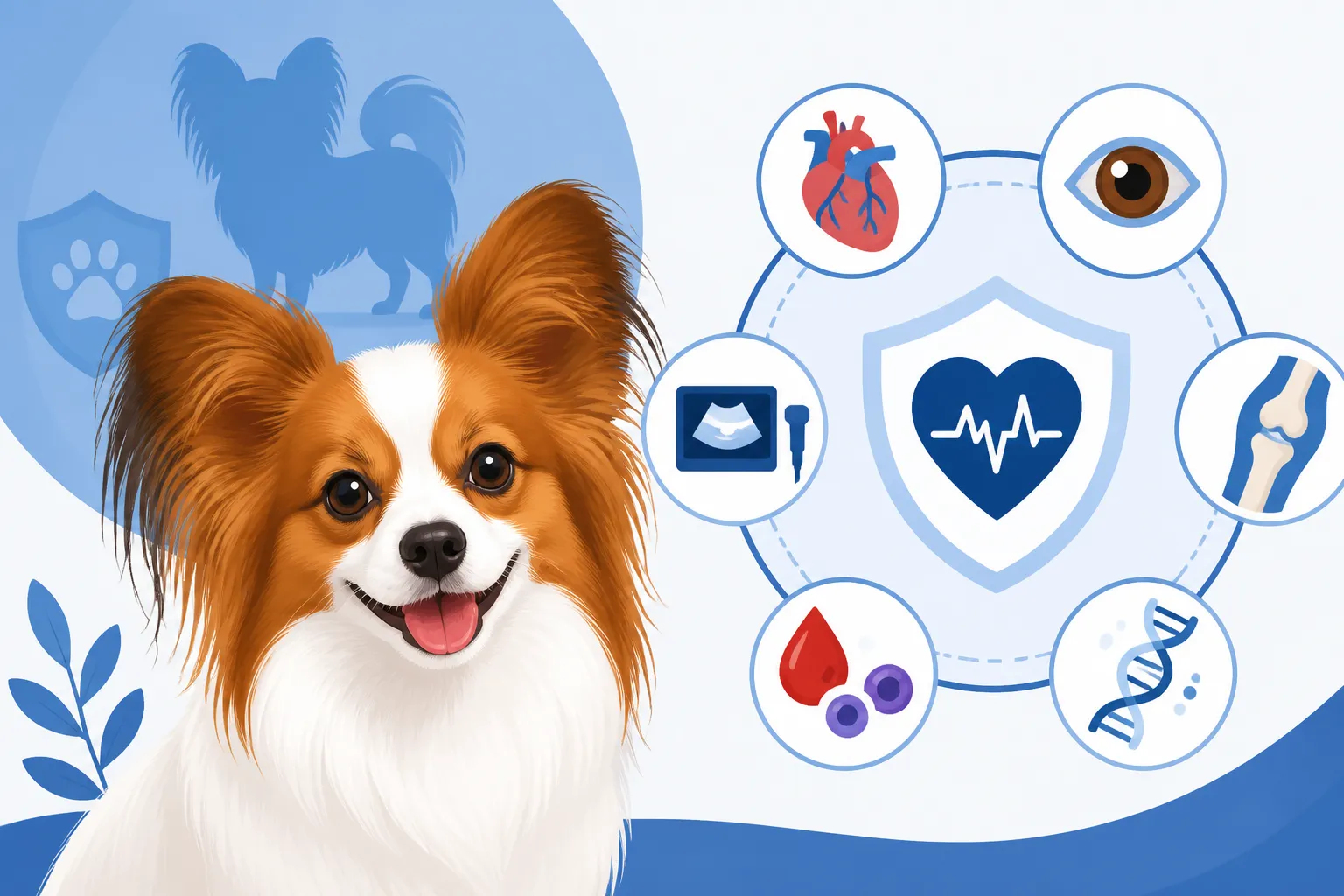
When you welcome a Papillon into your home, you're not just getting a dog; you're inviting a vibrant, intelligent, and often surprisingly sturdy little companion into your life. However, even with all their lively energy and generally good health, Papillons are prone to certain genetic conditions that can cause heartache and significant veterinary bills if not properly managed. This comprehensive guide is here to walk you through the essential health tests that responsible Papillon breeders should absolutely be running on their breeding stock, ensuring you bring home the healthiest puppy possible and avoid common, preventable issues down the line.
Why Health Testing Is Non-Negotiable for Papillon Breeders
It's easy to fall head over heels for an adorable Papillon puppy, but a truly ethical breeder will prioritize the health of their lines far beyond mere cuteness. Without proper health testing, breeders risk unknowingly passing on serious, sometimes debilitating, genetic conditions to future generations. This isn't just about preventing heartache for new owners; it's about safeguarding the future of the breed itself.
Understanding Genetic Predispositions in Papillons
Like many purebred dogs, Papillons have a genetic blueprint that makes them predisposed to certain health challenges. These aren't necessarily signs of a "bad" breed, but rather a call for vigilance in breeding practices. Some conditions, like Progressive Retinal Atrophy (PRA1), are known to be inherited, meaning a dog can carry the gene without showing symptoms themselves, only to pass it on to their puppies. Other issues, such as patellar luxation, have a genetic component but can also be influenced by environmental factors.
Knowing these predispositions allows breeders to make informed decisions. For instance, a breeder might have a Papillon with a wonderful temperament and conformation, but if that dog carries a gene for a serious disease, they need to know this before breeding. The goal isn't to eliminate every dog with a genetic predisposition from the gene pool entirely, but to breed carriers responsibly, ensuring they are only paired with clear dogs to prevent affected offspring. Without these tests, it's all guesswork, and that's simply not fair to the dogs or the families who love them. Thinking about how long a Papillon lives on average highlights why a healthy start is so crucial for these long-lived companions.
The Ethical Imperative of Responsible Breeding
Responsible breeding isn't just a recommendation; it's an ethical obligation. A breeder who truly cares about the well-being of the breed and their individual puppies will invest the time and money into comprehensive health testing. This commitment goes beyond ensuring a puppy is free of immediate health problems; it's about contributing positively to the breed's genetic health for generations to come. When you ask a breeder about their health testing protocols, you're not being nosy; you're evaluating their commitment to these ethical standards.
A reputable breeder understands that their decisions impact not only the current litter but the entire genetic legacy of the Papillon. They'll be transparent about their testing, readily share results, and educate prospective owners on the conditions relevant to the breed. If a breeder dismisses health testing as unnecessary or too expensive, it should be a significant red flag. This due diligence can save future owners from potential heartbreak and immense veterinary costs, which, even with pet insurance like that offered by Healthy Paws, can still be substantial.
Essential Eye Health Screenings for Papillons
The Papillon's bright, expressive eyes are one of its most charming features, and protecting them is paramount. There are specific genetic tests and examinations that are crucial for maintaining the vision health of this breed.
Progressive Retinal Atrophy (PRA1 CNGB1) Testing
One of the most significant eye health concerns for Papillons is a specific form of Progressive Retinal Atrophy (PRA), known as PRA1, caused by a mutation in the CNGB1 gene. This is an inherited disease that leads to the degeneration of the retina, ultimately causing blindness. What makes this particularly challenging is that affected dogs typically experience night blindness first, which can progress to total blindness over several years. Learning why a Papillon can go blind at night and still see in daylight helps explain the progression.
Thankfully, there is a specific DNA test available for PRA1 (CNGB1). This test can definitively identify if a dog is "clear" (meaning they don't have the gene and won't pass it on), a "carrier" (they have one copy of the gene but won't be affected themselves, though they can pass it on), or "affected" (they have two copies of the gene and will develop the disease). Responsible breeders must test their breeding stock for PRA1. If a carrier is bred, it must only be to a clear dog to ensure no affected puppies are produced. Breeding two carriers together, for example, risks producing affected puppies, which is completely preventable with proper testing. You can read more about the Papillon type of Progressive Retinal Atrophy and the CNGB1 gene for a deeper understanding.
Annual Eye Examinations (CERF/OFA Eye Certification)
While DNA tests are invaluable for specific genetic conditions, they don't cover everything. That's why regular, comprehensive eye examinations by a board-certified veterinary ophthalmologist are also critical. These exams are often referred to as "CERF" (Canine Eye Registry Foundation, now primarily managed by the OFA) or "OFA Eye Certification" exams.
These yearly examinations allow the ophthalmologist to screen for a wide range of inherited and acquired eye conditions that aren't detectable by a DNA test, such as cataracts, glaucoma, persistent pupillary membranes, and other retinal anomalies. Even a dog that is clear of PRA1 can develop other eye issues. These exams provide a snapshot of the dog's ocular health at the time of the examination, and results are typically valid for one year. Reputable breeders will perform these exams annually on their breeding dogs and be able to provide certification documenting their dogs are free from observable hereditary eye diseases. This proactive approach ensures that any emerging issues are identified early, and prevents the perpetuation of less common, but still impactful, eye problems. The breed club recommends annual eye certifications for breeding stock.
Assessing Joint Health: Patellar Luxation Screening
The small size of the Papillon makes them prone to certain orthopedic issues, with patellar luxation being a primary concern. This condition can range from mild to severely debilitating, and breeders play a critical role in minimizing its prevalence.
The OFA Patellar Luxation Database
Patellar luxation is a condition where the kneecap (patella) slips out of its normal groove in the thigh bone (femur). It's incredibly common in small breeds like the Papillon. While not always painful, it can lead to arthritis, lameness, and in severe cases, require costly surgery. This is why thorough screening is a must. The Orthopedic Foundation for Animals (OFA) maintains a comprehensive database for patellar luxation, among other orthopedic conditions.
Breeders submit their dogs for a physical examination by a licensed veterinarian, who manually assesses the stability of the kneecaps. The veterinarian then assigns a grade (from 0 to 4), with 0 being normal and 4 being severely luxated. These results are then submitted to the OFA, which issues a certification number for dogs that meet the breed standard for healthy knees (typically Grade 0 or 1). This public database allows prospective puppy buyers to verify the knee health of a puppy's parents, adding a crucial layer of transparency. A breeder should always be able to show you the OFA certificates for both parents. If you're curious, what Patellar Luxation does to a Papillon offers more detail on this condition.
Understanding Patellar Luxation Grades and Breeding Decisions
The grading system for patellar luxation is critical for breeders. A Grade 0 means the patella is stable and does not luxate. A Grade 1 means occasional luxation, often spontaneously resolving. Grade 2 involves more frequent luxation, potentially requiring manual reduction. Grades 3 and 4 represent severe and permanent luxation, respectively, often causing significant lameness and pain.
Responsible breeders aim to breed dogs with OFA certifications of Grade 0. While some might consider breeding a dog with a Grade 1 if they are otherwise exceptional, this decision is made with extreme caution, and only if paired with a Grade 0 mate, and ideally with a long history of Grade 0 clearances in the pedigree. Breeding dogs with Grade 2 or higher is generally considered irresponsible, as it dramatically increases the likelihood of producing puppies with significant knee problems. This commitment to careful breeding helps reduce the incidence of this painful condition in future generations, potentially saving owners from the expense and worry of whether a Papillon needs knee surgery. Knowing how common patellar luxation is in Papillons underscores why this testing is so vital.
Comprehensive Cardiac and Blood Health Checks
Beyond eyes and knees, a Papillon's overall health relies on a strong heart and healthy blood, requiring breeders to conduct further critical screenings.
Cardiac Evaluations for Heart Murmurs and Disease
While Papillons are not as prone to serious congenital heart defects as some larger breeds, they can still develop cardiac issues, particularly as they age. Mitral Valve Disease (MVD) is a common acquired heart condition in small breeds, where the mitral valve in the heart begins to leak, eventually leading to heart failure. While MVD is typically age-related, breeders should still screen their dogs for any signs of congenital heart disease or early-onset murmurs before breeding.
The standard screening for cardiac health involves an examination by a board-certified veterinary cardiologist, often referred to as an OFA Cardiac examination. This typically includes auscultation (listening to the heart with a stethoscope) to detect murmurs, and sometimes an echocardiogram (ultrasound of the heart) for a more detailed assessment. Any significant murmurs or signs of congenital heart disease should disqualify a dog from breeding. A breeder should be able to provide documentation of clear cardiac exams on their breeding stock. While a Papillon might develop a heart murmur later in life, ensuring a clear bill of health from the start helps minimize genetic predispositions.
Screening for Von Willebrand Disease (vWD)
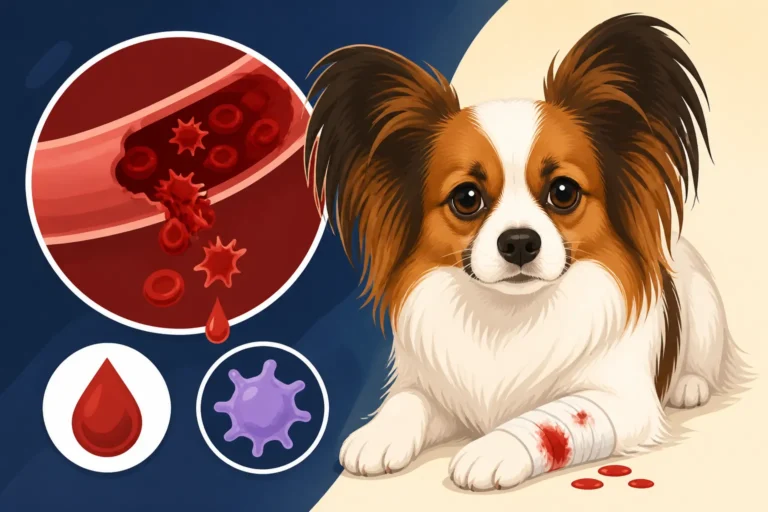
Von Willebrand Disease (vWD) is a common inherited bleeding disorder in dogs, similar to hemophilia in humans. It affects the blood's ability to clot properly, leading to prolonged bleeding after injury, surgery, or even routine procedures like nail trims or dental cleanings. While Type I vWD is the most common form in many breeds, Papillons are generally less affected than some others. However, given its potential severity, it's still a condition worth screening for, especially if there's any history of unexplained bleeding in the pedigree.
There are DNA tests available that can identify if a dog is clear, a carrier, or affected with vWD. Responsible breeders will often include this test in their panel, particularly if they are line-breeding or if any ancestors have shown signs of bleeding problems. Knowing a dog's vWD status is especially important before any planned surgeries, like spaying or neutering, or if a dog ever needs emergency medical attention. If a dog is a carrier, responsible breeders will ensure they are only bred to clear mates to avoid producing affected puppies. This preventative step helps protect both the dog and the owner from potentially life-threatening complications down the road. You can find more information about what Von Willebrand Disease does to a Papillon.
Additional Important Health Considerations and Tests
While PRA1 and patellar luxation are widely recognized, Papillons can also benefit from screening for other less common but equally serious conditions.
Neuroaxonal Dystrophy (NAD) Testing in Papillons
Neuroaxonal Dystrophy (NAD) is a rare but devastating neurological disorder that has been identified in Papillons. It's a progressive condition that affects the nervous system, leading to coordination problems, tremors, difficulty walking, and eventually severe motor dysfunction. This is an inherited condition, meaning it's passed down through genetics, and sadly, there is no cure or effective treatment. Affected puppies typically show signs in early puppyhood and their condition worsens over time.
Fortunately, there is a DNA test available for NAD in Papillons. This test can identify dogs that are clear, carriers, or affected. For breeders, this test is invaluable. Similar to PRA1, a carrier dog should only be bred to a clear dog to prevent the production of affected puppies. Any breeder serious about the long-term health of the breed and their puppies will incorporate NAD testing into their health panel. It's a simple cheek swab test, but the impact of avoiding this heartbreaking disease is immeasurable. If you're curious to know what Neuroaxonal Dystrophy does to a Papillon, more details are available.
Monitoring for Puppy Hypoglycemia
While not a genetic test in the same vein as the others, monitoring for hypoglycemia (low blood sugar) is a critical health consideration for Papillon puppies, particularly in their first few weeks and months of life. Because Papillons are a toy breed, their small size means they have limited fat reserves and can quickly deplete their glucose stores, especially if they are stressed, cold, or not eating regularly.
Responsible breeders are acutely aware of this risk and take proactive measures. This includes ensuring puppies are fed frequently, kept warm, and observed closely for any signs of lethargy, weakness, or disorientation. They educate new puppy owners about the signs of hypoglycemia and how to respond if a puppy's blood sugar drops. While not a "test" performed on breeding stock, a breeder's knowledge and management of hypoglycemia risks in their puppies is a strong indicator of their dedication to health. They should be able to tell you the age a Papillon outgrows hypoglycemia and how they manage their puppies to prevent it. A sudden drop in blood sugar can be an emergency that even comprehensive pet insurance, such as that from Healthy Paws, can't prevent, making breeder awareness crucial.
Summary of Key Papillon Health Tests
To make it easy to remember, here's a quick table summarizing the essential health tests a Papillon breeder should conduct:
| Health Condition | Type of Test | OFA/Certification Body | Why it's Important |
|---|---|---|---|
| Progressive Retinal Atrophy (PRA1) | DNA Test (cheek swab) | OFA / Breed Specific | Prevents inherited blindness by identifying affected and carrier dogs. |
| Patellar Luxation | Orthopedic Exam (vet) | OFA | Screens for slipping kneecaps, a common issue leading to lameness and arthritis. |
| Eye Certification | Ophthalmic Exam (specialist) | OFA (formerly CERF) | Screens for various inherited and acquired eye conditions not covered by DNA tests. |
| Cardiac Health | Cardiac Exam (specialist) | OFA | Checks for heart murmurs and congenital heart disease. |
| Von Willebrand Disease (vWD) | DNA Test (blood/cheek swab) | OFA / Breed Specific | Identifies a hereditary bleeding disorder, crucial for surgery and injury prevention. |
| Neuroaxonal Dystrophy (NAD) | DNA Test (cheek swab) | OFA / Breed Specific | Prevents a devastating, progressive neurological disorder. |
Verifying Health Test Results and Choosing a Reputable Breeder
Finding a healthy Papillon puppy involves more than just seeing cute pictures. It requires diligent research and clear communication with prospective breeders. Knowing how to verify test results is key.
Deciphering Health Certificates and Public Databases
A reputable breeder won't just tell you their dogs are tested; they'll show you the proof. For conditions like PRA1, vWD, and NAD, you should expect to see DNA test results from a reputable laboratory. These results will clearly state whether the dog is "clear," "carrier," or "affected." For orthopedic and eye certifications, the Orthopedic Foundation for Animals (OFA) is the gold standard in the United States. Breeders should be able to provide OFA certification numbers for their breeding dogs' patellar luxation and eye exams.
You can often verify these OFA results yourself by going to the OFA website and searching their public database using the dog's registered name or OFA number. This transparency is crucial. If a breeder shows you certificates, but the dogs aren't listed in the OFA database, it's worth asking why. Some eye exams, for example, might be done by a local veterinary ophthalmologist and not submitted to OFA, but the breeder should still have a detailed report. Always ask to see the physical paperwork or verify entries on a public database. This step is as important as asking which health tests a Papillon breeder should run in the first place.
What to Ask Your Prospective Papillon Breeder
When you're speaking with a potential breeder, don't be shy about asking direct questions regarding health testing. In fact, if they're a good breeder, they'll appreciate your thoroughness. Here's a checklist of questions to ask:
- "Can you show me the OFA certificates for the parents' patellar luxation exams, and what grades did they receive?"
- "Do you perform annual OFA eye certifications, and can I see the most recent results for both parents?"
- "Have the parents been DNA tested for PRA1 (CNGB1), and can I see their clear/carrier status?"
- "Are the parents also tested for Neuroaxonal Dystrophy (NAD), and what were their results?"
- "Do you screen for Von Willebrand Disease, and if so, what were the results for the parents?"
- "What is your philosophy on breeding carriers of genetic conditions, and how do you mitigate risks?"
- "What health guarantee do you offer with your puppies, and what does it cover?"
- "What steps do you take to prevent hypoglycemia in your young puppies?"
A truly ethical breeder will not only answer these questions confidently but will also be happy to share detailed information and explain why each test is important. They often also follow the guidelines set by national breed clubs, such as the Papillon Club of America, which recommend specific health screenings for breeding stock. If a breeder seems defensive, evasive, or can't produce documentation, it’s a clear sign to look elsewhere. Choosing a breeder who prioritizes these tests is the best way to ensure you're bringing home a happy, healthy Papillon who will be a cherished member of your family for many years to come, reducing the need to worry about the age PRA1 appears in a Papillon or other preventable conditions.
Disclaimer
Please remember that this article provides general information and should not be considered a substitute for professional veterinary advice. Always consult with a qualified veterinarian or veterinary specialist for any health concerns or before making decisions about your pet's care.