Whether a Papillon’s PRA Can Be Slowed
It’s heartbreaking to hear that your beloved Papillon has been diagnosed with Progressive Retinal Atrophy, or PRA. The initial shock, the fear of what comes next, and the desperate hope that something, anything, can be done to stop it is a heavy burden to carry. Many owners feel completely lost, wondering if they’re just watching their dog slowly lose their sight with no recourse. This guide aims to shed light on what we currently know about PRA in Papillons, particularly the specific PRA1 type, and explore whether there are any avenues, treatments, or management strategies that can genuinely slow its progression.
Understanding Papillon PRA1 and its Progression
When we talk about Progressive Retinal Atrophy in Papillons, we're almost always referring to PRA1, a specific form of the disease that's unfortunately quite common in the breed. This isn't just a generic "bad eyesight" issue; it's a very particular genetic condition that affects the photoreceptor cells in the retina. It's truly a frustration, watching our agile, intelligent little butterflies begin to struggle with something as fundamental as sight.
The Nature of Progressive Retinal Atrophy (PRA1) in Papillons
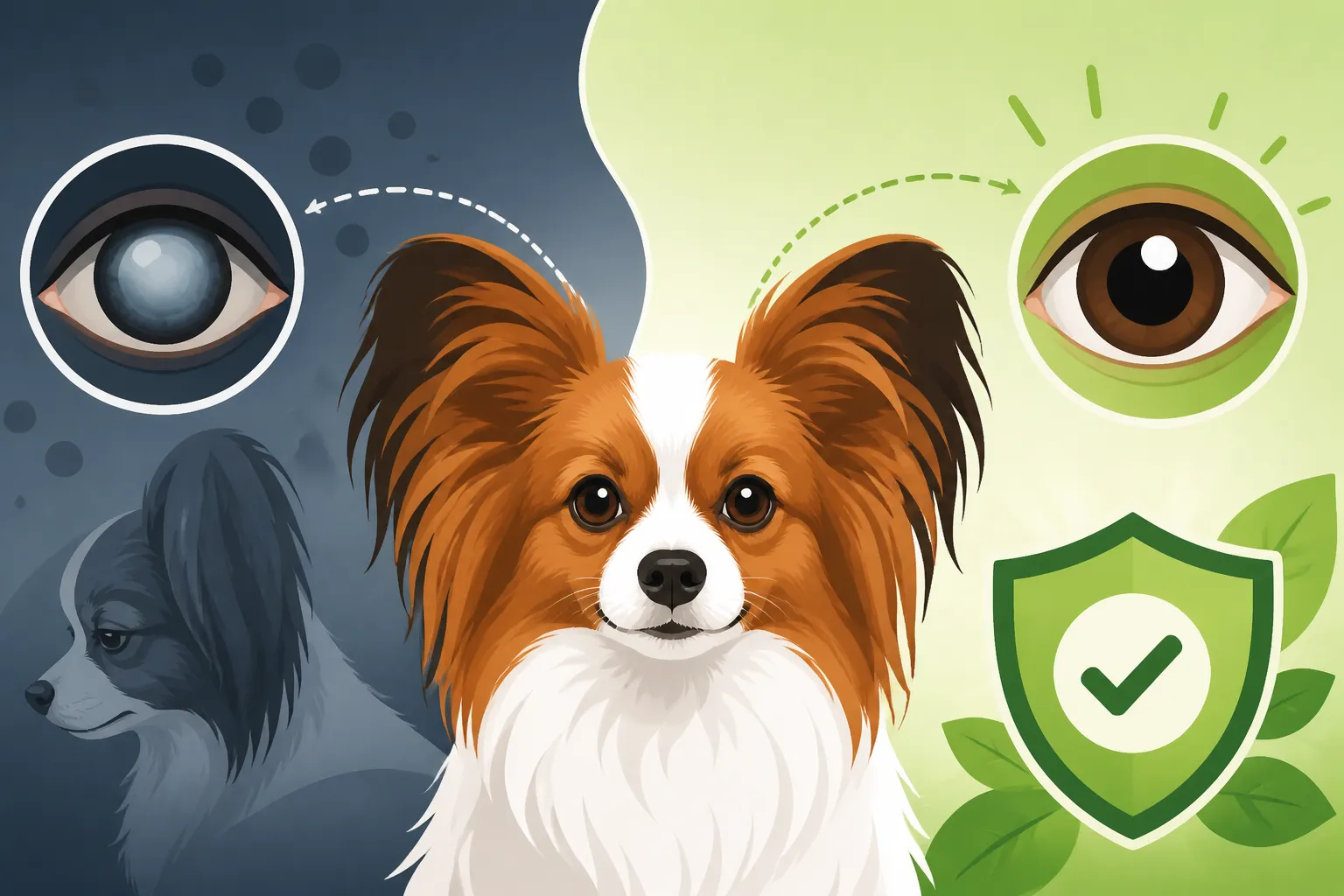
Papillon PRA1 is an inherited eye disease caused by a specific genetic mutation in the CNGB1 gene. This gene is vital for the normal function of the rod photoreceptor cells in the retina, which are responsible for vision in low light or darkness. When this gene is faulty, these rods begin to degenerate prematurely. Think of it like a tiny, intricate part of a sophisticated camera wearing out much faster than it should.
What this means for your Papillon is a progressive loss of vision, starting with night blindness. You might first notice them hesitating in dimly lit rooms, bumping into furniture they usually navigate with ease after dusk, or being more reluctant to go outside when it's dark. This initial stage, where the rods are primarily affected, can be incredibly subtle, making it easy to miss in the early days. Owners often describe their dogs becoming more clingy or startled in the dark, which is a classic Signs a Papillon Is Losing Night Vision indicator.
It's a recessive genetic condition, meaning a Papillon needs to inherit two copies of the faulty gene – one from each parent – to actually develop the disease. Dogs with only one copy are carriers; they won't get PRA1 themselves, but they can pass it on. This understanding highlights just how important responsible breeding practices are in trying to mitigate this heartbreaking condition. You can read more about The Papillon Type of Progressive Retinal Atrophy and the CNGB1 Gene to grasp the full scientific picture.
How PRA1 Typically Progresses
The progression of PRA1 in Papillons isn't a sudden event; it's a gradual decline that can unfold over several years, which adds to the emotional toll. It usually starts with night blindness, as the rods are the first to go. Owners often report that The Age PRA1 Appears in a Papillon can vary, but typically signs might emerge between 3 to 6 years of age, though it can sometimes be earlier or later.
Following the rod degeneration, the cone photoreceptors, which are responsible for daylight and color vision, also begin to degenerate. This is where the disease truly takes its toll, as your Papillon's daylight vision will also start to fail. This stage can be incredibly disorienting for your dog, moving from navigating a familiar home during the day to suddenly struggling. It’s a terrible feeling when your once vibrant companion starts to seem lost in their own environment.
The speed at which the disease progresses can vary from one Papillon to another, but ultimately, most affected dogs will experience significant vision loss, often leading to complete blindness. It's a question many owners grapple with: Whether a Papillon With PRA Goes Fully Blind, and for PRA1, unfortunately, the answer is often yes, given enough time. This progressive nature is why the idea of "slowing" it is so appealing, and also so challenging.
Current Research and Treatment Options for Slowing PRA
The quest to slow or stop PRA is a significant area of research in veterinary ophthalmology, driven by the sheer number of breeds affected by various forms of PRA. While there's no magic bullet for Papillon PRA1 that can halt the disease entirely, understanding current research and available options can empower owners. It’s a landscape filled with both hope and hard realities.
Nutritional Supplements and Antioxidants
One of the most common approaches owners consider is the use of nutritional supplements, particularly antioxidants. The theory behind this is that oxidative stress might play a role in the degeneration of retinal cells, and antioxidants could help mitigate this damage. Many veterinary ophthalmologists suggest a combination of vitamins E and C, lutein, zeaxanthin, omega-3 fatty acids, and other antioxidants like N-acetylcysteine (NAC).
You'll find many commercially available "ocular health" supplements for dogs that contain these ingredients. Brands like Ocu-GLO or similar veterinary-specific formulations are often recommended. While these supplements are generally safe and might offer some retinal support, it's absolutely crucial to understand their limitations for PRA1. For Papillon PRA1, which is a genetic mutation causing a structural problem in the rod cells, antioxidants are unlikely to stop the progression entirely. They might, at best, offer a marginal benefit in overall retinal health or potentially slow secondary degenerative processes, but they won't fix the underlying genetic flaw. Think of it as putting premium fuel in a car with a fundamental engine design flaw – it might run a little smoother, but the flaw remains.
Always, always discuss any supplements with your veterinary ophthalmologist. They can guide you on appropriate dosages and ensure there are no contraindications with other medications your Papillon might be on. While the impact on slowing PRA1 might be minimal, some owners feel a sense of agency in providing these, and for overall eye health, they generally don't hurt.
Gene Therapy and Emerging Treatments
This is where the real hope, and frustration, lies for many. Gene therapy holds immense promise for genetic diseases like Papillon PRA1 because it aims to correct the root cause: the faulty gene. The idea is to introduce a functional copy of the CNGB1 gene into the retinal cells, effectively replacing the defective one. For other forms of PRA in different breeds, such as Labrador Retrievers with prcd-PRA, gene therapy research has shown some incredibly encouraging results, even restoring some vision in affected dogs.
However, the reality for Papillon PRA1 is that while research is ongoing for various forms of PRA, a readily available, approved gene therapy specifically for the CNGB1 mutation in Papillons is not yet widely available in clinical practice. The development of these therapies is complex, expensive, and takes many years from laboratory research to clinical trials and eventual approval. Different types of PRA are caused by different genes, so a therapy for one type might not work for another. It's like finding a specific key for one lock; it won't open all doors.
Keep in mind that these therapies, even when successful in trials, are usually most effective when administered very early in the disease, ideally before significant photoreceptor degeneration has occurred. This means diagnosis before clinical signs are obvious, often through genetic testing, is key. While we eagerly await breakthroughs, for now, gene therapy remains largely on the horizon for the average Papillon owner, which can be an incredibly tough pill to swallow when you're watching your dog's vision fade.
Supportive Care for Papillons with PRA
While the direct slowing of Papillon PRA1 progression with current treatments is limited, your role in providing an excellent quality of life for your visually impaired Papillon is paramount. It’s not about curing, but about caring and adapting. This is where your empathy and practical efforts truly make a difference, helping your little one live their best life, even with reduced sight.
Adapting the Home Environment
Once you notice your Papillon's vision declining, proactive adjustments to your home are critical. The goal is to create a safe, consistent, and predictable environment.
- Maintain Consistency: This is perhaps the most important rule. Avoid rearranging furniture or leaving obstacles in unusual places. Your Papillon will quickly build a mental map of your home, and consistency allows them to navigate confidently. If you must move something, do it gradually or block off the area temporarily.
- Safety First: Block off stairs with gates, especially if they're unsupervised. Pad sharp corners of furniture. Consider installing baby gates around fireplaces or other hazardous areas. For outdoor safety, ensure your yard is securely fenced. If you have a pool, invest in a pool alarm or keep your Papillon away from it unless directly supervised.
- Texture and Scent Cues: You can use different textured mats at the top and bottom of stairs, or near doorways, to provide tactile cues. Scent markers (like essential oils on furniture legs, reapplied regularly) can also help. Just ensure the scents are dog-safe and not overwhelming.
- Lighting: While night vision is lost, ensuring good, consistent lighting during the day can help maximize their remaining daylight vision. For Papillons with severe vision loss, avoid harsh contrasts of light and dark, which can be disorienting.
- Sound and Voice: Rely more on verbal cues and consistent sounds. A jingling collar on another pet can help your Papillon locate them. Your calm, reassuring voice becomes even more important. Teach new verbal cues like "step up," "step down," "wait," or "left/right" to aid navigation outdoors. Our article on How a Blind Papillon Learns a House provides even more detail on these strategies.
Remember, a visually impaired Papillon relies heavily on their other senses, particularly smell and hearing. Their world becomes richer through these avenues. Providing consistent verbal communication and a predictable routine will build their confidence and reduce anxiety.
Maintaining Quality of Life
Beyond environmental adaptations, focusing on your Papillon's emotional and physical well-being is vital. This is about ensuring they don't just exist, but truly live happily.
- Emotional Support: Your Papillon will be experiencing new anxieties and possibly confusion. Be patient and reassuring. Offer extra cuddles and vocal praise. Avoid coddling too much, though, as this can inadvertently create more dependence and anxiety. The goal is confident independence within their limitations.
- Regular Exercise: Don't stop walks! They are crucial for mental stimulation and physical health. Keep your Papillon on a leash, use a harness (a harness protects their delicate trachea better than a collar, and can be crucial given that Whether a Papillon Gets a Collapsing Trachea is a concern for small breeds), and stick to familiar, safe routes. Let them sniff and explore; this is their way of experiencing the world. You might find that even if they can't see, they still enjoy going to a quiet park where they can explore scents.
- Enrichment Activities: Puzzle toys, scent games, and short training sessions (focusing on voice commands) can keep their minds sharp and engaged. Hide treats around a safe room and let them use their nose to find them. This boosts their confidence and provides mental stimulation, which is especially important for intelligent breeds like Papillons.
- Socialization: Continue controlled interactions with other calm, friendly dogs and people. Introduce them slowly and explain their blindness to others. Your Papillon still needs social contact, but on their terms and in a safe manner.
- Veterinary Care: Regular vet check-ups are more important than ever. Your vet can monitor for any secondary issues, such as cataracts (which can sometimes develop in conjunction with PRA, though PRA itself is a retinal issue) or glaucoma, and help manage overall health. Discussions about potential costs associated with ongoing care, including specialized eye exams or potential future treatments, are important. This is where pet insurance, like a policy from Healthy Paws, could be a real lifeline for many families, helping to manage unexpected vet bills and ensure access to the best care without financial stress. Pet insurance can provide invaluable peace of mind, allowing you to focus on your Papillon's health without constant worry about mounting expenses.
- Consider a 'Halo' Vest: For some dogs, especially those prone to bumping into things, a "halo" or "bumper" vest can provide a physical barrier that alerts them to obstacles before their head makes contact. This can reduce injuries and build confidence.
Breeding and Genetic Testing: The Ultimate Prevention
While we've discussed that truly "slowing" the progression of PRA1 once it's set in is incredibly difficult, the most effective way to slow its prevalence in the Papillon population is through responsible breeding and widespread genetic testing. This is the real long-term solution, preventing affected puppies from being born in the first place. This is a topic that breeders and responsible owners alike must take seriously.
The Role of Genetic Testing
Genetic testing is a game-changer for recessive inherited diseases like Papillon PRA1. A simple cheek swab can determine if a dog is clear, a carrier, or affected by the CNGB1 gene mutation. This information is invaluable for breeders.
- Clear: The dog does not have the mutation and cannot pass it on.
- Carrier: The dog has one copy of the mutation. It will not develop PRA1 but can pass the mutation to its offspring.
- Affected: The dog has two copies of the mutation and will develop PRA1.
Knowing this status empowers breeders to make informed decisions. Imagine the heartbreak of breeding a litter only to find out later that several puppies will go blind. Genetic testing eliminates this guesswork. Many reputable Papillon breeders now proudly list the PRA1 status of their breeding dogs. If you're looking for a puppy, asking about The DNA Test for Papillon Neuroaxonal Dystrophy and PRA1 results is crucial. This proactive measure not only saves individual dogs from suffering but contributes to the overall health of the breed.
The availability and relatively low cost of these tests (you can find out What a Papillon's PRA1 Test Costs through various labs) means there's little excuse for not testing breeding stock. These tests are usually available through specialized veterinary genetic testing laboratories, and a simple search will show you Where to Send a Papillon's PRA1 Swab.
Responsible Breeding Practices
Responsible breeding goes hand-in-hand with genetic testing. The goal is not just to produce beautiful puppies, but healthy ones.
- Avoiding Affected Dogs: Clearly, no dog that is genetically "affected" by PRA1 should ever be bred. Breeding an affected dog guarantees that all its offspring will at least be carriers, if not affected themselves.
- Careful Carrier Breeding: The tricky part comes with carriers. Since carriers don't develop the disease, they might have other excellent qualities that a breeder wants to preserve in the gene pool. However, a carrier should never be bred to another carrier. If Whether Two Carrier Papillons Should Be Bred is on your mind, the answer is a resounding no – this pairing has a 25% chance of producing affected puppies. The only responsible way to breed a carrier is to mate it with a dog that has been tested and confirmed "clear." This ensures that no affected puppies will be born, although 50% of the litter will likely be carriers.
- Prioritizing Health: A responsible breeder prioritizes health tests alongside temperament and conformation. Beyond PRA1, Papillons are also prone to other genetic conditions like patellar luxation, so comprehensive health screening is a must. You should always ask Which Health Tests a Papillon Breeder Should Run before committing to a puppy. A good breeder will be transparent, willing to discuss all health clearances, and even have their dogs' eyes certified by a veterinary ophthalmologist through organizations like the Orthopedic Foundation for Animals (OFA) or the Canine Eye Registration Foundation (CERF).
By adhering to these principles, breeders can dramatically reduce the incidence of PRA1, "slowing" its impact on the breed as a whole over generations. It’s a collective effort that requires dedication and a genuine love for the long-term well-being of the Papillon. While this won't help a currently affected dog, it’s the most powerful tool we have to ensure future Papillons can enjoy a life of clear vision, helping them live out their full How Long a Papillon Lives potential without the burden of blindness.
The Long-Term Outlook and Living with a Blind Papillon
Facing the reality of a Papillon with PRA can be daunting. It’s natural to feel overwhelmed, but remember, these are incredibly resilient and adaptable little dogs. While the disease itself cannot currently be stopped or significantly slowed by treatments, your ability to adapt and provide a loving, safe environment will make all the difference.
Adapting to Progressive Vision Loss
As your Papillon’s vision declines, their other senses will sharpen significantly. Their sense of smell will become their primary tool for navigating the world, followed by hearing. They will learn to interpret subtle air currents, floor textures, and the acoustics of rooms to orient themselves. It's truly amazing to witness how well they can cope.
It’s important to communicate with your dog differently. Instead of relying on hand signals, use clear, consistent verbal cues. Always speak to them before approaching, especially if they’re sleeping, to avoid startling them. When carrying them, make sure they know what's happening. Many Papillons thrive on routine, so keeping mealtimes, walks, and playtime consistent will provide them with a sense of security and predictability.
Remember, a blind Papillon still wants to play, cuddle, and be a part of the family. They might become more dependent on you, but this can also deepen your bond. Your role shifts from preventing the inevitable to becoming their trusted guide and protector, ensuring their emotional comfort and physical safety.
The Role of Comprehensive Care
As your Papillon ages, especially if they are also dealing with vision loss, their needs will evolve. Regular veterinary check-ups become even more crucial, often more frequently than just once a year. Your vet will monitor their overall health, address any pain or discomfort from conditions like arthritis (which can appear with age, and is why ensuring Caring for a Papillon Past Eleven is so important), and adjust their diet if necessary.
Financially, the costs associated with caring for a senior or special needs dog can add up. This is where having pet insurance throughout your Papillon's life, such as a plan from Healthy Paws, can be incredibly beneficial. If you started coverage before the onset of PRA (as it’s a pre-existing condition if diagnosed before coverage), it could help cover costs for any related veterinary care, specialized equipment like halo vests, or ongoing medications for secondary issues. Many pet owners, myself included, have found that companies like Healthy Paws offer robust coverage that provides much-needed financial relief when dealing with long-term health challenges.
Most importantly, keep the love and joy in their life. A blind Papillon can still lead a wonderfully happy and fulfilling existence. They rely on your patience, your consistency, and your unwavering affection. While we can’t stop PRA1, we can certainly enrich their lives every single day.
Disclaimer
The information provided in this article is for general informational purposes only and does not constitute veterinary advice. Always consult with a qualified veterinarian or veterinary ophthalmologist for any health concerns or before making any decisions about your Papillon's medical care.