Whether Papillon Breeders Publish PRA Results
Navigating the world of purebred dog breeding can feel like deciphering a secret code, especially when it comes to understanding health testing. Many prospective Papillon owners feel overwhelmed trying to verify a puppy's health claims, and a common frustration is the lack of transparent information regarding Progressive Retinal Atrophy (PRA) results. This guide will delve deep into how Papillon breeders approach publishing PRA results, helping you understand what to expect and how to find the answers you need.
The Importance of Transparency in Papillon PRA Testing
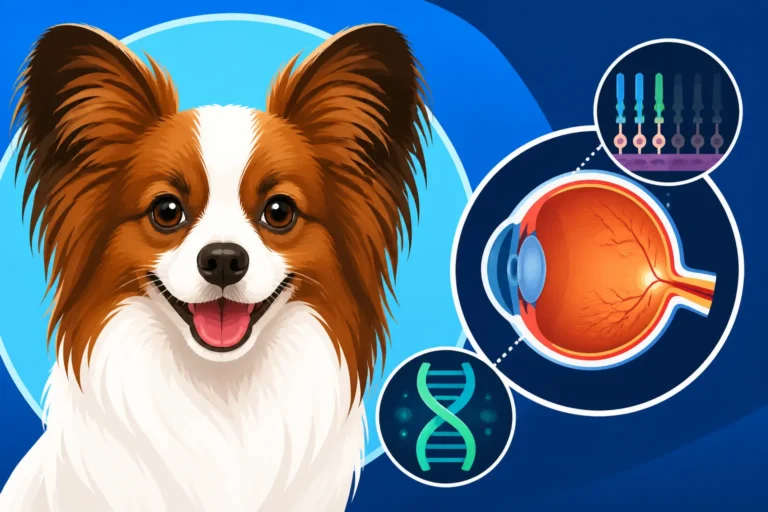
It's a scary thought: bringing home a sweet, playful Papillon puppy, only to learn later that they carry a genetic condition that could lead to blindness. That's why health testing for conditions like Progressive Retinal Atrophy (PRA) is so incredibly vital in responsible breeding. PRA is a group of degenerative eye diseases that ultimately lead to blindness, and in Papillons, the most common form is PRA1, linked to the CNGB1 gene. Understanding The Papillon Type of Progressive Retinal Atrophy and the CNGB1 Gene is the first step toward appreciating why breeders should be upfront about their dogs' genetic status.
Why PRA Testing Matters for Papillons
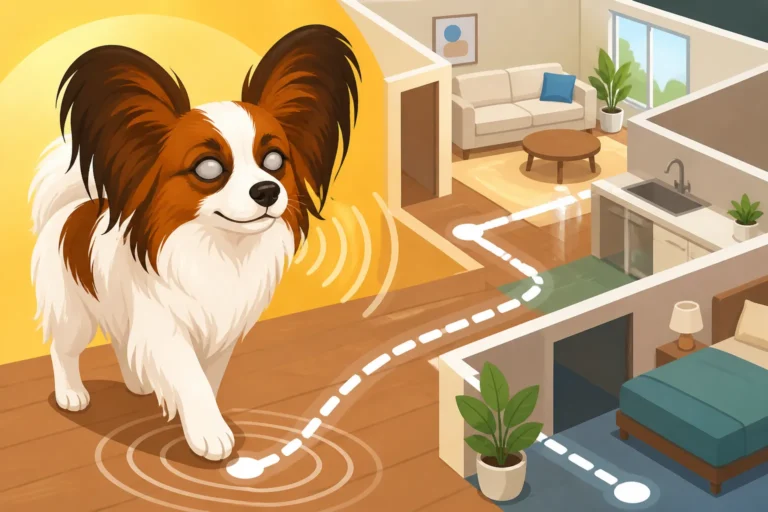
For a breed as active and intelligent as the Papillon, losing their sight due to PRA can be devastating. These little dogs thrive on interaction, agility, and exploring their world, and blindness significantly impacts their quality of life. The Papillon's bright, alert nature is intrinsically tied to their keen senses, especially their sight. When a dog has PRA1, it means the photoreceptor cells in their retina slowly degenerate. Initially, they might struggle with night vision, and over time, their daylight vision diminishes too. You might notice signs like your Papillon bumping into furniture in dim light, or being hesitant to navigate unfamiliar spaces. To learn more about the progression, you might want to read about Whether a Papillon With PRA Goes Fully Blind.
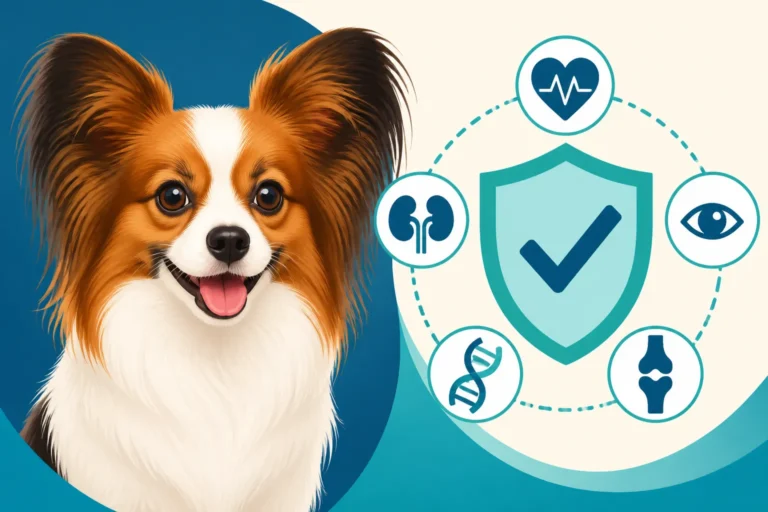
A responsible breeder isn't just selling you a puppy; they're safeguarding the future health of the breed and ensuring you bring home a companion with the best possible start in life. Part of that responsibility is actively testing their breeding dogs for known genetic issues. For Papillons, this includes the DNA test for PRA1. It's a simple, non-invasive cheek swab that can definitively tell you if a dog is clear, a carrier, or affected by the PRA1 gene. Without this information, it’s a gamble that can lead to heartbreak down the road.
The Ethical Imperative for Breeders
Ethical breeding practices go beyond just physical appearance; they encompass a deep commitment to the health and welfare of the dogs produced. For many reputable breeders, health testing is not just a recommendation but a foundational pillar of their program. They understand that by testing their breeding stock and making those results available, they are actively working to reduce the incidence of genetic diseases in the breed. This isn't just about avoiding a "bad" litter; it's about making informed breeding decisions to better the breed as a whole.
When breeders are transparent with their health testing, it builds trust with prospective puppy buyers. It shows they have nothing to hide and are confident in the health of their lines. This transparency extends to sharing not just the results of their current breeding pair, but often going back generations to show a clear history. This level of dedication helps ensure that the delightful, long-lived Papillon breed continues to thrive for many years, as detailed in articles like How Long a Papillon Lives. When you encounter a breeder who is open and willing to discuss their health protocols, you’re likely dealing with someone who prioritizes the well-being of their dogs above all else.
Where and How Breeders Share PRA Test Results
It's common to wonder, "If these tests are so important, why don't all breeders just publish them?" The reality is a bit nuanced. While many responsible Papillon breeders absolutely make their PRA results accessible, the method and degree of "publishing" can vary significantly. It's not always a formal, public database, though some do exist.
Public Databases and Online Registries
Some dedicated Papillon breeders utilize public health registries to list their dogs' health clearances. The Orthopedic Foundation for Animals (OFA) is a well-known example in the United States, primarily recognized for hip and elbow clearances, but they also maintain a public database for various other genetic tests, including eye conditions. When a DNA test for PRA1 is performed by an OFA-approved laboratory, the results can be submitted and then become searchable online. This means you can often look up a specific dog by its registered name or number and see its PRA status.
Similarly, genetic testing companies like Embark or Canine HealthCheck (CHIC) often have their own portals or databases where breeders can share results directly. Some breeders will link to these profiles from their personal websites. This is perhaps the most straightforward way a breeder "publishes" results, as it allows anyone to independently verify the status of the sire and dam of a potential puppy. It’s a fantastic resource for prospective owners trying to do their due diligence, and finding a breeder who proactively provides these links is a very positive sign. You can often find breeders who participate in these programs by looking for those who indicate that they have had What a Papillon Breeder Should Have Tested.
Personal Websites and Direct Communication
More commonly, Papillon breeders will share PRA results directly on their personal breeding program websites. This might be in the form of scanned copies of official lab reports, or clear statements regarding the PRA status of their breeding dogs (e.g., "Sire: Clear, Dam: Clear"). They might also list the testing laboratory and the specific test used. While not a centralized public database, a well-maintained website with readily available health information is a strong indicator of a transparent and ethical breeder.
However, sometimes breeders don't post every single detail online, especially if they have a lot of dogs or their website isn't updated frequently. In these cases, it's perfectly acceptable, and indeed encouraged, for prospective puppy buyers to ask for the results directly. A responsible breeder will be more than happy to provide copies of the PRA test certificates for both the sire and dam of any litter they are planning or have on the ground. This direct communication allows you to engage with the breeder, ask follow-up questions, and truly understand the health background of the puppy you are considering. Remember, you're looking for a partner in this journey, and a breeder who is open to dialogue is invaluable. If you're wondering which specific tests to prioritize, consider reviewing Which Health Tests a Papillon Breeder Should Run.
Understanding Different Breeder Approaches to Sharing
Not every breeder operates the same way, and their approach to sharing health testing results, specifically for PRA, can differ based on their philosophy, experience, and even the platform they use to advertise their puppies. It’s crucial for potential owners to understand these varying approaches so they know what to look for and what questions to ask.
The Proactive and Transparent Breeder
These breeders are the gold standard. They understand the importance of genetic health and are often quite proud of their testing protocols. You’ll typically find their breeding dogs’ PRA results, along with other health clearances (like patellar luxation screenings, which you can learn about in What Patellar Luxation Does to a Papillon), clearly posted on their website, often with direct links to public databases like OFA or to the genetic testing company's verified results. They might include pictures of the certificates or a detailed explanation of what each result means.
A proactive breeder will bring up health testing early in your conversations, sometimes even before you ask. They'll explain How PRA1 Is Inherited in Papillons and why specific pairings are chosen to avoid producing affected puppies. They might even discuss the cost of these tests (like What a Papillon's PRA1 Test Costs) as a justification for their puppy prices, which is a fair and transparent approach. These breeders are not just selling puppies; they are educating future owners and ensuring the continued health of the breed. They invest time, effort, and money into health testing, and they want you to know it. This level of transparency makes your decision-making process much easier and gives you significant peace of mind.
The Responsive but Less Proactive Breeder
Then there are breeders who conduct all the necessary health testing but don't necessarily "publish" everything upfront on their website or social media. This isn't necessarily a red flag, but it does mean you, as the prospective owner, need to be more proactive in your questioning. These breeders might provide results readily when asked, sending you copies via email or showing them to you in person.
Their reasons for not publishing everything might vary. Perhaps they are less tech-savvy, or they prefer to have direct conversations to explain the results in context. What’s important is their willingness to share upon request. If you ask for PRA results and a breeder is hesitant, deflects, or claims "all their dogs are healthy," that should raise a significant concern. A truly responsible breeder will have the paperwork and be glad to share it, understanding that you have a right to know about your future puppy's genetic health.
The Breeder Who Doesn't Test or Won't Share
Unfortunately, this category exists. These are breeders who either do not conduct recommended health tests like PRA screening, or they do test but refuse to share the results, sometimes with vague excuses. This is a major red flag, and it's where you need to be very cautious. Remember, without transparent PRA testing, you have no way of knowing if your future Papillon puppy is clear, a carrier, or even potentially affected.
It’s tempting to overlook this if the puppies are adorable or the price seems right, but the long-term emotional and financial costs of a dog developing a preventable genetic condition can be immense. While pet insurance providers like Healthy Paws can help with unexpected veterinary bills, they often have exclusions for pre-existing or congenital conditions, and a known genetic predisposition could fall into this category if not properly screened for by the breeder. Insisting on seeing proof of PRA testing from both parents is a non-negotiable step in securing a healthy puppy. Never assume that a lack of results means "clear." Assume the opposite until proven otherwise.
Here’s a quick overview of how different breeder types might approach PRA result sharing:
| Breeder Type | Website/Public Database | Direct Communication (Email/Phone) | Transparency Level | Key Indicator for Buyers |
|---|---|---|---|---|
| Proactive/Transparent | Yes, with links/certs | Always, readily provided | High | Explicitly states testing and provides verifiable proof. |
| Responsive but Less Proactive | Sometimes, may be vague | Yes, provided upon request | Medium | Willing to share, but requires the buyer to ask directly. |
| Doesn't Test/Won't Share | No/Avoids mention | No/Provides vague answers | Low/None | Avoids discussing health tests or provides no proof. |
What This Means for Prospective Papillon Owners
For those dreaming of adding a lively Papillon to their family, understanding how breeders handle PRA results is paramount. It empowers you to make an informed decision and significantly increases your chances of bringing home a healthy companion. Don’t ever feel shy about asking for this information; it’s a non-negotiable part of responsible pet ownership.
Asking the Right Questions
When you first contact a Papillon breeder, one of your very first questions, after general availability and temperament, should be about health testing. Specifically, ask about PRA1 testing for both the sire and dam of the litter you are interested in. Ask to see the official DNA test results. Don't just accept a verbal assurance. A responsible breeder will appreciate your thoroughness and will be happy to provide the documentation.
You might also ask about other relevant health clearances, such as patellar luxation certifications, or even if the parents have had their eyes checked by a board-certified veterinary ophthalmologist (CERF exam) in addition to DNA testing. This comprehensive approach ensures that you're not just looking at one piece of the puzzle, but the entire health profile of the breeding dogs. Finding a breeder who tests extensively, as outlined in articles like Finding a Papillon Breeder Who Tests Eyes and Knees, is crucial.
Interpreting the Results
Once you receive the PRA test results, take the time to understand them. A dog can be "Clear" (meaning they don't carry the gene), a "Carrier" (meaning they carry one copy of the gene but typically won't develop the disease), or "Affected" (meaning they have two copies and will likely develop PRA). The ideal scenario is for both parents to be "Clear." However, a responsible breeder might occasionally breed a "Clear" dog to a "Carrier" dog, understanding that all puppies produced from this pairing will be either "Clear" or "Carriers," but none will be "Affected." They should never breed two "Carrier" dogs together, as this carries a 25% risk of producing "Affected" puppies. You can learn more about this by reading Whether Two Carrier Papillons Should Be Bred.
If a breeder presents you with a "Carrier" parent, they should be able to clearly explain their breeding strategy to ensure no affected puppies are produced. If the results are unclear, or the breeder’s explanation doesn’t make sense, it’s a signal to proceed with extreme caution or look for another breeder.
Protecting Your Investment (Emotional and Financial)
Bringing a new puppy into your home is a huge emotional investment, and it also comes with significant financial considerations. The costs associated with unexpected health issues can be substantial. For example, while the DNA test for PRA is relatively inexpensive, managing a blind dog or dealing with other health issues like severe patellar luxation can lead to substantial veterinary bills throughout their life. This is where researching pet insurance options, like Healthy Paws, early on can be beneficial, though as mentioned, pre-existing conditions or those due to a lack of responsible breeding practices might not be covered.
Prioritizing a breeder who transparently publishes or readily provides PRA results is not just about avoiding future veterinary bills; it's about the well-being and happiness of your future Papillon. It’s about setting your beloved companion up for a long, healthy, and happy life where they can enjoy all the wonderful adventures a Papillon is capable of. Don't compromise on health testing transparency; it’s one of the most important factors in choosing your new family member.
Disclaimer
The information provided in this article is for educational purposes only and should not be considered a substitute for professional veterinary advice. Always consult with a qualified veterinarian regarding your pet's health and medical conditions.