Why a Five Pound Papillon Is Harder to Anesthetize
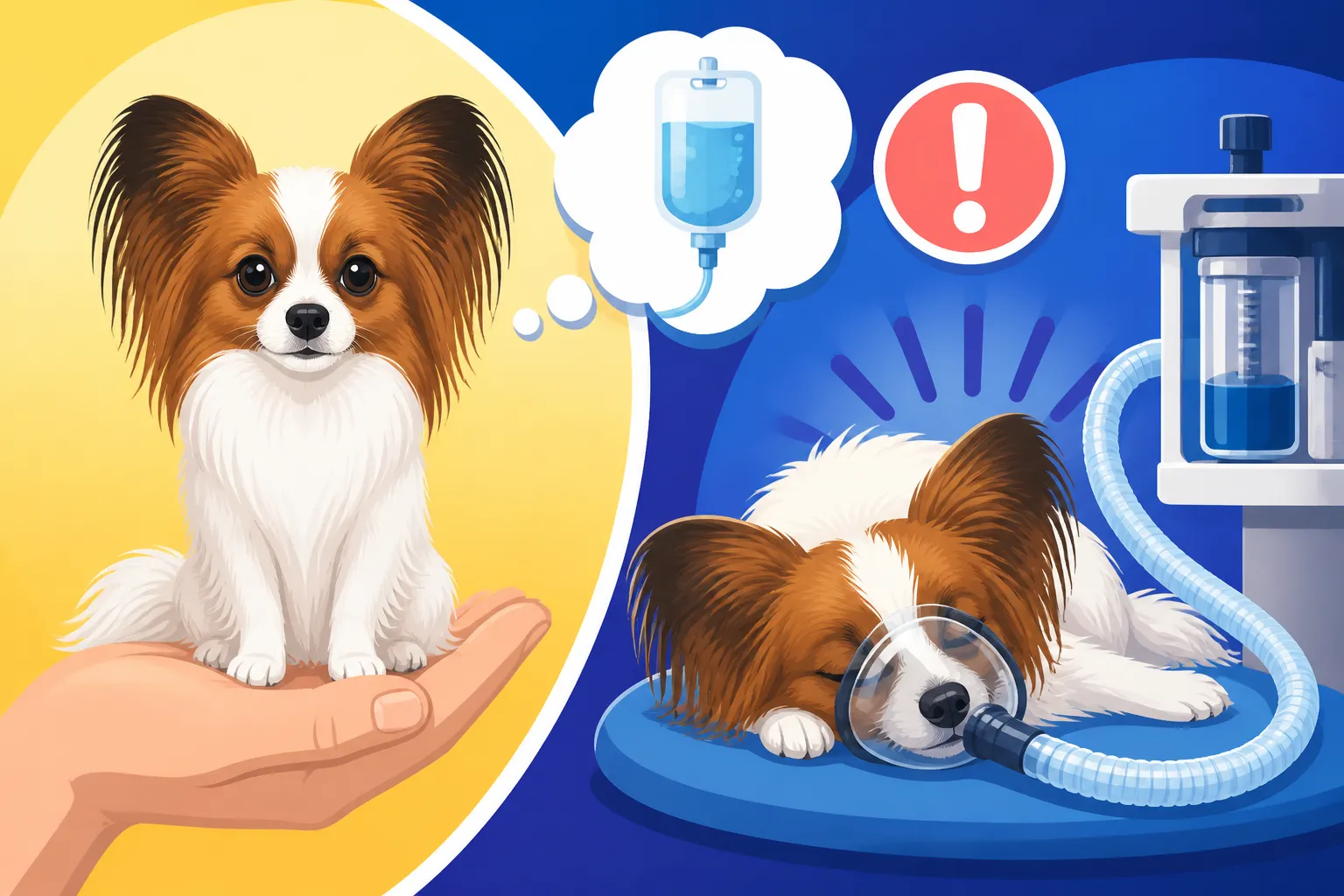
The thought of your precious five-pound Papillon going under anesthesia can trigger a wave of anxiety, and it’s completely understandable. These tiny bundles of joy, while incredibly resilient, do present unique challenges when it comes to surgical or dental procedures requiring sedation. It’s not just about their size; their physiology means that what might be a routine anesthetic for a larger dog becomes a delicate balancing act for a veterinarian. This guide aims to shed light on why these miniature marvels require such specialized care during anesthesia, easing your worries by explaining the precise measures taken to keep them safe.
The Unique Anesthesia Challenges of Tiny Dogs
When you have a dog as small as a Papillon, every milligram of medication and every degree of body temperature becomes incredibly significant. Their diminutive size, which we adore, is precisely what makes anesthesia a more complex undertaking compared to their larger canine cousins. It's a testament to the skill of veterinary professionals that they navigate these hurdles so effectively.
Body Mass and Drug Dosage Precision
Imagine trying to measure a drop of medicine for a human baby versus an adult – the margin for error shrinks dramatically with less body mass. The same principle applies to your Papillon. A five-pound dog's body reacts to medications with an intensity that's simply not seen in a 50-pound Labrador. Even a tiny fraction of a milliliter difference in an injectable anesthetic drug can have profound effects, leading to an overdose or, conversely, insufficient sedation.
Veterinarians must meticulously calculate dosages based on the dog's exact weight, often using specialized formulas and tiny syringes to ensure pinpoint accuracy. There's no room for estimation. This precision is paramount not only for inducing anesthesia but also for maintaining it and ensuring a smooth recovery. For instance, if a Papillon's true weight is slightly off, say by an ounce or two, that can represent a much larger percentage of its total body weight compared to a much larger dog, and thus significantly alter the appropriate drug dose. This is why you'll often see your vet weighing your Papillon on a very precise scale, sometimes even a baby scale, before any procedure.
Rapid Temperature Loss
One of the most immediate and concerning risks for a tiny dog under anesthesia is hypothermia, or a dangerously low body temperature. Think about how quickly a small cup of coffee cools down compared to a large thermos – smaller objects lose heat faster. Your Papillon’s small surface area-to-volume ratio means they dissipate heat into the environment at an alarming rate, especially when their metabolic processes are slowed down by anesthetic drugs and they're lying still on a cold surgical table.
Hypothermia isn't just about feeling chilly; it can significantly complicate anesthesia. A drop in body temperature slows down drug metabolism, meaning anesthetic agents stay in the system longer, potentially delaying recovery. It can also suppress the immune system, increase the risk of infection, and even lead to heart rhythm disturbances. To combat this, veterinary teams go to great lengths. You'll often see them using heated blankets, circulating warm water pads, forced-air warming systems (like a Bair Hugger), and even warm IV fluids to help maintain your Papillon's core temperature. Maintaining this warmth is crucial throughout the procedure and well into the recovery phase to ensure a safe and smooth awakening.
Higher Metabolic Rate
While it might seem counterintuitive given the temperature loss, tiny dogs often have a higher basal metabolic rate than larger dogs when they're healthy and active. This means their bodies process substances, including anesthetic drugs, differently. On one hand, a faster metabolism can sometimes mean they wake up more quickly from certain short-acting drugs. On the other hand, it can also mean they burn through their energy reserves, particularly glucose, at a faster rate, increasing the risk of hypoglycemia (low blood sugar), especially if they haven't eaten for a required fasting period.
The challenge here lies in predicting and managing these metabolic fluctuations. A veterinarian needs to anticipate how quickly a Papillon might metabolize a drug and adjust the continuous rate infusions accordingly. They also need to be vigilant about blood glucose levels, particularly in puppies or very frail adults. The aim is to achieve a stable plane of anesthesia, avoiding sudden drops or rises that could stress their tiny systems. This higher metabolic rate, coupled with their small size, also means that they can be more susceptible to the effects of stress and anxiety leading up to a procedure, which can further complicate their metabolic balance.
Monitoring and Equipment: A Specialized Approach
When your beloved Papillon goes in for a procedure requiring anesthesia, it’s not just about the drugs; it’s about the vigilant eyes and specialized tools used to ensure their safety every single second. Standard equipment designed for larger breeds simply won't cut it for a delicate five-pound dog.
Delicate Monitoring Needs
Imagine trying to put a blood pressure cuff designed for an adult human on a toddler's arm; it just wouldn't work. The same applies to monitoring equipment for tiny Papillons. Standard ECG clips, blood pressure cuffs, and pulse oximeter probes are often too large, making it incredibly difficult to get accurate readings. This isn't just an inconvenience; it can be dangerous if the veterinary team can't precisely track your dog's vital signs.
Many veterinary clinics that routinely handle small breeds invest in specialized, miniature equipment. This includes smaller ECG clips that can be placed without obscuring the surgical field, tiny blood pressure cuffs designed for small limbs, and specialized probes for pulse oximetry that can accurately read oxygen saturation on a small paw or ear. Beyond the equipment, the human element is paramount. A skilled technician must be present, often dedicated solely to monitoring the patient, manually checking heart rate, respiratory rate, and gum color, and ensuring the equipment is functioning correctly and providing accurate data. This level of focused, continuous observation is a non-negotiable part of safe anesthesia for such a small dog.
Maintaining Blood Pressure and Glucose
Tiny dogs are notoriously prone to developing hypotension (low blood pressure) and hypoglycemia (low blood sugar) under anesthesia. Their small blood volume makes them highly susceptible to even minor fluid shifts, and their fast metabolism, as we discussed, means their glucose stores can deplete rapidly during fasting and sedation. These aren't minor concerns; sustained low blood pressure can compromise blood flow to vital organs like the kidneys and brain, while low blood sugar can lead to weakness, seizures, and even brain damage.
To counteract these risks, veterinary teams employ proactive strategies. Intravenous (IV) fluids are almost always administered during anesthesia to help maintain hydration and blood pressure. These fluids are often delivered via an IV pump to ensure precise, controlled rates, preventing fluid overload in their small circulatory systems. Furthermore, blood glucose levels are often checked before and during longer procedures, and dextrose (sugar) can be added to the IV fluids if necessary to prevent or correct hypoglycemia. For any procedure, even something as routine as Dental Work Over a Papillon's Long Life, these preventative measures are crucial. The team needs to be ready to intervene quickly if these vital signs start to dip.
The Importance of a Dedicated Anesthetist (or Highly Trained Staff)
While the veterinarian is ultimately responsible, the direct, continuous monitoring of an anesthetized Papillon often falls to a veterinary technician. This isn't just any technician; ideally, it's someone highly experienced with anesthesia, and specifically with toy breeds. Their job is not to assist the surgeon but to be the vigilant guardian of your dog's life signs. They are constantly watching the monitors, feeling pulses, assessing gum color, and listening to breath sounds.
This dedicated role is critical because toy breeds can change rapidly under anesthesia. A subtle drop in heart rate or blood pressure in a larger dog might be a warning sign, but in a five-pound Papillon, it could quickly escalate into a crisis. An experienced anesthetist can interpret these subtle changes and communicate them to the vet, allowing for immediate adjustments to anesthetic depth, fluid rates, or warming measures. This level of focused attention and expertise makes an enormous difference in the outcome for these fragile patients, ensuring that if anything starts to go sideways, it’s caught and addressed without delay.
Pre-Anesthetic Protocols and Post-Anesthesia Care
The safety of your Papillon during anesthesia isn’t just about the procedure itself; it begins long before and extends well after. Thoughtful preparation and meticulous post-operative care are just as vital as the anesthetic protocol chosen.
Thorough Pre-Anesthetic Workup
Before your little Papillon even sniffs the anesthetic drugs, a comprehensive health check is essential. This isn't just a quick peek; it's a deep dive into their current health status to identify any underlying issues that could complicate the anesthesia. For tiny dogs, who often mask illness, this step is even more critical.
A thorough pre-anesthetic workup typically includes:
- A complete physical exam: The vet will listen to their heart and lungs, check their hydration, and assess their overall demeanor.
- Bloodwork: This is non-negotiable for most vets, especially for tiny dogs. Whether a Papillon Needs Bloodwork Before a Dental is a question many owners have, and the answer is almost always yes. A pre-anesthetic blood panel assesses organ function (kidneys, liver), blood cell counts (checking for anemia or infection), and electrolyte balance. Abnormalities here can indicate risks that need to be managed before anesthesia. For instance, compromised kidney function might mean choosing anesthetic drugs that are less reliant on renal excretion. You might also want to ask What a Papillon's Yearly Bloodwork Should Cover as part of routine preventative care.
- Other diagnostics: Depending on the Papillon's age and health history, additional tests like a urinalysis, chest X-rays, or an ECG might be recommended, particularly for older Papillons or those with a history of heart murmurs. These tests help create a complete picture of your dog’s health, allowing the veterinary team to tailor the safest possible anesthetic plan.
Tailored Anesthesia Protocols
There's no single "best" anesthetic for every Papillon. Instead, the veterinary team crafts a personalized protocol based on the individual dog's health profile, the specific procedure being performed, and the length of time anesthesia is expected to last. This bespoke approach minimizes risks and maximizes safety.
For a five-pound Papillon, this often means selecting specific drugs that are known to be short-acting, easily reversible, and have minimal impact on cardiovascular or respiratory function. For example, some inhalant anesthetics allow for rapid changes in anesthetic depth, which is vital for tiny patients who can shift quickly. The choice between injectable and inhalant, or a combination of both, is made carefully. Sedatives and pain medications might be given as pre-medications to help relax your Papillon, allowing for lower doses of the main anesthetic agent. This holistic approach, combining various medications at precise dosages, is often referred to as a "balanced anesthesia" technique. It’s also why understanding Anesthesia and a Five Pound Papillon specifically is so important for vets.
Extended Recovery and Monitoring
The work doesn’t stop once the procedure is over and the anesthetic gases are turned off. For a tiny Papillon, the recovery phase is just as critical as the surgery itself and often requires extended, vigilant monitoring. They don't just "wake up" quickly and go home.
During recovery, the veterinary team continues to monitor their vital signs closely, ensuring their body temperature returns to normal, their blood pressure stabilizes, and they are waking up smoothly and comfortably. Pain management is a huge part of this phase; appropriate analgesics are administered to keep them comfortable and reduce stress, which aids in a quicker, less complicated recovery. Many tiny dogs are kept in warm, quiet recovery areas, sometimes with a dedicated technician monitoring them for several hours. This extended care is crucial because small dogs can sometimes experience delayed awakening, or develop issues like hypothermia or hypoglycemia as the drugs wear off. The goal is to ensure they are fully alert, stable, and warm before they are sent home, allowing for peace of mind. This meticulous post-op care is especially important when thinking about Caring for a Papillon Past Eleven, as older dogs naturally take longer to recover.
Empowering Owners: What You Can Do
As a Papillon owner, you are your dog’s best advocate. Understanding the intricacies of anesthesia for small breeds empowers you to make informed decisions and partner effectively with your veterinary team. You're not just dropping off your dog; you're entrusting a cherished family member, and you have every right to feel confident in the care they receive.
Choosing the Right Veterinary Practice
Not all veterinary clinics are equally equipped or experienced when it comes to anesthetizing tiny dogs like Papillons. While most clinics can handle routine procedures, clinics that regularly deal with toy breeds often have specialized equipment, highly trained staff, and a deep understanding of the unique physiological challenges involved. Don’t hesitate to ask specific questions when choosing a vet or discussing a procedure:
- How often do you anesthetize dogs under 10 pounds?
- What monitoring equipment do you use for small patients (e.g., specific blood pressure cuffs, warming devices)?
- Do you have a dedicated staff member for anesthetic monitoring?
- What pre-anesthetic bloodwork do you require?
- What post-operative monitoring is included?
Finding a veterinarian and a team who are experienced and confident in handling tiny patients like your Papillon is probably the single most important step you can take. They should be transparent about their protocols and happy to answer all your questions, no matter how detailed. A reputable breeder will also tell you What a Papillon Breeder Should Have Tested regarding health conditions that could impact anesthesia.
Understanding the Risks and Costs
It's natural to feel worried about the risks associated with anesthesia, especially for a small dog. While serious complications are rare thanks to modern veterinary medicine, they can occur. These risks include adverse drug reactions, heart or breathing problems, and prolonged recovery. Your vet should discuss these risks with you openly and honestly, explaining how they minimize them.
You might also notice that the cost of anesthesia for a five-pound Papillon can sometimes be higher than for a much larger dog, and this can be a point of frustration for owners. However, this higher cost reflects the increased level of care required: the specialized equipment, the meticulous drug calculations, the dedicated monitoring staff, and the extended recovery period. It’s not just about the size of the patient but the intensity of the care. Pet insurance, such as through providers like Healthy Paws, can be an invaluable tool to help manage these unexpected (and sometimes expected, like routine dentals!) veterinary expenses. Understanding What Insurance Covers on a Papillon can give you peace of mind, knowing you won't have to choose between your pet's health and your wallet. Discussing financial aspects upfront ensures you are fully prepared for the investment in your Papillon’s safety and well-being.
Advocating for Your Papillon
Never feel embarrassed or hesitant to ask questions or voice your concerns. You are your Papillon's voice, and a good veterinary team will welcome your engagement. Before the procedure, clarify everything:
- What specific drugs will be used?
- What are the potential side effects I should watch for?
- How long will my Papillon be monitored after waking up?
- When can I expect a call with an update?
If you have specific concerns, perhaps because your Papillon is older, has a known health issue, or has a history of sensitivity, share this information openly with your vet. For instance, Whether a Papillon Is Sensitive to Anesthesia is a common concern among owners, and your vet needs to know if your dog has exhibited any sensitivities in the past. Always ensure you are comfortable with the answers and the plan. Don’t hesitate to ask for a second opinion if you feel unsure. Your proactive involvement in your Papillon’s care journey is a critical component of ensuring their safety and comfort, and the vet should always perform Whether a Papillon Needs a Pre Anesthetic Exam as part of your pet's care.
Here’s a quick overview contrasting anesthesia considerations:
| Feature | Small Dogs (e.g., Papillon) | Large Dogs (e.g., Labrador) |
|---|---|---|
| Drug Dosage | Extremely precise calculations, tiny margins of error. | More forgiving dosage range due to larger body mass. |
| Temperature Regulation | High risk of hypothermia, aggressive warming measures needed. | Moderate risk, generally easier to maintain body temperature. |
| Metabolic Rate | Often higher; prone to hypoglycemia, faster drug metabolism. | Generally lower; less prone to rapid blood sugar drops. |
| Monitoring Equipment | Requires miniature, specialized equipment for accuracy. | Standard-sized equipment usually sufficient. |
| Blood Pressure/Glucose | Prone to hypotension and hypoglycemia, frequent checks needed. | Less common issues, though still monitored. |
| Recovery Period | Often extended, requires vigilant, sustained monitoring. | Generally quicker and less intensive monitoring. |
| Staff Focus | Often a dedicated anesthetist focused solely on monitoring. | Monitoring may be shared with other tech duties, though always priority. |
| Cost | Potentially higher due to specialized care and equipment. | Generally lower for comparable procedures. |
Ultimately, while the complexities of anesthetizing a five-pound Papillon are real, modern veterinary medicine has developed highly effective protocols and equipment to ensure their safety. By understanding these challenges and partnering closely with your veterinary team, you can feel confident that your beloved companion is in the best possible hands. It’s all part of ensuring your Papillon lives a long, healthy, and happy life, which can be considerable, as many wonder How Long a Papillon Lives.
Disclaimer
This article is for general informational purposes only and does not constitute professional advice. Laws, prices and regulations vary by location and change over time. Consult a qualified professional for guidance on your specific situation.