Whether a Papillon Gets Follicular Dysplasia
One of the lovely things about our Papillons is their beautiful, flowing coats. But when you start noticing changes—maybe some thinning, patchiness, or hair that just doesn't look right—it can send a wave of worry through you. You start wondering if it's just normal shedding, something more serious, or even a condition you've heard whispers about like follicular dysplasia. It’s natural to feel a bit lost when your little butterfly dog’s glorious hair isn't quite so glorious. This guide will dive deep into what follicular dysplasia is, whether Papillons are typically prone to it, and what you should look out for, helping you navigate these concerns with confidence and clarity.
Understanding Follicular Dysplasia in Dogs
When we talk about follicular dysplasia, we're really talking about a group of conditions that sound a bit intimidating but boil down to one core issue: the hair follicles themselves aren't working quite right. Instead of producing strong, healthy strands of hair, they're creating weak, abnormal ones that often break off, fall out, or simply don't grow correctly in the first place. It's not usually painful, but it certainly can be unsightly and frustrating for both you and your furry friend.
What Is Follicular Dysplasia?
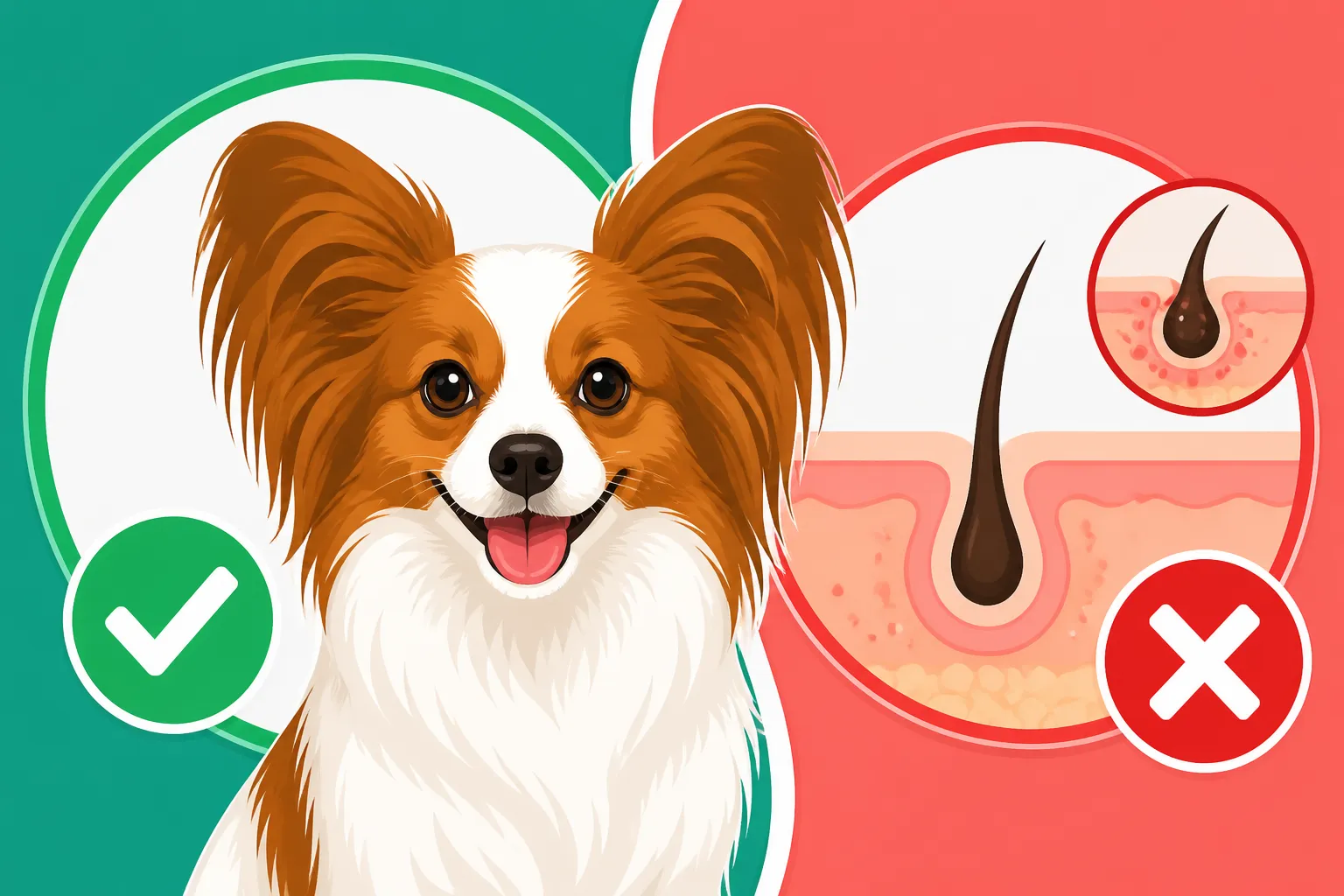
At its heart, follicular dysplasia is a developmental abnormality of the hair follicles. Think of a hair follicle as a tiny factory beneath the skin, meticulously crafting each hair strand. In dogs with follicular dysplasia, these factories are essentially "malfunctioning." They might be producing hairs that are too thin, brittle, or oddly shaped, or they might stop producing hair altogether in certain areas. This isn't just about surface-level issues; it’s a problem stemming from the very structure designed to grow hair. Because the follicles are compromised, the hair they do manage to produce is fragile and prone to breaking or falling out prematurely, leading to a visibly sparse or damaged coat.
This condition is typically genetic, meaning it's something a dog is born with or predisposed to, even if the symptoms don't show up until later in life. It's not contagious, nor is it typically caused by external factors like fleas or poor nutrition, though these things can certainly exacerbate the appearance of a compromised coat. Instead, it's often an inherent flaw in the genetic blueprint for hair production. While some forms of dysplasia might affect specific colors or patterns of hair, others can be more widespread, leaving owners scratching their heads about what's going on with their beloved companion’s once-lustrous fur.
General Symptoms and Presentation
The symptoms of follicular dysplasia can vary widely depending on the specific type and how severe it is, but there are some common threads you'll notice. The most obvious sign is usually hair loss, or alopecia, which can appear as thinning patches, complete bald spots, or a generally sparse coat. This hair loss isn't always uniform; it might show up in specific areas like the flanks, chest, or behind the ears, or it could be more generalized. The remaining hair might look dull, dry, and brittle, breaking easily or having a "cottony" texture instead of the silky feel you expect from a Papillon.
Beyond just the hair, the skin underneath can also show changes. You might notice scaling, flaking, or a darker pigmentation in the affected areas, a condition known as hyperpigmentation. The skin might also feel thickened or dry. Some dogs might experience secondary bacterial or yeast infections in these compromised areas due to the skin's altered barrier function, which can lead to itching, redness, and a musty odor. It’s a bit of a cascade: abnormal follicles lead to abnormal hair, which leads to compromised skin, and sometimes, to discomfort. For an owner, seeing these changes can be distressing, especially when your otherwise vibrant dog starts to look a bit ragged around the edges.
Different Types of Follicular Dysplasia
Follicular dysplasia isn't a single condition but rather an umbrella term for several distinct types, each with its own characteristics and typical breed predispositions. While we'll focus on Papillons shortly, it's helpful to understand the broader landscape.
One well-known type is Black Hair Follicular Dysplasia (BHFD), which specifically affects dogs with black or dark-colored hair. Puppies are born with normal coats, but as they grow, the black hairs begin to fall out, leaving patchy areas of hair loss and often leading to a diluted, grayish appearance in the affected black patches. The non-black areas of the coat remain completely normal. This is a classic example of a color-linked dysplasia.
Then there's Seasonal Flank Alopecia, also known as recurrent flank alopecia. This type typically causes non-itchy hair loss on the flanks, often in an oval or rectangular pattern. True to its name, it tends to appear seasonally, usually in late fall or winter, and then regrows in the spring, only to recur again the following year. While the hair loss can be dramatic, the dog usually remains otherwise healthy.
Other forms include various types of pattern baldness that affect specific areas like the ears, temples, or abdomen, and more generalized dysplasias that might be rarer. Some are also tied to dilute color genes, where the hair follicles in diluted coat areas (like blue or fawn) fail to develop properly, leading to a condition called Color Dilution Alopecia. Each type represents a different genetic hiccup in the complex process of hair growth, leading to a diverse range of visual outcomes for our canine companions.
Is Follicular Dysplasia a Concern for Papillons?
Now, let's get down to brass tacks: what about our beloved butterfly dogs? When you have a breed known for its stunning, silky coat and elegant ear fringe, any issue affecting hair health is naturally going to be a big concern. The good news is that Papillons are generally considered a healthy breed with a relatively robust coat for its fine texture. Follicular dysplasia, while a real issue in some dog breeds, is not commonly cited as a prevalent or breed-specific problem for Papillons.
Breed-Specific Predispositions
Unlike some breeds where certain types of follicular dysplasia are practically emblematic—think Dobermans with color dilution alopecia, or Boxers with seasonal flank alopecia—Papillons generally do not have a well-documented genetic predisposition to specific forms of follicular dysplasia. Their long, single coat, which is all fringe and no undercoat, is known for its relatively low shedding and ease of care, as detailed in A Papillon's Coat Is All Fringe and No Undercoat. This isn't to say a Papillon could never get follicular dysplasia; any dog, theoretically, could develop a spontaneous genetic mutation. However, it's far from being a common or expected health issue that reputable breeders actively screen for.
If a Papillon were to develop symptoms suggestive of follicular dysplasia, it would likely be considered an anomalous case rather than a typical breed ailment. This means that if you're seeing significant hair loss or changes in coat quality, your vet will likely explore other, more common causes before landing on follicular dysplasia. It's important not to jump to conclusions, but rather to methodically rule out other possibilities first. While no dog is immune to genetic quirks, the Papillon breed's genetic makeup hasn't shown a strong link to these specific hair follicle disorders.
Differentiating from Other Papillon Coat Issues
Because follicular dysplasia isn't a common Papillon problem, it's crucial to consider other, more prevalent skin and coat issues that can mimic its symptoms. This is where a good diagnostic approach from your veterinarian comes in, because what looks like "bad hair" could be several different things.
For instance, Papillons can certainly experience seasonal shedding, though typically not as dramatically as double-coated breeds. Their long coat can look a bit thin if they're shedding heavily, but it should regrow normally. Allergies are another very common culprit for skin and coat problems in any dog, and Papillons are no exception. Whether it's environmental allergies (like pollen), food allergies, or flea allergies, the incessant itching can lead to self-trauma, causing hair breakage, thinning, and secondary skin infections. If your Papillon is constantly scratching, licking, or chewing at their skin, especially in specific areas, allergies are a much more probable cause than follicular dysplasia. We talk more about common Papillon skin issues, including allergies, in Whether a Papillon Gets Skin Allergies.
Endocrine disorders, like hypothyroidism (though less common in Papillons than some other breeds) or Cushing's disease, can also cause symmetrical hair loss and changes in coat texture. Even nutritional deficiencies, while rare with good quality dog food, could potentially impact hair health. Lastly, simple wear and tear, matting (even though Why a Papillon's Long Coat Takes Twenty Minutes a Week suggests they mat less than expected), or improper grooming can damage the delicate Papillon coat, making it appear sparse or unhealthy. The key takeaway here is that while follicular dysplasia is a possibility, it's usually low on the list of suspects for a Papillon presenting with coat issues.
When to Suspect Follicular Dysplasia
So, given that it’s not common, when should you consider follicular dysplasia as a possibility for your Papillon? It's typically when other, more common causes have been ruled out, or when the hair loss presents in a very specific, unusual way that doesn't fit the typical allergy or endocrine profile.
Here are some signs that might make your vet consider further investigation for follicular dysplasia:
- Non-itchy, progressive hair loss: If your Papillon is losing hair but isn't scratching relentlessly, it points away from allergies. If this loss is also progressive, worsening over time, and doesn't respond to typical allergy treatments, it raises a red flag.
- Specific patterns of hair loss: While Papillons don't have known breed-specific patterns for dysplasia, any unusual, symmetrical bald patches (especially on the flanks, chest, or ears) that appear without obvious irritation could be a sign. If your dog is a rare liver-colored Papillon, or has significant black patches that are affected while other colors are not, that might also prompt investigation.
- Abnormal hair quality: If the hair in affected areas is noticeably brittle, broken, dull, or feels "different" to the touch (e.g., coarser or cottony instead of silky), even the hair that is still growing, it suggests a problem at the follicle level.
- Young onset with no other cause: While some dysplasias appear later, if a Papillon puppy develops unexplained hair issues that aren't parasitic or nutritional, it could point to a congenital or inherited follicular defect.
- Recurrent, seasonal hair loss: If your Papillon repeatedly loses hair in the same areas during certain times of the year, only for it to grow back and then fall out again, it might suggest seasonal flank alopecia.
Ultimately, if you notice any persistent or concerning changes in your Papillon's coat or skin, the best course of action is always a trip to your vet. They can help you determine the underlying cause and guide you through the diagnostic process.
Diagnosing and Managing Follicular Dysplasia
If you and your vet find yourselves suspecting follicular dysplasia, don't panic. While it sounds serious, it's often more of a cosmetic issue than a life-threatening one, and there are ways to manage it to ensure your Papillon lives a comfortable life. The journey begins with a thorough diagnostic process to pinpoint the exact problem.
The Diagnostic Process
Diagnosing follicular dysplasia isn't usually a quick fix; it often requires a methodical approach from your veterinarian, sometimes involving a specialist. Your vet will start with a comprehensive physical examination, taking a detailed history of your Papillon's symptoms, diet, and any medications they're on. They'll also ask about the onset and progression of the hair loss, and if there's any itching involved.
Initial tests often include ruling out common culprits like parasites (with skin scrapings), bacterial or yeast infections (with cytology), and allergies. Blood tests might be run to check for underlying systemic diseases, such as thyroid issues or other endocrine imbalances, which can cause similar hair loss patterns. These initial steps are crucial because many conditions can mimic follicular dysplasia, and it's essential to eliminate the more common and treatable ones first. For general health insights, understanding What a Papillon's Yearly Vet Visit Costs can help you budget for these diagnostic steps.
If these initial tests come back negative and suspicion of follicular dysplasia remains high, the definitive diagnostic tool is often a skin biopsy. This involves taking a small sample of skin from an affected area, usually under local anesthesia, and sending it to a veterinary pathologist. The pathologist will examine the follicles under a microscope, looking for characteristic abnormalities in their structure and how they're producing hair. This microscopic examination is key to identifying the specific type of follicular dysplasia and confirming the diagnosis. In some cases, your vet might recommend a referral to a veterinary dermatologist, a specialist who has extensive experience in diagnosing and managing complex skin conditions.
Treatment and Management Options
It's important to understand that for most forms of follicular dysplasia, there isn't a "cure" in the sense of making the condition disappear completely. Since it's often a genetic defect in the hair follicles, we can't typically "fix" the underlying problem. However, that doesn't mean nothing can be done! The focus shifts to management, aiming to improve coat quality, minimize hair loss, prevent secondary infections, and keep your Papillon comfortable.
Treatment is usually symptomatic and supportive. This might involve special shampoos and conditioners designed to hydrate the skin, improve coat texture, and prevent secondary infections. Your vet might recommend supplements such as omega-3 fatty acids, which are known to support skin and coat health. Melatonin has also been used successfully in some cases of seasonal flank alopecia. Dietary changes, including specialized prescription diets for skin sensitivities or to boost overall coat health, could also be part of the plan.
If secondary bacterial or yeast infections occur (which are common in compromised skin), antibiotics or antifungals will be prescribed to clear them up. Protecting your Papillon from excessive sun exposure on bald patches is also important to prevent sunburn. While many of these interventions might not bring back a full, perfect coat, they can significantly improve the appearance of the hair, reduce flaking, and maintain skin health. It's a journey of trial and error to find what works best for your individual Papillon, and having a good pet insurance plan like those offered by Healthy Paws can certainly help with the ongoing costs of specialized diagnostics, medications, and consultations with dermatologists.
Living with a Papillon with Follicular Dysplasia
Receiving a diagnosis of follicular dysplasia for your Papillon can feel disheartening, especially when you cherish their beautiful coat. However, it's crucial to remember that this condition is typically manageable, and your Papillon can still live a very full, happy life. The primary concern is their comfort and overall well-being, not just aesthetics.
For many dogs, follicular dysplasia is primarily a cosmetic issue. They might look a bit different, perhaps with sparser areas or a less luxurious plume, but they're not in pain, and their quality of life isn't necessarily diminished. Your role as an owner becomes one of diligent management and observation. Regular check-ups with your vet will be important to monitor the condition and address any secondary issues promptly. Understanding Caring for a Papillon Past Eleven gives a good perspective on managing long-term health, and this approach extends to chronic skin conditions.
Grooming might need some adjustments. While Papillons generally require straightforward grooming, focusing on gentle brushing (perhaps with a softer brush) and specific shampoos can make a difference. Avoiding harsh products or excessive heat during drying is also wise. Sun protection for exposed skin is essential, especially for areas like the back or flanks that might become more bald. This could mean doggy sun shirts or pet-safe sunscreen for walks. Most importantly, showering your Papillon with love and ensuring they feel secure and cherished will help them thrive, regardless of their coat's appearance. The emotional bond you share remains the most vital aspect of their life.
General Papillon Coat and Skin Health
Even if follicular dysplasia turns out not to be the issue, or if you're just looking to maintain your Papillon's gorgeous appearance, understanding general coat and skin health is paramount. Papillons are known for their elegant, flowing coats, and keeping them in top condition contributes to their overall health and comfort.
Routine Coat Care for a Papillon
A healthy Papillon coat is a true joy to behold, and thankfully, it's not as demanding as it might appear. Despite its long, silky nature, the Papillon's single coat is surprisingly low-maintenance. Regular brushing is key, but it’s often less about preventing mats and more about distributing natural oils and removing loose hair. I often tell people that How Often a Papillon Needs Brushing is less than they'd think, maybe two to three times a week for about twenty minutes, focusing on areas prone to tangles like behind the ears, armpits, and under the tail. A good quality pin brush and a metal comb are your best friends here.
Bathing should be done as needed, typically every few weeks or when they get dirty. Use a gentle, dog-specific shampoo and conditioner to maintain the silkiness and prevent dry skin. Make sure to rinse thoroughly to avoid residue that can irritate the skin. Diet also plays a huge role in coat health. A high-quality dog food rich in omega fatty acids will provide the building blocks for healthy skin and a shiny coat. If your Papillon is a picky eater, which can happen, ensure they're still getting the right nutrients; What a Papillon Eats in a Month can help you budget for good food.
Beyond just the coat, don't forget their teeth! Papillons are prone to dental issues due to their small jaws, so regular tooth brushing is essential. How Common Dental Disease Is in Papillons is a real concern, and good dental hygiene prevents systemic problems that can impact overall health, including skin vitality.
Common Papillon Skin Issues
While Papillons are generally healthy, they can still fall prey to common canine skin ailments, just like any other breed. Being aware of these can help you spot issues early and seek appropriate treatment.
Allergies are probably the most frequent cause of skin irritation. Papillons can suffer from environmental allergies (atopy), flea bite allergies, or food allergies. Symptoms often include itching, redness, ear infections, paw licking, and sometimes secondary bacterial or yeast infections. Managing allergies usually involves identifying and minimizing exposure to triggers, along with medications or specialized diets prescribed by your vet.
Dry skin can sometimes be a problem, especially in dry climates or with excessive bathing. This can lead to flaking and a dull coat. Using moisturizing shampoos, adding omega-3 supplements to their diet, and ensuring proper hydration can help. In some cases, an underlying condition like hypothyroidism can manifest as dry skin and hair loss, though this is less common in Papillons.
Hot spots (acute moist dermatitis) can develop quickly, often triggered by excessive licking or scratching in response to an irritant, insect bite, or allergy. These are red, inflamed, often oozing lesions that can be quite painful. Prompt veterinary attention is needed to clean and treat them, often with antibiotics and anti-inflammatory medication. Being vigilant for these common issues allows you to be proactive in your Papillon’s care, keeping their skin healthy and their beautiful coat shining.
The Importance of a Good Vet
I cannot stress enough how vital a strong relationship with a knowledgeable veterinarian is for the lifelong health of your Papillon. From those crucial puppy vaccinations to guiding you through Caring for a Papillon Past Eleven, your vet is your most important partner. Regular wellness exams are not just for shots; they're an opportunity for your vet to assess your dog's overall health, including their skin and coat, listen to their heart, check their teeth, and discuss any changes you might have noticed.
Early detection of any health issue, whether it's a skin irritation, a subtle change in gait, or an emerging dental problem, can make a world of difference in treatment outcomes and overall prognosis. Your vet can perform routine screenings, advise on preventative care, and interpret any unusual symptoms. If a complex issue like follicular dysplasia is suspected, they can guide you through the diagnostic labyrinth, offering referrals to specialists like veterinary dermatologists if needed. They are also the best resource for understanding genetic predispositions and what health tests a reputable breeder should run, topics often covered in What a Papillon Breeder Should Have Tested. Think of your vet as a trusted advisor, helping you make informed decisions that support your Papillon's health and happiness for many wonderful years.
Disclaimer
This article is for general informational purposes only and does not constitute professional advice. Laws, prices and regulations vary by location and change over time. Consult a qualified professional for guidance on your specific situation.