The First Year With a Papillon Puppy
Bringing a Papillon puppy home is an exhilarating experience, full of tiny nips, boundless energy, and those impossibly cute butterfly ears. But let's be honest, the first year can also feel like a whirlwind of questions, sleepless nights, and moments where you wonder if you're doing anything right. This comprehensive guide is here to walk you through all the joys and challenges of that crucial first year, helping you navigate everything from potty training to adolescent antics with confidence.
Settling In: The First Few Weeks
The first few weeks with your new Papillon puppy are all about creating a sense of security and establishing a foundation of trust. It’s a huge change for a little one, leaving their littermates and familiar surroundings, so your goal is to make their transition as smooth and comforting as possible.
Creating a Safe Haven
When your tiny Papillon puppy first arrives, they need a space that is solely their own – a sanctuary where they feel safe, can rest undisturbed, and aren't constantly overwhelmed by their new environment. Think of it as their personal bedroom. This usually means a crate, but not just any crate. It should be appropriately sized; not so large that they can soil one end and sleep in the other, but big enough for them to stand, turn around, and lie down comfortably. Many come with dividers you can adjust as they grow.
Beyond the crate, puppy-proofing your home is absolutely non-negotiable for such a curious and small creature. Papillons are intelligent and quick, and they'll explore every nook and cranny. This means securing electrical cords, removing small objects they could swallow (think buttons, dropped earrings, errant twist ties), storing cleaning supplies out of reach, and ensuring houseplants aren't toxic. Even a seemingly innocent sock can become a foreign body obstruction, leading to a costly emergency vet visit. Creating a designated "puppy zone" with baby gates can be immensely helpful, especially when you can't supervise them directly. A cozy bed inside their crate, maybe a soft blanket that smells of their litter (if you were able to get one from the breeder), and a few safe chew toys will make this space inviting.
Establishing a Routine
Dogs thrive on routine, and Papillon puppies are no exception. A predictable schedule helps them understand what to expect and when, which is incredibly reassuring during a time of immense change. From day one, try to stick to a consistent schedule for feeding, potty breaks, playtime, and sleep. For a young puppy, this means taking them out to potty every 1-2 hours, immediately after waking up, after playing, and after eating.
Feeding times should also be consistent. Young Papillon puppies, especially, need regular meals to maintain their blood sugar levels and avoid issues like hypoglycemia. You might find yourself setting alarms for those middle-of-the-night potty breaks and early morning feedings, but this consistency pays dividends in faster house training and a more confident, settled puppy. Write it down if you need to! A simple chart on the fridge can be a lifesaver when you're sleep-deprived. Knowing that playtime always follows a potty break, or that a quiet rest period comes after a meal, helps your puppy regulate their energy and learn appropriate behaviors. It reduces anxiety because they aren't constantly guessing what's next.
First Vet Visit and Vaccinations
One of the first things you'll do after bringing your Papillon puppy home is schedule a vet check-up. This initial visit is crucial, not only for assessing your puppy's general health but also for establishing a relationship with a veterinarian who will be a key partner in your Papillon's long and healthy life. Your vet will perform a thorough physical examination, checking their heart, lungs, eyes, ears, and overall condition. They'll also discuss a vaccination schedule, which is vital for protecting your puppy from common and often serious canine diseases.
Don't be shy about asking questions during this visit. It's an excellent opportunity to talk about parasite control (fleas, ticks, and worms), proper nutrition, and even initial behavioral concerns. Your vet can also advise on The Vaccination Schedule a Papillon Puppy Needs and discuss local prevalence of certain diseases. For many Papillons, the tiny size means they're susceptible to certain conditions, so early discussions about potential health predispositions are important. This initial health check is a benchmark, giving you peace of mind and setting your puppy on the right path for a lifetime of wellness.
House Training Your Tiny Dynamo
Ah, house training – the bane of many a new puppy owner's existence! With Papillons, their small size can sometimes make this process feel a bit more challenging, but with patience and consistency, your little one will get there.
Understanding Papillon Potty Habits
One of the biggest realities of owning a Papillon puppy is their tiny bladder. What might be a reasonable holding time for a larger breed puppy simply isn't for a small Papillon. They need to go frequently – much more often than you probably anticipate! It's not uncommon for a young Papillon puppy to need to relieve themselves every hour or two, especially after waking up, eating, or a burst of playful energy. This can be frustrating, especially when you're trying to work from home or get a good night's sleep, but understanding their physical limitations is key.
You'll quickly learn to recognize their "gotta go" signals, which might be subtle: a sudden pause in play, sniffing the floor more intently, or perhaps a small whine. Scooping them up and heading outside immediately, celebrating wildly when they do their business outdoors, is the fastest way to reinforce the correct behavior. Remember, every successful outdoor potty break is a step towards a fully house-trained dog. Indoor potty pads can be a tool, but be mindful that relying on them too heavily can prolong the outdoor training process, as it teaches them that "inside" is also an acceptable place to go. You want to make the outside experience the most rewarding.
Crate Training for Success
Crate training is an invaluable tool for house training a Papillon, and for many other aspects of puppy rearing. A crate, when introduced correctly, becomes your puppy's den, a safe and comfortable space they associate with rest and security, not punishment. The magic of crate training for housebreaking lies in a dog's natural instinct not to soil their sleeping area. If the crate is appropriately sized (remember that adjustable divider!), your Papillon puppy will be much less likely to have an accident in it.
Introduce the crate gradually, making it a positive place with treats, toys, and soft bedding. Never force your puppy into the crate or use it for punishment. Start with short periods, even just a few minutes, gradually increasing the time. When your puppy is crated, they are learning bladder control. The moment you let them out, immediately take them to their designated outdoor potty spot. This creates a strong association: "out of crate equals go potty outside." This method is incredibly effective and significantly speeds up the house training process, making those frustrating accidents less frequent.
Dealing with Accidents and Setbacks
Let's be realistic: accidents are going to happen. No matter how diligent you are, there will be times your Papillon puppy has an oops moment. The key is how you react to them. Punishing your puppy after an accident, especially if you didn't catch them in the act, is counterproductive. They won't connect the punishment to the act of peeing on the rug; instead, they'll learn to fear you or to hide their potty habits, making training even harder. If you catch them in the act, a quick, sharp "No!" followed by immediately scooping them up and taking them outside can work, but the most important thing is simply to interrupt the behavior and redirect it.
Clean accidents thoroughly with an enzymatic cleaner designed to eliminate pet odors. This is crucial because residual odor can attract your puppy back to the same spot, signaling that it's an acceptable place to go. Remember that house training is a developmental process, and some Papillons might take a little longer than others to grasp it fully. Patience, consistency, and positive reinforcement are your best allies. Don't get discouraged by setbacks; they're a normal part of the journey. Understanding How Long House Training a Papillon Takes can help set realistic expectations, reminding you that it's a marathon, not a sprint, especially for smaller breeds.
Early Socialization and Exposure
The first year of a Papillon's life is a critical period for socialization. Properly socialized puppies grow into confident, well-adjusted adults who can navigate the world without fear or aggression, making them a joy to live with.
The Critical Socialization Window
The period from approximately 3 to 16 weeks of age is often referred to as the "critical socialization window" for puppies. During this time, their brains are like sponges, soaking up every experience and forming lasting impressions. For a Papillon puppy, this means exposing them to a wide variety of sights, sounds, smells, people, and other friendly dogs in a positive and controlled manner. The goal isn't to overwhelm them, but to gently introduce them to new things so they learn they are safe and normal.
Think about all the things your adult dog will encounter: vacuums, doorbells, children's laughter, bicycles, cars, different types of flooring, people wearing hats or glasses, and even other animals. Positive exposure to these stimuli now helps prevent fear-based reactions later in life. If a puppy misses out on this crucial period, they are more likely to develop anxieties, phobias, or even aggression towards unfamiliar things. It's a small investment of time now that pays huge dividends in their lifelong temperament and your peace of mind.
Introducing Your Papillon to the World Safely
Introducing your Papillon puppy to the world needs to be done with care and thoughtfulness, especially given their small size. Their world can seem vast and sometimes intimidating. Start with controlled environments. This could mean sitting on a park bench with your puppy in a carrier or on your lap, simply observing the world go by. They get to see people, hear traffic, and experience new smells without being directly in the fray. Reward their calm curiosity with treats and praise.
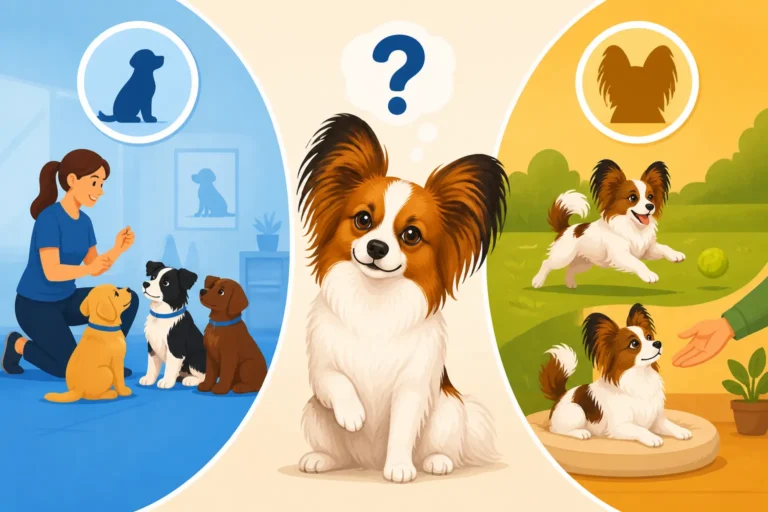
Puppy classes are another fantastic way to safely socialize your Papillon. These classes offer a structured environment for puppies to interact with other puppies of similar size and temperament under the watchful eye of a professional trainer. They also expose your puppy to different people and teach them basic obedience in a fun, positive way. Remember, quality over quantity: a few positive, short exposures are far more beneficial than one overwhelming, negative experience. Always ensure your puppy feels safe and that interactions are positive. If they seem stressed or scared, remove them from the situation gently and try again another time in a less intense setting.
Meeting Other Dogs and People
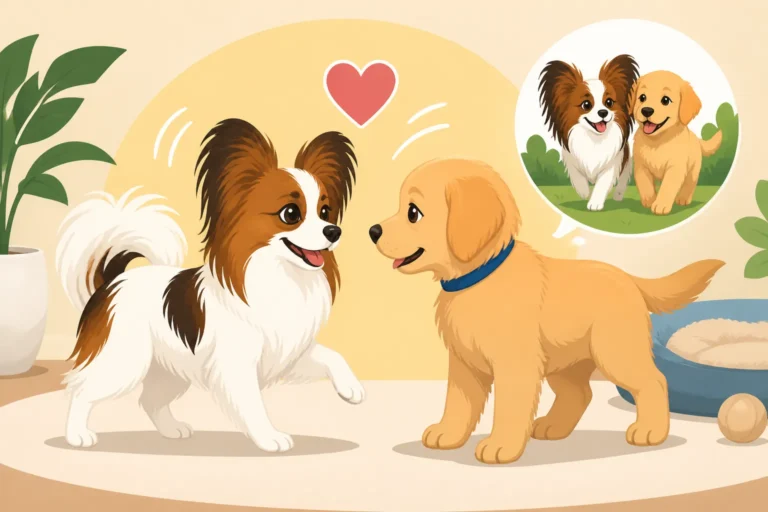
One of the most important aspects of socialization is teaching your Papillon puppy how to appropriately interact with other dogs and people. Because Papillons are small, they can sometimes be perceived as fragile, leading well-meaning owners to overprotect them. While vigilance is important, isolating them can lead to fear or reactivity. Instead, focus on supervised, positive interactions. Arrange playdates with vaccinated, friendly adult dogs who have a calm temperament and are accustomed to puppies. These gentle older dogs can teach your puppy appropriate dog-dog communication.
When it comes to meeting people, encourage gentle handling from a variety of individuals – men, women, children, people with different voices and appearances. Always supervise interactions, especially with children, and teach them how to approach and pet a small dog respectfully. Ensure your puppy has an escape route if they feel overwhelmed. By providing these positive, varied experiences, you’re helping your Papillon develop into a confident and friendly companion, capable of enjoying all the social aspects of being a beloved pet. For more on this, consider reading A Papillon with Children and Larger Dogs.
Training Basics: Building a Foundation
Papillons are renowned for their intelligence, often ranking among the smartest of all dog breeds. This makes them incredibly fun to train, but it also means they need mental stimulation to thrive. Laying a solid foundation of basic obedience in their first year is paramount.
Positive Reinforcement and Motivation
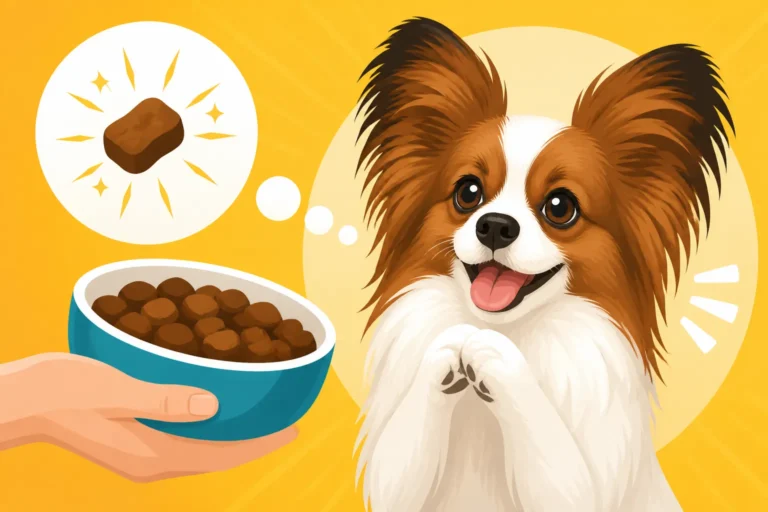
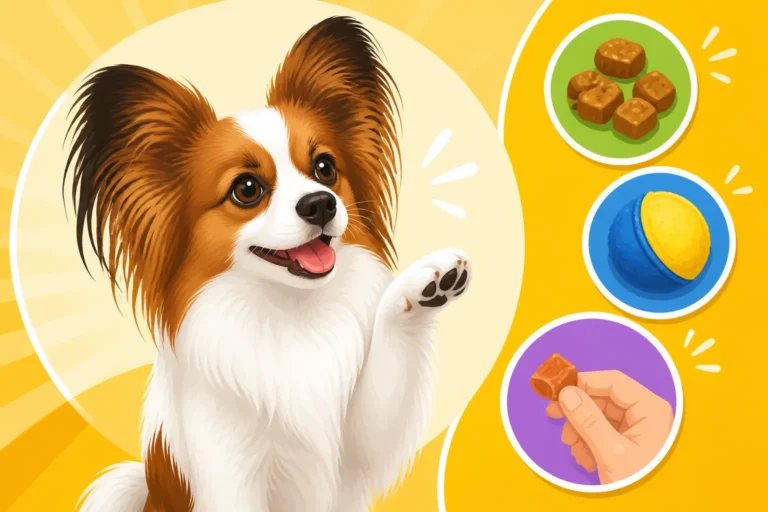
When it comes to training a Papillon, positive reinforcement is absolutely the way to go. These sensitive and intelligent little dogs respond beautifully to rewards and praise. Harsh corrections or punishment can be detrimental, leading to a shut-down puppy who fears interacting with you, rather than learning. Instead, focus on rewarding the behaviors you want to see. Whether it's a tiny piece of cooked chicken, a favorite squeaky toy, or enthusiastic praise, find what truly motivates your individual Papillon.
Short, frequent training sessions are far more effective than long, drawn-out ones. Papillons have excellent attention spans for their size, but even they can get bored if sessions drag on. Keep it fun and engaging! Use a happy, upbeat tone of voice and celebrate every small success. If your Papillon offers a behavior you're looking for, immediately mark it with a clicker or a verbal marker like "Yes!" and follow with a reward. This clear communication helps them understand exactly what they did to earn that treat. For a deeper dive into what makes them tick, you might want to explore Which Rewards a Papillon Works For.
Essential Cues: Sit, Stay, Come
Starting with a few foundational cues will set your Papillon up for success in many areas of life. "Sit," "stay," and "come" are not just party tricks; they are crucial for safety and communication.
- Sit: This is often the first cue puppies learn. Lure your Papillon into a sit by holding a treat above their head and slowly moving it back towards their tail. As their nose follows the treat, their rear end will naturally lower. The moment their bottom touches the ground, say "Sit!" (or click) and give them the treat. Practice this many times throughout the day in short bursts.
- Stay: Once your Papillon understands "sit," you can introduce "stay." Ask for a sit, say "Stay," and take one small step back. If they remain, immediately step back to them, reward, and release them with a cue like "Okay!" Gradually increase the distance and duration.
- Come: This is perhaps the most important safety cue. Start in a quiet, distraction-free environment. Crouch down, enthusiastically call your Papillon's name followed by "Come!" and open your arms. When they come to you, reward them with high-value treats and lots of praise. Never call your puppy to you for something they won't like, such as a bath or nail trim, as this can poison the "come" cue. Practice this frequently, making "come" the best thing ever! Many online resources, like those offered by BAXTER & Bella, can provide structured courses for teaching these foundational skills.
Leash Training and Walking Manners
Leash training often feels like a wrestling match with a tiny, fluffy octopus, but it's an essential skill for your Papillon to safely explore the world with you. Start early and make it positive. The first step is getting your puppy comfortable wearing a collar or, more preferably, a harness. For a small breed like a Papillon, a harness is often recommended to avoid putting pressure on their delicate trachea. Whether a Papillon Should Wear a Harness Instead of a Collar is a common question, and generally, a harness is safer. Introduce the harness gradually, letting them wear it for short periods around the house, distracting them with play and treats.
Once they're comfortable with the harness, attach a lightweight leash and let them drag it around the house (under strict supervision, so they don't get tangled). Then, pick up the leash and practice walking a few steps, rewarding them for any slack in the leash or for walking beside you. Avoid pulling or dragging them. If they resist, stop, wait for the leash to loosen, and then reward. Making walks enjoyable, rather than a chore, will instill a lifelong love for exploring. Remember that early training sets the stage for a well-behaved dog, preventing common issues like pulling or leash reactivity before they become ingrained habits.
Nutrition and Growth Through the First Year
What you feed your Papillon puppy in their first year is foundational to their long-term health, energy levels, and proper development. Getting it right can prevent many issues down the line.
Feeding Your Growing Papillon Puppy
A Papillon puppy has specific nutritional needs to support their rapid growth and high energy levels. It’s crucial to feed a high-quality puppy formula specifically designed for small breeds. These foods are calorie-dense and have the right balance of proteins, fats, vitamins, and minerals to meet the demands of a growing pup. Avoid adult dog food until they are closer to a year old, as it simply won't have the nutrient profile they need.
Follow the feeding guidelines on the food packaging, but always monitor your puppy's body condition. Papillons can be prone to becoming overweight, which puts strain on their delicate joints, especially their knees. How Much an Adult Papillon Eats will be less than a puppy, so getting the portions right now is important. Divide their daily food allowance into several small meals throughout the day (three to four for very young puppies, then typically two to three as they get older). This helps regulate their blood sugar and prevents them from getting too hungry. Keep fresh water available at all times. If you notice any digestive upset when switching foods, do it gradually over 7-10 days to allow their system to adjust.
Preventing Hypoglycemia in Young Pups
Hypoglycemia, or low blood sugar, is a serious concern for very young and tiny Papillon puppies. Their small bodies have limited reserves, and if they go too long without food, especially during periods of stress, over-excitement, or illness, their blood sugar can drop dangerously low. This is why consistent feeding schedules and monitoring your puppy's energy levels are so vital.
Symptoms of hypoglycemia can range from lethargy, weakness, and shivering to disorientation, loss of coordination, and even seizures in severe cases. It can come on quickly. If you suspect your Papillon puppy is experiencing low blood sugar, immediate action is necessary. Rubbing a little Karo syrup, honey, or a glucose gel on their gums can provide a quick boost. Always have one of these on hand, especially for new puppies. Then, contact your vet immediately. Prevention is key: ensure they eat regularly, manage stress, and monitor them closely. Understanding Signs a Papillon Puppy Has Low Blood Sugar is critical for any Papillon owner.
Transitioning to Adult Food
Around the age of 9 to 12 months, your Papillon puppy will likely be ready to transition from puppy food to an adult formula. This isn't a hard and fast rule; some smaller breeds mature a little earlier, while others might need puppy food for slightly longer. Your veterinarian is the best resource for determining the optimal time for your specific dog, taking into account their growth rate, current weight, and overall health.
When it's time to make the switch, do it gradually to avoid digestive upset. Start by mixing a small amount of the new adult food with their current puppy food. Over a week to ten days, slowly increase the proportion of adult food while decreasing the amount of puppy food. Watch for any changes in stool consistency or appetite. A gradual transition allows their digestive system to adapt smoothly. This shift marks an important milestone, indicating your Papillon has reached a significant stage in their physical development, now requiring a diet suited for maintenance rather than rapid growth.
Health and Wellness Milestones
Ensuring your Papillon puppy has a healthy first year involves more than just good nutrition and exercise; it means proactive veterinary care and an awareness of breed-specific considerations.
Regular Vet Check-ups and Preventative Care
Beyond the initial puppy check-ups and vaccination series, regular veterinary visits are fundamental to your Papillon's health. Your vet will guide you through crucial preventative care, including deworming protocols, flea and tick prevention, and heartworm medication. These aren't just suggestions; they are vital defenses against common parasites that can cause serious illness in puppies and adult dogs alike.
As your puppy approaches six months to a year, your vet will likely discuss spaying or neutering. This routine surgical procedure offers numerous health and behavioral benefits, including preventing certain cancers and unwanted pregnancies. It’s an important conversation to have with your vet, considering the best timing for your individual Papillon. Regular check-ups allow your vet to catch any subtle health changes early, before they become major problems, ensuring your Papillon stays happy and healthy for years to come.
Dental Care from Day One
Papillons are known for their small jaws, which, unfortunately, often lead to crowded teeth and a predisposition to dental disease. This isn't something to ignore until they're older; dental care needs to start in their first year, ideally from puppyhood. Getting your Papillon puppy used to having their mouth handled and their teeth brushed early on will make a world of difference.
Start by gently rubbing your finger along their gums, then introduce a soft puppy toothbrush and pet-specific toothpaste (never use human toothpaste!). Even if you only manage a few seconds at first, consistency is key. Daily brushing is the gold standard for preventing plaque and tartar buildup. Without it, your Papillon could face painful extractions and gum disease at a surprisingly young age. A deeper understanding of The Teeth in a Papillon's Small Jaw will reveal why this proactive approach is so crucial, as their tiny mouths are particularly vulnerable. Think of it as investing in their long-term comfort and avoiding potentially expensive veterinary dental procedures down the road.
Monitoring for Common Papillon Health Concerns
While Papillons are generally a healthy breed with a long lifespan, like all breeds, they do have some predispositions you should be aware of, especially in their first year. Patellar luxation, where the kneecap slips out of place, is one of the most common orthopedic issues. You might notice your puppy skipping a step, holding a leg up for a moment, or having a bunny-hop gait. Early detection can inform management strategies. Learn more about Patellar Luxation Is the Papillon Problem You Will Actually Meet.
Another concern is Progressive Retinal Atrophy (PRA), particularly PRA1, which affects vision. Reputable breeders should have their breeding dogs tested for this genetic condition. While it typically manifests later in life, knowing your puppy's genetic background is important. The Papillon Type of Progressive Retinal Atrophy and the CNGB1 Gene can provide more detailed information. Additionally, some Papillons can be born with an open fontanelle (a soft spot on the top of the skull), similar to a baby's. While usually closing with age, large or persistent fontanelles can require careful management. Discuss any concerns you have about these or other potential health issues with your veterinarian during your regular check-ups.
Grooming and Coat Care
The Papillon's beautiful, flowing coat is part of their charm, but many new owners worry about the maintenance. Good news: it's often less work than you think, especially if you establish a routine early on.
Getting Started with Brushing and Bathing
Despite their elegant appearance, a Papillon's single coat (meaning no undercoat) is surprisingly easy to care for compared to many other long-haired breeds. However, regular brushing is essential to prevent mats and keep their coat healthy and shiny. Start getting your puppy used to being brushed from the moment they come home. Use a soft pin brush and a metal comb (you can find excellent options on Amazon) and make it a positive experience with treats and praise. Focus on areas prone to matting, such as behind the ears, under the "armpits," and the long feathering on their legs and tail. For insights into the frequency, check out How Often a Papillon Needs Brushing.
Bathing a Papillon doesn't need to be a weekly event. Every few weeks, or when they're visibly dirty, is usually sufficient. Use a good quality dog shampoo and conditioner to keep their coat soft and manageable. Make bath time calm and positive. Many Papillons enjoy the warm water once they get used to it. Thoroughly rinse all shampoo and conditioner to prevent skin irritation. After bathing, gently towel dry, then use a hairdryer on a cool or low setting while brushing to ensure their long fur dries straight and without tangles.
Nail Trims and Ear Cleaning
These might not be the most glamorous grooming tasks, but they are critical for your Papillon's comfort and health. Long nails can cause discomfort, affect their gait, and even lead to orthopedic issues over time, particularly for a breed prone to patellar luxation. Start trimming your puppy's nails early and frequently, even if it's just tiny snips. This gets them accustomed to the sensation and helps keep the quick (the blood supply within the nail) receded, making future trims easier. If you're nervous, your vet or a professional groomer can show you how or handle it for you.
Papillon ears, with their beautiful fringes, generally don't trap a lot of moisture or debris like drop ears can, reducing the risk of ear infections. However, they still need occasional attention. Check their ears regularly for any redness, odor, or excessive wax buildup. If needed, gently wipe the visible parts of the ear with a vet-approved ear cleaner on a cotton ball. Avoid using cotton swabs deep inside the ear canal. If you notice any signs of infection, such as itching, head shaking, or a strong odor, consult your vet promptly. Consistent care from a young age makes these tasks routine and stress-free.
The Developing Papillon Coat
Your Papillon puppy's coat will undergo some changes as they mature into adulthood. Puppy fluff eventually gives way to the longer, silkier adult coat, complete with those glorious ear fringes, full culottes (the feathering on their hind legs), and their magnificent tail plume. This transition typically happens around 8 to 12 months of age, and sometimes you'll notice a period where their coat looks a bit "awkward" or slightly sparser as the new hair comes in. Learning about The Age a Papillon's Adult Coat Arrives can help you set expectations.
During this developmental phase, you might notice a temporary increase in shedding as the puppy coat is replaced. Be diligent with your brushing routine to prevent any matting, which can occur more easily when the two coat types are mixing. As their fringes and plume grow longer, they will require a little more care to keep them free of tangles and debris, especially if your Papillon enjoys romping in the yard or playing outdoors. This is also when you'll truly see the characteristic butterfly ears emerge, framed by those beautiful, long silky hairs that give the breed its name.
Navigating Adolescent Behaviors
Just like human teenagers, Papillon puppies hit an "adolescent" phase, typically between 6 months and a year (or sometimes even a little longer). This stage can be challenging, but understanding it is key to maintaining a strong bond and continuing their education.
The Teenager Phase
Around six months of age, your sweet, compliant Papillon puppy might suddenly transform into a defiant, selective-hearing teenager. This is a completely normal part of development. During adolescence, Papillons, much like other breeds, will test boundaries, challenge rules they previously understood, and often seem to forget all their training. They might suddenly refuse a "come" cue they had mastered, start marking inside, or develop a newfound stubborn streak.
This isn't malicious behavior; it's a critical period of physical and mental maturation. Their hormones are shifting, and they are becoming more independent and confident in their environment. It’s vital for you to remain patient, consistent, and firm with your expectations. Don't throw out all your previous training efforts! Instead, revisit basic obedience, practice in new and more distracting environments, and reinforce good behavior even more enthusiastically. Think of it as a temporary regression, and remember that consistent guidance will help them through this phase to become well-behaved adults.
Managing Chewing and Destructive Behaviors
Adolescent Papillons often have a renewed interest in chewing, sometimes more intensely than when they were teething. This isn't just a puppy thing; it’s a way to explore their world, relieve boredom, and sometimes even manage anxiety. The problem is when they start chewing on your furniture, shoes, or anything else that isn't a designated chew toy. Understanding What a Bored Papillon Destroys can help you get ahead of the problem.
The solution lies in management, appropriate outlets, and redirection. Ensure your Papillon has a variety of safe, durable chew toys available. Rotate them to keep things interesting. When you can't actively supervise them, use their crate or a puppy-proofed area to prevent destructive chewing. If you catch them chewing on something inappropriate, calmly interrupt them, redirect them to an acceptable chew toy, and praise them when they chew on the right item. Mental stimulation is also vital; a tired Papillon is less likely to be a destructive Papillon. Puzzle toys, short training sessions, and interactive games can help satisfy their intelligent minds and reduce the urge to chew.
Continuing Education and Advanced Training
Just because your Papillon has mastered "sit" and "stay" doesn't mean their training journey is over! The adolescent period is a fantastic time to continue their education and explore more advanced training or even dog sports. Attending an intermediate obedience class can help solidify their foundational cues amidst distractions, and it's a great way to bond and provide mental stimulation.
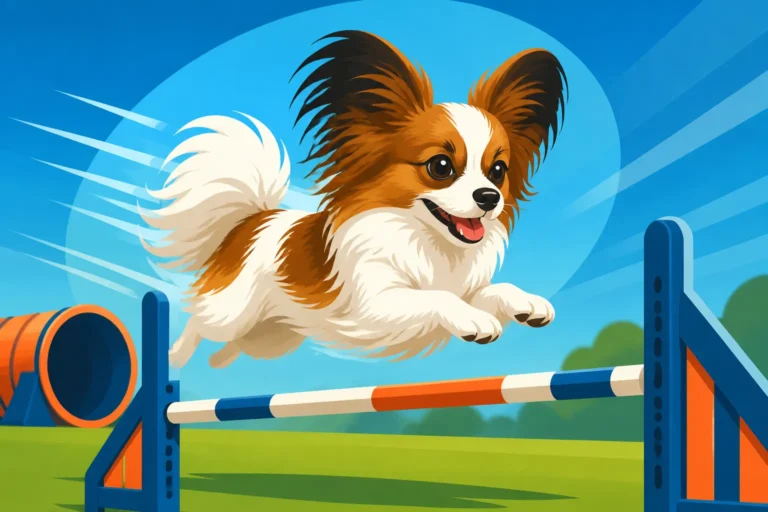
Papillons excel at dog sports, often stunning spectators with their agility and intelligence. If you've been considering Starting a Papillon in Agility, now might be the time to explore introductory classes (ensuring your vet has cleared them for physical activity, especially regarding their knees). Other options include Rally Obedience, trick training, or even scent work. Engaging in these activities not only provides a fantastic outlet for their energy and brains but also strengthens your relationship and reinforces positive behaviors. Consistent training throughout their first year and beyond helps shape them into well-rounded, delightful companions.
Year One Milestone Table
| Age Range | Key Developmental Milestones & Tasks | Important Considerations |
|---|---|---|
| 8-12 Weeks | First vet visit, initial vaccinations, deworming | Focus on positive socialization, begin crate & potty training. |
| Establishing routine for feeding, potty, play, sleep | Small bladder means frequent potty breaks. Monitor for hypoglycemia. | |
| Introduction to handling, grooming (brushing, nails) | Keep interactions positive, short, and fun. | |
| 3-6 Months | Completion of puppy vaccination series, first rabies shot | Continue socialization with people, sounds, friendly dogs. |
| Learning basic obedience cues (sit, stay, come) | Short, frequent, positive training sessions. | |
| Solidifying house training, increasing bladder control | Reinforce outdoor potty, clean accidents thoroughly. | |
| Teething phase, increased chewing | Provide plenty of appropriate chew toys. | |
| 6-9 Months | Adolescence begins: testing boundaries, "selective hearing" | Consistency is key! Revisit training, manage freedom. Discuss spay/neuter with vet. |
| Continued growth and energy levels | Increase exercise and mental stimulation. Monitor weight carefully. | |
| Permanent teeth are in; focus on daily dental care | Crucial for preventing early dental disease. | |
| 9-12 Months | Reaching near-adult size and weight | Gradual transition to adult dog food. |
| Coat maturing into full adult feathering | Regular brushing to prevent mats in growing fringes. | |
| Refining obedience, exploring advanced training/dog sports | Channel adolescent energy into productive activities. Ensure health clearances for sports. | |
| Potential for patellar luxation to become more apparent | Watch for skipping, limping. Discuss with vet. |
The first year with your Papillon puppy is a journey filled with learning, growth, and immense joy. By understanding their needs, being proactive with their care, and embracing the ups and downs of puppyhood and adolescence, you'll build an unbreakable bond and set the stage for a lifetime of happy companionship with your wonderful butterfly dog.
Disclaimer
This article is for general informational purposes only and does not constitute professional advice. Laws, prices and regulations vary by location and change over time. Consult a qualified professional for guidance on your specific situation.