What a Papillon Does All Day
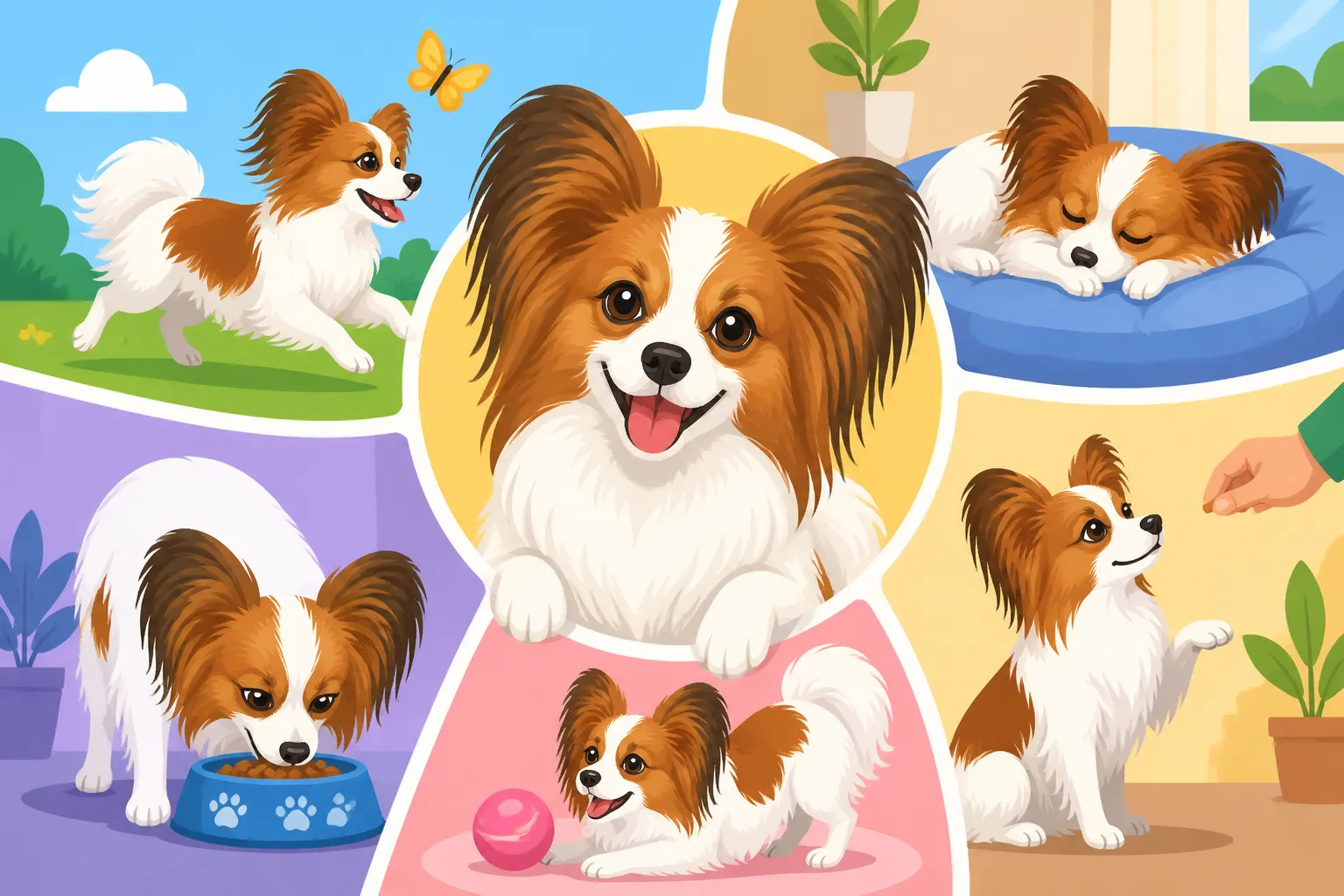
It's a common misconception that tiny dogs like Papillons just spend their days snoozing on velvet cushions, only rousing themselves for a quick meal or a moment of lap-sitting. While they certainly excel at being adorable lap warmers, a Papillon's day is actually a vibrant tapestry of activity, curiosity, and deep engagement with their human companions. If you've ever wondered what truly fills the hours for these intelligent, energetic little butterflies, you're in for a delightful surprise. This guide will walk you through a typical Papillon day, from the eager greetings of morning to their peaceful slumber, highlighting just how much these small dogs pack into their lives.
The Active Morning Routine
The sun has barely peeked over the horizon, or perhaps your alarm has just gently stirred you, but chances are, your Papillon is already wide awake and ready to go. These aren't dogs that hit the snooze button; they are full of life from the moment their eyes open, anticipating all the wonderful things the new day holds.
Waking Up with Enthusiasm
When a Papillon wakes up, it's not a slow, languid stretch. Oh no, it's usually an explosion of happy wiggles and eager anticipation. They might start with a gentle nudge of their little nose against your hand, or perhaps a soft whine, escalating to excited tail wags and quick hops if you're taking too long. This isn't just about needing to go outside; it's a genuine enthusiasm for the day ahead, a characteristic trait of their bright, spirited personalities. Their energy levels are often surprisingly high right from the get-go, reflecting their alert and intelligent nature.
This morning zest is a testament to their inherent drive and curiosity. They've likely been dreaming of chasing squirrels in the backyard or solving a new puzzle, and now that dream is about to become a reality. It’s their way of communicating: "Good morning, human! The day is starting, and I'm ready for adventure!" This early morning vibrancy sets the tone for the rest of their active day, proving that despite their delicate appearance, they possess a robust inner engine. Don't underestimate this initial burst; it’s a clear indicator of the mental and physical stimulation they'll be craving throughout the day.
Breakfast and Potty Breaks
Once the initial excitement of waking you up subsides, the first order of business for a Papillon is usually an outdoor potty break. They are typically quite fastidious dogs, and relief is always a priority. This is followed closely by the most important meal of the day: breakfast! Establishing a consistent feeding routine is incredibly beneficial for Papillons, helping to regulate their digestion and provide a sense of stability in their day. They thrive on routine, and knowing when their meals are coming can help manage any potential fussiness.
For many Papillons, breakfast isn't just about gobbling food; it's part of their morning ritual. Some might eat quickly, others might take their time, but either way, it’s a crucial energy boost for their upcoming activities. After breakfast, another quick trip outside is often necessary to ensure a clean start to the day. These early morning rituals are foundational, providing both physical comfort and a predictable structure that satisfies their intelligent minds. It’s also a great opportunity for a quick check-in, making sure they’re bright-eyed and healthy before the real fun begins.
Early Play and Mental Stimulation
With breakfast digested and necessities taken care of, the Papillon's innate desire for engagement kicks in. This isn't usually the time for a big, long run, but rather a burst of focused play and mental exercise. Indoor games like a quick game of fetch with a favorite toy, or a short session of hide-and-seek, can burn off some initial energy and get their brains warmed up. These early play sessions are vital for mental enrichment, especially if they're going to have some downtime later.
Many Papillon owners find that engaging their dogs with puzzle toys in the morning is a fantastic way to satisfy their problem-solving instincts. A simple treat-dispensing ball or a more intricate interactive feeder can keep them happily occupied for a good 15-20 minutes, using their minds to earn their rewards. These early mental exercises are just as important as physical activity for a breed as smart as the Papillon. It helps stave off boredom and provides a positive outlet for their intelligence, ensuring they start their day feeling accomplished and content.
Mid-Morning Engagement and Exploration
As the morning progresses, a Papillon's day often transitions from initial bursts of energy to more structured activities and outdoor adventures. This is when their curious nature and love for exploration really shine, solidifying their reputation as "big dogs in little bodies."
The Daily Walk: Adventure Awaits
For a Papillon, a daily walk isn't merely a bathroom break; it's an exhilarating expedition, a chance to explore their world with all their senses. Even a short stroll around the block is packed with novel scents, interesting sights, and the joy of movement. They are natural explorers, and every bush, lamppost, and crack in the sidewalk tells a story their keen nose wants to decipher. For an in-depth look at this, you might enjoy reading How Far a Papillon Should Walk Daily. These walks provide crucial mental stimulation as they process an array of outdoor information, which is just as tiring for them as physical exertion.
They might trot along with a bouncy gait, their plumed tail held high, taking in every detail. It's during these walks that their surprising stamina often becomes apparent. While small, they are not fragile, and they delight in covering ground, often outpacing their human companions without breaking a sweat. Whether it’s a brisk walk through the neighborhood or a sniff-filled adventure in a local park, these outings are essential for their well-being, allowing them to stretch their legs, breathe fresh air, and engage with the rich tapestry of the outdoors.
Socializing and Observation
Beyond physical exercise, daily walks offer vital opportunities for socialization and observation. A Papillon is often a confident and social creature, eager to greet other friendly dogs and people they encounter. This interaction is crucial for maintaining their well-adjusted temperament, preventing them from becoming overly timid or reactive. They might offer a polite sniff to a passing Labrador or charm a stranger with a flick of their feathery ears. These brief encounters are important teaching moments, reinforcing appropriate social behaviors.
Even when not directly interacting, Papillons are keen observers. They'll often perch themselves on a park bench next to you, or survey their surroundings from the vantage point of a stroller or carrier in a bustling area. They take it all in – the sounds of children playing, the distant bark of another dog, the rustling leaves. This active observation keeps their intelligent minds engaged, making sense of their environment. It’s a quiet form of mental work that helps them feel connected to the world around them, reinforcing their sense of belonging and keeping them mentally sharp.
Training Sessions and Brain Games
Mid-morning is often an ideal time for more focused training sessions, as the initial burst of energy has settled into a productive readiness to learn. Papillons are renowned for their intelligence and eagerness to please, making them incredibly quick studies. Short, engaging sessions of 5-10 minutes, focused on a few cues or a new trick, are far more effective than long, drawn-out drills. They thrive on positive reinforcement and the joy of collaboration. Teaching a Papillon Tricks Faster Than You Think of Them explains just how rapidly they can pick up new commands.
Beyond formal obedience, brain games are a staple of a Papillon's day. This could involve teaching them to find hidden treats around the house, playing scent work games with different objects, or introducing a new puzzle toy. Companies like Amazon offer a vast array of interactive feeders and snuffle mats that can provide hours of engaging mental exercise. These activities tap into their problem-solving instincts and natural curiosity, preventing boredom and channeling their intelligence into constructive outlets. A Papillon that is regularly challenged mentally is a happier, more content companion, less likely to invent their own (often mischievous) forms of entertainment.
The Midday Wind-Down and Nap Time
After an active morning of walks, play, and mental engagement, even the most energetic Papillon needs a period of rest and recuperation. The midday hours often bring a natural wind-down, allowing them to recharge their batteries before the afternoon's adventures.
Post-Activity Relaxation
Once the morning's activities have concluded, you'll often see a Papillon transition quite gracefully into relaxation mode. This isn't a sudden collapse into sleep, but a gradual settling. They might first patrol the house, finding the warmest sunbeam, the softest blanket, or the most strategic spot to keep an eye on things from. This discerning search for the perfect resting place is part of their charm; they are connoisseurs of comfort. Their rapid breathing from a walk will slow, their muscles will relax, and a peaceful calm will descend upon them.
During this time, they might still be mentally processing their morning. Perhaps they're replaying the exciting scent of that squirrel in the park or mulling over a new command you taught them. This quiet period is essential not just for physical recovery, but also for mental integration of new experiences. It’s a chance for their sophisticated brains to consolidate learning and for their spirited personalities to find a moment of serene contentment before the next round of excitement.
Napping and Independent Play
For many Papillons, midday means nap time, though it might not be one continuous stretch of sleep. They are often masters of the power nap, dozing for periods and then rousing themselves for a brief moment of independent play before drifting off again. A favorite squeaky toy or a soft plushie might be brought into their chosen napping spot, serving as a companion during their sleepy hours or a quick distraction upon waking. This independent play, often gentle and quiet, allows them to entertain themselves without demanding constant human interaction.
Some Papillons enjoy napping in a cozy crate, especially if they are well crate-trained. A crate can provide a safe, den-like space where they feel secure and undisturbed, perfect for deep sleep. If you're wondering more about this, Crating a Papillon Overnight delves into the benefits and methods of crate training. Others prefer to curl up on a soft dog bed in a quiet corner of the room, or even on a comfortable chair or sofa, always within sight or sound of their human family. The key is providing a comfortable, safe space where they can truly relax and recuperate.
Managing Alone Time
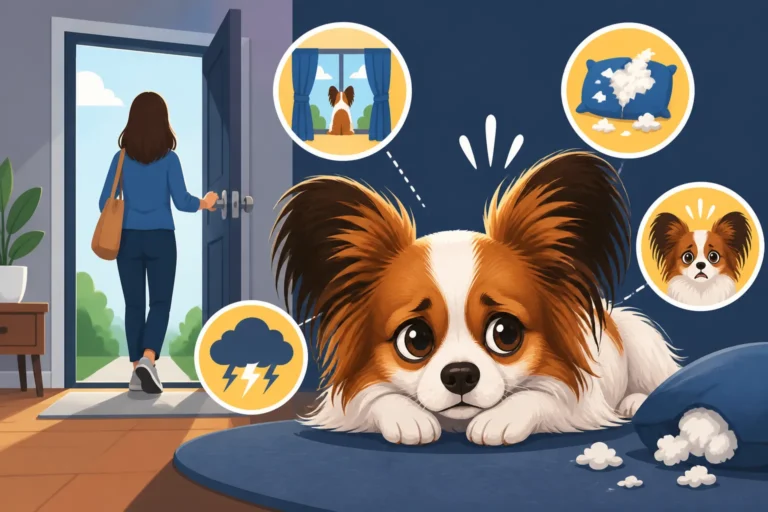
If you work from home or have a flexible schedule, your Papillon might enjoy snoozing nearby while you're occupied. However, for those who leave for work, midday often means alone time for their Papillon. These intelligent dogs generally cope well with being left alone for reasonable periods, especially if they've had a stimulating morning. The key is to ensure they have appropriate enrichment to prevent boredom and anxiety. A deep dive into this topic can be found in How Long a Papillon Copes Alone.
Leaving a KONG stuffed with peanut butter or a long-lasting chew can provide a positive distraction and mental engagement while you're out. These items give them a job to do and help channel their energy constructively. Creating a designated "safe space" for them—whether it's a crate, a gated off area, or a dog-proofed room—can also contribute to their sense of security. It’s about providing comfort, mental stimulation, and a predictable routine that minimizes stress and helps them feel secure even when you’re not physically present.
Afternoon Re-Engagement and Family Time
As the afternoon rolls in, especially as family members start returning home, a Papillon's energy levels often experience a resurgence. This part of the day is often characterized by joyous reunions, more interactive play, and plenty of quality bonding time.
Greetings and Afternoon Activities
The sound of keys in the lock or a car pulling into the driveway is often the cue for a Papillon to spring to life, leaving their peaceful nap behind. Their greetings are typically enthusiastic, involving much tail-wagging, happy dancing, and perhaps a delighted little bark or two. This joyous reunion is a highlight of their day, reaffirming their bond with their human family. After the initial excitement, they're usually ready for another round of engagement, eager to pick up where the morning left off.
This afternoon period is perfect for revisiting some favorite activities or introducing new ones. It might be a quick game of fetch in the yard, a lively session with a flirt pole, or even just some playful roughhousing on the living room floor. The renewed energy is palpable, and they thrive on this interactive playtime, relishing the attention and shared fun. It's a clear signal that they've recharged and are ready to participate fully in the household's afternoon rhythm.
Structured Play and Interaction
This segment of the day is often dedicated to more structured, interactive play that strengthens the bond between owner and Papillon. This isn't just about undirected frolicking; it often involves games that require participation and communication. Fetch is a classic, but many Papillons also enjoy games of tug-of-war (with appropriate rules to ensure good manners) or even hide-and-seek, where they use their keen sense of smell to find you. These games aren't just for fun; they're vital for their mental and physical health, providing both exercise and an outlet for their intelligence.
You might also incorporate short, fun training refreshers during this time. Practicing "sit," "stay," or "come" in a playful context keeps their skills sharp and reinforces their understanding that training can be a positive, rewarding experience. For those interested in more advanced training or foundational puppy skills, online programs like those offered by BAXTER & Bella can provide structured lessons that fit perfectly into these afternoon engagement slots. These sessions are excellent opportunities to keep their minds active and to continually build on their impressive learning capabilities.
Grooming and Affection
Afternoon can also be a wonderful time for a dedicated session of grooming and affection. A Papillon's beautiful coat, with its signature ear fringes, requires regular attention. Even though their single coat means less matting than some long-haired breeds, a daily or every-other-day brush-through is essential to keep them looking their best and prevent tangles, particularly around their ears, chest, and culottes. For more on this, you can check out Why a Papillon's Long Coat Takes Twenty Minutes a Week. This isn't just about aesthetics; it's also a bonding experience.
A gentle brushing session, perhaps followed by a massage or a long cuddle on the sofa, deepens the connection between you and your Papillon. They often relish this close physical contact, purring like cats as you stroke their soft fur. This dedicated affection time provides immense comfort and security, satisfying their need for companionship and touch. It’s a quiet, loving interlude that balances out their more active periods, reminding them of their cherished place within the family.
Evening Rituals and Settling In
As the day draws to a close, a Papillon's routine transitions towards winding down, much like a human's. The evening hours are typically filled with a final meal, last outdoor excursions, and a peaceful settling into their chosen sleeping arrangements.
Dinner Time and Evening Potty
Consistency remains key in the evening, with dinner typically served at a regular time. Just like breakfast, this predictability helps regulate their digestive system and provides a comforting structure to their day. A Papillon might approach dinner with the same enthusiasm as breakfast, or they might be a bit more relaxed, depending on their activity levels throughout the day. Ensuring they have a quiet, undisturbed place to eat helps them enjoy their meal fully.
Following dinner, the last essential outdoor trip of the day is crucial. This final potty break before dark ensures they are comfortable overnight and helps maintain their house-training habits. It's also a final opportunity for them to sniff around, perhaps catch the last interesting scents of the day, and mark their territory before settling in for the night. This ritualistic closing of the day provides a sense of completeness and prepares them for a restful night.
Quiet Entertainment and Relaxation
After dinner and their final potty break, the evening hours with a Papillon usually involve a significant shift towards quiet entertainment and deep relaxation. This is prime time for settling down with their human companions. Many Papillons love to curl up on a lap, on a soft blanket next to you on the couch, or at your feet while you watch TV, read, or work on a hobby. They are excellent at being present and enjoying the calm companionship.
They might engage in some gentle chewing on a dental stick or a favorite bone, satisfying a natural canine instinct in a low-key manner. This helps promote dental health while providing a soothing activity. For a deeper dive into their dental needs, consider reading The Teeth in a Papillon's Small Jaw. It's a time for quiet contentment, basking in the warmth and security of their family's presence. These moments of shared peace are invaluable for strengthening the bond and reminding everyone of the simple joys of companion animal ownership.
Preparing for Bed
As bedtime approaches, the wind-down routine becomes even more pronounced. This typically involves a few final cuddles, perhaps a gentle petting session, and then a gradual migration towards their designated sleeping spot. Papillons are known for seeking out comfort and security, so their bed might be a plush dog bed, a cozy crate, or for many, a favored spot on your own bed. The subject of where they prefer to sleep is explored further in Where a Papillon Chooses to Sleep.
Regardless of the location, the act of settling into bed is often accompanied by soft sighs, a few circles to get just the right curl, and then a quiet stillness. Their little bodies relax, their breathing deepens, and they drift off to sleep, ready to recharge for another day of adventure, companionship, and boundless Papillon charm. Ensuring they have a comfortable, warm, and safe place to sleep is paramount for their physical and emotional well-being, allowing them to truly rest and recover from all the day’s activities.
Factors Influencing a Papillon's Day
While we've outlined a "typical" Papillon day, it's important to remember that every dog is an individual. Several key factors can significantly influence how a Papillon spends their hours, shaping their daily rhythm and activities.
Age and Health
Perhaps the most significant factor affecting a Papillon's daily life is their age. A Papillon puppy's day, for example, is a whirlwind of short bursts of intense play, exploration, and learning, interspersed with frequent, deep naps. They have seemingly endless energy but also tire quickly, requiring more frequent potty breaks and feeding times. Their world is all about discovery and soaking up new experiences, which can be exhausting!
In contrast, an adolescent or adult Papillon typically has a more established routine, with longer periods of activity and rest. Their energy levels are more consistent, and they can engage in more strenuous or prolonged activities. As they enter their senior years, which for a Papillon often starts around 11 years old (a topic covered in The Age a Papillon Is Considered Senior), their day will naturally slow down. Walks might be shorter and less frequent, nap times longer, and intense play might be replaced by gentle games or simply enjoying human company. Health conditions, such as luxating patella or heart issues, can also dramatically alter their activity levels and comfort, necessitating adjustments to their daily schedule to ensure their well-being.
Owner's Lifestyle and Schedule
The daily rhythm of a Papillon is intricately woven into the lifestyle and schedule of their human companions. An owner who works a traditional 9-to-5 job will likely have a Papillon whose day involves a structured morning routine, a period of alone time (managed with enrichment), an excited reunion in the afternoon, and then evening activities. These dogs learn to adapt to a predictable pattern, often becoming excellent "nine-to-fivers" themselves, spending their solo hours napping and playing independently.
On the other hand, a Papillon living with a retired individual or someone who works from home might have a more dynamic and interactive day, with frequent short walks, impromptu play sessions, and constant companionship. Their day might be less rigidly structured, flowing more organically with their owner's presence. Owners who are active in dog sports, like agility, will also have a very different schedule, incorporating training sessions, practice runs, and travel to trials into their Papillon's week. Ultimately, a Papillon is highly adaptable and will generally adjust to the routine provided, as long as their fundamental needs for exercise, mental stimulation, and affection are met.
Personality and Individual Preferences
While Papillons as a breed share many common traits – intelligence, athleticism, and an affectionate nature – individual personalities can vary widely, directly impacting their daily activities. Some Papillons are true extroverts, always at the center of attention, eager to meet new people and dogs, and constantly seeking out interaction. Their day might be filled with more social outings, dog park visits (if appropriate), and demanding active play.
Others might be more introverted or discerning, preferring quieter companionship, independent play, or focused one-on-one training sessions. These Papillons might enjoy long, sniffing walks but prefer to observe other dogs from a distance rather than engage in boisterous play. Their days might feature more puzzle toys, cuddle sessions, and quiet exploration of their immediate environment. It's crucial for owners to observe and understand their individual Papillon's preferences. One might love a vigorous game of fetch, while another prefers to learn intricate tricks or spend an hour meticulously de-stuffing a soft toy. Tailoring the day's activities to these unique personality traits is key to ensuring a happy and fulfilled Papillon.
Enriching a Papillon's Daily Life
A Papillon's inherent intelligence and energetic spirit mean they thrive on a rich and varied daily life. Simply providing food and shelter isn't enough for these bright dogs; they need thoughtful enrichment to prevent boredom, promote good behavior, and foster their overall well-being.
The Importance of Variety
Imagine living the exact same day, every single day, for years on end. Sounds a bit dull, right? The same goes for our intelligent Papillon companions. While routine provides comfort and predictability, too much rigidity without variety can lead to boredom and even behavioral issues. Incorporating different types of activities throughout their week keeps their minds stimulated and their spirits high. One day might involve a long, sniff-heavy walk in a new park, another a dedicated trick training session, and a third a playdate with a trusted canine friend.
Variety also extends to their environment. Changing up their toys regularly, rotating them so they always have something "new" to explore, or even rearranging furniture to create novel pathways can pique their interest. Even subtle changes, like taking a different route on your usual walk, can provide a fresh sensory experience. This constant, gentle challenge to their expectations keeps them engaged and adaptable, preventing them from falling into a rut and encouraging them to always be curious about what's next.
Mental Stimulation Beyond Training
While formal training sessions are fantastic, mental stimulation for a Papillon goes far beyond "sit" and "stay." These highly intelligent dogs need activities that tap into their natural problem-solving abilities and instincts. Scent work, for example, is incredibly enriching. Hiding treats around the house or yard and encouraging your Papillon to "find it" engages their powerful noses and provides a satisfying mental workout. This type of activity, explored further in articles like What Mental Work a Papillon Needs, can be just as tiring as a physical run.
Interactive puzzle toys, readily available on platforms like Amazon, are another excellent way to provide mental challenges. Choose toys with varying levels of difficulty to keep them engaged as they learn. Snuffle mats, where treats are hidden within fabric strips, allow them to use their natural foraging instincts. You can even create simple DIY puzzles using cardboard boxes and paper. The goal is to give their clever brains a job, keeping them from getting bored and inventing their own, potentially less desirable, forms of entertainment.
Physical Activity Tailored to Their Needs
While Papillons possess surprising energy, their small size means their physical activity needs to be thoughtfully managed. They aren't built for hours of intense, high-impact running like some larger breeds. Instead, their physical exercise should be a blend of brisk walks, short bursts of fetch, and agility-style play that focuses on coordination and fun rather than extreme endurance. It's important to provide enough activity to keep them fit and prevent obesity, which can put strain on their delicate joints, especially their knees.
Consider their love for jumping and climbing – activities they excel at. Incorporate safe, low-impact agility equipment in your backyard, such as small jumps or tunnels. However, always be mindful of their patellas; overdoing high-impact activities, especially when young, can be detrimental. For instance, Whether Agility Wears Out a Papillon's Knees discusses the considerations for Papillons in dog sports. Remember, quality over quantity: a 30-minute engaging walk with lots of sniffing and varied terrain is often more beneficial than an hour of monotonous pavement pounding. Listen to your Papillon; they will usually let you know when they've had enough.
Table: A Sample Papillon Daily Schedule
This table offers a snapshot of how a Papillon's day might be structured, understanding that flexibility is key and individual needs vary.
| Time Slot | Activity Type | Specific Examples | Benefits |
|---|---|---|---|
| 6:30 – 7:30 AM | Morning Routine | Wake up, potty break, breakfast, enthusiastic greetings | Establishes routine, meets basic needs, strengthens bond |
| 7:30 – 8:30 AM | Active Engagement | Short play session (fetch), puzzle toy, quick training | Burns initial energy, mental stimulation, prevents boredom |
| 8:30 AM – 12 PM | Mid-Morning Activities | Daily walk/exploration, light training, supervised outdoor time | Physical exercise, sensory input, socialization, reinforces training |
| 12 PM – 3 PM | Midday Rest & Alone Time | Naps in crate/bed, chew toy, quiet independent play | Physical recovery, mental integration, teaches self-entertainment |
| 3 PM – 6 PM | Afternoon Engagement | Greetings, interactive play (tug/fetch), cuddle/grooming | Reinforces bond, physical activity, social interaction, coat care |
| 6 PM – 8 PM | Evening Routine | Dinner, final potty break, dental chew | Meets basic needs, promotes dental health, wind-down ritual |
| 8 PM – 10 PM | Relaxation & Bedtime | Lap time, quiet affection, settle into bed | Emotional security, deep bonding, prepares for restful sleep |
Disclaimer
This article is for general informational purposes only and does not constitute professional advice. Laws, prices and regulations vary by location and change over time. Consult a qualified professional for guidance on your specific situation.