How to Teach a Papillon a Quiet Cue
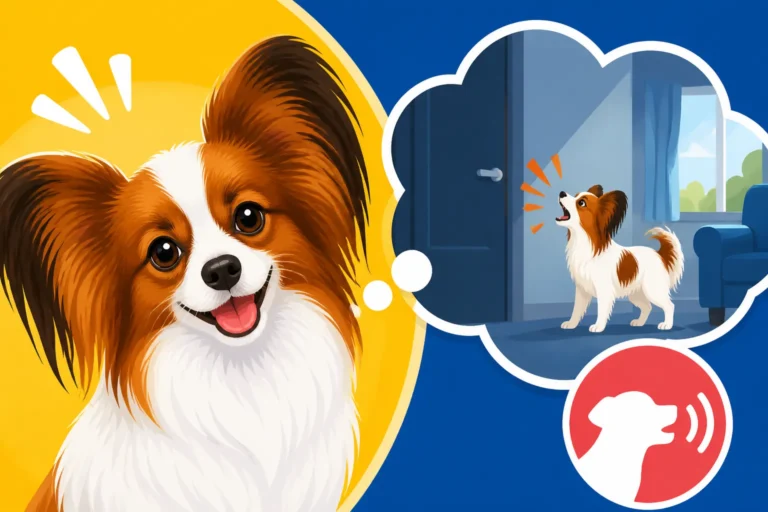
It can be incredibly frustrating when your tiny Papillon, with all its charm and elegance, turns into a tiny alarm system, barking at everything from the mail carrier to a leaf blowing past the window. This constant vocalization can strain relationships with neighbors and make it hard to enjoy the peace of your own home. This guide will walk you through a clear, empathetic approach to teach your Papillon a "quiet" cue, helping you regain control and foster a more serene environment for everyone.
Understanding Why Your Papillon Barks So Much
Papillons are known for their intelligence and vivacious personalities, but sometimes that enthusiasm manifests as persistent barking. It's not usually out of malice or disobedience, but often a deeply ingrained instinct or a learned behavior that needs gentle redirection. Getting to the root of why your Papillon barks is the first crucial step in effectively teaching them to be quiet.
The Root Causes of Papillon Vocalization
Many Papillons are incredibly alert and make fantastic little watchdogs. They're often the first to notice anything out of the ordinary, whether it's a stranger approaching, a car door slamming, or even the subtle shift in light as a cloud passes over. This alert barking, while endearing in small doses, can quickly become overwhelming. Their keen senses mean they pick up on sounds and movements long before we do, triggering their protective instincts. Think of it as their way of saying, "Hey, something's happening! You should know!"
Beyond alert barking, Papillons can also bark due to boredom, anxiety, or attention-seeking. A Papillon left alone for too long without enough mental or physical stimulation might bark to express their frustration or loneliness. What Mental Work a Papillon Needs is often overlooked for such a small breed, but their intelligent minds thrive on engagement. Separation anxiety can also manifest as barking, sometimes accompanied by destructive chewing or house-soiling. And let's be honest, sometimes they bark simply because they've learned that barking gets them what they want – whether it's a treat, a pat, or even just eye contact. This kind of barking is entirely preventable and trainable.
When Barking Becomes a Problem
While a little alert bark is perfectly normal, and even desirable, constant, incessant barking quickly crosses the line into problematic territory. If your Papillon barks for extended periods, even after the initial trigger is gone, or barks at nearly every minor disturbance, it's time to intervene. This isn't just annoying for you and your family; it can be stressful for your dog too. A dog that is constantly on high alert, barking at shadows, is likely experiencing a level of anxiety or overstimulation.
Consider your living situation. If you live in an apartment or have Whether a Papillon Suits Close Neighbors, excessive barking can lead to complaints and a strained relationship with those around you. It's important to differentiate between a dog expressing itself and a dog that has developed a barking habit that interferes with daily life. Addressing the issue early can prevent it from escalating into a deeply ingrained behavior that is much harder to modify later. Understanding How Much a Papillon Barks naturally can help set realistic expectations, but proactive training is always beneficial.
Laying the Groundwork for Effective Training
Before you even start teaching the "quiet" cue, it’s vital to ensure you have a solid foundation for training. This involves understanding how your Papillon learns, establishing clear communication, and having the right tools and mindset. Without these basic building blocks, any specific cue you try to teach will be much harder to implement and stick.
Building a Strong Communication Foundation
Papillons are incredibly intelligent, often ranking high among the smartest breeds. The Papillon Is the Smartest Toy Breed There Is, which means they respond very well to positive reinforcement and clear, consistent communication. Your Papillon needs to understand that you are the leader and that listening to your cues brings good things. This isn't about dominance in a harsh sense, but about being a reliable, fair, and trustworthy guide. Use clear, concise language and consistent hand signals. Every member of the household should use the same commands and signals to avoid confusion.
Positive reinforcement, such as treats, praise, and favorite toys, is key. Papillons often thrive on rewards, especially high-value treats that they don't get at any other time. This creates a positive association with training and motivates them to learn. Avoid harsh corrections or punishment, as these can make a sensitive Papillon fearful and less likely to engage in training. Why Harsh Correction Fails on a Papillon is particularly important to remember with this breed, as their delicate nature means they can easily become shut down or anxious.
Essential Tools and Mindset for Success
Having the right tools can make a significant difference. A clicker, for example, can be an incredibly effective tool for precisely marking the exact moment your Papillon performs the desired behavior. How a Clicker Lands With a Papillon often depends on individual preference, but many Papillons respond wonderfully to the clear, consistent sound. High-value treats are a must; small, soft, irresistible treats work best. You might find a wide variety of suitable treats on online retailers like Amazon, or you can even make small bits of cooked chicken or cheese.
Your mindset is equally important. Patience is paramount. Training takes time, consistency, and a good sense of humor. There will be days when your Papillon seems to have forgotten everything, and that's okay. Stay calm, keep sessions short and fun – generally no more than How Long a Papillon Will Work in a Session, typically 5-10 minutes – and always end on a positive note. Remember that you are building a relationship based on trust and mutual understanding, not just teaching a command. Embrace the journey and celebrate every small victory.
Step-by-Step: Teaching the "Quiet" Cue
Teaching "quiet" effectively often involves a two-step process: first teaching your Papillon to "speak" on command, and then using that control to introduce the "quiet" cue. This method helps your dog understand what you do want them to do (bark on cue) before you teach them what you don't want them to do (bark excessively).
Starting With the "Speak" Command
This might sound counter-intuitive, but teaching your Papillon to "speak" on command gives you control over their barking. Find a trigger that usually makes your Papillon bark – perhaps someone at the door, or a specific sound like a doorbell. As they start to bark, say "Speak!" in a clear, excited voice. When they bark, immediately reward them with a high-value treat and enthusiastic praise. Repeat this several times. The goal is for them to associate the word "Speak" with the act of barking and the reward that follows.
Once they start barking reliably on cue, even if it's just one or two barks, you've laid the foundation. Practice this in short, positive sessions. Don't push it too far, or they might become overstimulated. The idea is to have a controllable bark that you can then leverage to teach the quiet. This step reinforces that barking isn't inherently bad, but rather a behavior that you can direct and control. Which Rewards a Papillon Works For will be individual, but often small, tasty morsels are far more motivating than dry kibble for this kind of precise training.
Introducing the "Quiet" Command
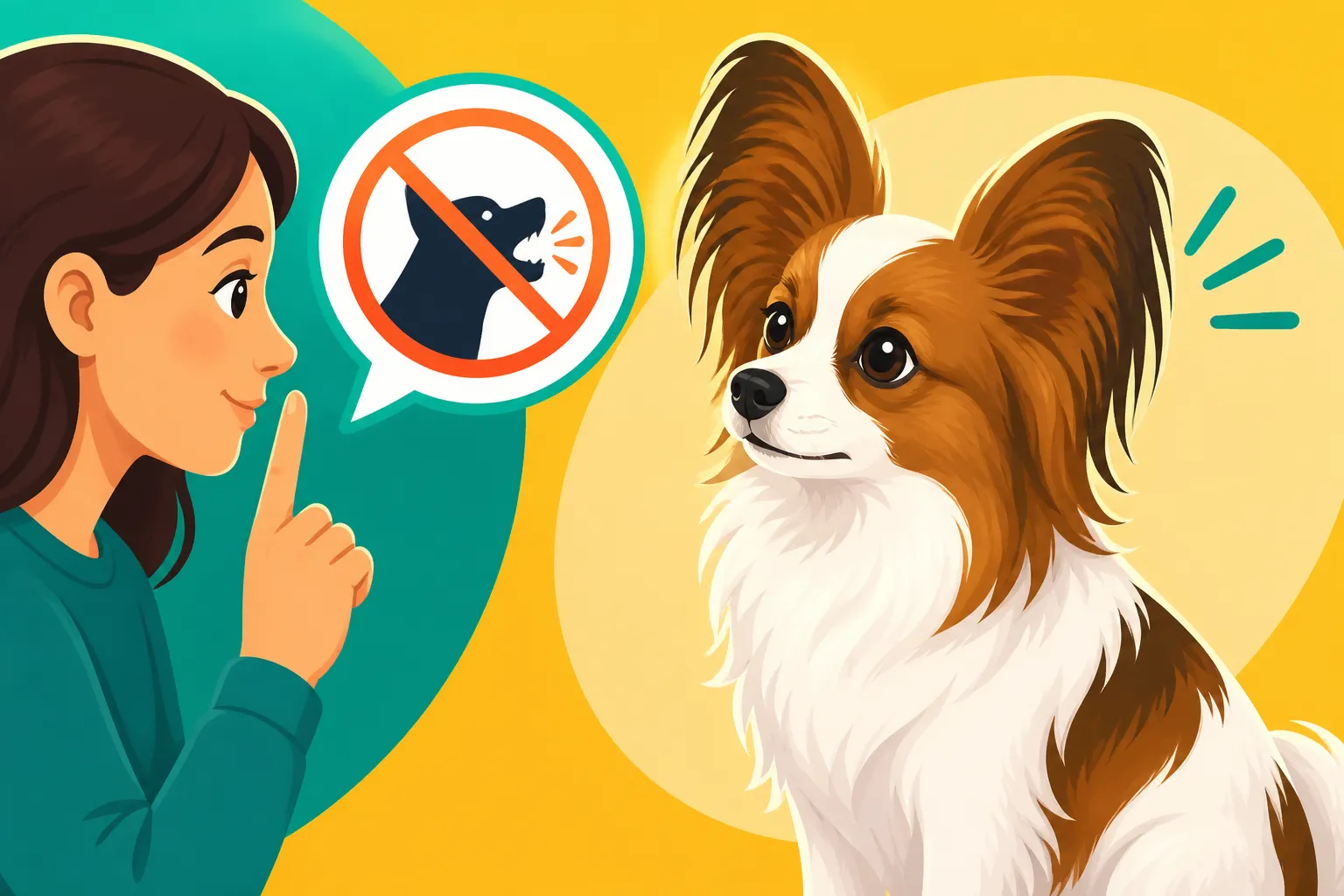
Now for the "quiet" cue. Once your Papillon is barking on command (or at a natural trigger), let them bark a few times. Then, hold a high-value treat right up to their nose. The moment they stop barking, even if it's just for a split second to sniff the treat, say "Quiet!" (or "Shush!", whatever word you choose) and immediately give them the treat. The key is to mark that exact moment of silence. Don't wait for them to be completely silent for a long time at first; even a brief pause is a win.
Gradually increase the duration of silence required before they get the treat. So, instead of a split second, wait for one second, then two, then three, before you say "Quiet!" and reward. If they start barking again, withdraw the treat and try again. Consistency is crucial here. Everyone in the household needs to use the same "Quiet" cue and the same reward system. This process teaches them that silence, after a bark, is what earns them the reward. You're effectively teaching them to turn off the barking.
Practicing in Different Scenarios
Once your Papillon reliably understands "Quiet" in a controlled environment, it's time to generalize the training to real-world scenarios. Start with low-level distractions. Perhaps have a family member walk past the window or stand just outside the door. When your Papillon barks, give the "Quiet" cue, and reward the silence. Slowly increase the level of distraction. If your Papillon barks at What a Papillon Barks At Outside, like other dogs or people passing by, practice the "Quiet" cue during these moments.
You might even want to use a more structured approach, perhaps looking into online puppy training resources like BAXTER & Bella, which often provide comprehensive programs that can help integrate these cues into broader obedience. Practice in short, frequent sessions throughout the day rather than long, drawn-out ones. Remember that a Papillon's focus is best maintained with quick, engaging bursts of training. The goal is for your Papillon to understand that "Quiet" means stop barking, no matter the situation.
Navigating Common Training Challenges
Even with the best intentions and methods, you're bound to encounter some bumps in the road when teaching your Papillon a "quiet" cue. It's a journey, not a sprint, and understanding common challenges can help you prepare and troubleshoot effectively.
Addressing Persistent Barking Habits
Some Papillons have deeply ingrained barking habits, especially if they've been allowed to bark unchecked for a long time. If your Papillon struggles to grasp the "quiet" cue, go back to basics. Make sure your "speak" command is rock-solid first. If they don't have control over when to bark, they certainly won't have control over when to stop. Sometimes, reducing the intensity of the trigger can help. Instead of the mail carrier right at the door, try having a family member stand further away, or use a less startling sound.
It's also important to assess if underlying issues are contributing to the barking. Is your Papillon getting enough exercise and mental stimulation? A bored dog is a barking dog. Are there anxiety triggers that need to be addressed separately? Sometimes, an "invisible fence" of quiet sound can help alert a dog to their barking, but positive reinforcement for silence is always the main goal. If you're consistently struggling, consider consulting a certified professional dog trainer. They can offer personalized advice and observe behaviors you might be missing.
Consistency and Patience Are Key
This is perhaps the most critical advice for any dog training, and especially for a barking issue. Every single person who interacts with your Papillon must use the "Quiet" cue consistently and reward silence. If one person allows the barking, or rewards it inadvertently, your Papillon will become confused, and progress will stall. It’s like trying to fill a bucket with a hole in it. You put in the effort, but it just leaks out.
Patience cannot be overstated. You are asking your Papillon to override a natural, often instinctual behavior. It won't happen overnight. There will be setbacks. Your Papillon might regress when they're excited, tired, or in a new environment. Don't get discouraged. Just calmly and consistently reinforce the "Quiet" cue. The more consistent you are, the faster your Papillon will learn, and the more peaceful your home will become. Celebrate the small successes, like a shorter barking session or a quicker response to the cue, and remember that How Sensitive a Papillon Is means they will respond better to calm, positive guidance than to frustration.
Beyond the Basics: Maintaining a Peaceful Home
Teaching the "quiet" cue is a significant step, but maintaining a peaceful home environment requires ongoing effort. It involves not only reinforcing the training but also managing their environment to reduce barking triggers and providing adequate enrichment.
Environmental Management for Barking Prevention
Prevention is often the best medicine when it comes to barking. Identify your Papillon's primary barking triggers and see if you can manage them. If they bark at everything outside the window, consider using frosted window film or keeping blinds closed during certain times of the day. If the doorbell sets them off, perhaps replace it with a wireless doorbell that you can control, or put a sign asking visitors to knock gently. For sounds that trigger barking, white noise machines or quiet classical music can help mask external noises, creating a calmer soundscape.
Think about how you've set up your home. Are there specific spots where your Papillon feels compelled to patrol and bark? Try to redirect their attention from these "watchdog" posts. Provide them with comfortable, cozy beds in quieter areas where they can relax without feeling the need to be constantly on guard. For outdoor barking, ensuring a secure fence is essential, not just for safety but also to manage visual triggers from neighbors or passing animals. What a Papillon Does All Day can give you clues as to what their daily routine is lacking if barking is due to boredom.
Continuing Education and Reinforcement
The "quiet" cue isn't a one-and-done lesson; it requires ongoing reinforcement throughout your Papillon's life. Regularly practice the cue in various situations, even when there isn't a barking issue. This keeps the command fresh in their mind. Continue to reward them generously for successful "quiet" responses, gradually fading the treats for praise and attention as they become more reliable.
Beyond the "quiet" cue, consider engaging your Papillon in other activities that provide mental and physical stimulation. Agility, trick training, or even simple puzzle toys can channel their intelligence and energy positively. What Mental Work a Papillon Needs is often more than just a daily walk; these dogs thrive on learning and problem-solving. A tired, mentally stimulated Papillon is generally a quieter Papillon. This holistic approach ensures that you're not just suppressing a behavior, but fulfilling your Papillon's needs, leading to a happier, well-adjusted companion and a more serene home for everyone.
| Barking Trigger | Training Strategy | Environmental Management | Key Takeaways |
|---|---|---|---|
| Doorbell/Knock | "Speak" on cue, then "Quiet" with treat. | Desensitize to sound, replace doorbell, put up sign. | Practice with varied intensity. |
| People/Dogs Outside | "Quiet" when they notice but before barking. | Frosted window film, closed blinds, white noise. | Reward for noticing quietly, then for quiet after bark. |
| Attention Seeking | Ignore barking, reward immediate silence. | Ensure needs are met: play, walk, training. | Never reward barking, even with negative attention. |
| Boredom/Anxiety | Increase mental stimulation and exercise. | Puzzle toys, interactive play, consistent routine. | Address the root cause, not just the symptom. |
| Alarm Barking (General) | "Speak" and "Quiet" practice with mock triggers. | Identify and minimize common triggers. | Consistency across all household members is vital. |
Disclaimer
This article is for general informational purposes only and does not constitute professional advice. Laws, prices and regulations vary by location and change over time. Consult a qualified professional for guidance on your specific situation.