Signs a Papillon Has Separation Anxiety
Coming home to find your usually pristine home in disarray, or worse, with an unexpected mess on the floor, can be incredibly disheartening. It’s even tougher when you know your sweet Papillon is behind it, and it immediately makes you wonder if they’re just being naughty or if something deeper is going on. Often, these frustrating behaviors are actually cries for help, clear signs that your beloved butterfly dog is struggling with separation anxiety. This guide will help you understand, identify, and address the specific indicators that your Papillon might be experiencing this common and distressing condition.
Understanding Papillon Separation Anxiety
For such a spirited and intelligent breed, Papillons can form incredibly strong bonds with their people. This deep connection, while wonderfully endearing, can sometimes lead to an intense distress when they are left alone. It's not about them being defiant or spiteful; it's a genuine panic response to perceived abandonment, and it's important to approach it with empathy rather than frustration.
What Separation Anxiety Truly Is
Separation anxiety in dogs isn't just a mild case of missing you; it's a profound psychological state of panic and fear when separated from their primary attachment figure, or sometimes any familiar human companion. Imagine being completely alone in a strange place, feeling utterly vulnerable and not knowing when, or if, your loved ones will return. That's a glimpse into the terror a dog with severe separation anxiety can experience. For a tiny Papillon, who often sees themselves as much bigger than they are and depends so heavily on human interaction, this feeling can be amplified. They thrive on companionship, and when that's suddenly removed, their world can feel like it's crumbling.
The distress isn't a conscious choice; it's an uncontrollable reaction. It's a genuine panic attack for your dog, manifesting in ways that are often destructive and messy, which can understandably be hard for owners to deal with. This isn't your Papillon getting revenge for being left alone; it's them trying desperately to cope with overwhelming fear and anxiety. They don't understand that you'll be back, and their world becomes a terrifying place without you.
Why Papillons Can Be Prone to It
Papillons, with their bright minds and even brighter personalities, are often described as "big dogs in little bodies." They are highly intelligent, deeply sensitive, and form intense attachments. This combination, while making them fantastic companions, can also make them more susceptible to developing separation anxiety. Their intelligence means they pick up on routines quickly, so any deviation, like you preparing to leave, can trigger their anxiety even before you walk out the door. Their sensitivity means they feel emotions deeply, and loneliness or fear can hit them harder than a more stoic breed.
Furthermore, Papillons were historically bred as companion animals for royalty and nobility, meant to be pampered and constantly by their human's side. This inherent desire for constant companionship is deeply ingrained in their DNA. Modern Papillons, even those not living in castles, still carry this genetic predisposition to seek out and thrive on human interaction. When they are deprived of this, even for a few hours, it can trigger their ancestral instincts to panic, feeling vulnerable and unprotected. Their small size, too, can sometimes contribute, as owners might carry them or keep them closer, inadvertently reinforcing their dependence. This constant proximity, while lovely, can sometimes make independent coping skills harder to develop.
Common Behavioral Signs
When a Papillon is grappling with separation anxiety, they often communicate their distress through a variety of observable behaviors. These aren't just isolated incidents; they tend to happen consistently when you leave them alone, and stop or significantly lessen when you're present. It's like a consistent pattern that screams "I'm not okay when you're gone!"
Destructive Chewing and Digging
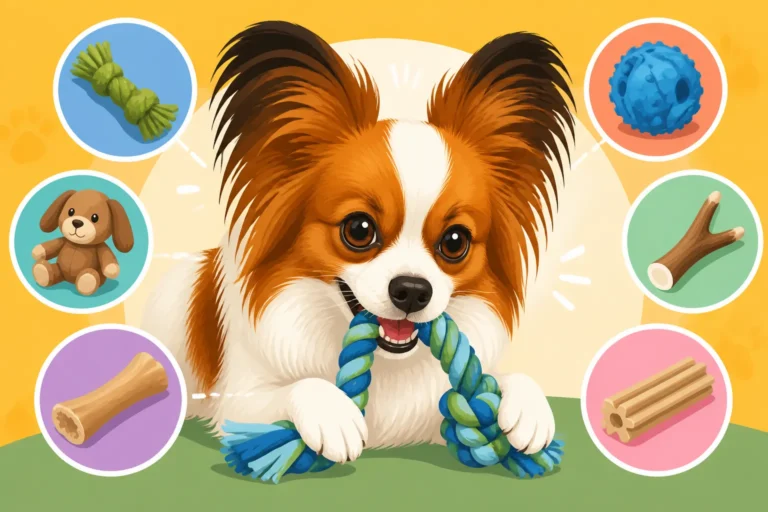
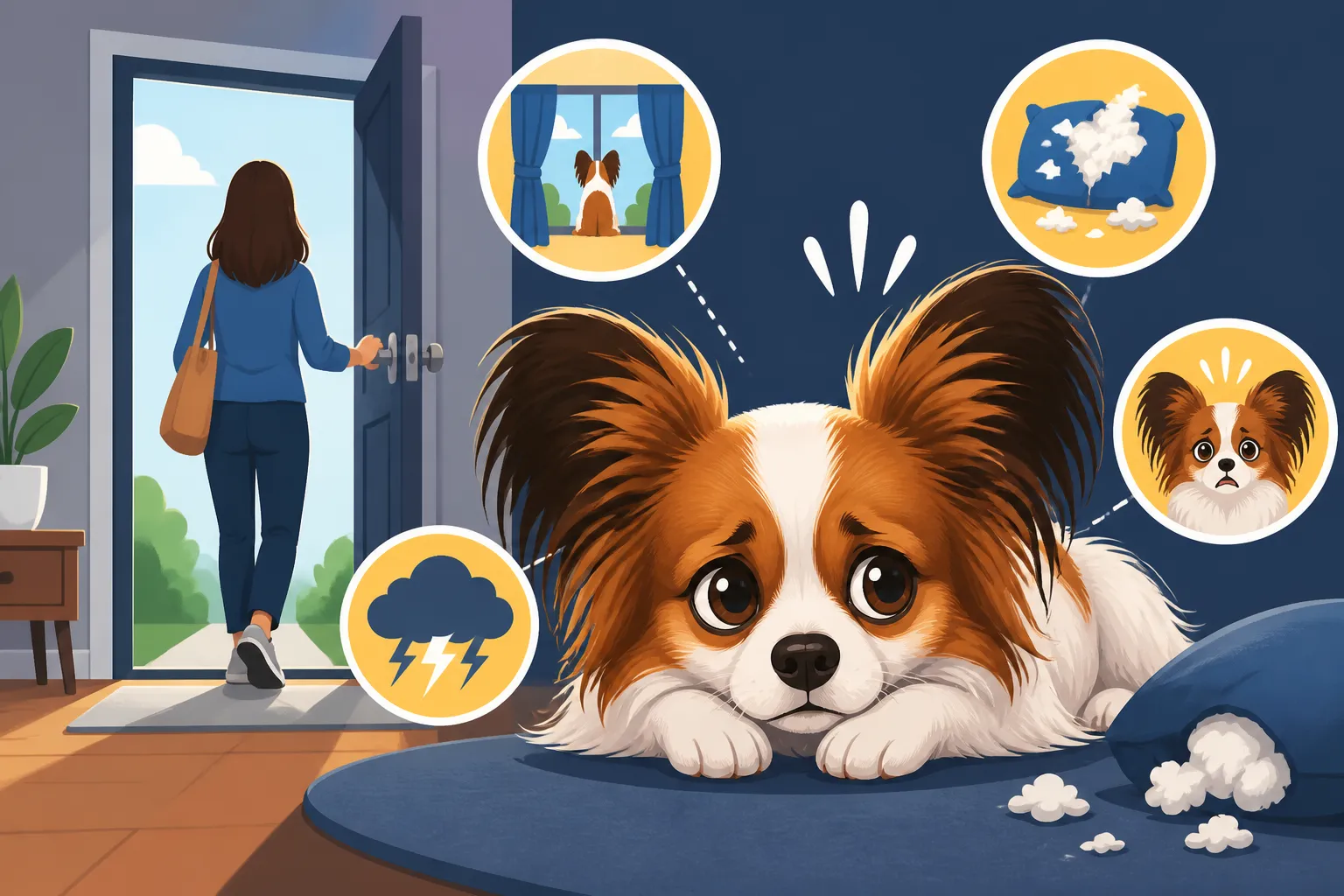
One of the most immediate and frustrating signs of separation anxiety is destructive chewing or digging. You come home to find cushions torn, furniture gnawed, or even holes dug in carpets or floorboards. For a Papillon, this isn't just bored chewing; it's an outlet for their extreme anxiety. The act of chewing can release endorphins, providing a temporary sense of relief from their panic. They might target items that smell strongly of you, like your shoes, clothes, or the couch you always sit on, trying to feel closer to you.
The damage caused by a Papillon, though small, can be surprisingly significant. A tiny mouth can still shred a throw pillow into a blizzard of stuffing or gnaw through a table leg. This isn't them trying to be bad; it's them trying to self-soothe in a moment of extreme distress. They might also attempt to "dig" at doorways or windows, trying to create an escape route or follow you. These behaviors are often performed with an almost frantic energy, indicating a desperate attempt to cope rather than simple mischief. If your Papillon consistently turns into a miniature wrecking ball when left alone, it's a strong indicator of underlying anxiety. What a Bored Papillon Destroys might touch on similar behaviors, but separation anxiety adds an intense, panic-driven layer.
Inappropriate Urination or Defecation
Another distressing sign of separation anxiety is when a perfectly house-trained Papillon suddenly starts having accidents indoors, specifically when left alone. This isn't defiance or a failure in their potty training; it's a physiological response to extreme stress. When a dog is highly anxious, their bodily functions can go haywire. They might lose control of their bladder or bowels as their body floods with stress hormones.
It's crucial to differentiate this from other causes. If your Papillon has accidents when you're home too, or if they haven't been properly house-trained in the first place, that's a different issue (and you might find some useful tips in How Long House Training a Papillon Takes). But if they reliably hold it when you're around, and only mess indoors when you've left, separation anxiety is a very strong suspect. These accidents often happen within minutes of your departure, and they're usually found in places associated with your exit, like near the front door, or in their crate if they're attempting to escape it. Coming home to this can be frustrating, but remember, your Papillon isn't doing it to spite you; they're genuinely overwhelmed.
Excessive Barking and Whining
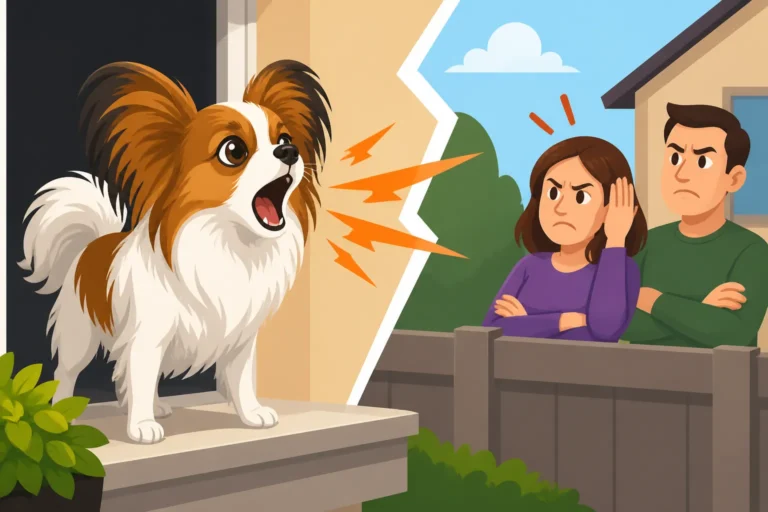
The most common complaint from neighbors of a dog with separation anxiety is incessant barking, howling, or whining. A Papillon might be small, but their bark can be surprisingly piercing and persistent, especially when driven by panic. This isn't just alert barking at a squirrel outside; it's a continuous, frantic vocalization that only stops when you return. They are essentially calling out for you, expressing their profound distress and loneliness.
Many Papillon owners find out about this particular symptom from concerned neighbors, or by setting up a camera to monitor their dog while they're out. The footage can be heartbreaking, showing a little dog pacing, staring at the door, and crying almost non-stop. This constant vocalization can be a huge source of stress for both the dog and anyone within earshot. It's a clear signal that your Papillon is not coping well with being alone. While Papillons can be prone to barking generally (check out How Much a Papillon Barks), anxiety-driven barking has a distinct, desperate quality to it, often sustained for long periods.
Pacing and Escaping
An anxious Papillon might exhibit restless pacing, often in a repetitive circuit around the house or a specific area, such as near the door you exited. This aimless movement is another way they try to cope with their inner turmoil and release pent-up nervous energy. They might follow the same path over and over, unable to settle, their body tense and alert for your return. This isn't just a brief walk around; it's sustained, agitated movement that often accompanies vocalization.
In severe cases, a Papillon might even try to escape their confined space or the home itself. This could involve trying to chew through a crate, scratching at doors, or attempting to squeeze through small openings. They are not just trying to get out for fun; they are trying to find you, driven by an instinctual need to reunite with their pack. This can lead to injury if they're successful in damaging their confinement or if they manage to get outside and become lost. These escape attempts are incredibly dangerous and further highlight the desperate state of mind your Papillon is in when alone.
Physical and Emotional Indicators
Beyond the obvious behavioral changes, a Papillon struggling with separation anxiety can also display more subtle physical and emotional signs. These often occur during your departure routine, or when you first return, giving you clues about their internal state.
Hyper-Attachment and Shadowing
Before you even leave, you might notice your Papillon becoming unusually clingy. They might "shadow" your every move, following you from room to room, even to the bathroom, unable to let you out of their sight. This hyper-attachment is a preemptive strike against the anxiety they anticipate. They are trying to ensure they don't get left behind. This behavior can be cute at first, but when it becomes obsessive, it's a warning sign. They might also become increasingly agitated as you go through your departure rituals – grabbing keys, putting on shoes, picking up your bag.
Once you return, their greeting might be overly enthusiastic, even frantic. While a happy greeting is normal, a dog with separation anxiety might jump excessively, whine, nip, or even urinate a little from sheer relief and overexcitement. It's like they're saying, "Oh my goodness, you're back! I thought you were gone forever!" This intensity can be overwhelming and indicates a deep level of relief that you're no longer separated. This kind of intense reaction upon your return is a hallmark of a dog who has been in distress during your absence.
Trembling, Drooling, and Panting
Physical manifestations of anxiety can be quite stark. When left alone, a Papillon with separation anxiety might tremble uncontrollably, even if the room temperature is comfortable. They might drool excessively, leaving puddles around their mouth or on the floor, far beyond what's normal for them. Heavy panting, even when not exerting themselves or feeling warm, is another common physiological response to stress. These are all signs of an activated sympathetic nervous system, essentially their "fight or flight" response kicking in because they feel unsafe and threatened by being alone.
These physical signs might not be visible to you unless you use a camera to observe them, or if they continue for a short period after you return. If you notice your Papillon is soaked in drool or panting heavily when you walk through the door, even if they've been gone for only a short while, it's a strong indicator that they've been in a state of high stress. Just like humans experience physical symptoms during a panic attack, dogs do too, and these are their body's ways of reacting to intense fear.
Differentiating from Other Issues
It's easy to mistake separation anxiety for other common dog behaviors or medical conditions. Before you jump to conclusions, it’s important to play detective and rule out other possibilities. A clear diagnosis is the first step towards effective help for your little friend.
Rule Out Medical Conditions
First and foremost, if your Papillon suddenly starts having accidents in the house, particularly urination, a trip to the vet is absolutely paramount. Urinary tract infections (UTIs), bladder stones, or even kidney issues can cause a dog to lose control of their bladder. Similarly, sudden changes in defecation could indicate gastrointestinal problems. Pain from conditions like Patellar Luxation Is the Papillon Problem You Will Actually Meet could also cause anxiety or reluctance to move to their designated potty area. A senior Papillon might also experience cognitive decline, leading to accidents or confusion when left alone.
Your vet can perform a thorough examination, including blood work and urinalysis, to rule out any underlying health issues. It's a critical step because no amount of behavior modification will help if the problem is rooted in physical discomfort or illness. This initial check-up provides a baseline and ensures you're not missing a treatable medical condition that's masquerading as a behavioral problem. It’s always best to be safe rather than sorry when it comes to your dog's health.
| Symptom | Potential Separation Anxiety | Potential Medical Issue | Potential Behavioral Issue (Non-SA) |
|---|---|---|---|
| Inappropriate Urination | Only when left alone | UTI, kidney disease, incontinence | Incomplete house training |
| Inappropriate Defecation | Only when left alone | IBS, parasites, dietary issues | Incomplete house training, attention seeking |
| Destructive Chewing | Frantic, targeting exits/owner's items | Dental pain, pica (eating non-food items) | Boredom, puppy chewing, lack of appropriate outlets |
| Excessive Barking | Constant, distressed, only when alone | Pain, hearing loss (seeking attention) | Alert barking, attention seeking, boredom |
| Pacing/Restlessness | Consistent when alone | Pain, neurological condition | Boredom, high energy breed needs exercise |
| Drooling/Panting | Excessive when alone, no heat | Nausea, heat stroke, pain, medication side effect | Excitement (briefly) |
Distinguish from Boredom or Puppy Behavior
It's really important to distinguish separation anxiety from simple boredom or typical puppy behaviors. A bored Papillon might chew on things, but it's often less frantic and might involve their own toys rather than your personal belongings or exit points. They might also be destructive when you're home but busy, suggesting they simply need more engagement. A puppy, especially a young one, will naturally chew on everything as they explore their world and teething. They also have smaller bladders and less bladder control, so accidents are more common (you might find insights into puppy challenges in The First Year With a Papillon Puppy).
A key difference is the emotional state. A bored dog might look sad or lethargic, or just get into mischief. A dog with separation anxiety, however, displays clear signs of panic and distress, such as trembling, frantic escape attempts, or sustained, distressed vocalizations. If your Papillon can settle down and amuse themselves for a while when you're in another room, but utterly loses it when you leave the house, that leans more towards separation anxiety. If they're just getting into trouble because they're not adequately exercised or mentally stimulated, that points more to boredom. Remember, Papillons are highly intelligent, so What a Papillon Does All Day needs to include plenty of mental stimulation to prevent boredom.
Consider Training Gaps
Sometimes, what looks like separation anxiety might just be a lack of appropriate training or socialization. A Papillon that hasn't learned to be comfortable in their crate or to self-soothe when not directly interacting with you might struggle when left alone. If they haven't been properly introduced to being alone gradually, or if they've had negative experiences in their crate, these issues can mimic separation anxiety. For instance, if you've never taught your Papillon a "settle" cue or provided them with engaging activities for solo time, they might just not know how to be calm by themselves.
It’s also possible that incomplete house training is the culprit behind accidents, rather than anxiety-induced panic. If your Papillon hasn't fully grasped where to eliminate, or if access to appropriate potty areas is restricted when you leave, accidents could happen for simpler reasons. Thinking about your Papillon's overall training foundation, and whether there are any gaps that might explain their behavior, is a valuable step. Getting started early with positive reinforcement training can make a huge difference, as discussed in When to Start Training a Papillon Puppy.
Management and Prevention Strategies
Addressing separation anxiety in a Papillon requires patience, consistency, and often a multi-faceted approach. It's not a quick fix, but with the right strategies, you can help your little companion feel more secure and comfortable when you're away.
Gradual Desensitization and Counter-Conditioning
The cornerstone of treating separation anxiety is gradual desensitization and counter-conditioning. This means slowly getting your Papillon used to your absence, starting with very short durations and associating your departure with positive things. Begin by practicing short departures that don't trigger anxiety. This could be as simple as walking to another room for a few seconds, then returning and rewarding calm behavior. Gradually increase the time you're out of sight, always staying below the threshold where your Papillon starts to panic.
The "counter-conditioning" part involves changing your Papillon's emotional response to your departure from fear to something more positive or neutral. For example, right before you leave, give them a special, high-value treat or a puzzle toy that takes a long time to finish, like a KONG stuffed with frozen peanut butter. This creates a positive association with your departure. Only offer this special item when you leave and take it away when you return, making it truly high-value. You can find many durable and engaging puzzle toys on platforms like Amazon that are perfect for keeping a Papillon's intelligent mind occupied during short absences.
Creating a Safe and Comfortable Space
Your Papillon needs a designated safe space where they feel secure when you're gone. For many dogs, this is a crate, but it must be introduced positively and never used for punishment. Ensure the crate is comfortable, with soft bedding, and large enough for them to stand, turn around, and lie down. You can drape a blanket over the crate to create a den-like feel, which many dogs find comforting. Some Papillons prefer a small room or a designated playpen rather than a crate, so observe what makes your dog feel most at ease.
This safe space should be a calm, positive environment. Place their favorite bed, a cozy blanket, and some safe chew toys inside. Avoid making a big fuss when you leave or return; instead, keep hellos and goodbyes low-key to reduce the emotional intensity around your departures. The goal is for them to associate this space with security and relaxation, rather than isolation and fear. Ensuring they have a place where they feel genuinely safe and where the environment is predictable can significantly reduce their overall anxiety.
Exercise and Mental Stimulation
A tired Papillon is a less anxious Papillon. Ensuring your dog gets adequate physical exercise and mental stimulation before you leave them alone can make a huge difference. A good brisk walk, a spirited game of fetch, or even a session of trick training can help burn off excess energy and stimulate their intelligent minds. Papillons are surprisingly active for their size, and a walk around the block might not be enough. They love to run and play, and they excel in dog sports. What a Papillon Needs Every Day highlights the importance of this balanced stimulation.
Mental stimulation is just as crucial. Papillons are among the smartest dog breeds, so leaving them without anything to engage their brains can quickly lead to boredom, which can then escalate to anxiety. Think about interactive puzzle feeders or snuffle mats that make them "work" for their food. Training sessions, even short ones, before you leave can also be mentally tiring. A mentally fulfilled dog is generally more content and better equipped to cope with alone time. Toys that dispense treats slowly can be particularly helpful for a clever Papillon.
Professional Help and Resources
For severe cases of separation anxiety, professional help is invaluable. A certified professional dog trainer or a veterinary behaviorist can help you create a tailored plan. They can observe your Papillon's specific triggers and behaviors, offering expert guidance and hands-on support. Sometimes, medication might be considered in conjunction with behavior modification, especially for dogs experiencing extreme panic, to help them get into a state where they can actually learn and respond to training.
There are also excellent online resources and programs designed to help owners tackle separation anxiety. For instance, the BAXTER & Bella online puppy school and training program offers comprehensive modules that can guide you through positive reinforcement techniques for various behaviors, including building confidence for alone time. While they focus on puppies, many of their foundational principles apply to older dogs dealing with anxiety. A professional can help you decipher your Papillon's specific distress signals and help you implement a plan that’s effective and humane. Seeking help is a sign of a responsible owner, not a failure.
Minimizing Departure Cues
Dogs are incredibly observant and quickly learn to associate your pre-departure routine with your impending absence. The jingle of keys, putting on your coat, or picking up your bag can become potent anxiety triggers for your Papillon. To combat this, try to "desensitize" these cues. Practice doing these actions randomly throughout the day when you have no intention of leaving. Jingle your keys, put on your coat, walk to the door, then sit back down and read a book. The goal is to strip these actions of their predictive power, so they no longer signal an imminent panic attack for your dog.
You can also try to vary your departure routine as much as possible, or even blend some of the actions into your normal home routine. For example, leave your keys on the table, not in the usual spot. Pick up your bag five minutes before you put your shoes on. The less predictable your departure becomes, the harder it is for your Papillon to anticipate and dread it. This technique, combined with gradual departures, helps break the cycle of anxiety that starts even before you've walked out the door.
Conclusion
Living with a Papillon who suffers from separation anxiety is tough, both for you and for your precious companion. The frustration of coming home to messes or damaged belongings is real, but it pales in comparison to the intense fear your dog experiences when you're gone. By understanding the signs, ruling out other issues, and implementing consistent, compassionate strategies, you can help your Papillon build the confidence they need to be comfortable when left alone. Remember, patience is key, and celebrating small victories will keep you both motivated on this journey. Your dedication will help transform their panic into peace, allowing both of you to live happier, more relaxed lives together. How Long a Papillon Copes Alone provides more context on realistic expectations for alone time.
Disclaimer
This article is for general informational purposes only and does not constitute professional advice. Laws, prices and regulations vary by location and change over time. Consult a qualified professional for guidance on your specific situation.