Whether a Papillon Really Ranks Eighth Overall
It's easy to get caught up in the numbers game when you're thinking about adding a new furry family member, especially when you hear claims about a breed's "intelligence ranking." You might be wondering if your future Papillon truly lives up to its reputation as one of the smartest dogs out there, or if it's just a lot of hype. This guide is here to unravel that specific claim, diving deep into what canine intelligence truly means, and where the spirited, intelligent Papillon genuinely stands.
The Myth of a Single "Intelligence" Score in Dogs
When we talk about dog intelligence, it's often a bit of an oversimplification, isn't it? We humans love to rank things, to put a neat little number on complex traits, but canine intelligence is so much richer and more varied than a single score could ever capture. It's not just about how quickly they learn "sit" or "stay."
Stanley Coren's Rankings and What They Mean (and Don't Mean)
Most of the time, when you hear a breed ranked as "eighth smartest" or "second smartest," people are referring to the work of Dr. Stanley Coren. His book, The Intelligence of Dogs, is widely cited, and it's where these numbers come from. Coren's research primarily focused on what he termed "working and obedience intelligence," which is essentially how quickly a dog learns new commands and how consistently it obeys them on the first try. He surveyed hundreds of obedience judges, gathering their observations on various breeds.
The Papillon, indeed, often ranks incredibly high in these lists – frequently within the top ten, often at number eight. This isn't just a coincidence; it reflects their inherent eagerness and capacity to grasp human directives. They are highly attuned to their handlers and thrive on interaction and learning. However, it's crucial to understand that Coren's scale doesn't measure every aspect of a dog's cognitive abilities. It’s a very specific metric, focused on command-following, which happens to be something Papillons excel at. It doesn't mean a dog ranked lower is "dumb"; it just means they might have different strengths or require different training approaches. For a deeper look into their overall cleverness, you might want to read The Papillon Is the Smartest Toy Breed There Is.
Beyond Obedience: Other Facets of Canine Intelligence
To truly appreciate a dog's intelligence, we need to look beyond just their ability to perform tricks or obey commands. Canine intelligence is a multi-layered cake, not a single ingredient. There's what's known as adaptive intelligence, which refers to a dog's ability to solve problems on their own, to figure out how to get what they want, or navigate new situations. Think of a dog who learns how to open a childproof gate or figures out where you hide the treats. That's adaptive intelligence at play.
Then there's instinctive intelligence, which is all about the innate behaviors a breed was developed for. A herding dog instinctively rounding up sheep, a retriever bringing back a thrown stick, or a Papillon alerting you to a strange noise at the door – these are all demonstrations of instinctive intelligence. It’s deeply embedded in their DNA and speaks to their original purpose. Papillons, for example, were historically companion dogs, and their keen observational skills and desire to be near their human are part of their instinctive intelligence, making them incredibly intuitive pets. There's also spatial intelligence, understanding their environment, and even emotional intelligence, sensing human moods and reacting accordingly. All these aspects paint a much fuller picture of a dog's brainpower.
Where the Papillon Truly Shines in the Intelligence Spectrum
So, while the "eighth smartest" claim is a useful shorthand, it barely scratches the surface of what makes a Papillon's mind so impressive. These little dogs are genuine brainiacs, and it shows in many aspects of their daily lives.
The Papillon's Working & Obedience Prowess
When it comes to learning and executing commands, the Papillon truly is a superstar. Their quick uptake is astonishing. You'll often find that they pick up new cues in just a few repetitions, making training a joy rather than a chore. This isn't just about their capacity to learn, but also their incredible willingness. They have an almost insatiable desire to engage with their human companions, and for many Papillons, performing tasks and learning new things is a deeply rewarding experience. They thrive on that mental connection and the positive reinforcement that comes with it.
This inherent aptitude makes them fantastic candidates for dog sports like obedience, rally, and especially agility, where quick thinking and responsiveness are paramount. They retain what they learn remarkably well, meaning that once a command or trick is solid, it tends to stick. This makes them incredibly reliable partners, whether you're working on basic manners or complex sequences in a competition ring. If you're curious about their learning speed, you might be interested in How Fast a Papillon Learns a New Cue. Their mental agility is often on par with, or even surpasses, many much larger breeds, which is a testament to their sharp minds and focused nature.
Adaptive Intelligence and Problem-Solving Skills
Beyond structured obedience, Papillons frequently display impressive adaptive intelligence. They're often the dogs who figure out how to get to that treat hidden just out of reach, or who learn the subtle cues that mean "walkies" or "dinner time." Many owners report their Papillons have a knack for observing human behavior and adapting their own actions accordingly. For instance, if you always use a certain tone of voice before going outside, a Papillon will quickly associate that tone with the upcoming event and get excited.
They can also be quite resourceful problem-solvers. I've heard stories of Papillons figuring out how to nudge open doors with their noses, or carefully unwrapping a treat from a towel. This isn't just luck; it's a demonstration of their ability to assess a situation and devise a solution. They are constantly observing their environment and the people within it, processing information, and using it to their advantage. This makes them incredibly engaging companions, but it also means you need to be consistent and clear with your own behaviors, because they're definitely watching and learning from you! Sometimes, it's almost like they learn by watching your every move. Check out Whether a Papillon Learns by Watching for more on this fascinating trait.
The Papillon's Trainability: A Deep Dive into Practical Application
Having a highly intelligent dog like a Papillon is a huge advantage when it comes to training, but it also means you need to be prepared to channel that brainpower effectively. Their smarts can be a double-edged sword: they learn good habits quickly, but they can also pick up undesirable ones with lightning speed if left unchecked.
Harnessing That Brain Power: Training Approaches
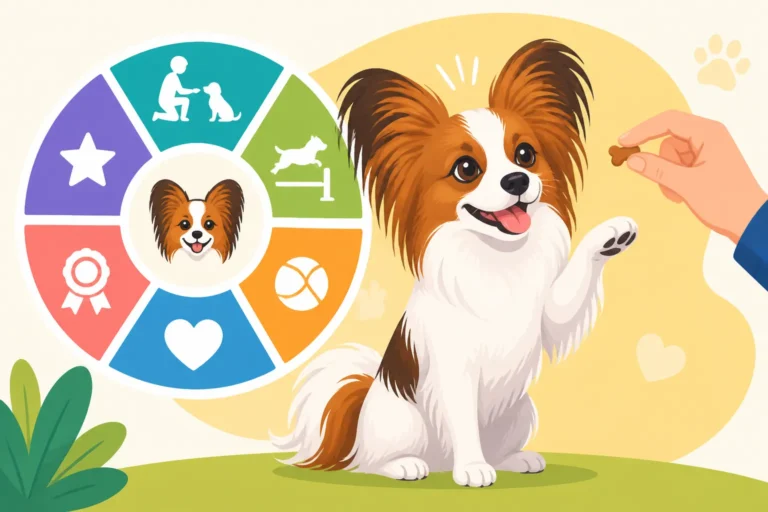
The key to successful training with a Papillon lies in positive reinforcement and keeping things fresh and fun. Because they are so eager to please and food-motivated, positive reinforcement methods—using treats, praise, and play—work exceptionally well. They respond beautifully to a clicker, which helps mark the exact moment they do something right, making learning incredibly efficient. Short, frequent training sessions are far more effective than long, drawn-out ones. Their attention spans, while impressive, can wane if a session becomes repetitive or boring. Aim for 5-10 minute bursts a few times a day to maximize engagement and retention. You'll find they pick things up quickly, but keeping it exciting prevents them from getting bored. For ideas on session length, see How Short a Papillon's Training Session Should Be.
Early socialization and puppy classes are non-negotiable for a Papillon. Exposing them to a variety of sights, sounds, people, and other well-behaved dogs from a young age helps build a confident, well-adjusted adult. These classes also provide a structured environment to start building those foundational obedience skills. Many online resources, like those offered by BAXTER & Bella, provide comprehensive puppy training programs that can be incredibly helpful for new Papillon owners, guiding them through crucial early development steps from the comfort of their home. Starting early is so important for a Papillon puppy; more on that can be found in When to Start Training a Papillon Puppy.
Common Training Challenges and How to Overcome Them
While their intelligence is a boon, it can also present unique challenges. One common "problem" many Papillon owners encounter is that their dogs are so smart, they can sometimes seem to "outsmart" their owners. They might quickly learn which commands you're most likely to enforce strictly and which ones you're a bit more lenient on. This can manifest as selective hearing, where they pretend not to hear a command they don't feel like doing. You can read more about this phenomenon in Whether a Papillon Outsmarts Its Owner. The solution here is consistency: always follow through on commands, and make sure everyone in the household is on the same page with rules and expectations.
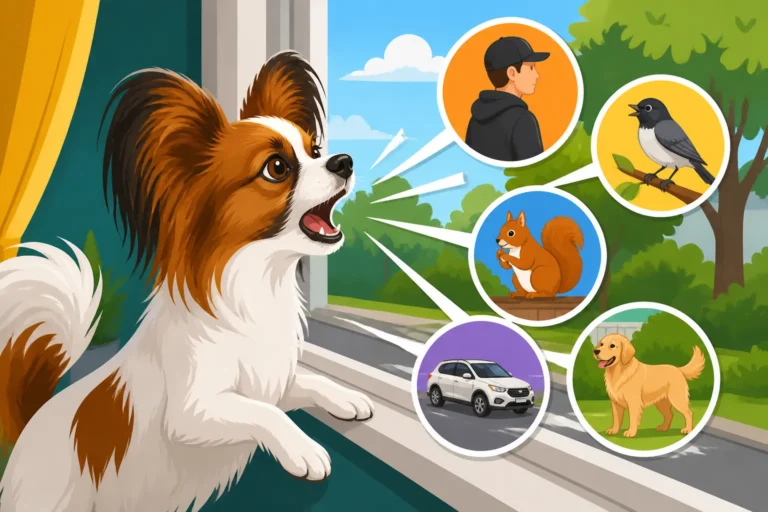
Housetraining, while eventually successful, can sometimes take a bit longer with Papillons due to their small bladders and sometimes a preference for indoors, especially if the weather is unpleasant. Consistency with potty breaks, positive reinforcement for going outside, and managing their access to the house are crucial. For a deeper dive into this, check out How Long House Training a Papillon Takes. Their natural alertness can also lead to barking, as they are excellent little watchdogs, keen to alert you to every new sound or person approaching. Teaching a "quiet" cue and rewarding calm behavior can help manage this, but understanding what triggers their barking is the first step. What a Papillon Barks At explains more about their vocal tendencies. Having the right tools, like comfortable harnesses or interactive puzzle toys from Amazon, can also make a huge difference in their training and daily management.
| Trait Measured | Coren's "Working/Obedience" Intelligence | Adaptive Intelligence | Instinctive Intelligence |
|---|---|---|---|
| Definition | Ability to learn and obey commands from humans. | Ability to solve problems independently; learn from experience. | Innate behaviors, breed-specific drives, and aptitudes. |
| Papillon's Performance | Exceptional (often top 10), quick learners, high retention. | Very High, resourceful, observes and adapts quickly to situations. | High, keen watchdog instincts, strong desire for companionship, gentle nature. |
| Training Implications | Responds well to positive reinforcement; needs variety to prevent boredom. | Benefits from puzzle toys, scent work, and varied mental challenges. | Channel natural instincts (e.g., using their alertness for 'alert' training, not just nuisance barking). |
| Examples | Learns "sit," "stay," "come" in few repetitions; excels in dog sports. | Figures out how to open a cupboard; understands subtle human cues. | Alerts to strangers, seeks out human laps, gentle with careful children. |
Living with a Highly Intelligent Papillon
Life with a Papillon is rarely dull, and their intelligence plays a huge role in that. They're not content to just be pretty faces; they need mental engagement and purpose. Understanding this is key to a happy, well-adjusted Papillon and a harmonious home.
Mental Enrichment: More Than Just Walks
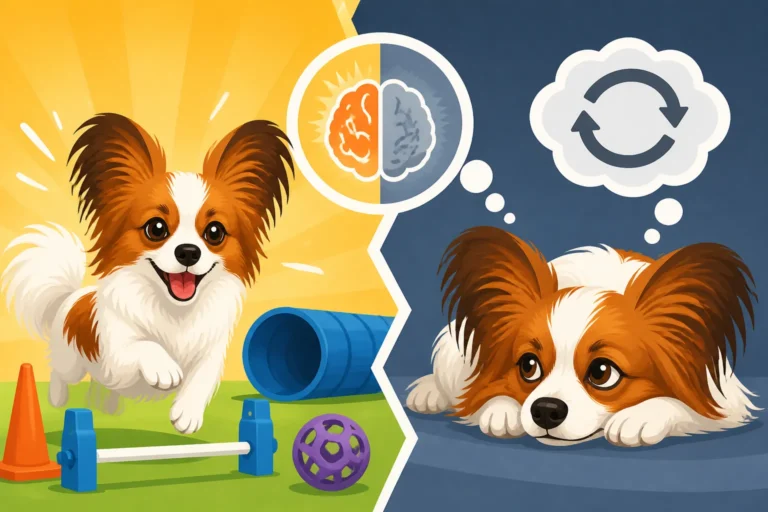
Because Papillons are so intelligent, they require a significant amount of mental stimulation in addition to physical exercise. A simple walk around the block, while important for their physical health, often isn't enough to satisfy their bright minds. If a Papillon gets bored, that intelligence can turn into mischief – like inventing their own games (which might involve chewing something they shouldn't!) or becoming excessively vocal. You need to keep their brains busy.
This means incorporating activities that challenge them mentally every single day. Interactive puzzle toys, where they have to figure out how to get a treat, are fantastic. Scent work, where they use their noses to find hidden treats or toys, can be incredibly engaging. Trick training, even if it's just for fun, is another excellent way to keep their minds sharp and build your bond. Agility, as mentioned before, is almost tailor-made for the Papillon, allowing them to use their speed, agility, and problem-solving skills in a structured and exciting way. Starting a Papillon in Agility is a fantastic journey for many owners. For more on keeping them engaged, check out What Mental Work a Papillon Needs. Even something as simple as teaching them the names of their toys can provide valuable mental exercise.
The Downsides of a Super Smart Dog
As wonderful as a highly intelligent dog is, there can be a few "downsides" if you're not prepared. That quick mind means they learn quickly, both good and bad habits. If you're inconsistent with your rules, they will pick up on the loopholes faster than you can say "no chew." A bored Papillon, remember, is a creative Papillon. If they're not given appropriate outlets for their mental energy, they can become destructive, inventing their own entertainment that might involve your furniture or shoes. This is a common issue when a Papillon gets bored and needs more engagement; you can see more about it in What a Bored Papillon Destroys.
Their sharp wits also mean they'll constantly test boundaries. They might try to negotiate for extra treats, or push the limits on how long they can ignore a command. This isn't defiance; it's just their intelligence at work, seeing what they can get away with! This means owners need to be equally smart and consistent, providing clear expectations and firm but gentle guidance. Living with a Papillon is a constant engagement, a dance of wits, and an incredibly rewarding experience for those who are ready to meet their intellectual needs.
Disclaimer
This article is for general informational purposes only and does not constitute professional advice. Laws, prices and regulations vary by location and change over time. Consult a qualified professional for guidance on your specific situation.