Whether a Papillon Learns Faster Than a Poodle
It’s a question many dog lovers ponder, especially when they're looking for a highly trainable companion: "Does a Papillon really learn faster than a Poodle?" This isn't just a casual curiosity; it speaks to the very heart of canine intelligence and how we perceive the learning capabilities of different breeds. The truth is, both Papillons and Poodles are renowned for their sharp minds, often topping lists of the most intelligent dogs. However, their learning styles and the way they demonstrate their intelligence can have fascinating nuances that are worth exploring.
Understanding Canine Intelligence and Learning
When we talk about a dog "learning faster," what do we truly mean? It’s more complex than just how quickly they can sit or stay. Canine intelligence encompasses a range of abilities, and understanding these different facets helps us appreciate the unique strengths of each breed.
What "Learning Faster" Really Means
Often, when people ask if a dog learns faster, they're thinking about how quickly it picks up new obedience cues. This is what many experts call "working and obedience intelligence" – the ability to understand and carry out human commands. But there's also "adaptive intelligence," which is a dog's ability to solve problems on its own, like figuring out how to open a gate or retrieve a toy from under the sofa. Then there's "instinctive intelligence," which refers to the tasks a dog was bred for, such as a retriever's innate desire to fetch or a herding dog's knack for gathering sheep.
A dog might be lightning-fast at learning new verbal cues, yet take longer to figure out a puzzle toy independently. Another might be a brilliant problem-solver but need a bit more motivation to perform a repetitive task. So, when comparing learning speeds, it's essential to consider what kind of learning we're talking about. For owners, the practical application often comes down to how quickly their new furry family member can grasp house rules, basic manners, and perhaps some fun tricks.
Factors Influencing Learning Speed
Beyond genetics, several factors heavily influence how quickly any individual dog, whether a Papillon or a Poodle, learns. First, there’s the training method. Positive reinforcement, with clear communication and rewarding desired behaviors, is almost always more effective than punitive approaches. It builds trust and makes learning enjoyable.
Motivation is another huge piece of the puzzle. What does your dog value most? Is it a tasty treat, a favorite squeaky toy, or enthusiastic praise? Understanding what makes your dog tick is key to accelerating their learning. A dog that is highly food-motivated will often learn a new trick faster if a delicious treat is involved.
Consistency from the owner is paramount. If everyone in the household uses the same cues and expectations, the dog will learn much faster than if commands are inconsistent or confusing. Imagine trying to learn a new language if different teachers kept using different words for the same thing!
Finally, the dog's individual personality and early experiences play a massive role. A confident, curious puppy exposed to varied environments and gentle handling from a young age will likely be more receptive to new learning than a shy, undersocialized one. Even within the same litter, puppies will have their own unique temperaments.
The Papillon's Sharp Mind
The Papillon might be small, but don't let its delicate appearance fool you. This breed consistently ranks among the most intelligent of all dog breeds, not just within the toy group. They possess a keen intellect that can surprise many first-time owners.
Papillon's Reputation for Intelligence
Papillons are famously smart, often appearing in the top 10 of canine intelligence rankings. The Papillon Is the Smartest Toy Breed There Is isn't just a catchy phrase; it's a widely accepted truth among those who know the breed. This isn't just about memorizing commands; Papillons demonstrate excellent adaptive intelligence, often figuring out complex scenarios with an almost uncanny intuition. Many owners describe them as having a "human-like" understanding of situations. They are fantastic problem-solvers, whether it's navigating an agility course or finding a way to get to that crumb you dropped under the table. Their history, though primarily as lap companions, speaks to a quick wit and an ability to be highly attentive to their human counterparts.
For instance, I once had a Papillon named Pip who learned to open the baby gate by watching me. It wasn't something I taught him; he just observed, processed, and applied. One minute the gate was closed, the next, he was sauntering into the kitchen with a triumphant glint in his eye. It was both frustrating and incredibly impressive!
How Papillons Excel in Training
Papillons are incredibly eager to please, which makes them highly biddable. They thrive on interaction and mental stimulation, soaking up new information like sponges. When you’re teaching a Papillon a new cue, it often feels like they’ve grasped the concept after just a few repetitions. How Fast a Papillon Learns a New Cue is truly astonishing. They respond very well to positive reinforcement and praise, often working diligently for a favorite treat or a game of fetch.
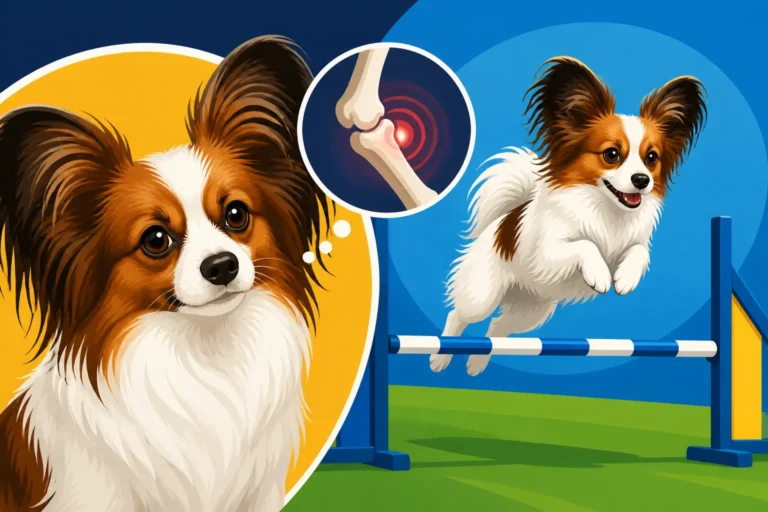
They excel in dog sports like agility, where complex sequences of obstacles require both physical prowess and mental agility. Their small size and athletic build allow them to navigate courses with incredible speed and precision. Which Other Sports a Papillon Can Do include rally obedience and even trick training, where their enthusiasm for learning and performing truly shines. Owners often find themselves teaching their Papillons an impressive number of tricks, sometimes because the dog seems to anticipate what’s next! My Pip, for example, could perform a dozen different tricks on cue, often combining them into little routines of his own invention.
The Poodle's Renowned Intellect
The Poodle, in all its sizes – Standard, Miniature, and Toy – holds a legendary status in the world of canine intelligence. For decades, they have been the benchmark against which other intelligent breeds are measured.
Poodle's Historical Role and Brainpower
Poodles originated as water retrievers in Germany, a job that demanded not just physical stamina but also significant intelligence. They had to be able to follow complex directions, remember locations of fallen birds, and work cooperatively with their handlers in challenging environments. This working heritage instilled in the breed a profound capacity for learning and problem-solving. This isn't just a modern perception; their intelligence is woven into their very history.
Where the Papillon Ranks for Obedience Intelligence often places it very high, but the Poodle frequently claims the top spot across many "smartest dog" lists, and for good reason. They are known for their analytical minds, often seeming to think through a problem before acting. This translates into an exceptional ability to grasp and retain commands, making them incredibly versatile working dogs and cherished companions.
Poodles and Complex Tasks
Poodles are not just quick learners; they are also masters of retaining and applying what they've learned, even in novel situations. They can easily handle intricate commands and multi-step tasks. Their ability to generalize learned behaviors means they can often apply a concept learned in one context to a new one, showing a true depth of understanding. This is why Poodles are often seen in advanced obedience, competitive rally, and even service dog roles.
They are fantastic at learning the names of objects and can differentiate between many toys. Teaching a Poodle to retrieve a specific toy by name or to perform a long, choreographed obedience routine is often well within their capabilities. They thrive on mental challenges and can become bored and even destructive if not given enough to occupy their minds. A Poodle's drive to engage its brain is intense, and they will seek out mental stimulation, whether that's with a clever puzzle toy from Amazon or by "helping" you with household chores.
Direct Comparison: Papillon vs. Poodle Learning Styles
So, how do these two incredibly smart breeds stack up when put head-to-head on the "learning faster" scale? It's less about one being definitively "better" and more about subtle differences in their approach and the qualities they bring to the training table.
Similarities in Learning Aptitude
Both Papillons and Poodles share a remarkable capacity for learning. They are both highly intelligent, eager to please, and generally possess excellent memories. You can teach both breeds an impressive number of tricks, and they'll likely retain them for years. How Many Tricks a Papillon Can Learn is truly limited only by the owner's creativity, and the same can be said for a Poodle.
They both thrive on positive reinforcement and mental stimulation. Owners of either breed will find that harsh corrections are counterproductive, leading to a shutdown rather than improved performance. Instead, gentle guidance, clear cues, and rewarding correct behaviors will yield the best results. They both love to work with their people and form strong bonds, which further enhances their trainability. Whether you're engaging in a structured training session or just teaching fun new skills, both breeds respond enthusiastically.
Nuances in Application and Motivation
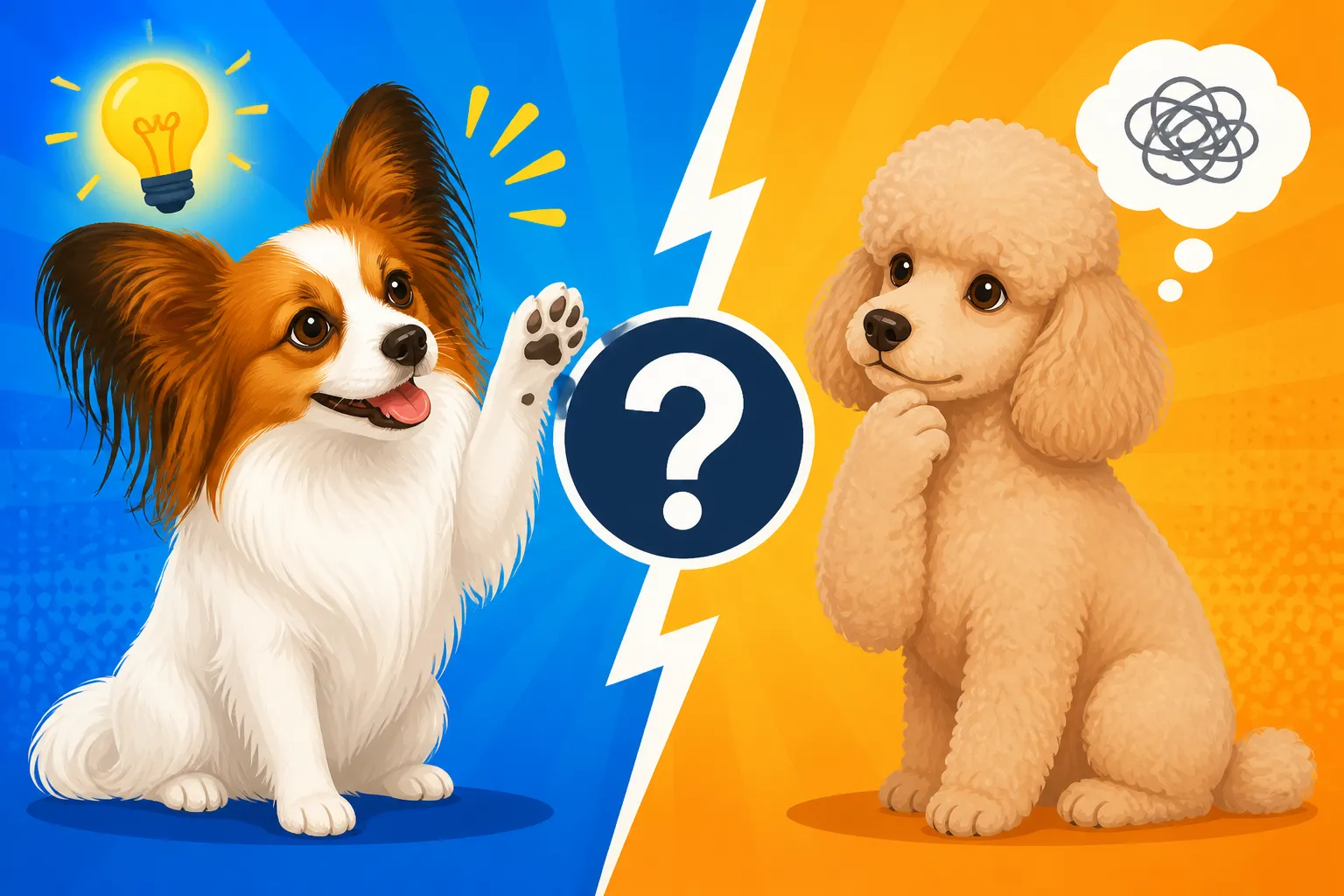
While both are brainy, there are subtle differences. A Papillon might, in some instances, appear to pick up a new trick slightly faster initially due to its sheer vivacity and quick, almost impulsive, enthusiasm. They're often "on it" immediately, keen to try anything you ask. This doesn't mean the Poodle is slow; rather, a Poodle might take a moment longer to process the request, but once they understand it, they often perform with a more deliberate precision and consistency.
Think of it like this: A Papillon might solve a simple maze by trying different paths with boundless energy until it finds the right one. A Poodle might pause, observe, and then choose the most efficient path with fewer errors. Both get to the end, but their methods can differ.
Motivation can also play a role. Many Papillons are incredibly toy-driven or praise-driven, willing to work for a quick game or an enthusiastic "Good dog!" Poodles are often highly food-motivated but also driven by the desire to work and please their owner. Understanding these nuances for your individual dog is crucial.
| Feature | Papillon | Poodle (all sizes) |
|---|---|---|
| Initial Learning Speed | Often very quick to grasp new concepts; eager to try. | Quick to grasp, but may take a moment to process. |
| Precision | Can be enthusiastic, sometimes sacrificing precision. | Tends towards deliberate, consistent execution. |
| Problem Solving | Excellent adaptive intelligence, often figuring things out by observation and trial-and-error. | Highly analytical, often "thinking through" problems with logical steps. |
| Motivation | High drive for interaction, toys, praise, and treats. | High drive for work, pleasing owner, and treats. |
| Retention | Excellent, long-term memory for cues and routines. | Exceptional, long-term memory for complex sequences. |
| Versatility | Excels in agility, tricks, rally, and companionship. | Excels in obedience, service work, agility, hunting. |
Practical Implications for Owners
Knowing that both breeds are incredibly intelligent means that owners have a responsibility to provide proper training and mental stimulation. This isn't just about showing off; it's about having a well-adjusted, happy dog.
Training Both Breeds Effectively
Whether you bring home a Papillon or a Poodle, the core principles of effective training remain the same. Consistency is king. Everyone in the household needs to be on the same page with commands and expectations. Short, frequent training sessions are far more effective than long, drawn-out ones. Both breeds can get bored with excessive repetition, so keep it fun and varied. How Short a Papillon's Training Session Should Be is a good guideline, often just 5-10 minutes a few times a day.
Positive reinforcement is your best friend. Use high-value treats, enthusiastic praise, and favorite toys to reward desired behaviors. Avoid punishment, as it can damage your dog's trust and shut down their willingness to learn. Many online training platforms, such as BAXTER & Bella, offer fantastic resources and courses designed to maximize a dog's learning potential using positive methods, which are perfect for smart breeds like Papillons and Poodles. Investing in a good foundational puppy class is also invaluable.
Remember, both breeds are incredibly sensitive to your mood and body language. If you’re frustrated, they’ll pick up on it. Keep training sessions upbeat and positive, and you'll see faster, more lasting results.
Managing Boredom and Mental Stimulation
An intelligent dog is a busy dog, and a bored intelligent dog can quickly become a mischievous or destructive dog. Both Papillons and Poodles require significant mental stimulation to prevent undesirable behaviors like excessive barking, chewing, or digging. What a Bored Papillon Destroys can be a surprisingly long list for such a small dog!
Incorporate puzzle toys into their daily routine. These can be simple treat-dispensing toys or more complex brain games available from retailers like Amazon. Rotate their toys to keep things fresh and exciting. Teach them new tricks regularly – not just basic obedience, but fun, engaging behaviors. Consider canine sports like agility, rally, or scent work; these are excellent outlets for their intelligent minds and energetic bodies. Even simple games like "find the treat" or teaching them to pick up their toys can provide valuable mental exercise.
Daily walks are important for physical exercise, but don't underestimate the power of sniff walks, where your dog gets to explore and process new scents. This is incredibly enriching mentally. What Mental Work a Papillon Needs often includes a combination of structured training, interactive play, and engaging problem-solving tasks. By consistently challenging their minds, you’ll foster a happier, more well-behaved companion, regardless of whether they're a Papillon or a Poodle.
Ultimately, while Poodles have long held the crown for canine intelligence, the Papillon is hot on their heels, often demonstrating an equally impressive, if sometimes differently expressed, capacity for learning. Both breeds are incredibly bright and capable of learning at a remarkable pace, making them wonderful companions for dedicated owners who are willing to engage their minds. The real question isn't which one learns "faster," but rather which one is the right fit for your lifestyle and training preferences.
Disclaimer
This article is for general informational purposes only and does not constitute professional advice. Laws, prices and regulations vary by location and change over time. Consult a qualified professional for guidance on your specific situation.