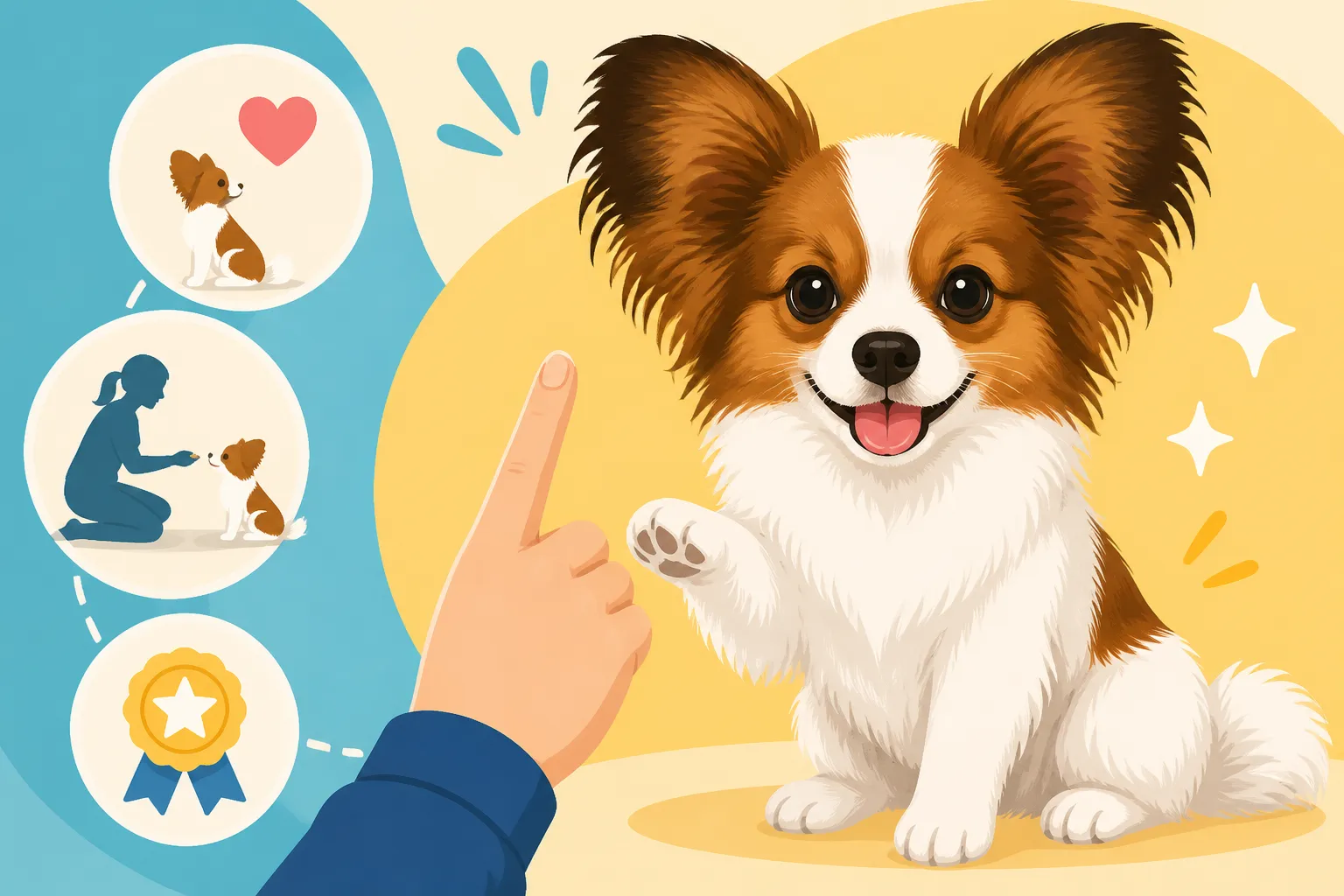
When to Start Training a Papillon Puppy
Bringing home a tiny Papillon puppy is an absolute joy, but it also comes with a lot of questions, especially about training. Many new owners feel overwhelmed, wondering if their little fluffball is too young to learn, or if they should wait until they're older and more settled. The truth is, the moment your Papillon puppy crosses your threshold, training has already begun, and understanding how and when to start can make all the difference in shaping a well-adjusted, happy companion. This guide will walk you through the essential steps and realistic expectations for training your Papillon from day one.
Why Early Training Is Crucial for Papillon Puppies
It's tempting to want to just cuddle and adore your new Papillon puppy, letting them get away with every adorable mischief. After all, they're so small, how much trouble can they really cause? But this mindset, while well-intentioned, can lead to bigger challenges down the road. Early training isn't about rigid obedience drills for a tiny pup; it's about setting the stage for a lifetime of good habits, clear communication, and a strong bond.
Building Foundational Trust and Communication
Think of early training as establishing the very language you and your Papillon will speak. From the moment they arrive, your puppy is trying to understand their new world and your expectations. If you wait too long to introduce basic rules and cues, they'll fill in the blanks themselves, often with behaviors you might not appreciate later on, like excessive barking or jumping. Gentle, consistent positive reinforcement during these early weeks teaches them that you are a reliable, trustworthy leader who will guide them safely. This foundation of trust is far more important than any specific command at this stage. It's about showing them that listening to you leads to good things, whether that's a tasty treat, a favorite toy, or a gentle pet.
When you start early, you're also building consistent communication patterns. For example, teaching a "sit" cue using positive reinforcement from a young age helps your Papillon understand that certain actions on their part (sitting) result in positive outcomes (a treat or praise from you). This isn't just about the command itself, but about teaching them how to learn and that engaging with you is rewarding. This early investment pays dividends, making future training much smoother. You're essentially teaching them the rules of engagement for their new home, making them feel secure in understanding what's expected.
Preventing Undesirable Behaviors
One of the biggest benefits of starting training early is proactive behavior management. Papillons are incredibly intelligent little dogs, and they pick up habits, both good and bad, very quickly. A small nip that's cute from an 8-week-old puppy can become a painful problem from a six-month-old adolescent. An adorable "yap" for attention can escalate into persistent barking that drives your neighbors crazy. By addressing these behaviors as soon as they emerge, or even before, you can steer your puppy towards more acceptable responses.
For instance, teaching bite inhibition when your puppy is still young and has needle-sharp puppy teeth is much easier than trying to correct hard biting from an adult dog. Similarly, early socialization helps prevent fear-based reactivity or aggression later on. It's much simpler to guide a young puppy through new experiences positively than to try and rehabilitate an adult dog with ingrained fears. This preventative approach saves you a lot of headaches and potential frustration down the line, ensuring your Papillon grows into a well-mannered companion rather than a tiny tyrant. It's a bit like fixing a small leak versus dealing with a burst pipe later – early intervention is always better.
What "Training" Looks Like for a Young Papillon
When we talk about "training" a young Papillon puppy, it's not about forcing them into complex routines or expecting perfection. It's a holistic process that includes socialization, basic manners, and setting up their environment for success. Patience, consistency, and positive reinforcement are your best tools. Remember, these little guys are still babies, and their attention spans are quite short.
Socialization: More Than Just Playtime
Socialization is arguably the most critical aspect of early puppy training, especially for a breed like the Papillon that can sometimes be prone to being a bit reserved or yappy if not exposed properly. It's not just about letting your puppy play with other dogs, though that's part of it. True socialization means exposing your Papillon to a wide variety of sights, sounds, people, animals, and environments in a positive and controlled way. Think about car rides to new places, the sound of the vacuum cleaner, children playing, people wearing hats, or even just walking on different surfaces like grass, concrete, or carpet.
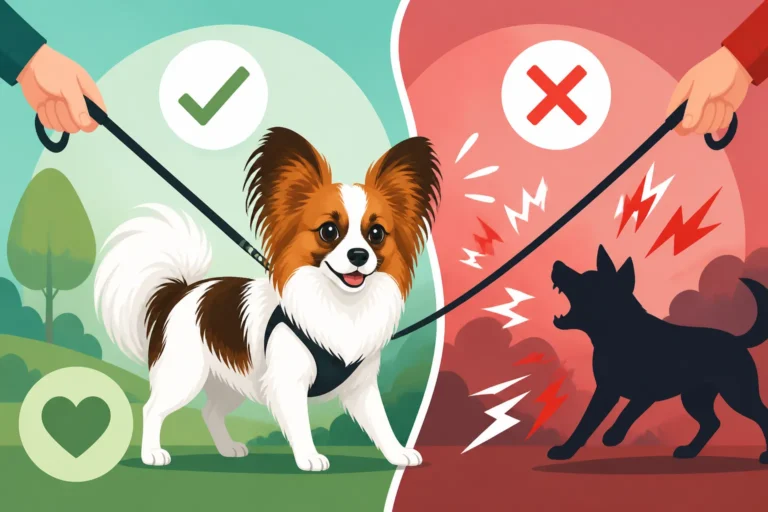
The critical window for socialization is typically between 3 and 16 weeks of age. During this time, puppies are most receptive to new experiences and form lasting impressions. Gently introduce new things, always making sure the experience is positive with treats and praise. A puppy class can be an excellent way to provide controlled exposure to other vaccinated puppies and different people in a safe environment. You want your Papillon to see the world as an interesting, non-threatening place, not something to be feared or barked at. Without proper socialization, you might find your Papillon becoming fearful or reactive, which can be a significant challenge to overcome later. Think of it as building their confidence to navigate the world.
Gentle Introduction to Basic Cues
While socialization is paramount, you can also begin introducing some very basic obedience cues as early as 8 weeks. Keep sessions short – literally 2-5 minutes, several times a day – and make them fun! Papillons are incredibly smart and eager to please, especially for a treat or a favorite toy. Focus on building positive associations with words like "sit," "stay" (for very short durations), "come," and their name.
For instance, when your puppy naturally sits, mark the behavior with a verbal "yes!" and give a tiny treat. Soon, they'll associate the action with the reward. When calling them, use an excited voice, drop to their level, and reward them lavishly when they come. This lays the groundwork for a reliable recall later, which is crucial for their safety. Avoid harsh corrections; a Papillon is a sensitive soul and responds best to encouragement. If they're not getting it, simplify the task or take a break. The goal is to make learning a joyful game, not a chore. You'll be amazed at how quickly these little minds pick things up. How Fast a Papillon Learns a New Cue explores this further.
Crate Training for Security and Potty Success
Crate training is one of the most valuable tools you can implement for your Papillon puppy right from the start. Many people resist the idea, viewing a crate as a punishment, but for a dog, a properly introduced crate becomes a safe, secure den. It's a place where they can retreat for peace and quiet, and it's incredibly effective for How Long House Training a Papillon Takes. Dogs naturally don't want to soil their sleeping area, so a crate, when sized correctly, encourages them to hold their bladder and bowels.
Start by making the crate a positive place. Put soft bedding, a favorite toy, and offer treats inside. Feed meals in the crate. Never use the crate for punishment. Begin with short periods, gradually increasing the time. This helps your puppy learn to be comfortable being alone for short stretches, which can prevent separation anxiety down the line. A comfortable, secure crate also makes travel easier and provides a safe space when you can't supervise your puppy directly. For tips on overnight arrangements, you might find Crating a Papillon Overnight helpful. You can find excellent crates and comfortable bedding on platforms like Amazon, ensuring your pup has a cozy den.
Age-Appropriate Milestones and Expectations
It’s easy to look at other people's perfectly behaved dogs and feel like your Papillon puppy should be an instant prodigy. But every puppy is different, and understanding age-appropriate milestones and managing your expectations is key to a frustration-free training journey. Remember, they are developing creatures, and some things just take time.
The "Too Young" Myth: What a Puppy Can Learn
The idea that a puppy is "too young" to learn is a common misconception. While you wouldn't expect a tiny eight-week-old to perform a complex agility course, they are perfectly capable of absorbing a surprising amount of information and developing foundational skills. In fact, their brains are like sponges during these early weeks! They learn about their environment, how to interact with others, and how to communicate with you.
At 8-12 weeks, your Papillon puppy can begin:
- Name recognition: Call their name cheerfully and reward them when they look at you.
- Potty training basics: Establish a consistent schedule, take them out frequently, and reward success.
- Crate acceptance: Get them comfortable with their den.
- Bite inhibition: Teach them that human skin is fragile through gentle play.
- "Sit" and "come": Use positive reinforcement for these simple, yet vital, commands.
- Handling: Get them used to having their paws, ears, and mouth touched. This is crucial for future vet visits and grooming. Teaching a Papillon Puppy to Be Handled All Over offers more insights into this.
The key is consistency and repetition in very short bursts. Their attention span is fleeting, so a few minutes of focused training, multiple times a day, is far more effective than one long, drawn-out session.
Handling Puppy Nipping and Chewing
Puppy nipping and chewing are completely normal behaviors, but they can be quite painful with those tiny, sharp teeth! Papillons, like all puppies, explore the world with their mouths and use nipping as a form of communication with their littermates. It's your job to teach them appropriate bite inhibition. When your puppy nips too hard, yelp loudly (like a littermate would) and immediately withdraw your attention. End playtime, turn away, or even leave the room for a few seconds. This teaches them that hard biting makes the fun stop.
Provide plenty of appropriate chew toys. You can find a vast array of puppy-safe chew toys on Amazon. When your puppy tries to chew on something inappropriate, redirect them to a toy with a cheerful "No, chew this!" and praise them when they take the toy. Remember, chewing is a natural instinct, especially during teething, so denying them an outlet will only lead to frustration and more destruction. Consistency is key here; everyone in the household needs to use the same method.
Managing Potty Training Challenges
Potty training a Papillon can feel like an endless cycle of cleaning up accidents, especially given their small bladders. It’s a common frustration, but with consistency and a realistic approach, your pup will get there. Papillons, like many small breeds, can sometimes be a little slower to house train than larger dogs, partly because their tiny bladders mean they need to go very frequently.
Here’s the breakdown:
- Frequent trips: Take your puppy out every 1-2 hours, immediately after waking up, after eating or drinking, and before bed.
- Reward success: When they go outside, praise them lavishly and give a high-value treat immediately afterward. This positive reinforcement is crucial.
- Supervision is key: When inside, keep your puppy on a leash with you or in a secure, puppy-proof area. This prevents accidents from happening unnoticed.
- Clean accidents thoroughly: Use an enzymatic cleaner to eliminate odors that might attract your puppy back to the same spot.
- Don't punish accidents: Punishment only teaches your puppy to hide their accidents from you, making the problem worse. Focus on rewarding good behavior.
It takes time, often several months, for a Papillon to be reliably house trained. Be patient, stick to your routine, and celebrate every victory, no matter how small. For more on this, you can look into How Long House Training a Papillon Takes.
Tools and Resources to Support Your Papillon's Early Learning Journey
Embarking on the training journey with your Papillon puppy doesn't mean you have to go it alone. There are fantastic tools and resources available to help you, from specific training methods to structured programs. Leveraging these can make the process smoother, more effective, and a lot more fun for both you and your tiny trainee.
Harnessing Positive Reinforcement
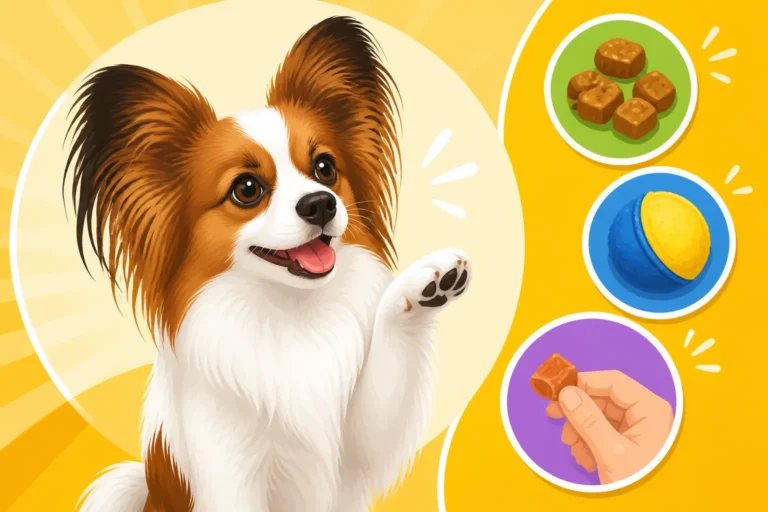
This isn't just a tool; it's a philosophy, and it's particularly effective for sensitive, intelligent breeds like the Papillon. Positive reinforcement means rewarding desirable behaviors immediately after they occur, making it more likely that your dog will repeat them. This can be with high-value treats (tiny pieces of cooked chicken or cheese work wonders!), verbal praise ("Good dog!"), or a favorite toy. The key is timing: the reward must happen within a few seconds of the behavior for your puppy to make the connection.
Avoid punishment-based methods. Papillons are quick to shut down or become fearful if they're handled harshly. Instead, focus on redirecting unwanted behaviors and generously rewarding what you do want them to do. For example, if your puppy jumps up, ignore the jump and reward them the moment all four paws are on the floor. This method builds confidence and strengthens your bond, turning training into a fun game rather than a battle of wills. It truly helps unlock The Papillon Is the Smartest Toy Breed There Is potential without fear.
Enrolling in Puppy Classes
One of the absolute best investments you can make for your Papillon puppy is enrolling them in a good puppy socialization and basic obedience class. These classes offer a safe, structured environment for your puppy to interact with other puppies and people, which is invaluable for their socialization. Beyond that, a qualified instructor can guide you through common puppy challenges, demonstrate correct training techniques, and provide personalized advice.
Look for classes that emphasize positive reinforcement and focus on life skills, not just rote commands. A good puppy class will cover everything from house training tips to bite inhibition, leash manners, and basic cues like sit, stay, and come. The social interaction alone is worth the price of admission, as it helps prevent future behavioral issues related to fear or aggression towards other dogs or strangers. Plus, it's a fantastic way to bond with your Papillon and build their confidence in new situations. What Puppy Class Costs for a Papillon might be a good read if you're weighing the options.
Leveraging Online Resources and Training Programs
In today's digital age, there's a wealth of online resources that can supplement in-person training or even provide a comprehensive guide if local classes aren't an option. Websites, YouTube channels, and dedicated online puppy training programs can offer step-by-step instructions, video demonstrations, and support forums.
For example, a program like BAXTER & Bella offers an online puppy school that provides a structured curriculum for new puppy owners, covering everything from initial setup to advanced obedience. These types of programs can be incredibly useful for those who prefer to learn at their own pace or need flexibility in their schedule. They often include modules on house training, chewing, nipping, crate training, and early obedience. Just be sure to choose reputable sources that advocate positive reinforcement methods. While online resources can't replace the direct feedback of an in-person class, they can be a fantastic way to learn new techniques, troubleshoot problems, and feel supported throughout your Papillon's early training journey. Remember to also check in with your vet for advice, especially concerning health-related training considerations like proper nutrition and The Vaccination Schedule a Papillon Puppy Needs.
| Training Area | When to Start | Key Focus for Papillons | Important Considerations |
|---|---|---|---|
| Socialization | 8-16 weeks | Positive exposure to diverse people, places, sounds, safe dogs | Quality over quantity; always positive and controlled; seek puppy play dates. |
| Potty Training | Day 1 | Frequent potty breaks, consistent schedule, high-value rewards | Tiny bladders mean frequent trips; manage expectations; do NOT punish accidents. |
| Crate Training | Day 1 | Making crate a safe, positive den space | Never use for punishment; gradual introduction; can prevent separation anxiety. |
| Basic Cues (Sit, Come, Name) | 8 weeks | Short, fun, positive reinforcement sessions for 2-5 mins | Build trust and communication; avoid harsh corrections; high-value treats work wonders. |
| Bite Inhibition | Day 1 | Teach gentle mouth use; redirect to appropriate chew toys | Yelping and disengaging works; provide many chew options (e.g., from Amazon); normal puppy behavior. |
| Handling | Day 1 | Regular touching of paws, ears, mouth, body | Crucial for vet/grooming; makes your Papillon more tolerant and comfortable. |
Disclaimer
This article is for general informational purposes only and does not constitute professional advice. Laws, prices and regulations vary by location and change over time. Consult a qualified professional for guidance on your specific situation.