How a Papillon Announces the Door
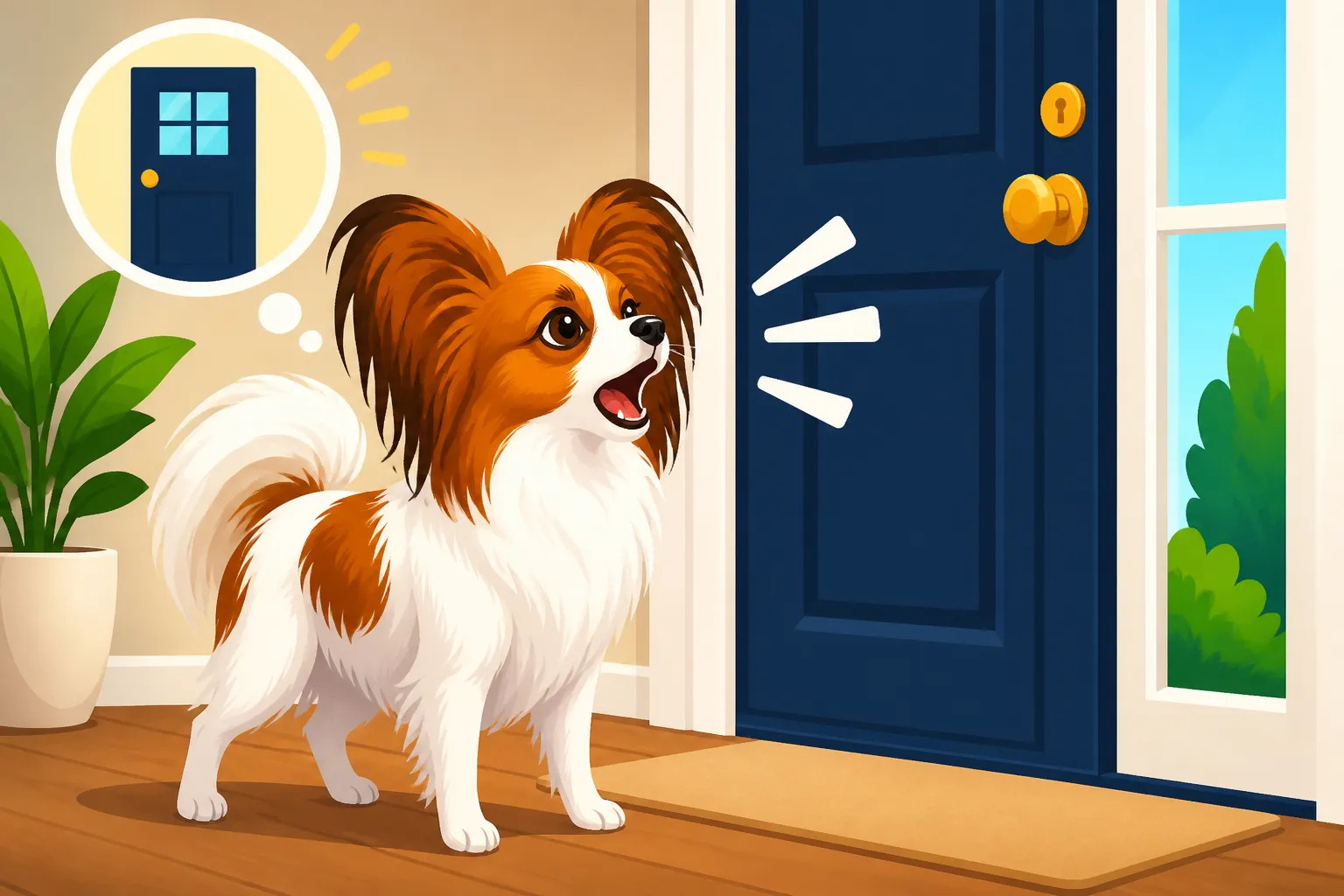
Oh, the infamous Papillon "door announcement"! It's a scenario so many of us know all too well: that sudden burst of barking, often escalating into a frenzy, the moment a delivery person steps onto the porch, a car door slams down the street, or a friend even thinks about knocking. It can be startling, sometimes embarrassing, and certainly frustrating when you just want a moment of peace. This guide is here to help you understand why your charming little Papillon feels the need to become a canine alarm system every time someone approaches, and more importantly, how you can work with their natural instincts to cultivate a calmer, more controlled response.
The Papillon's Natural Alert System: Why They Bark at the Door
Papillons are renowned for their intelligence and their vivacious personalities. What often gets overlooked, however, is their deeply ingrained nature as vigilant little watchdogs. They might be small in stature, but they possess the heart and spirit of a much larger protector, and the front door, or indeed any perceived perimeter of their home, is their fortress to defend.
Instinctive Watchdog Tendencies
You might think of Papillons as delicate lapdogs, but historically, even the smallest companion breeds served a purpose beyond just looking pretty. They were often the first to sense an approaching visitor or intruder, their sharp senses and vocalizations acting as an early warning system for their human families. This isn't just a quirk; it's a centuries-old instinct. Your Papillon isn't trying to be naughty when they bark at the door; they are often genuinely trying to alert you to what they perceive as an important event or a potential threat. They see themselves as the first line of defense, and in their mind, they're doing a fantastic job! It's their job to tell you, in no uncertain terms, that someone or something is there. This can be especially true if they haven't been adequately socialized to the comings and goings of the outside world.
High Sensitivity to Stimuli
One of the defining characteristics of a Papillon is their incredibly sharp senses. Their ears, those beautiful butterfly wings, aren't just for show; they are incredibly adept at picking up the faintest sounds. A car door slamming a block away, footsteps on the sidewalk, the rustle of a delivery truck—all these subtle cues register long before they even cross your radar. The same goes for their eyesight. Even a fleeting shadow or a movement in a distant window can trigger their alert system. This heightened sensitivity means they are simply more aware of their surroundings than many other breeds. While we might find a slight noise ignorable, to a Papillon, it's a significant event that warrants investigation and announcement. This keen awareness is also part of what makes them so good at teaching a Papillon tricks faster than you think of them or excelling in dog sports, but it does come with the caveat of being easily overstimulated.
Communication and Attention Seeking
Sometimes, the door bark isn't purely about alerting you to an "intruder." It can also be a learned behavior, a way for your Papillon to communicate their excitement, frustration, or even to seek attention. Imagine this: they bark, you react (even if it's just to tell them "quiet!"). In their eyes, they've succeeded in getting your attention. If they bark and then you immediately go to the door, open it, and greet someone, they associate their barking with the arrival of a new, exciting person. It becomes a self-reinforcing cycle. They learn that "bark equals action," and they'll keep doing it because it works for them. For some Papillons, it might even be a way of demanding to be included in whatever is happening at the door. If you're constantly picking them up or redirecting them with treats after they've started barking, you might inadvertently be rewarding the very behavior you want to stop. Understanding what a Papillon barks at can help you differentiate between these various motivations.
Deciphering the Door Bark: Is it Alarm, Excitement, or Demand?
Not all barks are created equal, and understanding the nuances of your Papillon's vocalizations can be incredibly helpful in addressing the underlying cause of their door-related barking. Is it a genuine alarm, pure excitement, or simply a demand for more information or interaction?
The "Intruder Alert" Bark
This is the classic watchdog bark: urgent, often rapid-fire, and persistent. When your Papillon genuinely believes there's an unfamiliar presence or a potential threat, their bark will reflect that intensity. Their body language might be stiff, ears forward, tail sometimes tucked or held stiffly, and their gaze fixed on the door or window. They might even growl between barks, or their hackles might raise slightly. This isn't just a passing "hello"; it's a serious announcement. For these barks, they are trying to warn you, their pack leader, that something is amiss. They might be truly stressed or anxious about the unknown person on the other side. This kind of barking can be especially challenging, as it often has a strong emotional component for the dog. Addressing this might involve building their confidence or teaching them that not all strangers are a threat.
The "Oh Boy, Visitors!" Bark
Contrast the alarm bark with the "Oh Boy, Visitors!" bark. This one is usually higher-pitched, often accompanied by happy yips, tail wags, and a frantic little dance around the house. When it's a familiar face like Aunt Carol or the neighbor's kids, your Papillon isn't trying to scare them off; they're expressing pure, unadulterated joy and anticipation. They might jump up at the door, whine excitedly, and try to push past you to get to the new arrival. This isn't necessarily a bad thing—who doesn't love a dog that's thrilled to see you? But if it's excessive, it can be overwhelming for visitors and make managing the door situation tricky. They're just so happy and full of energy that they can't contain themselves. This behavior is often seen in Papillons who have a wonderful, outgoing temperament, but just need a little help channeling their enthusiasm appropriately.
The "Let Me See!" Bark
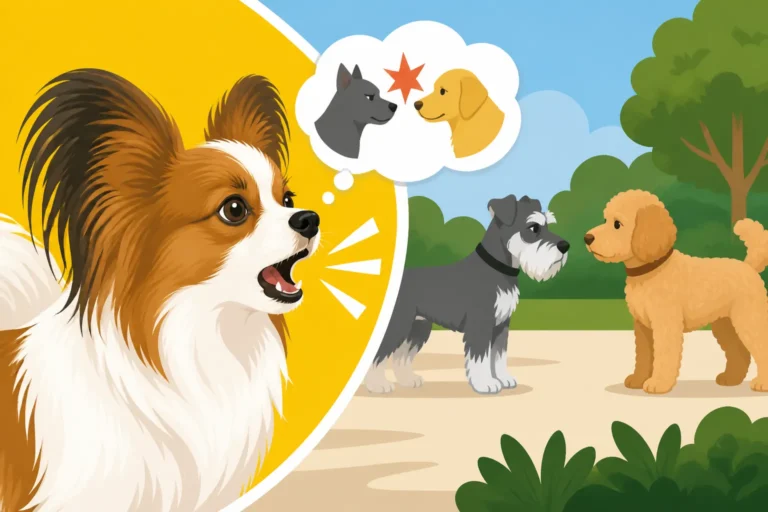
Then there's the "Let Me See!" bark. This often happens when your Papillon hears something interesting outside—a neighbor walking by, another dog, or a distant sound—and they want to investigate but are blocked by the door or window. This bark can sound like a combination of frustration and curiosity. It might be less intense than an alarm bark but more sustained than a brief excitement bark. They might pace, paw at the door, or stare intently, demanding access to whatever has captured their attention. They're not necessarily fearful or overjoyed; they're simply experiencing a strong drive to observe and engage with their environment. If you've ever had a Papillon who insists on being a "neighborhood watch" from the window, you've likely heard this bark. It's their way of saying, "Hey, something's happening out there, and I need to know what it is!" Sometimes, they just want to fulfill their inner Papillon has no idea it is small persona and assert their presence.
Here's a quick table to help distinguish between these door-related barks:
| Bark Type | Common Sound | Body Language | Underlying Emotion | Training Approach |
|---|---|---|---|---|
| Intruder Alert | Rapid, deep, persistent | Stiff, ears forward, fixed gaze, hackles up | Fear, anxiety, protectiveness | Desensitization, positive association, "go to mat" command, confidence building. |
| Excitement | High-pitched, yips, frantic | Wiggling, jumping, tail wagging, whining | Joy, anticipation, eagerness | Calm greetings, "four on the floor" rule, redirecting energy, waiting for quiet before interaction. |
| Let Me See! | Sustained, demanding, often whiny | Pacing, pawing, staring intently, frustrated | Curiosity, frustration, desire to engage | Environmental management (blinds), redirection, teaching "look at me," rewarding calm observation. |
Strategies for Managing Door-Related Barking
Dealing with a Papillon's persistent door barking requires a multi-faceted approach. It's not about stopping them from barking entirely (that's unrealistic and goes against their nature), but rather about teaching them when and how it's appropriate to alert you, and most importantly, how to stop when asked.
Proactive Training and Desensitization
The key to managing door barking often lies in being proactive, not reactive. Start training early, ideally when your Papillon is a puppy. You can work on basic obedience commands like "sit," "stay," and "come," which are foundational for any further training. Brands like BAXTER & Bella offer online puppy training programs that can guide you through these early stages, emphasizing positive reinforcement techniques that work wonderfully with intelligent Papillons.
Desensitization involves gradually exposing your dog to door-related triggers in a controlled, non-threatening way. Start by having a family member or friend slowly approach the door and then walk away, without knocking or ringing. Reward your Papillon with high-value treats and praise for remaining calm. Over time, you can add more intensity: a soft knock, then a louder knock, then a doorbell ring. Each time, your goal is to reward them for not barking or for settling quickly. The moment they stay quiet, offer a treat. If they start to bark, the "intruder" should immediately retreat. This teaches them that calm behavior makes the "threat" go away, while barking prolongs it. Consistency here is paramount. You want to make sure everyone in the household is on the same page. You might find great success with a clicker during this process, as how a clicker lands with a Papillon can be very effective for marking desired behaviors.
Managing the Environment
Sometimes, the simplest solutions involve changing the environment. If your Papillon is constantly barking at passersby through a window, consider using opaque window film on lower panes, or simply keeping blinds and curtains closed during peak "trigger" times. This reduces visual stimuli and can significantly cut down on reactive barking. For sound, a white noise machine or even just turning on some music can help muffle outside noises that might trigger an alert. If your Papillon has a particularly strong drive to guard a certain area, you can use baby gates to keep them away from the front door or prime viewing windows during times you know triggers will occur. Creating a calm, designated "safe space" for them away from the immediate doorway can also be beneficial, especially when you know visitors are expected. Consider a cozy crate or a bed in a quieter room where they feel secure and less compelled to "guard."
Teaching an Alternative Behavior
Instead of just trying to stop the barking, teach your Papillon what you want them to do instead. The "quiet" command is incredibly useful here. When your dog barks, let them get out one or two barks (to acknowledge their alert), then calmly say "quiet!" and immediately place a high-value treat near their nose. The moment they stop barking to sniff the treat, give it to them, praising "quiet, good quiet!" Gradually, increase the duration of quiet required before the reward. For more persistent barkers, you can combine this with a "go to your mat" or "place" command. Teach them that when the doorbell rings or there's a knock, their job is to go to their designated spot and stay there calmly until released. Reward them heavily for this. This gives them a clear job to do and helps them channel their energy productively. Many positive reinforcement trainers, including those associated with resources like BAXTER & Bella, advocate for teaching these alternative behaviors. Knowing how to teach a Papillon a quiet cue is a skill every Papillon owner can benefit from.
Consistency is Key
This cannot be stressed enough: consistency is absolutely crucial. Every single person in the household must follow the same rules and use the same commands and rewards. If one person lets the barking slide or inadvertently rewards it, you're undermining all the progress you've made. Papillons are incredibly smart and will quickly learn who they can get away with what. If you're struggling, consider enrolling in a local obedience class or seeking guidance from a certified professional dog trainer. They can offer personalized advice and help you troubleshoot specific challenges. Remember, managing barking is an ongoing process, not a one-time fix. When to start training a Papillon puppy really is from day one, laying the groundwork for good habits.
When to Seek Professional Help and Important Considerations
Sometimes, despite your best efforts, door-related barking can feel insurmountable. It's important to recognize when the issue goes beyond simple training and might require professional intervention.
Identifying Underlying Issues
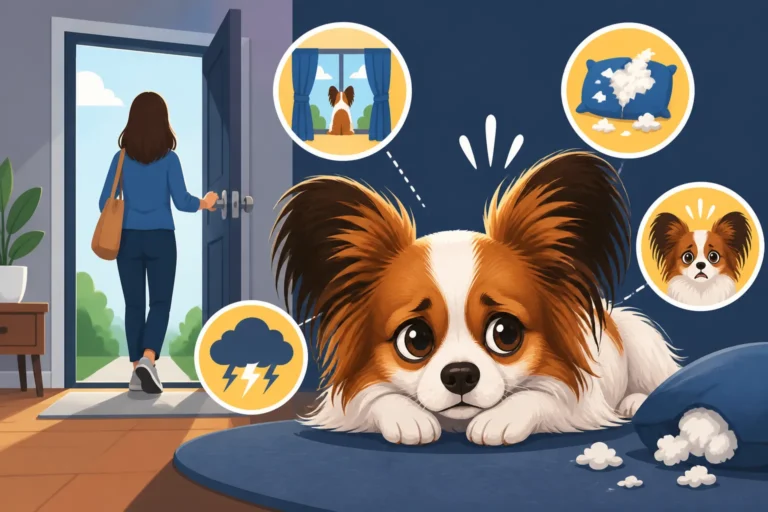
Excessive or uncontrollable barking can sometimes be a symptom of deeper issues. A Papillon experiencing significant anxiety, fear, or even a lack of proper socialization might bark more frequently and intensely at the door. If your Papillon shows other signs of distress—shaking, excessive panting, destructive behavior when left alone, or aggression towards strangers even outside of the door context—it's time to dig deeper. These aren't just "naughty" behaviors; they are communications of internal discomfort. A qualified veterinarian can rule out any medical causes for anxiety, and a certified professional dog trainer or veterinary behaviorist can help you identify specific triggers and develop a tailored behavior modification plan. Sometimes, what looks like just a bark is actually a plea for help with anxiety or fear, particularly if how sensitive a Papillon is makes them prone to overreacting.
The Role of Early Socialization
Proper socialization is the bedrock of a well-adjusted dog, and it's especially important for breeds like the Papillon, who can sometimes be prone to being overly protective or reactive due to their small size and alert nature. Exposing your Papillon puppy to a wide variety of sights, sounds, people, and other friendly dogs in a positive way during their critical socialization period (roughly 3-16 weeks) can make a world of difference. This helps them learn that the world is a safe and interesting place, rather than something to be feared or constantly barked at. Puppy classes are an excellent way to achieve this in a structured environment. Without adequate socialization, a Papillon might view every new arrival at the door as a potential threat, leading to heightened alert barking. This directly relates to whether a Papillon suits close neighbors – a well-socialized Papillon is a much better neighbor!
Long-term Commitment to Training
Finally, remember that managing door barking is not a sprint, it's a marathon. Papillons are intelligent and eager to please, but like any dog, they require ongoing reinforcement and consistency. Even after you've achieved significant improvement, occasional "tune-ups" and continued practice of polite door manners will be necessary, especially if there are changes in your household routine or environment. Your commitment to their training will strengthen your bond and ensure a calmer, more enjoyable life for both you and your delightful Papillon. Think of it as an ongoing conversation; you're teaching them a new language of polite communication, and that takes time, patience, and understanding. You'll thank yourself for this effort over fifteen years of a Papillon, priced out, as a well-behaved dog is truly priceless.
Disclaimer
This article is for general informational purposes only and does not constitute professional advice. Laws, prices and regulations vary by location and change over time. Consult a qualified professional for guidance on your specific situation.